


Last Updated on January 14, 2026 by Nurseslab.in Editorial Team

Introduction
The ketogenic diet, commonly referred to as the keto diet, has gained immense popularity in recent years. This dietary approach is characterized by a high intake of fats, moderate protein consumption, and very low carbohydrate intake. Proponents claim it offers numerous health benefits, including weight loss, improved mental clarity, and better blood sugar control. However, critics argue that the diet may pose health risks and question its long-term sustainability. This article examines both sides of the debate to determine whether the keto diet is indeed healthy or potentially harmful.
Understanding the Keto Diet
The primary goal of the keto diet is to shift the body’s metabolism from relying on carbohydrates for energy to using fats. This metabolic state, known as ketosis, is achieved by significantly reducing carbohydrate intake (typically to less than 50 grams per day) and increasing fat consumption. The liver then converts fats into ketones, which serve as an alternative energy source for the body.
Benefits of the Keto Diet
Weight Loss: One of the main reasons people turn to the keto diet is its potential to promote weight loss. By reducing carbohydrate intake and increasing fat consumption, the body is forced to burn stored fat for energy. This can lead to a significant reduction in body weight, particularly in the initial stages of the diet.
Blood Sugar Control: The keto diet may benefit individuals with type 2 diabetes or insulin resistance. By minimizing carbohydrate intake, blood sugar levels can become more stable, reducing the need for insulin and other diabetes medications.
Improved Mental Clarity: Some followers of the keto diet report enhanced cognitive function and mental clarity. This is attributed to the brain’s use of ketones as an efficient energy source, which may improve focus and concentration.
Reduced Inflammation: Ketones have anti-inflammatory properties that may help reduce inflammation in the body. This can be particularly beneficial for individuals with chronic inflammatory conditions such as arthritis.
Potential Risks and Concerns
Nutrient Deficiencies: One of the primary concerns with the keto diet is the potential for nutrient deficiencies. By eliminating or severely restricting certain food groups, individuals may miss out on essential vitamins and minerals. For example, fruits, vegetables, and whole grains are rich sources of fiber, vitamins, and antioxidants that are limited in a keto diet.
Heart Health: While the keto diet emphasizes healthy fats, such as avocados and nuts, it can also lead to an increased intake of saturated fats from sources like butter, cheese, and fatty meats. High consumption of saturated fats is linked to elevated levels of LDL cholesterol, which can increase the risk of heart disease.
Kidney Health: The increased consumption of animal proteins on the keto diet can strain the kidneys, particularly in individuals with pre-existing kidney conditions. High protein intake can lead to kidney stones and other renal issues.
Digestive Issues: Due to the low fiber content in a typical keto diet, some individuals may experience digestive problems such as constipation. Fiber is essential for maintaining healthy digestion and preventing gastrointestinal issues.
Long-term Sustainability
One of the significant challenges of the keto diet is its long-term sustainability. Adhering to a high-fat, low-carb regimen can be challenging for many people, especially when it comes to social situations and dining out. The restrictive nature of the diet may also lead to feelings of deprivation and difficulty maintaining the diet over an extended period.
Four Types of Ketogenic Dietary Therapies
There are four types of ketogenic therapies available, and they are listed and explained below
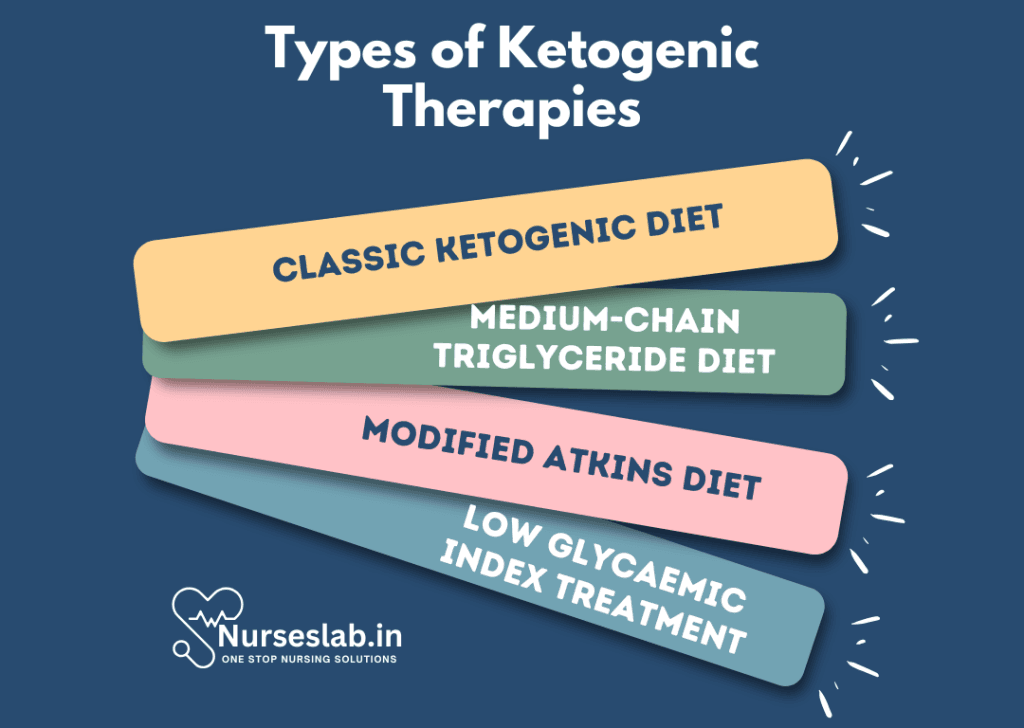
1.Classic Ketogenic Diet
- Fat is derived from long-chain triglycerides in the diet and provides 90 percent of the calories.
- Protein is based on the amount needed for adequate growth.
- Carbohydrates are restricted.
- Ratio of fat to nonlipid is 4:1 (four parts fat to one part protein and carbohydrate).
- Optional twenty-four-hour fasting period prior to initiation.
- Studies have shown a reduction of seizures by more than 50% (Kossoff, 2019).
2.Medium-Chain Triglyceride Diet
- Oil supplements (i.e. coconut) serve as a major fat source and provide 60% of the calories.
- Yields more ketones that are more easily absorbed and carried directly to the liver.
- Less total fat is needed, and more protein and carbohydrates can be used.
- Similar epilepsy reduction efficacy compared to the classic ketogenic diet.
3.Modified Atkins Diet
- Alternative to KDT and allows for more protein.
- Carbohydrates are limited to 10 grams per day.
- Lipid to nonlipid ratio is 1:1 or 2:1.
- Ketosis occurs during the first month of initiation and may correlate with seizure control.
- Diet is more tolerable, and results are similar to classic ketogenic diet when maintained for more than six months.
4.Low Glycaemic Index Treatment
- Limits carbohydrates to 40- 60 grams per day and to only those with a low glycaemic index (<50).
- No restrictions on fluids or protein and loosely monitors fat and calories.
- Lower efficacy compared to other keto diets.
Epilepsy Treatment
Several epilepsy syndromes that have shown improvement with KDT treatment include: Doose syndrome, Dravet syndrome, GLUT-1 deficiency, infantile spasms, pyruvate dehydrogenase deficiency tuberous sclerosis complex, and super-refractory status epilepticus.
- Patients with epilepsy being treated with a KDT should be monitored by a trained dietician and neurologist.
- These diets may be started in a hospital setting or in an outpatient clinic.
- Paediatric patients are typically administered multivitamins with minerals (selenium), calcium, and vitamin D supplements.
- Clinical response may be seen within a few weeks and a decrease in seizure frequency within two to three months.
- Follow-up visits should be scheduled at one month, then at three, six, nine and 12 months during the first year of treatment.
- Monitor labs every three months during the first year including: complete blood count with platelets, metabolic profile, fasting lipid profile, calcium, vitamin D, and magnesium. Treatment is typically recommended for a maximum of two years.
- Monitor your patients for adverse effects such as gastrointestinal symptoms, dyslipidaemia, hypoglycaemia, constipation, growth failure, bone disease, kidney stones, and selenium deficiency.
KDT is contraindicated in patients with (Kossoff, 2019):
- Metabolic disorders that disrupt the oxidation of long-chain fatty acids and result in catabolic crisis. These include deficiencies in primary carnitine, carnitine palmitoyl transferase I or II, carnitine translocase, medium-chain acyl dehydrogenase, long-chain acyl dehydrogenase, short-chain acyl dehydrogenase, long-chain 3-hydroxyacyl-CoA, or medium-chain 3-hydroxyacyl-CoA.
- Fatty acid beta-oxidation defects.
- Porphyria: KDT may worsen acute intermittent porphyria or metabolic disorders caused by changes in enzyme activity related to heme production. Porphyria is an absolute contraindication for KDT.
Keto diets may also exacerbate chronic medical issues such as kidney stones, hypercholesterolemia, liver disease, gastroesophageal reflux, constipation, cardiomyopathy, and chronic metabolic acidosis (Kossoff, 2019).
General Weight Loss
Short-term use of low-carbohydrate diets can be an effective weight loss method. These diets may also benefit patients with type 2 diabetes and metabolic syndrome, insulin resistance that manifests as obesity, dyslipidemia (high triglycerides, low HDL cholesterol), hypertension, high blood glucose, inflammation, and vascular dysfunction (Volek & Phinney, 2013). However, reverting back to the prior carbohydrate intake may negate any benefits gained.
Keto Diet Meal Plan
To help you get started on your keto journey, here’s a sample meal plan for one week:
| Day | Breakfast | Lunch | Dinner | Snacks |
| Monday | Scrambled eggs with avocado | Grilled chicken salad with olive oil dressing | Salmon with asparagus | Nuts, cheese |
| Tuesday | Bacon and eggs | Tuna salad with mayo and spinach | Steak with broccoli | Olives, cucumber slices |
| Wednesday | Chia seed pudding with coconut milk | Chicken lettuce wraps | Pork chops with cauliflower rice | Pepperoni slices, celery sticks |
| Thursday | Greek yogurt with nuts | Avocado and shrimp salad | Beef stir-fry with bell peppers | Hard-boiled eggs, almonds |
| Friday | Omelette with cheese and spinach | Turkey and cheese roll-ups | Chicken thighs with zucchini noodles | Pork rinds, pickles |
| Saturday | Frittata with mushrooms and onions | Egg salad with lettuce | Grilled lamb chops with green beans | Macadamia nuts, cherry tomatoes |
| Sunday | Avocado smoothie | Cobb salad | Baked cod with Brussels sprouts | Cheese cubes, radishes |
REFERENCES
- Batch JT, Lamsal SP, Adkins M, Sultan S, Ramirez MN. Advantages and Disadvantages of the Ketogenic Diet: A Review Article. Cureus. 2020 Aug 10;12(8):e9639. doi: 10.7759/cureus.9639. PMID: 32923239; PMCID: PMC7480775.
- Stocker RK, Reber Aubry E, Bally L, Nuoffer JM, Stanga Z. Ketogene Diät: evidenzbasierte therapeutische Anwendung bei endokrinologischen Erkrankungen [Ketogenic Diet and its Evidence-Based Therapeutic Implementation in Endocrine Diseases]. Praxis (Bern 1994). 2019 Jun;108(8):541-553. German. doi: 10.1024/1661-8157/a003246. PMID: 31185843.
- Kuchkuntla AR, Shah M, Velapati S, Gershuni VM, Rajjo T, Nanda S, Hurt RT, Mundi MS. Ketogenic Diet: an Endocrinologist Perspective. Curr Nutr Rep. 2019 Dec;8(4):402-410. doi: 10.1007/s13668-019-00297-x. PMID: 31705484.
- Kohli, A. & Samour, P.Q. (2013). Use of the Ketogenic Diet in Adults. Topics in Clinical Nutrition. 28(2), 105-119. DOI: 10.1097/TIN.0b013e31828d7866
- Kossoff, E. (2019). Ketogenic dietary therapies for the treatment of epilepsy. UpToDate. Retrieved from https://www.uptodate.com/contents/ketogenic-dietary-therapies-for-the-treatment-of-epilepsy
- Volek, J.S. & Phinney, S.D. (2013). A new look at carbohydrate-restricted diets: Separating fact from fiction. Nutrition Today. 48(2), E1-E7.
Stories are the threads that bind us; through them, we understand each other, grow, and heal.
JOHN NOORD
Connect with “Nurses Lab Editorial Team”
I hope you found this information helpful. Do you have any questions or comments? Kindly write in comments section. Subscribe the Blog with your email so you can stay updated on upcoming events and the latest articles.


