


Last Updated on January 15, 2026 by Nurseslab.in Editorial Team
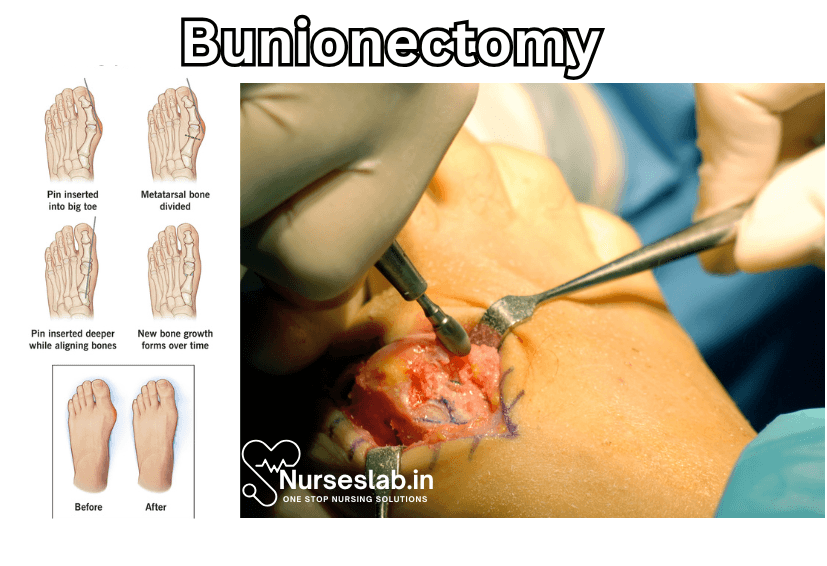
Bunion surgery, clinically known as bunionectomy, is a procedure aimed at correcting a deformity of the foot known as a bunion. A bunion is a bony bump that forms at the joint at the base of the big toe. This condition can cause significant pain and discomfort, often impairing one’s ability to walk comfortably. Bunionectomy is performed to alleviate pain, correct the deformity, and restore normal function to the foot.
What is a Bunion?
A bunion, medically termed hallux valgus, is a structural deformity of the bones and the joint between the foot and the big toe. This condition is characterized by the big toe pushing against the next toe, leading to the enlargement of the joint at the base of the big toe. This results in the noticeable bump on the side of the foot. Bunions can be caused by various factors, including:
- Genetics: A family history of bunions can increase the likelihood of developing this condition.
- Footwear: Wearing tight or ill-fitting shoes, especially high heels, can exacerbate bunion formation.
- Foot structure: Flat feet, low arches, or abnormal gait can contribute to bunion development.
- Arthritis: Inflammatory conditions such as rheumatoid arthritis can lead to bunions.
Indications for Bunion Surgery
Not all bunions require surgical intervention. Conservative treatments, such as wearing appropriate footwear, using orthotic devices, and taking anti-inflammatory medications, can often manage symptoms. However, surgery may be necessary if:
- Severe and persistent pain interferes with daily activities.
- Non-surgical treatments fail to provide relief.
- The bunion causes significant deformity and affects the alignment of other toes.
- There is chronic inflammation and swelling that does not improve with rest or medications.
Types of Bunion Surgery
There are several surgical techniques used to correct bunions, depending on the severity of the deformity and the patient’s specific situation. These include:
1.Osteotomy
This involves cutting and realigning the bone. The surgeon makes small cuts in the bones of the big toe and realigns the joint. The bones are then stabilized with screws or pins.
2.Exostectomy
In this procedure, the surgeon removes the bony bump from the joint. This method is often combined with osteotomy to improve the overall alignment of the foot.
3.Arthrodesis
This involves fusing the joint permanently. This option is typically reserved for severe bunions or cases where arthritis is present.
4.Lapidus procedure
This technique involves fusing the first metatarsal bone to the medial cuneiform bone, which helps in stabilizing the joint and correcting the deformity.
The Surgical Procedure
Bunion surgery is typically an outpatient procedure, allowing patients to go home the same day. The surgery is performed under anesthesia, which could be local, regional, or general, depending on the complexity of the surgery and the patient’s health.
The steps generally involved in a bunionectomy are:
- Incision: The surgeon makes an incision over the bunion to access the bones and joint.
- Realignment: The bones are cut, realigned, and stabilized using screws, wires, or plates.
- Removal: The bony bump is removed, and any additional corrective measures are taken to ensure proper alignment.
- Closure: The incision is closed with stitches, and the foot is bandaged.
Recovery and Rehabilitation
The recovery period after a bunionectomy can vary depending on the type of surgery and the patient’s overall health. Generally, the recovery process includes:
1.Initial Recovery
Patients are usually advised to keep their foot elevated and apply ice to reduce swelling. Weight-bearing activities are limited, and crutches or a walker may be used to assist in mobility.
2.Follow-up Visits
Regular follow-up visits with the surgeon are scheduled to monitor healing and remove stitches, typically within two weeks post-surgery.
3.Rehabilitation
Physical therapy may be recommended to strengthen the foot and improve range of motion. Patients are encouraged to gradually increase their activity level as tolerated.
4.Long-term Care
Full recovery can take several months. During this period, patients should follow their surgeon’s instructions, wear appropriate footwear, and avoid activities that may stress the foot.
Outcomes and Prognosis
Bunion surgery generally has a high success rate, with most patients experiencing significant pain relief and improved foot function. However, as with any surgical procedure, there are potential risks and complications, including:
- Infection
- Nerve damage
- Recurrence of the bunion
- Stiffness or limited movement of the big toe
Patients should discuss these potential risks with their surgeon and ensure they have a clear understanding of the expected outcomes and recovery process.
Nursing Care of Patients with Bunion Surgery (Bunionectomy)
Bunion surgery, or bunionectomy, is a common procedure aimed at relieving pain and correcting deformity caused by bunions. Nursing care plays a pivotal role in ensuring optimal recovery and minimizing complications. This guide provides an overview of essential nursing interventions and practices for patients who have undergone a bunionectomy.
Pre-Operative Nursing Care
Patient Education
Before surgery, nurses should educate patients about the procedure, potential risks, and the postoperative recovery process. Clear instructions should be provided regarding fasting, medication management, and day-of-surgery preparations.
Pre-Surgical Assessment
Conduct a thorough assessment of the patient’s medical history, current medications, and allergies. Ensure that all pre-surgical tests, such as blood work and imaging, are completed and reviewed by the surgical team.
Post-Operative Nursing Care
Immediate Post-Operative Care
- Monitoring Vital Signs: Regularly check the patient’s vital signs, including blood pressure, heart rate, respiratory rate, and oxygen saturation, to detect any signs of distress or complications.
- Pain Management: Administer prescribed pain medications as needed and assess the patient’s pain levels using a standardized pain scale. Non-pharmacological interventions, such as ice packs and elevation, can also help alleviate pain.
- Wound Care: Inspect the surgical site for signs of infection, such as redness, swelling, or discharge. Follow the surgeon’s instructions for dressing changes and wound care.
- Mobility and Positioning: Encourage the patient to keep the foot elevated to reduce swelling. Assist with safe transfers and ambulation as permitted, using mobility aids if necessary.
Monitoring for Complications
Nurses should be vigilant for potential complications following bunion surgery, including:
- Infection: Monitor the patient for fever, increased pain, and signs of wound infection. Report any concerns to the surgical team promptly.
- Nerve Damage: Assess for changes in sensation or numbness in the foot and toes. Document and communicate any abnormalities to the physician.
- Recurrence of the Bunion: Educate the patient on the importance of adhering to postoperative instructions to prevent recurrence.
- Stiffness or Limited Movement: Encourage gentle range-of-motion exercises as recommended by the physical therapist to maintain flexibility.
Long-Term Nursing Care
1.Physical Therapy
Physical therapy may be recommended to strengthen the foot and improve range of motion. Nurses should coordinate with the physical therapist to ensure the patient follows the prescribed exercise regimen.
2.Gradual Increase in Activity
Patients are encouraged to gradually increase their activity level as tolerated. Nurses can provide guidance on appropriate activities and educate patients on signs of overexertion.
3.Follow-Up Care
Regular follow-up appointments with the surgeon are essential for monitoring the patient’s progress. Nurses should remind patients of their appointments and ensure they understand any new instructions provided during these visits.
Patient Education and Support
1.Footwear and Orthotics
Educate patients on the importance of wearing appropriate footwear that provides adequate support and reduces pressure on the surgical site. Orthotics may be recommended to help maintain proper foot alignment.
2.Signs of Complications
Teach patients to recognize signs of potential complications, such as infection, increased pain, or changes in sensation. Encourage them to report any concerns to their healthcare provider promptly.
3.Psychosocial Support
Acknowledge the emotional and psychological impact of surgery on the patient. Provide reassurance, address any concerns, and offer resources for additional support if needed.
Outcomes and Prognosis
Bunion surgery generally has a high success rate, with most patients experiencing significant pain relief and improved foot function. However, as with any surgical procedure, there are potential risks and complications, including:
- Infection
- Nerve damage
- Recurrence of the bunion
- Stiffness or limited movement of the big toe
Patients should discuss these potential risks with their surgeon and ensure they have a clear understanding of the expected outcomes and recovery process.
When to Report the Surgeon:
- Fever or chills
- Redness, swelling, bleeding, or pus-like drainage from the incision
- Increased pain around the foot or incision
- Swelling in the calf of the leg on the side where you had surgery
- Trouble breathing
REFERENCES
- American Academy of Foot and Ankle Surgeons. Lapidus Procedure (https://www.footcaremd.org/conditions-treatments/toes/lapidus-procedure).
- American Academy of Orthopaedic Surgeons. Bunion Surgery https://orthoinfo.aaos.org/en/treatment/bunion-surgery/.
- Institute for Quality and Efficiency in Health Care (GR). Bunion Surgery (https://www.informedhealth.org/bunion-surgery.html).
- Kuhn J, Alvi F. Hallux Valgus. https://www.ncbi.nlm.nih.gov/books/NBK553092/). 2023 Aug 28. In: StatPearls [Internet]. Treasure Island (FL): StatPearls Publishing; 2024 Jan
- Schipper ON, Day J, Ray GS, Johnson AH. Percutaneous Techniques in Orthopedic Foot and Ankle Surgery. Orthop Clin North Am. 2020;51(3):403-422. doi:10.1016/j.ocl.2020.02.004.
Stories are the threads that bind us; through them, we understand each other, grow, and heal.
JOHN NOORD
Connect with “Nurses Lab Editorial Team”
I hope you found this information helpful. Do you have any questions or comments? Kindly write in comments section. Subscribe the Blog with your email so you can stay updated on upcoming events and the latest articles.


