


Last Updated on January 21, 2026 by Nurseslab.in Editorial Team
Introduction
Chronophobia, derived from the Greek words “chronos” (time) and “phobos” (fear), is a specific phobia characterized by an intense and often irrational fear of time or the passage of time. While many people experience fleeting worries about time slipping away, chronophobia is more profound, persistent, and can interfere significantly with daily life. The fear may center on the unstoppable nature of time, the approach of the future, or the sensation of time moving too quickly or too slowly. People with chronophobia may become preoccupied with aging, deadlines, mortality, or the inability to control life’s tempo.
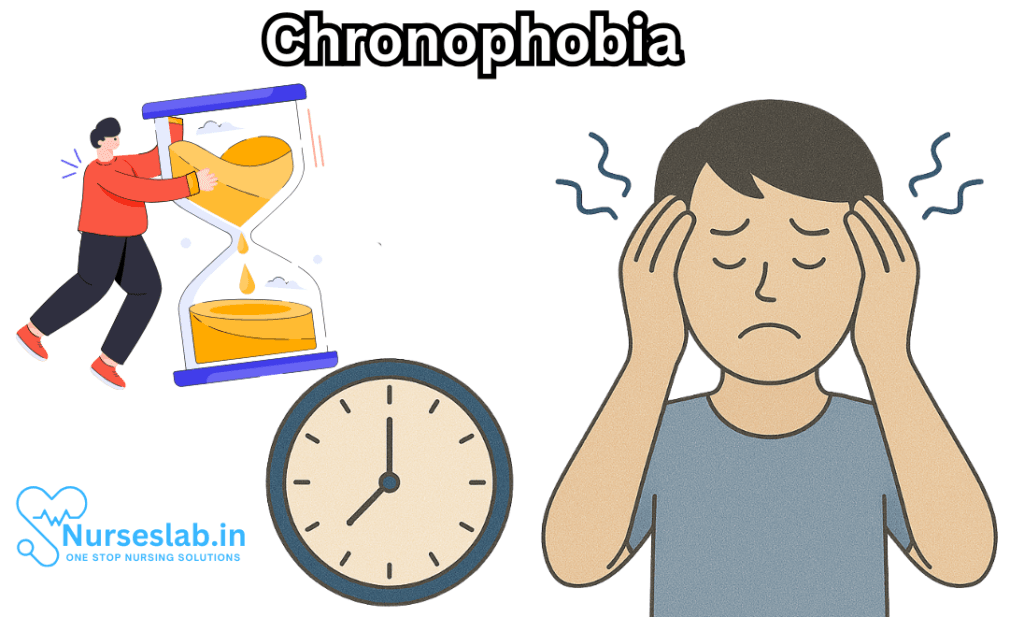
Defining Chronophobia
Chronophobia is classified as a specific phobia under the broader category of anxiety disorders. Unlike general anxiety about aging or time management, chronophobia is a persistent, excessive, and irrational dread of time’s passage itself. This fear manifests in various contexts: some may fear the future or the unknown; others may fixate on the idea that life or opportunities are slipping away. Chronophobia can coexist with other mental health conditions, such as depression or generalized anxiety disorder, amplifying its effects.
Symptoms of Chronophobia
The symptoms of chronophobia can range from mild unease to debilitating panic. Common symptoms include:
- Persistent and excessive fear of time or the passing of time
- Preoccupation with clocks, calendars, or the concept of time
- Feelings of helplessness, dread, or hopelessness about the future
- Anxiety attacks when confronted with reminders of time (e.g., ticking clocks, deadlines, birthdays)
- Physical symptoms such as rapid heartbeat, sweating, nausea, dizziness, or shortness of breath
- Avoidance of situations that highlight the passage of time (e.g., celebrations, anniversaries, New Year’s Eve)
- Obsessive focus on aging, mortality, or missed opportunities
Who Experiences Chronophobia?
Chronophobia can affect people of all ages, backgrounds, and walks of life. However, certain populations are at higher risk:
- Prison inmates: The condition was first widely recognized in incarcerated individuals, particularly those serving long sentences, for whom time is both a burden and an enemy.
- The elderly: As people age, an increased awareness of mortality and the passage of time can trigger chronophobic thoughts.
- Individuals with terminal illness: Facing a shortened lifespan, some people develop a profound fear or obsession with time.
- People undergoing major life transitions: Events such as retirement, divorce, or the loss of a loved one can bring time’s inexorable march into focus, potentially triggering chronophobia.
Causes of Chronophobia
The causes of chronophobia are complex, involving a mix of psychological, biological, and environmental factors.
Psychological Factors
Many experts believe that chronophobia often arises from a deep-seated fear of mortality or the unknown. Life’s unpredictability, the inevitability of aging, or the realization that certain opportunities are finite can be overwhelming. Traumatic events—such as the loss of a loved one, a near-death experience, or facing a terminal diagnosis—may also catalyze the onset of chronophobia.
Biological and Neurological Factors
Some research suggests that certain individuals may be genetically predisposed to anxiety disorders, including specific phobias. Imbalances in brain chemicals (neurotransmitters) that regulate mood and fear responses may play a role. Additionally, people with a heightened sensitivity to changes in their environment may be more susceptible to chronophobia.
Environmental and Cultural Factors
Societal and cultural attitudes toward time can influence the development of chronophobia. In cultures that highly value productivity or youth, individuals may internalize fears about not using time “wisely” or about aging. Media representations of time running out, apocalyptic futures, or existential threats can also amplify these anxieties.
Manifestations of Chronophobia
Chronophobia does not look the same for everyone. For some, it may manifest as a vague sense of unease or sadness on birthdays or at the end of the year. For others, it can become a central focus of life, impacting relationships, work, and overall well-being.
Incarceration and Chronophobia
The term “prison neurosis” has been used to describe the condition among inmates, who often experience a distorted sense of time’s passage. With freedom removed and days blending into one another, the endless expanse of time can become a psychological torment. In such settings, chronophobia may manifest as an acute sense of panic, hopelessness, or depression.
Chronophobia in Everyday Life
Outside of institutional contexts, chronophobia can appear in more subtle forms. A student dreading retirement from academia, a parent watching their child grow up too fast, or a professional fixated on career milestones may experience chronophobic symptoms. Technological advancements—such as real-time updates, constant notifications, and global connectivity—can exacerbate the sensation that time is slipping away, leaving people feeling unmoored or left behind.
The Psychological Impact of Chronophobia
The persistent anxiety associated with chronophobia can have a ripple effect on many aspects of life:
- Mental Health: Chronic anxiety related to time can contribute to depression, insomnia, and other mental health challenges.
- Physical Health: Stress hormones released by anxiety can weaken the immune system and increase the risk of chronic illnesses.
- Relationships: Chronophobia may cause individuals to withdraw from loved ones or avoid meaningful experiences for fear of time’s passage.
- Career and Productivity: The fixation on deadlines or a sense of futility may undermine motivation, focus, and job satisfaction.
Coping Strategies and Treatments
Chronophobia, though daunting, is treatable. With appropriate intervention, most individuals can learn to manage symptoms and reclaim a sense of control.
Cognitive-Behavioral Therapy (CBT)
CBT is a widely used and effective treatment for specific phobias. Therapy helps individuals identify and challenge irrational thoughts about time, replacing them with healthier, more constructive beliefs. Exposure therapy—a component of CBT—encourages gradual, controlled encounters with time-related triggers, reducing sensitivity over time.
Mindfulness and Meditation
Mindfulness practices cultivate acceptance of the present moment, helping to break the cycle of rumination and anxiety about the future or past. Meditation, breathing exercises, and grounding techniques can help calm the mind and reduce physiological symptoms of anxiety.
Medication
In some cases, medication may be prescribed to manage severe anxiety. Selective serotonin reuptake inhibitors (SSRIs) or anti-anxiety medications can offer relief, but are usually most effective when combined with therapy.
Lifestyle Modifications
Adopting healthy routines—such as regular exercise, balanced nutrition, and sufficient sleep—can bolster resilience against anxiety. Limiting exposure to time-related stressors (such as constant clock-checking or over-scheduling) and prioritizing activities that bring joy can also be beneficial.
Support Networks
Connecting with friends, family, or support groups can provide comfort and perspective. Sharing fears and experiences with others can reduce feelings of isolation and foster a sense of community.
Embracing the Present
While chronophobia can feel overwhelming, it also offers an opportunity to reflect on one’s relationship with time. Embracing the present—cultivating gratitude for moments as they come—can help loosen the grip of fear. Practices such as journaling, art, or spending time in nature may encourage a more mindful, appreciative approach to time.
Nursing Care of Patients with Chronophobia (Fear of Time)
For nurses and healthcare professionals, understanding chronophobia’s unique challenges is essential to providing compassionate and effective care.
Assessment and Diagnosis
Accurate assessment is the foundation of nursing care. A thorough evaluation should explore:
- Patient’s verbalization of fears, triggers, and avoidance behaviors
- Physical symptoms such as tachycardia, sweating, tremors, gastrointestinal distress
- Observations of behavior around objects or conversations related to time
- Screening for comorbid conditions (depression, generalized anxiety, PTSD)
- Impact on daily functioning and relationships
Confidential and empathetic communication is essential. Nurses should approach assessment with sensitivity, avoiding judgment or minimizing the patient’s experiences.
Nursing Interventions
Nursing care for chronophobia centers on holistic, individualized strategies that address emotional, physical, and social dimensions of health.
1. Establishing a Therapeutic Relationship
A trusting nurse-patient relationship creates a safe space for disclosure and healing. Key strategies include:
- Active listening and validation of patient’s fears
- Nonjudgmental support—avoid implying the fear is trivial or irrational
- Consistent, calm presence, especially during periods of heightened anxiety
- Respect for patient’s boundaries around time-related discussions
2. Creating a Supportive Environment
Altering the physical and social environment can mitigate triggers:
- Minimize visual cues of time (clocks, calendars) if distressing for the patient
- Adjust routines to reduce emphasis on schedules where possible
- Encourage uninterrupted rest and privacy
- Facilitate access to comforting items (music, art, nature views)
3. Psychological Support and Coping Skills
Developing resilience and adaptive coping is fundamental:
- Teach relaxation techniques: deep breathing, progressive muscle relaxation, guided imagery
- Encourage journaling or creative expression about feelings and experiences
- Support gradual exposure therapy under supervision of mental health professionals
- Help patient reframe negative perceptions of time through cognitive behavioral strategies
- Promote positive affirmations and self-compassion
4. Education and Empowerment
Patient and family education about chronophobia is critical:
- Provide information on the nature of phobias and their treatment
- Share stories of recovery and resilience to instill hope
- Discuss available resources (support groups, counseling, helplines)
- Empower patient to participate in their care planning
5. Collaboration with the Multidisciplinary Team
Chronophobia often requires coordinated care:
- Refer to psychology or psychiatry for formal diagnosis and therapy
- Involve occupational therapists to modify routines and activities
- Consult with social workers for support in navigating external stressors
- Coordinate with primary care providers for medication management if indicated
6. Medication Management
While not always required, medication can support treatment:
- Anxiolytics or antidepressants may be prescribed for severe anxiety or comorbid depression
- Nurses should monitor for side effects, adherence, and efficacy
- Encourage open communication about concerns regarding medication
Medication is best used alongside psychological therapies rather than as a standalone intervention.
Special Considerations in Diverse Settings
In Hospitals:
- Frequent changes in routines or long periods of waiting can exacerbate chronophobia
- Nurses can advocate for clearer communication and predictable routines
- Support patient autonomy by involving them in scheduling decisions
With Terminally Ill Patients:
- Existential fear of time may be heightened by awareness of limited life expectancy
- Provide compassionate palliative care, spiritual support, and counseling
- Facilitate discussions about legacy, meaning, and personal goals
In Correctional Facilities:
- Chronophobia is common among inmates due to rigid schedules and perceived loss of time
- Offer mental health services, opportunities for purposeful activity, and peer support
Family and Community Involvement
Chronophobia can strain relationships and social connections. Nurses should:
- Educate family members about chronophobia and its impact
- Encourage open communication and patience
- Facilitate access to family counseling or support groups
- Empower caregivers with strategies for managing acute episodes
Evaluating Outcomes
Regular evaluation helps assess the effectiveness of nursing interventions:
- Monitor changes in anxiety levels and coping
- Assess for improved participation in daily activities
- Evaluate quality of life measures and social relationships
- Adjust care plan to reflect patient’s evolving needs and preferences
Ethical and Cultural Considerations
Chronophobia may be influenced by cultural beliefs about time, mortality, and destiny. Culturally sensitive care is essential:
- Avoid assumptions about the meaning of time for each patient
- Respect rituals, spiritual practices, and personal philosophies
- Involve cultural liaisons or faith leaders as appropriate
REFERENCES
- Merck Manual (Consumer Version). Phobic Disorders (Phobias). https://www.merckmanuals.com/home/quick-facts-mental-health-disorders/anxiety-and-stress-related-disorders/phobic-disorders-phobias.
- Naguy A, Moodliar-Rensburg S, Alamiri B. Coronaphobia and chronophobia – a psychiatric perspective. Asian J Psychiatr. 2020;51:102050. doi:10.1016/j.ajp.2020.102050
- Rogers AH, Wieman ST, Baker AW. Anxiety comorbidities: mood disorders, substance use disorders, and chronic medical illness. Clinical Handbook of Anxiety Disorders: From Theory to Practice. Springer; 2020:77-103. doi:10.1007/978-3-030-30687-8_5
- National Institute of Mental Health. Specific Phobia . , https://www.nimh.nih.gov/health/statistics/specific-phobia).
- Peristianto SV, Astuti K. Decreasing symptoms of specific phobias with cognitive behavior therapy. Malaysian Ment Health J. 2022;1(1):12-4. doi:10.26480/mmhj.01.2022.12.14
Stories are the threads that bind us; through them, we understand each other, grow, and heal.
JOHN NOORD
Connect with “Nurses Lab Editorial Team”
I hope you found this information helpful. Do you have any questions or comments? Kindly write in comments section. Subscribe the Blog with your email so you can stay updated on upcoming events and the latest articles.


