


Last Updated on January 14, 2026 by Nurseslab.in Editorial Team
Conflict is an inherent aspect of human interaction, influencing personal relationships, organisational dynamics, and societal progress. While often perceived negatively, conflict can also serve as a catalyst for growth and innovation when managed effectively. A profound understanding of conflict—its characteristics, causes, effects, and types—is crucial for students, professionals, and researchers across disciplines.
Introduction
Conflict, in its broadest sense, refers to a state of discord or disagreement arising from differences in interests, values, actions, or directions among individuals or groups. It is an inevitable feature of human society, manifesting in various forms and intensities. The study of conflict is significant as it equips individuals and organisations with the tools to identify, understand, and address disputes constructively, thereby minimising negative outcomes and maximising opportunities for positive change. By recognising the multifaceted nature of conflict, stakeholders can transform challenges into pathways for development and cooperation.
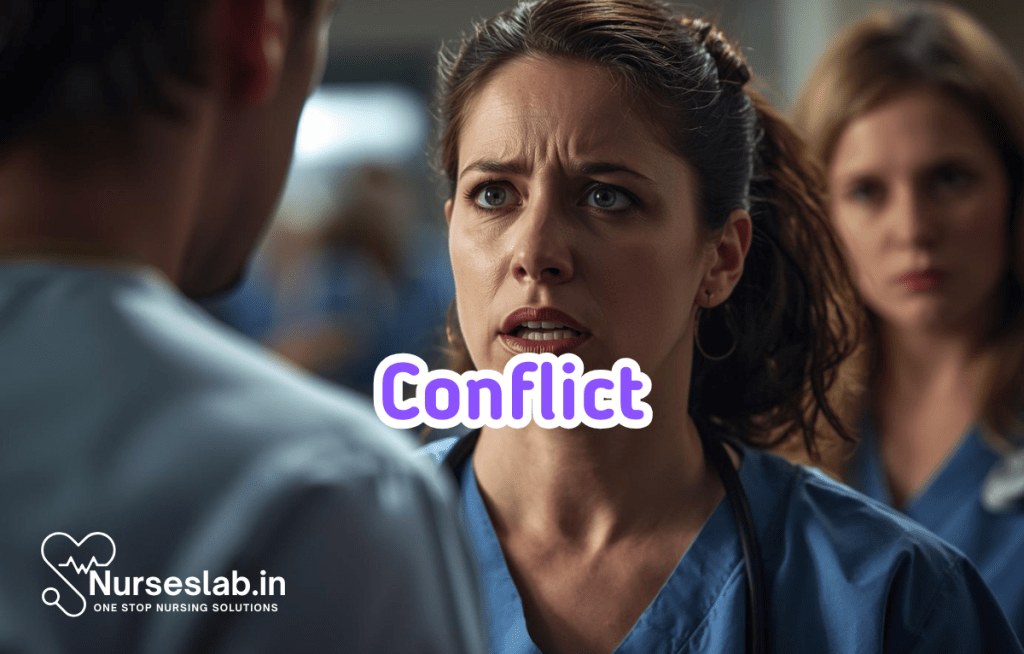
Definition of Conflict
Conflict can be defined as a process in which one party perceives that its interests are being opposed or negatively affected by another party. This perception may be real or imagined, but it often triggers a response aimed at protecting or advancing one’s own position. Conflict is not limited to overt disputes; it may also be silent, underlying tensions that, if left unaddressed, can escalate over time.
Characteristics of Conflict
Understanding the characteristics of conflict is essential for recognising its presence and dynamics. The following are key features that define conflict:
- Interdependence: Conflict arises only when parties are interdependent; their actions or outcomes affect one another.
- Divergence of Interests or Goals: Conflict typically stems from differences in objectives, needs, or values.
- Perception: The existence of conflict relies on the perception of opposition, even if the underlying issues are not objectively significant.
- Interaction: Conflict involves interaction between parties, which may be direct (face-to-face) or indirect (communication through third parties or actions).
- Dynamic Process: Conflict evolves over time, often escalating or de-escalating depending on the responses of those involved.
- Emotional Involvement: Conflict is frequently accompanied by emotions such as anger, frustration, or anxiety, which can intensify the situation.
- Manifest and Latent Dimensions: Some conflicts are explicit and openly expressed, while others remain hidden or suppressed.
- Resolution Potential: Not all conflicts are destructive; many can be resolved or managed to yield constructive outcomes.
The characteristics of conflict highlight its complexity and the need for careful analysis to determine appropriate responses.
Causes of Conflict
Conflicts arise from a multitude of sources, often overlapping and reinforcing one another. Identifying the root causes is instrumental in developing effective solutions. The primary causes of conflict include:
- Communication Breakdown: Misunderstandings, lack of clarity, or poor communication channels can lead to misinterpretations and disputes.
- Differences in Values and Beliefs: Variations in cultural, religious, or personal values often serve as a foundation for conflict.
- Competing Interests or Goals: When individuals or groups vie for limited resources, recognition, or power, conflict is likely to emerge.
- Role Ambiguity: Unclear definitions of roles, responsibilities, or expectations can result in overlapping duties and disagreements.
- Personality Clashes: Differences in temperament, attitudes, or working styles may create friction between individuals.
- Resource Scarcity: Limited access to resources—such as time, money, or materials—often triggers competition and conflict.
- Structural Inequalities: Organisational hierarchies or social structures that favour certain groups over others foster resentment and opposition.
- Unresolved Past Issues: Historical grievances or previous conflicts that remain unaddressed can resurface and fuel current disputes.
- External Pressures: Environmental factors, such as economic downturns or political instability, may exacerbate existing tensions or create new ones.
A comprehensive understanding of the causes of conflict enables proactive measures to prevent escalation and promote harmony.
Effects of Conflict
The effects of conflict are multifaceted, influencing individuals, groups, and organisations in both positive and negative ways. The outcomes depend largely on the nature of the conflict, the context in which it arises, and the strategies employed to address it.
Positive Effects of Conflict
- Stimulates Innovation and Creativity: Conflict can encourage individuals to think differently, challenge assumptions, and generate novel solutions.
- Promotes Change and Improvement: Addressing conflict often leads to organisational or systemic changes that enhance efficiency and effectiveness.
- Strengthens Relationships: When managed constructively, conflict can foster deeper understanding and trust among parties.
- Clarifies Issues and Expectations: Conflict brings underlying problems to the surface, making it possible to address them openly.
- Enhances Group Cohesion: Working through conflicts together can strengthen group identity and solidarity.
- Encourages Personal Growth: Individuals develop valuable skills such as negotiation, communication, and empathy through conflict resolution.
Negative Effects of Conflict
- Reduces Productivity: Prolonged or poorly managed conflict can disrupt workflows and decrease efficiency.
- Damages Relationships: Hostile or unresolved conflicts may erode trust and collaboration among individuals or groups.
- Increases Stress and Anxiety: Conflict often leads to emotional distress, affecting mental and physical well-being.
- Encourages Unhealthy Competition: Intense rivalry can undermine cooperation and mutual support.
- Promotes Organisational Dysfunction: Persistent conflict may create a toxic work environment, leading to high turnover and absenteeism.
- Escalates to Violence or Sabotage: In extreme cases, unresolved conflict can lead to destructive behaviours and outcomes.
It is crucial to recognise that the effects of conflict are not predetermined; they are shaped by the attitudes and actions of those involved.
Types of Conflict
Conflict manifests in various forms, each with distinct features and implications. A thorough understanding of these types aids in diagnosing and addressing issues appropriately.
- Intrapersonal Conflict:
- Occurs within an individual when faced with competing desires, values, or responsibilities.
- Example: A student torn between academic pursuits and social commitments.
- Interpersonal Conflict:
- Arises between two or more individuals due to differences in opinions, interests, or personalities.
- Example: Colleagues disagreeing over project approaches or resource allocation.
- Intragroup Conflict:
- Occurs within a group or team, often due to divergent goals or role ambiguities.
- Example: Department members competing for limited funding or recognition.
- Intergroup Conflict:
- Emerges between different groups, departments, or organisations, frequently due to competition or incompatible objectives.
- Example: Rivalry between marketing and sales teams over budget allocations.
- Organisational Conflict:
- Encompasses conflicts that arise within or between organisations, often involving structural issues, policies, or cultural differences.
- Example: Disputes over organisational restructuring or strategic direction.
- Community and Societal Conflict:
- Occurs at a broader level, involving communities or societies, often driven by social, economic, or political disparities.
- Example: Communal tensions arising from resource allocation or policy decisions.
- International Conflict:
- Involves disputes between nations or states, typically over territory, resources, or ideological differences.
- Example: Border conflicts or trade wars between countries.
Each type of conflict requires tailored approaches for effective management and resolution, considering the context and stakeholders involved.
Comparison of Positive and Negative Effects of Conflict
To better understand the dual nature of conflict, the following table compares its positive and negative effects, providing explanations for each aspect.
| Positive Effects | Explanation | Negative Effects | Explanation |
| Stimulates Innovation | Encourages creative thinking and exploration of new ideas. | Reduces Productivity | Disrupts workflow and diverts attention from core tasks. |
| Promotes Change | Leads to beneficial reforms and improvements in systems or processes. | Damages Relationships | Breaks down trust and collaboration among individuals or teams. |
| Strengthens Relationships | Facilitates deeper understanding and mutual respect when resolved positively. | Increases Stress | Causes emotional turmoil, anxiety, and even health issues. |
| Clarifies Issues | Brings hidden problems to light for open discussion and resolution. | Encourages Unhealthy Competition | Fosters rivalry that undermines cooperation and teamwork. |
| Enhances Group Cohesion | Unites members around common goals after overcoming challenges. | Promotes Organisational Dysfunction | Creates a toxic environment, leading to absenteeism and turnover. |
| Encourages Personal Growth | Develops skills such as negotiation, empathy, and resilience. | Escalates to Violence | May lead to aggression or destructive behaviour if unmanaged. |
This comparison underscores that conflict is not inherently detrimental; its effects depend on the manner in which it is addressed.
Managing and Resolving Conflict
Effective conflict management is vital for harnessing its positive aspects while mitigating negative consequences. The following strategies are widely recognised as best practices:
- Open Communication: Encourage honest and respectful dialogue to clarify misunderstandings and expectations.
- Active Listening: Demonstrate empathy by genuinely considering others’ perspectives and concerns.
- Collaborative Problem-Solving: Seek win-win solutions that address the interests of all parties involved.
- Negotiation: Employ structured negotiation techniques to reach mutually acceptable agreements.
- Mediation: Involve neutral third parties to facilitate discussion and propose solutions in complex disputes.
- Clear Roles and Responsibilities: Define roles, responsibilities, and expectations to reduce ambiguity and prevent overlap.
- Focus on Interests, Not Positions: Address the underlying needs and interests rather than fixed positions or demands.
- Timely Intervention: Address conflicts early before they escalate into larger problems.
- Continuous Learning: Promote a culture of feedback and learning to continuously improve conflict management capabilities.
Adopting these strategies not only resolves existing conflicts but also strengthens the capacity of individuals and organisations to handle future disputes constructively.
Conclusion
Conflict is a complex, multifaceted phenomenon that pervades all aspects of human interaction. Its presence, while often challenging, is also an opportunity for growth, innovation, and improved relationships. By understanding the characteristics, causes, effects, and types of conflict, and by employing effective management strategies, individuals and organisations can transform potential threats into avenues for progress and collaboration. Recognising conflict as a natural and manageable part of life lays the foundation for a more harmonious and productive society.
In summary, the study of conflict is not merely an academic exercise; it is an essential skill for navigating the complexities of modern life. Whether in personal relationships, professional environments, or broader societal contexts, the ability to understand and manage conflict is indispensable for achieving sustainable success and well-being.
REFERENCES
- R Sreevani, Applied Sociology for Nurses, 2nd Edition, 2023, Jaypee Publishers, ISBN: 978-9356962866.
- I. Clement, Sociology for Nurses, 3rd Edition, 2023, Pearson Publishers, ISBN: 978-9357053273.
- Denny, Earle, Hewison, Sociology for Nurses, 3rd Edition, 2016, Wiley Publishers, ISBN: 978-1509505401.
- Hannah Cooke, Sociological Approaches to Health, Healthcare and Nursing, 1st Edition, September 9, 2024, ISBN: 978-0702083143.
- Jacob Anthikad, Sociology for Graduate Nurses, 2nd Edition, 2014, Jaypee Publishers, ISBN: 978-9351520085.
- Nicole Jose, Conflict Perspective Sociology: How Power Struggles Shape Society, May 9, 2024, https://sociology.org/conflict-perspective-sociology/
- Tubergen, Frank. March 2020. Introduction to Sociology. ISBN: 978-1351134958. https://www.researchgate.net/publication/339505825_Introduction_to_Sociology
Stories are the threads that bind us; through them, we understand each other, grow, and heal.
JOHN NOORD
Connect with “Nurses Lab Editorial Team”
I hope you found this information helpful. Do you have any questions or comments? Kindly write in comments section. Subscribe the Blog with your email so you can stay updated on upcoming events and the latest articles.


