Last Updated on March 4, 2026 by Nurseslab.in Editorial Team
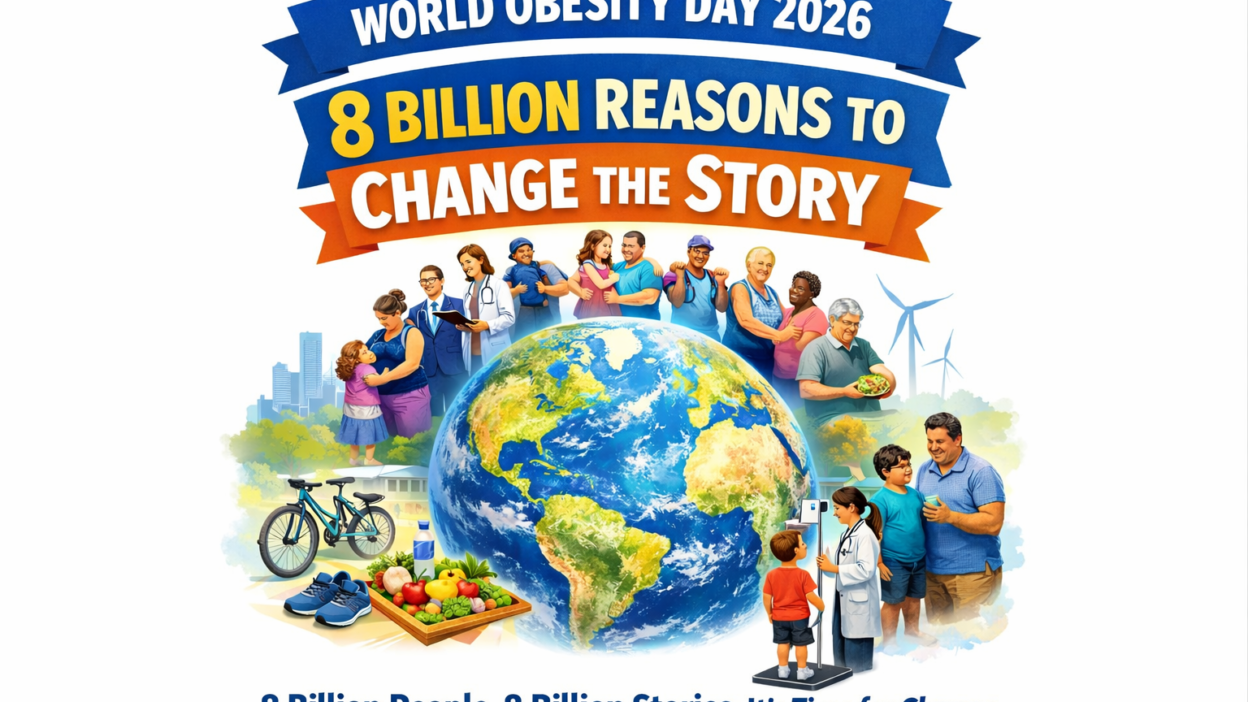
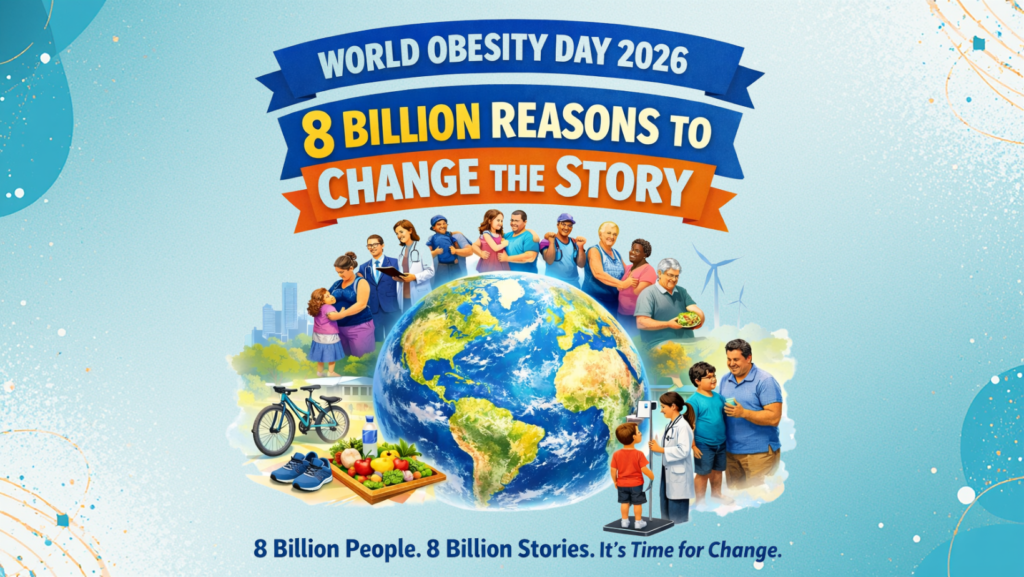
World Obesity Day 2026 focuses on “8 Billion Reasons to Change the Story,” urging global action to prevent and manage obesity through awareness, healthier environments, and equitable access to care. Join the movement to reshape the future of global health.
Introduction
Every year, World Obesity Day brings together individuals, organisations, and communities across the globe to address one of the most pressing health challenges of our time: obesity. In 2026, this observance becomes even more vital with the theme ‘8 Billion Reasons to Change the Story.’ This theme underscores the collective responsibility we share, as the world population reaches eight billion, to reshape the narrative around obesity and foster environments that support healthier lives. The significance of World Obesity Day lies not only in raising awareness but also in mobilising action, promoting understanding, and inspiring hope for a healthier future for all.
Understanding Obesity
Obesity is defined as an excessive accumulation of body fat that poses a risk to health. It is measured using the Body Mass Index (BMI), where a BMI of 30 or above is classified as obese. While many associate obesity with individual choices, the reality is far more complex. Causes include genetic predisposition, environmental factors, socio-economic status, and cultural influences. Misconceptions abound, such as the belief that obesity is simply the result of overeating or lack of willpower. In truth, obesity is a multifaceted condition influenced by a combination of biological, psychological, and social factors.
It is essential to recognise that obesity is not just a personal problem; it is a societal concern. Stigma and misinformation can prevent people from seeking help or making healthy choices. By understanding the real causes of obesity, we can begin to change the story and promote compassion, rather than judgement.
Global Perspective
Obesity rates have soared across the globe, affecting people of all ages, backgrounds, and nationalities. According to the World Health Organization, more than 1.9 billion adults were overweight in 2022, with over 650 million classified as obese. Childhood obesity is also rising, with 340 million children and adolescents aged 5-19 affected. These numbers are not isolated; they reflect global trends driven by urbanisation, sedentary lifestyles, and changing dietary patterns.
Regional differences are striking. While high-income countries often face issues related to excess calorie consumption and sedentary behaviour, low and middle-income nations now grapple with a double burden: undernutrition coexisting with rising obesity. In India, for example, urbanisation has led to greater access to processed foods and reduced physical activity, contributing to a growing prevalence of obesity among both adults and children. In Africa and Latin America, similar patterns are emerging, with obesity rates climbing alongside economic development.
The global statistics highlight the urgent need for coordinated action. With eight billion people inhabiting the planet, every region must address its unique challenges while sharing insights and strategies for change.
The Theme: ‘8 Billion Reasons to Change the Story’
The theme for World Obesity Day 2026, ‘8 Billion Reasons to Change the Story,’ is more than a slogan—it is a call to action rooted in the reality of our interconnected world. Each person, each community, and each nation has a role to play in rewriting the narrative around obesity. The theme reminds us that the fight against obesity is not about numbers alone, but about people—every individual matters.
By embracing this theme, we acknowledge the diversity of experiences, backgrounds, and challenges faced by eight billion people. It encourages us to look beyond stereotypes and statistics, and to see the human stories behind the data. Changing the story means shifting from blame to understanding, from isolation to community, and from despair to hope. It invites us to create environments where healthy choices are accessible, affordable, and supported for all.
Health Impacts
Obesity has far-reaching consequences that extend beyond physical health. It is associated with a higher risk of chronic diseases such as diabetes, heart disease, hypertension, and certain cancers. These conditions can reduce life expectancy and diminish quality of life. The burden of obesity-related illnesses strains healthcare systems worldwide, leading to increased medical costs and reduced productivity.
Mental health is equally affected. Individuals living with obesity may experience depression, anxiety, and low self-esteem, often exacerbated by societal stigma and discrimination. The social consequences of obesity can be profound—people may face barriers to employment, education, and social participation due to prejudice and misunderstanding.
It is important to recognise that the impact of obesity is not limited to the individual. Families, communities, and societies all bear the consequences, making it a collective challenge that demands collective solutions.
Societal and Economic Effects
The societal and economic effects of obesity are staggering. Healthcare systems worldwide are strained by the rising demand for treatment of obesity-related conditions. In India, for example, the cost of managing diabetes and heart disease is expected to rise significantly, placing pressure on public health resources. Globally, the economic cost of obesity is estimated to exceed US$2 trillion annually, accounting for lost productivity, increased absenteeism, and higher healthcare expenditure.
Obesity also affects communities. It can limit opportunities for children and adults, contribute to social isolation, and hinder development. The ripple effects are felt in education, employment, and social cohesion. Addressing obesity is not only a health imperative but also an economic and social priority.
Challenges and Barriers
Several challenges and barriers impede progress in combating obesity. Stigma remains a significant obstacle, with individuals facing judgement and exclusion due to their weight. This can prevent people from seeking support, accessing healthcare, or engaging in physical activity. Education and awareness campaigns are needed to reduce stigma and promote empathy.
Access to healthy food is another critical barrier. In many regions, nutritious options are less available or more expensive than unhealthy alternatives. Food deserts, marketing of processed foods, and lack of regulation contribute to unhealthy diets. Lifestyle factors, including sedentary work, screen time, and lack of safe spaces for exercise, further complicate the issue.
Addressing these challenges requires coordinated action across sectors—government, industry, and civil society must work together to create environments that support health and wellbeing.
Innovative Solutions
Innovative solutions are needed to change the story of obesity. Prevention strategies should begin early, with education in schools, promotion of physical activity, and support for breastfeeding and healthy eating. Technology can play a transformative role—mobile apps, wearable devices, and online platforms can help people track their progress, access information, and connect with support networks.
Community initiatives are vital. In India, for example, grassroots programmes have shown success in promoting healthy lifestyles through yoga, sports, and nutrition education. Local leaders and community health workers can mobilise resources and inspire collective action. International organisations, such as the World Health Organization and World Obesity Federation, provide frameworks and guidance for national efforts.
Research and innovation must continue, focusing on new approaches to prevention, treatment, and support. Collaboration across disciplines and borders can accelerate progress and ensure that solutions are inclusive and effective.
Role of Individuals and Communities
Individuals and communities play a crucial role in combating obesity. Empowerment begins with knowledge—understanding the causes of obesity and recognising the importance of healthy habits. Education can dispel myths, reduce stigma, and promote positive change. Support networks, including families, friends, and community groups, provide encouragement and motivation.
Communities are uniquely positioned to drive change. By creating safe spaces for exercise, organising health campaigns, and advocating for policy change, communities can make healthy living accessible and attractive. In India, traditional practices such as yoga and meditation offer holistic approaches to wellbeing, complementing modern strategies.
Every person can contribute. Whether by making healthier choices, supporting others, or advocating for change, individual actions matter. The power of community lies in collective action—together, we can rewrite the story of obesity.
Policy and Advocacy
Policy and advocacy are essential to address the systemic roots of obesity. Governments must implement regulations that promote healthy environments—such as taxing sugary drinks, restricting marketing to children, and ensuring access to nutritious foods. In India, the Food Safety and Standards Authority has taken steps to regulate food labelling and promote public health.
International collaboration is vital. Shared research, best practices, and joint initiatives can amplify impact and foster global solidarity. The World Obesity Federation’s advocacy campaigns highlight the importance of policy action at every level, encouraging governments to prioritise obesity prevention and treatment.
Civil society organisations, health professionals, and the media must also play their part—raising awareness, holding leaders accountable, and supporting those affected by obesity. Policy change is possible when communities demand action and support one another.
Call to Action
On World Obesity Day 2026, each of us has a role to play. Here are some ways you can contribute:
- Educate yourself and others about the realities of obesity, its causes, and its impacts.
- Challenge stigma and promote empathy, both online and offline.
- Make healthier choices in your daily life—choose nutritious foods, stay active, and prioritize wellbeing.
- Support community initiatives and participate in local health programmes.
- Advocate for policy change by contacting your representatives and joining campaigns.
- Share your story and encourage others to seek support and make positive changes.
Resources are available from organisations such as the World Obesity Federation, World Health Organization, and local health authorities. Use these tools to learn, connect, and inspire others.
The next steps involve sustaining momentum. Join the movement, stay informed, and continue to support change. Together, we can transform the narrative and create a healthier, more inclusive world.
Conclusion
World Obesity Day 2026, with its theme ‘8 Billion Reasons to Change the Story,’ is a powerful reminder of our shared responsibility. Obesity affects millions, yet each story is unique. By understanding the complexities, addressing barriers, and embracing innovative solutions, we can change the trajectory of this global challenge.
Let us move forward with hope, determination, and compassion. Whether you are a health advocate, a community leader, or a concerned citizen, your role is vital. Join the movement, spread awareness, and be part of a new story—one where everyone has the opportunity to live a healthy, fulfilling life.
REFERENCES
- WorldObesity.Org , 8 Billion Reasons to Act on Obesity, Mar 04, 2026, https://www.worldobesity.org/training-and-events/events/8-billion-reasons-to-act-on-obesity
- Health and Me, World Obesity Day 2026: Date, Significance, And History, Updated Mar 4, 2026, https://www.healthandme.com/health-wellness/world-obesity-day-2026-date-significance-and-history-article-153743825
Stories are the threads that bind us; through them, we understand each other, grow, and heal.
JOHN NOORD
Connect with “Nurses Lab Editorial Team”
I hope you found this information helpful. Do you have any questions or comments? Kindly write in comments section. Subscribe the Blog with your email so you can stay updated on upcoming events and the latest articles.