Last Updated on August 28, 2026 by Nurseslab.in Editorial Team
Every year on 24th March, the world comes together to observe World Tuberculosis Day. This day marks a crucial opportunity to raise public awareness about the devastating health, social, and economic consequences of tuberculosis (TB) and to step up efforts to end the global Tuberculosis epidemic.
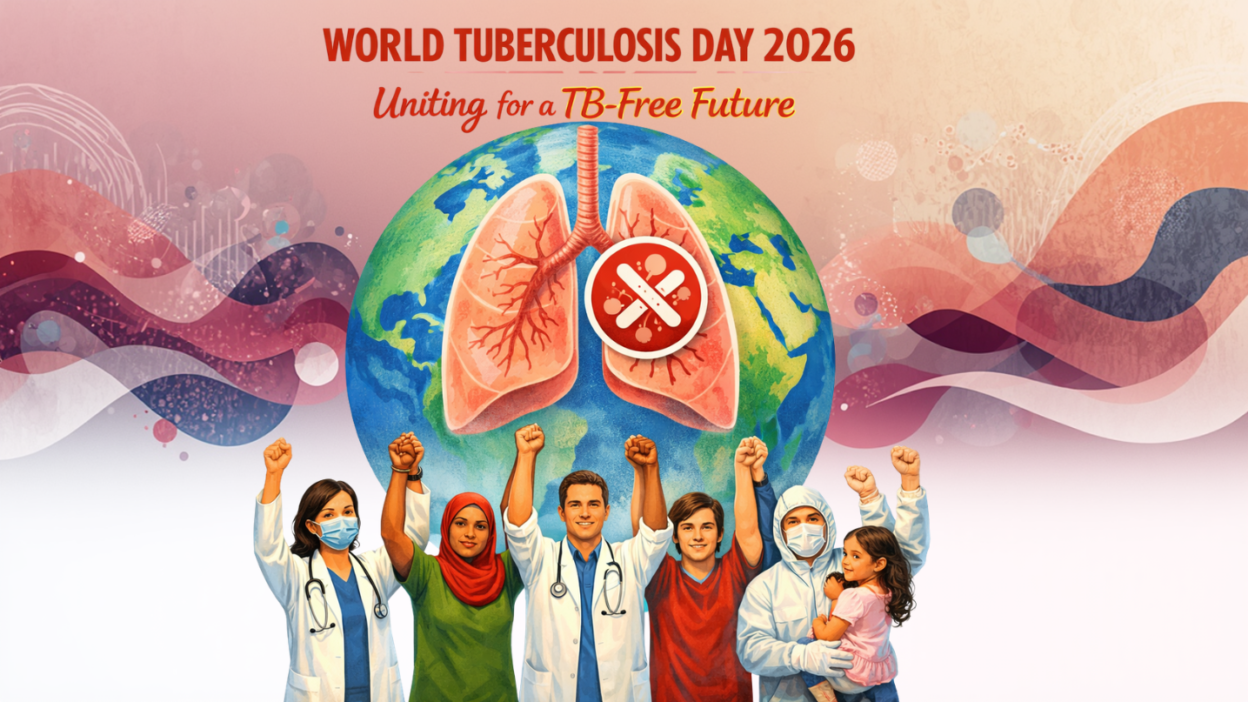
In 2026, the theme for World Tuberculosis Day is “Uniting for a TB-Free Future”, a rallying call for communities, governments, and individuals to join hands in the fight against this preventable and curable disease.
Introduction
World Tuberculosis Day commemorates the day in 1882 when Dr Robert Koch announced the discovery of the bacterium that causes TB. His groundbreaking work paved the way for diagnosing and treating this ancient scourge.
Despite the advances in medicine and public health, TB remains one of the world’s deadliest infectious diseases, affecting millions each year. Observing this day is vital as it serves not just as a reminder of the ongoing threat but also as a moment to recognise the progress made and the work that still lies ahead.
A Brief History of Tuberculosis and Its Global Day
Tuberculosis has plagued humanity for centuries, often referred to as “consumption” in the past due to the way it wasted away its victims. With the discovery of Mycobacterium tuberculosis in the late 19th century, the foundation was laid for modern treatments. The World Health Organization (WHO) and the Stop TB Partnership have played key roles in establishing World Tuberculosis Day, which has grown into a global movement involving governments, civil society, and affected communities. Over the years, this day has provided a platform to highlight the urgent need for action and investment to end Tuberculosis.
2026 Theme: “Uniting for a TB-Free Future”
The 2026 World Tuberculosis Day theme, “Uniting for a TB-Free Future”, is both a vision and a strategy. It underscores the power of collective action in overcoming the remaining barriers to Tuberculosis elimination. The theme is highly relevant today, as the world continues to grapple with infectious diseases and recognises the importance of resilience through unity. By focusing on collaboration, the theme encourages diverse stakeholders — from governments and healthcare workers to patients and community leaders — to align their efforts.
Relevance in the Global Context
The COVID-19 pandemic highlighted the fragility of health systems and the interconnectedness of global health. Tuberculosis, like many diseases, does not respect borders. The 2026 theme is timely and necessary, reminding us that only through shared responsibility and coordinated efforts can we achieve lasting change. It invites countries to invest in robust health systems, promote scientific innovation, and engage communities in meaningful ways.
Global TB Situation
Tuberculosis remains a major global health threat. According to the latest estimates, nearly 10 million people fell ill with Tuberculosis in 2025, and over 1.3 million lost their lives to the disease, making it the second leading infectious killer after COVID-19. Most cases occur in low- and middle-income countries, with India, Indonesia, China, the Philippines, Nigeria, Pakistan, Bangladesh, and South Africa accounting for the majority of the global burden.
TB affects people of all ages but is particularly devastating among the most vulnerable, including those living with HIV, children, and people with weakened immune systems. The disease is airborne, spreading easily in crowded and poorly ventilated spaces, which makes urban slums and densely populated regions especially at risk.
Regional Highlights
- South-East Asia: The region bears the highest share of Tuberculosis cases, with India alone accounting for about a quarter of the global total. Efforts here focus on improving detection, outreach, and access to care.
- Africa: TB is the leading cause of death among people living with HIV. Weak health systems and socio-economic challenges make Tuberculosis control particularly difficult.
- Eastern Europe and Central Asia: These regions face a high burden of drug-resistant TB, posing new challenges for treatment and containment.
Challenges in TB Control
Despite the availability of effective treatments, several barriers hinder TB control. One major challenge is the stigma associated with the disease. Many people still believe Tuberculosis is a curse or a disease of the poor, leading to discrimination and social isolation of patients. This prevents timely diagnosis and adherence to treatment.
Misconceptions about Tuberculosis transmission, symptoms, and treatability persist, especially in remote or marginalised communities. In some regions, limited access to healthcare facilities, shortages of trained staff, and inadequate funding hamper control efforts. The emergence of drug-resistant TB strains due to incomplete or incorrect treatment further complicates the scenario. Tackling these challenges requires a concerted effort to educate, empower, and engage communities at all levels.
Awareness and Advocacy
Raising awareness is crucial to breaking the cycle of transmission and stigma. Each year, World Tuberculosis Day is marked by a variety of campaigns, rallies, and educational events. In 2026, organisations across the world are rolling out creative and impactful campaigns to highlight the theme “Uniting for a TB-Free Future”.
- Mass Media Campaigns: National and regional media outlets are airing documentaries, interviews, and public service announcements to reach millions with accurate information about Tuberculosis prevention and treatment.
- Community Events: Health camps, street plays, and school programmes are being organised to engage local communities, dispel myths, and encourage early testing and treatment.
- Digital Outreach: Social media platforms are amplifying the message, with hashtags such as #TBFreeFuture and #UniteForTB trending globally. Interactive webinars and online forums are connecting experts, patients, and the public.
- Celebrity and Influencer Engagement: Well-known personalities are lending their voices to the cause, helping to destigmatise Tuberculosis and inspire action.
Prevention and Treatment
Ending TB requires a two-pronged approach: preventing new infections and curing those already affected. Advances in diagnostics, vaccines, and treatments offer new hope in the fight against Tuberculosis.
Prevention Strategies
- Vaccination: The Bacillus Calmette-Guérin (BCG) vaccine remains the only licensed TB vaccine, primarily given to infants. Research is ongoing into newer, more effective vaccines that could provide better protection for all age groups.
- Infection Control: Improving ventilation in public spaces, using masks, and ensuring rapid isolation of infectious cases are crucial steps, especially in health care settings and communities with high transmission rates.
- Screening and Prophylaxis: Targeted screening of high-risk groups, such as people living with HIV or close contacts of Tuberculosis patients, allows for early detection and preventive treatment, reducing the risk of active disease.
Treatment Innovations
- Shorter, Simpler Regimens: New drug combinations are reducing the duration and complexity of Tuberculosis treatment, making it easier for patients to complete therapy and reducing the risk of drug resistance.
- Drug-Resistant TB: Cutting-edge diagnostics enable rapid detection of resistant strains, allowing for tailored treatments. New medications, such as bedaquiline and delamanid, are improving outcomes for patients with multidrug-resistant Tuberculosis.
- Patient-Centred Care: Efforts are being made to provide treatment closer to home, offer nutritional and psychosocial support, and use digital tools for treatment adherence.
Ongoing research into new therapies, diagnostics, and vaccines is critical for future progress.
Policy and Partnerships
No single entity can end TB alone. Governments, non-governmental organisations (NGOs), international agencies, and the private sector must work together in a spirit of partnership. The WHO’s End Tuberculosis Strategy and the United Nations’ Sustainable Development Goals provide a global framework for action.
- Government Initiatives: National Tuberculosis programmes are scaling up investments in diagnostics, treatment, and awareness. In India, the National Strategic Plan for Tuberculosis Elimination aims to end TB by 2025, serving as a model for other high-burden countries.
- NGO and Civil Society Involvement: NGOs play a key role in reaching marginalised populations, providing community-based care, and advocating for patient rights.
- International Collaboration: Bodies like the WHO, Stop TB Partnership, and the Global Fund to Fight AIDS, Tuberculosis and Malaria are mobilising resources and technical expertise to support country-led efforts.
- Private Sector Engagement: Pharmaceutical companies and tech firms are investing in research, diagnostics, and digital health solutions to accelerate progress.
Strong policy frameworks, sustained funding, and cross-sectoral collaboration are essential for achieving the goal of a TB-free world. Monitoring progress, sharing best practices, and holding stakeholders accountable will ensure that commitments translate into real impact.
Community Stories
Behind the statistics are real people whose lives have been transformed by the fight against TB. Community-driven approaches have yielded remarkable results, showing that when people are empowered and supported, they can overcome the disease and inspire others.
- Survivor Champions: Many TB survivors are now advocates, sharing their stories to break down stigma and motivate others to seek care.
- Community Health Workers: In rural India, dedicated health workers travel long distances to bring testing and treatment to remote villages, ensuring no one is left behind.
- Innovative Programmes: Projects like DOTS (Directly Observed Treatment, Short-course) have revolutionised TB care by involving families and communities in monitoring treatment, resulting in higher cure rates.
In South Africa, a group of women living with HIV and TB started a support group that not only improved treatment adherence but also created economic opportunities through small businesses. Such stories illustrate the power of community solidarity and innovation in overcoming TB.
Call to Action: How You Can Contribute and Resources
Every individual has a role to play in the fight against TB. Here are ways you can make a difference:
- Learn about TB and share accurate information with your family, friends, and community to dispel myths and reduce stigma.
- If you or someone you know has symptoms like a persistent cough, fever, or weight loss, encourage them to get tested at the nearest health facility.
- Support local and global TB initiatives through volunteering, donations, or advocacy.
- Participate in World Tuberculosis Day events, both online and offline, to show your solidarity and spread awareness.
- Engage with policymakers to prioritise TB funding and research.
For more information and resources, explore the official websites of the World Health Organization, the Stop TB Partnership, and your country’s national TB programme. These platforms offer educational materials, updates on research, and opportunities to get involved.
Conclusion: Recap and Hope for the Future
World Tuberculosis Day 2026, with its inspiring theme “Uniting for a TB-Free Future”, reminds us that the fight against TB is far from over, but it is a fight that can be won. By coming together — as communities, nations, and a global family — we can ensure that future generations live free from the shadow of this disease.
Let us take this opportunity not only to reflect on the challenges but also to celebrate the progress, the resilience of survivors, and the promise of a healthier, TB-free world.
As we move forward, let us carry the spirit of unity, compassion, and determination. Together, we can turn the vision of a TB-free future into reality.
REFERENCES
- WHO, World TB Day 2026 – Yes! We can End TB! Led by countries. Powered by people. https://www.who.int/campaigns/world-tb-day/2026
- CDC, World Tuberculosis Day 2026 , https://www.cdc.gov/world-tb-day/index.html
- Time&Date, When Is World Tuberculosis Day 2026?, https://www.timeanddate.com/holidays/un/world-tuberculosis-day
Stories are the threads that bind us; through them, we understand each other, grow, and heal.
JOHN NOORD
Connect with “Nurses Lab Editorial Team”
I hope you found this information helpful. Do you have any questions or comments? Kindly write in comments section. Subscribe the Blog with your email so you can stay updated on upcoming events and the latest articles.