


Climate change is one of the most pressing challenges of our time, with far-reaching impacts on the environment, economies, and human health. As the effects of climate change become increasingly evident, the role of healthcare professionals, particularly nurses, in addressing this global crisis has gained significant importance. Nurses, being the largest group of healthcare providers, are uniquely positioned to make substantial contributions to climate change mitigation and adaptation efforts. The Role of Nurses in Addressing Climate Change: Healthcare’s Frontline Responders to a Global Crisis is widely discussed in this topic.
Understanding the Link Between Climate Change and Health
Climate change impacts health in multifaceted ways, including the exacerbation of chronic diseases, the emergence of new health threats, and the displacement of populations. Heatwaves, air pollution, extreme weather events, and shifting patterns of infectious diseases pose direct and indirect risks to human health. Nurses, with their extensive knowledge of public health and clinical care, can play a pivotal role in understanding and addressing these health impacts.
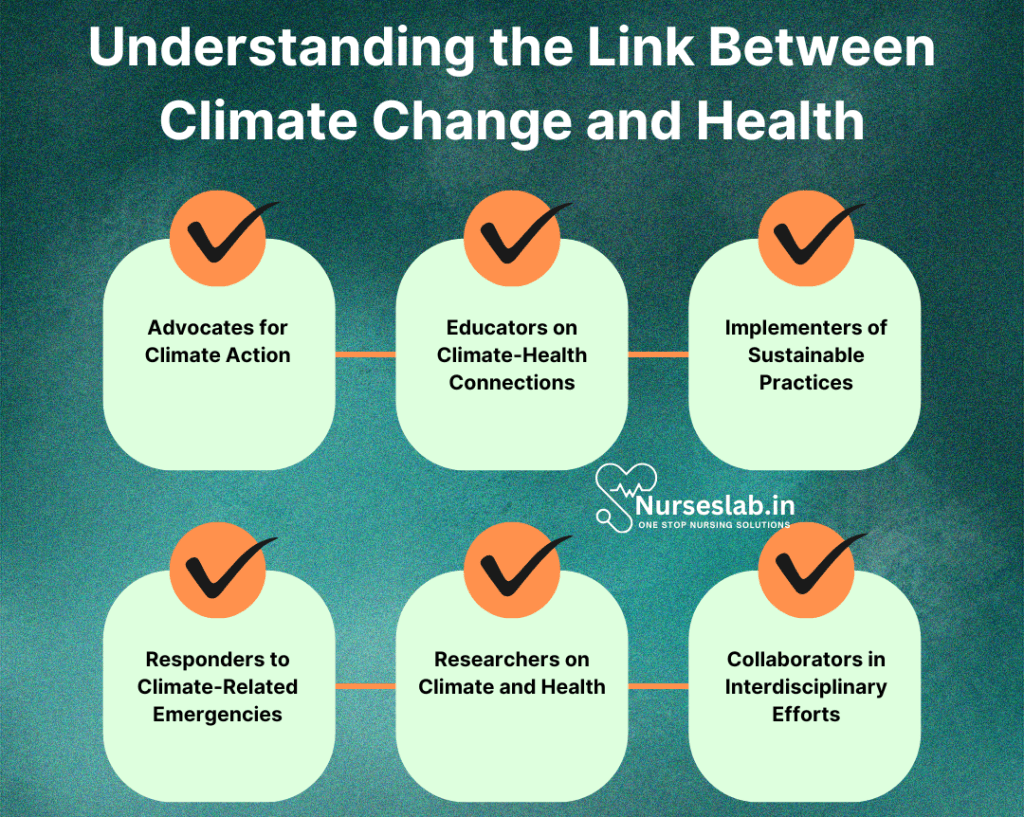
1.Advocates for Climate Action
Nurses can act as powerful advocates for climate action within their communities and healthcare systems. By raising awareness about the health impacts of climate change, they can influence public opinion and inspire collective efforts to reduce carbon footprints. Nurses can engage with policymakers, participate in environmental health campaigns, and collaborate with interdisciplinary teams to promote sustainable practices and policies that safeguard public health.
2.Educators on Climate-Health Connections
Education is a fundamental aspect of nursing practice, and nurses can leverage their expertise to educate patients, families, and communities about the health implications of climate change. They can provide information on how to reduce exposure to climate-related health risks, such as extreme heat or poor air quality, and offer guidance on adopting healthier, more sustainable lifestyles. Furthermore, nurses can incorporate climate change topics into healthcare curriculums and professional development programs to ensure that future generations of nurses are well-equipped to address this issue.
3.Implementers of Sustainable Practices
Healthcare facilities are significant contributors to greenhouse gas emissions. Nurses, given their integral role in these settings, can spearhead initiatives to reduce the environmental impact of healthcare practices. They can advocate for the use of energy-efficient technologies, waste reduction strategies, and sustainable procurement practices. By championing green healthcare initiatives, nurses can help create healthier environments for both patients and healthcare workers.
4.Responders to Climate-Related Emergencies
Climate change increases the frequency and severity of natural disasters, such as hurricanes, floods, and wildfires. Nurses are often on the frontlines of disaster response, providing critical care and support to affected populations. Their training in emergency preparedness and response equips them to manage climate-related emergencies effectively. Nurses can also contribute to community resilience by developing and implementing disaster preparedness plans that account for climate change-related risks.
5.Researchers on Climate and Health
Nurses engaged in research can contribute valuable insights into the relationship between climate change and health. They can investigate the health outcomes of climate-related phenomena, identify vulnerable populations, and evaluate the effectiveness of interventions aimed at mitigating climate impacts. Nurse researchers can also explore ways to integrate climate change considerations into clinical practice and public health strategies, thereby advancing the field of climate-health research.
6.Collaborators in Interdisciplinary Efforts
Addressing climate change requires a collaborative approach that involves various sectors and disciplines. Nurses can work alongside environmental scientists, urban planners, and community organizations to develop comprehensive strategies for climate change mitigation and adaptation. By participating in interdisciplinary initiatives, nurses can ensure that health considerations are integrated into broader climate action plans, promoting a holistic approach to sustainability.
Challenges and Opportunities
While nurses have a crucial role to play in addressing climate change, they also face several challenges. Resource constraints, limited access to training on climate-health issues, and the demanding nature of healthcare work can hinder their ability to engage in climate action. However, these challenges also present opportunities for innovation and growth. By investing in education, research, and support systems, the nursing profession can enhance its capacity to contribute to climate change solutions.
How Global Warming Impacts Our Health
Global warming, a phenomenon primarily caused by increased levels of greenhouse gases in the Earth’s atmosphere, has far-reaching consequences for our planet. While the environmental impacts of global warming are well-documented, its effects on human health are equally profound and warrant urgent attention. As temperatures rise, so do the risks to our health, affecting populations worldwide. This document explores the various ways in which global warming impacts our health and highlights the urgent need for action to mitigate these effects.
1.Heat-Related Illnesses
One of the most direct and immediate health impacts of global warming is the increase in heat-related illnesses. As global temperatures rise, the frequency and intensity of heatwaves also increase, posing significant health risks, particularly for vulnerable populations such as the elderly, children, and those with pre-existing health conditions. Heat exhaustion, heatstroke, and dehydration are common heat-related illnesses that can lead to severe complications and even death if not promptly addressed. Additionally, prolonged exposure to high temperatures can exacerbate chronic conditions such as cardiovascular and respiratory diseases, placing additional strain on healthcare systems.
2.Respiratory Problems
Rising temperatures and increased levels of air pollution, including ground-level ozone and particulate matter, contribute to the worsening of respiratory problems. Global warming exacerbates the formation of air pollutants, leading to higher concentrations of harmful substances in the air we breathe. These pollutants can trigger or worsen conditions such as asthma, chronic obstructive pulmonary disease (COPD), and other respiratory ailments. Poor air quality is particularly detrimental to children, the elderly, and individuals with pre-existing respiratory conditions, increasing their risk of hospitalizations and premature death.
3.Vector-Borne Diseases
Global warming also affects the distribution and prevalence of vector-borne diseases, which are transmitted by insects such as mosquitoes and ticks. Warmer temperatures and changing precipitation patterns create favorable conditions for the proliferation of disease-carrying vectors. Diseases such as malaria, dengue fever, Zika virus, and Lyme disease are expected to spread to new regions as their vectors expand their habitats. This poses significant public health challenges, especially in areas that were previously unaffected and may lack the necessary infrastructure and resources to combat these diseases.
4.Food and Water Security
Climate change impacts food and water security, which in turn affects human health. Changes in temperature, precipitation patterns, and the frequency of extreme weather events can disrupt agricultural production, leading to food shortages and malnutrition. Reduced crop yields and the loss of arable land threaten the availability and affordability of nutritious food, particularly in vulnerable communities. Additionally, global warming can compromise water quality and availability, increasing the risk of waterborne diseases. Contaminated water sources can lead to outbreaks of illnesses such as cholera, dysentery, and other gastrointestinal infections.
5.Mental Health Effects
The psychological and emotional impacts of global warming are often overlooked but are equally important. Climate-related events such as natural disasters, extreme weather, and displacement can cause significant stress, anxiety, and trauma. The uncertainty and fear associated with the ongoing climate crisis can also contribute to feelings of helplessness and depression. Mental health professionals are increasingly recognizing the need to address the psychological impacts of climate change and provide support for those affected.
6.Displacement and Migration
As global warming continues to alter the environment, many communities are forced to adapt or relocate. Rising sea levels, extreme weather events, and resource scarcity can lead to displacement and migration, with profound health implications. Displaced populations often face limited access to healthcare, inadequate living conditions, and increased exposure to infectious diseases. The physical and mental health challenges associated with displacement underscore the need for comprehensive strategies to support affected individuals and communities.
| The Effects of Global Warming on Health | |
| Issue | Impact |
| AIR QUALITY | |
| Increased pollution and GHG emissions | Escalation of allergens and a lengthened allergy season increase allergy-related illnesses Aggravates cardiovascular illnesses Aggravates lung diseases (asthma and chronic obstructive pulmonary disease) |
| EXTREME WEATHER | |
| Intense Wildfires | Rise in hospital and emergency room visits for asthma patients, smoke inhalation and burn injuries Infrastructure damage and property loss that can lead to stress and other mental health issues |
| Excessive precipitation, flooding and storms | Water contamination causing waterborne illnesses such as cholera, cryptosporidiosis, campylobacter, leptospirosis and giardia Water and food supply disruptions causing malnutrition and foodborne illnesses such as Salmonellosis and diarrhoea Infrastructure damage and property loss that can lead to stress and other mental health issues |
| RISING TEMPERATURES | |
| Rising temperatures and more frequent heat waves | Dehydration Heat stroke affecting the most vulnerable (poor, elderly and children) Aggravates cardiovascular and respiratory illnesses |
| VECTOR-BORNE DISEASE | |
| Combination of flooding/storms (standing water), longer duration of warm seasons (high temperatures) | Changes in vector (mosquitos and ticks) habitats and behaviors causing diseases such as Lyme Disease, Malaria, Zika Virus and West Nile Virus to spread |

Nurses As Leaders in Protecting Our Environment
In the face of escalating environmental challenges, the role of nurses in protecting our environment has never been more critical. Nurses, as trusted healthcare professionals, possess a unique blend of skills, knowledge, and dedication that enable them to lead efforts in environmental stewardship. This document explores the various ways nurses can act as leaders in protecting our environment, emphasizing their roles in advocacy, education, sustainable practice implementation, emergency response, research, and interdisciplinary collaboration.
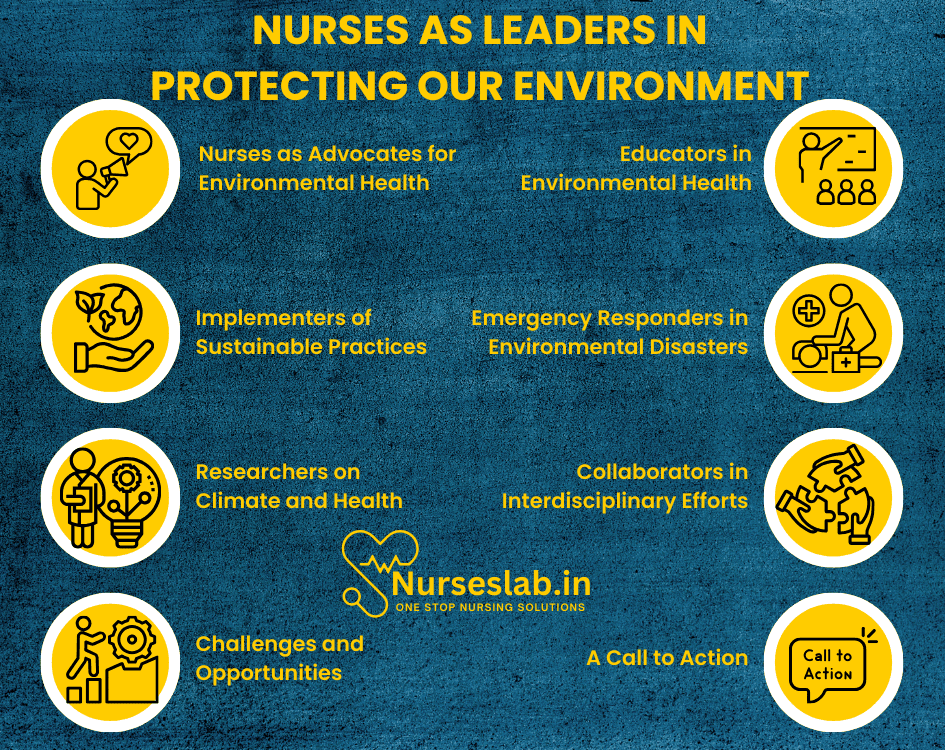
1.Nurses as Advocates for Environmental Health
Nurses have a powerful voice that can influence policies and practices aimed at protecting the environment. By advocating for legislation and policies that promote environmental health, nurses can drive systemic changes that benefit both human health and the planet. This includes supporting efforts to reduce pollution, combat climate change, and promote sustainable resource management.
Policy Advocacy
Nurses can engage in policy advocacy by participating in professional organizations, joining advocacy groups, and working with policymakers to craft legislation that addresses environmental health issues. Their firsthand experience with the health impacts of environmental degradation lends credibility and urgency to their advocacy efforts.
Community Engagement
Nurses can also advocate for environmental health at the community level. By educating and mobilizing community members, nurses can foster a culture of environmental stewardship and empower individuals to take action. This can involve organizing community clean-ups, promoting recycling programs, and advocating for green spaces.
2.Educators in Environmental Health
Education is a cornerstone of nursing practice, and nurses are well-positioned to educate both their peers and the public about environmental health. Through education, nurses can raise awareness of the health impacts of environmental issues and promote behaviors that protect both health and the environment.
Patient Education
Nurses can incorporate environmental health education into their interactions with patients. This can include discussing the health benefits of reducing exposure to pollutants, promoting healthy and sustainable lifestyle choices, and providing information on how to minimize one’s environmental footprint.
Professional Development
Nurses can pursue professional development opportunities that enhance their knowledge of environmental health issues. By staying informed about the latest research and best practices, nurses can integrate environmental considerations into their clinical practice and serve as resources for their colleagues.
3.Implementers of Sustainable Practices
Nurses can lead by example by implementing sustainable practices in their workplaces and communities. By adopting environmentally-friendly practices, nurses can reduce their own environmental impact and inspire others to do the same.
Green Healthcare Practices
Healthcare facilities are significant consumers of resources and producers of waste. Nurses can advocate for and implement green healthcare practices, such as reducing energy and water consumption, minimizing waste, and promoting the use of environmentally friendly products.
Sustainable Lifestyle Choices
Nurses can also promote sustainable lifestyle choices in their personal lives and communities. This can include adopting practices such as reducing plastic use, supporting local and sustainable food sources, and advocating for sustainable transportation options.
4.Emergency Responders in Environmental Disasters
Climate change increases the frequency and severity of natural disasters, such as hurricanes, floods, and wildfires. Nurses are often on the frontlines of disaster response, providing critical care and support to affected populations. Their training in emergency preparedness and response equips them to manage climate-related emergencies effectively.
Disaster Preparedness
Nurses can contribute to community resilience by developing and implementing disaster preparedness plans that account for climate change-related risks. This includes educating communities about disaster preparedness, conducting drills, and coordinating with local emergency response teams.
Emergency Response
During environmental disasters, nurses provide essential care to those affected. Their ability to triage, treat injuries, and manage chronic conditions in emergency settings is invaluable. Nurses also play a crucial role in addressing the mental health impacts of disasters, providing psychological support to survivors.
5.Researchers on Climate and Health
Nurses engaged in research can contribute valuable insights into the relationship between climate change and health. They can investigate the health outcomes of climate-related phenomena, identify vulnerable populations, and evaluate the effectiveness of interventions aimed at mitigating climate impacts.
Health Outcomes Research
Nurse researchers can study the health impacts of environmental issues such as air pollution, water contamination, and extreme weather events. By identifying the links between environmental factors and health outcomes, nurses can inform public health strategies and interventions.
Integrating Climate Considerations
Nurse researchers can also explore ways to integrate climate change considerations into clinical practice and public health strategies. This includes developing guidelines for healthcare providers, creating educational materials for patients, and advocating for the inclusion of environmental health in nursing curricula.
6.Collaborators in Interdisciplinary Efforts
Addressing climate change requires a collaborative approach that involves various sectors and disciplines. Nurses can work alongside environmental scientists, urban planners, and community organizations to develop comprehensive strategies for climate change mitigation and adaptation.
Interdisciplinary Collaboration
By participating in interdisciplinary initiatives, nurses can ensure that health considerations are integrated into broader climate action plans. This promotes a holistic approach to sustainability, where environmental, social, and health factors are all taken into account.
Community Partnerships
Nurses can also forge partnerships with community organizations to promote environmental health. This can involve collaborating on projects such as community gardens, health education campaigns, and environmental monitoring programs.
7.Challenges and Opportunities
While nurses have a crucial role to play in addressing climate change, they also face several challenges. Resource constraints, limited access to training on climate-health issues, and the demanding nature of healthcare work can hinder their ability to engage in climate action. However, these challenges also present opportunities for innovation and growth.
Overcoming Barriers
By investing in education, research, and support systems, the nursing profession can enhance its capacity to contribute to climate change solutions. This includes providing nurses with the tools and resources they need to address environmental health issues effectively.
Embracing Opportunities
The challenges posed by climate change also offer opportunities for nurses to innovate and lead. By embracing their roles as advocates, educators, implementers, responders, researchers, and collaborators, nurses can drive meaningful change in the fight against climate change.
8.A Call to Action
The urgency of the climate crisis calls for immediate and sustained action from all sectors of society. Nurses, with their unique skills and perspectives, have a vital role in this endeavor. By leveraging their expertise and dedication, nurses can help mitigate the health impacts of climate change and promote resilience within their communities.
Inspiring Change
As trusted healthcare professionals, nurses have the ability to inspire and mobilize communities. By raising awareness, advocating for policy changes, and leading by example, nurses can contribute to a healthier, more sustainable future for all.
Continuing Evolution
The nursing profession must continue to evolve and adapt to meet the challenges posed by climate change. By staying informed, engaging in research, and collaborating with other disciplines, nurses can ensure that they remain at the forefront of efforts to protect and improve global health in the face of this unprecedented crisis.
The Role of Nurses in Addressing Climate Change at home
What can you do at home? Small changes in the way we live our daily lives can have a positive impact on the environment. Collectively, we can make a difference. A few simple strategies include
- Use energy efficiently, and if possible, use renewable energy.
- Turn off lights in vacant rooms.
- Use natural lighting.
- Change light bulbs to light-emitting diode (LED) bulbs.
- Unplug appliances and electronics when not used.
- Set thermostat to 65 degrees in winter and 78 degrees in summer.
- Utilize alternative modes of transportation – carpool, bike, walk or use public transportation.
- Adopt environmentally friendly products, purchase climate friendly paper and cleaning supplies.
- Recycle and reduce waste.
- Support a sustainable food system by decreasing meat consumption and purchasing local organic food.
The economic burden to reduce our carbon footprint should not supersede our duty to protect our planet for future generations to come.
What are you doing to help the environment? Tell us about your experience in the comments below.
REFERENCES
- Alliance of Nurses for Healthy Environments (2019). Getting Started with Climate Solutions: A Guide for Nurses. Retrieved from https://envirn.org/getting-started-a-guide-for-nurses/
- Center for Climate Change & Health (2019). U.S. Call to Action On Climate, Health, and Equity: A Policy Action Agenda. Retrieved from http://climatehealthconnect.org/resources/climate-change-health-and-equity-a-guide-for-local-health-departments/
- Center for Global Health & Social Responsibility (2019). Climate Change and Human Health: An Interprofessional Response – A University of Minnesota Academic Health Center Collaboration. Retrieved from https://globalhealthcenter.umn.edu/education/climatehealth
- Cook, C., Demorest, S.L. & Schenk, E. (2019). Nurses and Climate Action: Opportunities to lead national efforts. American Journal of Nursing. 119(4), 54-60.
- United Nations. (2019). What is the Paris Agreement. Retrieved from https://unfccc.int/process-and-meetings/the-paris-agreement/what-is-the-paris-agreement
- Gaudreau C, Guillaumie L, Jobin É, Diallo TA. Nurses and Climate Change: A Narrative Review of Nursing Associations’ Recommendations for Integrating Climate Change Mitigation Strategies. Canadian Journal of Nursing Research. 2024;56(3):193-203. doi:10.1177/08445621241229932
- Sayre L, Rhazi N, Carpenter H, Hughes NL. Climate change and human health: the role of nurses in confronting the issue. Nurs Adm Q. 2010 Oct-Dec;34(4):334-42. doi: 10.1097/NAQ.0b013e3181f60df9. PMID: 20838179.
- Gaudreau C, Guillaumie L, Jobin É, Diallo TA. Nurses and Climate Change: A Narrative Review of Nursing Associations’ Recommendations for Integrating Climate Change Mitigation Strategies. Can J Nurs Res. 2024 Sep;56(3):193-203. doi: 10.1177/08445621241229932. Epub 2024 Feb 19. PMID: 38373438; PMCID: PMC11308299.
Stories are the threads that bind us; through them, we understand each other, grow, and heal.
JOHN NOORD
Connect with “Nurses Lab Editorial Team”
I hope you found this information helpful. Do you have any questions or comments? Kindly write in comments section. Subscribe the Blog with your email so you can stay updated on upcoming events and the latest articles.


