

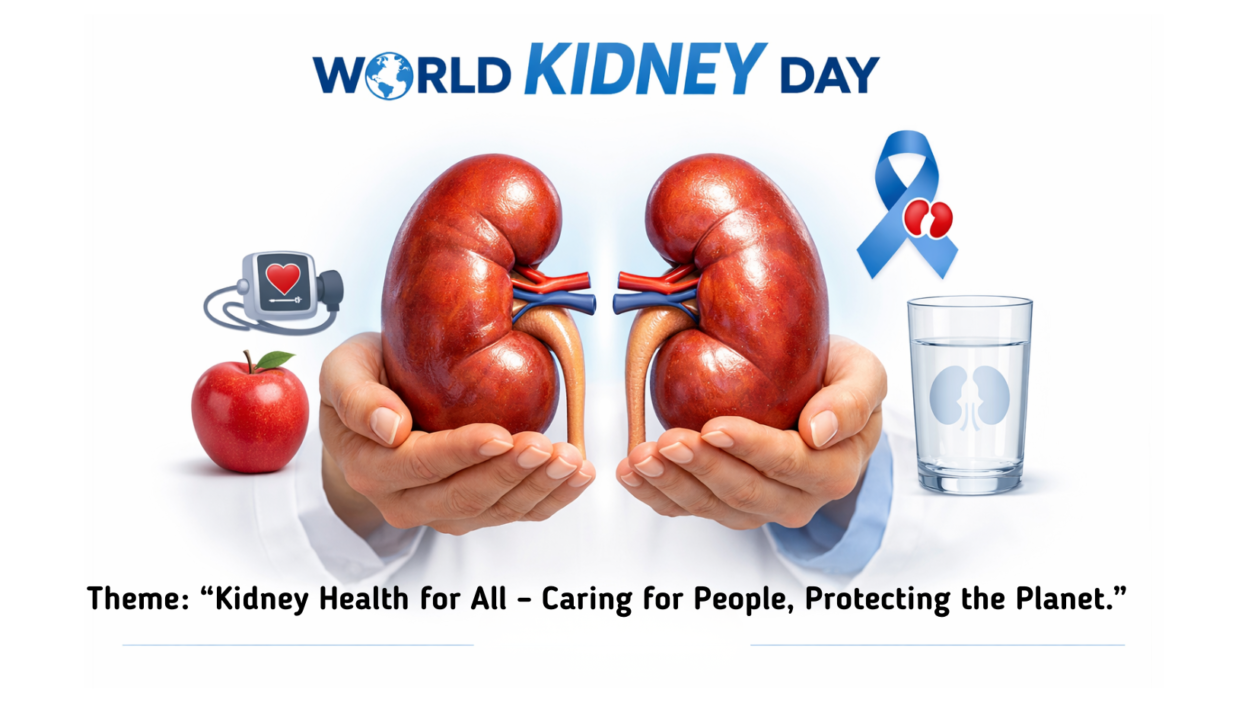
Every year, World Kidney Day shines a spotlight on one of the most vital yet often overlooked organs in our bodies. In 2026, the global campaign returns with renewed purpose, rallying around the theme “Kidney Health for All – Caring for People, Protecting the Planet.” This ambitious vision calls not just for awareness, but for action—encouraging each of us to consider how our health and the health of the planet are deeply intertwined. Whether you are a health advocate, a concerned community member, or simply someone eager to make a difference, this year’s message holds special significance. Join us as we explore the importance of kidney health, the broader impact of kidney disease, the environmental challenges at stake, and the steps we can take together to create lasting change.
Introduction:
World Kidney Day, observed annually on the second Thursday of March, has become a cornerstone for global health advocacy. Its mission: to raise awareness about the prevention, early detection, and management of kidney diseases. With millions affected worldwide, kidney health is a public issue that cuts across borders, cultures, and socioeconomic backgrounds. This year, the theme “Kidney Health for All – Caring for People, Protecting the Planet” reflects a growing recognition that health is not isolated from our environment. It is an invitation to broaden our perspective, linking individual well-being with collective responsibility for the planet.

The 2026 theme captures two powerful ideas: equity in healthcare and environmental stewardship. By addressing both, World Kidney Day positions itself as more than a medical event—it becomes a movement towards sustainable health and global solidarity. It challenges us to ask: How can we ensure kidney care for everyone, regardless of where they live? And how can protecting our environment directly support kidney health?
Understanding Kidney Health
The kidneys, two bean-shaped organs located in the lower back, play a critical role in our overall wellness. They filter waste and excess fluids from the blood, regulate blood pressure, balance electrolytes, and produce hormones that help control red blood cell production and bone health. Without healthy kidneys, the body’s delicate balance is quickly disrupted, leading to serious health issues.
Kidney diseases, including chronic kidney disease (CKD), kidney stones, and acute kidney injuries, affect millions of people globally. CKD is particularly concerning, as it is often “silent” in its early stages, lacking obvious symptoms until significant damage has occurred. Early detection and lifestyle adjustments are essential, yet many people remain unaware of their risk or the importance of kidney health. This gap in knowledge can lead to preventable complications, highlighting the need for ongoing education and advocacy.
Common risk factors for kidney disease include high blood pressure, diabetes, obesity, poor diet, and insufficient hydration. Addressing these through healthy choices and regular check-ups can significantly reduce the prevalence and impact of kidney-related conditions.
The Global Burden:
Kidney disease is a growing global health challenge. According to international health agencies, over 850 million people are estimated to have kidney disease, with chronic kidney disease ranked as the 12th leading cause of death worldwide. In many regions, access to diagnosis, treatment, and ongoing care remains limited, especially for vulnerable populations. The burden extends beyond individuals—families, communities, and healthcare systems all feel the strain of rising cases and associated costs.
The impact is particularly pronounced in low- and middle-income countries, where resources and infrastructure for kidney care are often scarce. Dialysis and transplantation, while lifesaving, are expensive and frequently unavailable to those who need them most. This disparity underscores the urgent need for equitable healthcare policies and international cooperation.
Furthermore, the social and economic consequences of kidney disease ripple through communities. Lost productivity, increased healthcare spending, and emotional stress affect not only patients but their families and workplaces. Addressing kidney health is therefore a matter of public health, economic stability, and social justice.
Theme Deep Dive:
This year’s theme serves as a rallying cry for comprehensive action. “Kidney Health for All” insists that everyone, everywhere, deserves access to prevention, early detection, and effective treatment. It advocates for breaking down barriers—be they economic, geographic, or systemic—and ensuring that care is available to all, not just the privileged few.
“Caring for People, Protecting the Planet” goes a step further, highlighting that our health is inseparable from the environment. Pollution, climate change, and unsustainable resource use all influence kidney health, directly and indirectly. By advocating for environmental protection, World Kidney Day acknowledges that safeguarding natural resources can reduce disease risk and promote healthier communities.
The theme is a call to action for governments, healthcare providers, organizations, and individuals. It asks us to think holistically, to integrate health initiatives with environmental sustainability, and to build systems that support both people and the planet.
Environmental Factors:
Environmental conditions have a profound impact on kidney health. Exposure to toxins in water, air, and soil can increase the risk of kidney disease. For example, heavy metals like lead and cadmium, often found in industrial waste, are known nephrotoxins. Polluted air, particularly particulate matter, can exacerbate chronic conditions, including kidney disease. Safe drinking water is crucial, as contaminated sources may carry bacteria or chemicals that harm kidney function.
Climate change introduces new challenges. Rising temperatures can lead to dehydration and heat stress, both of which strain the kidneys. Natural disasters, such as floods and droughts, may disrupt access to clean water and healthcare, increasing vulnerability for those with existing conditions. Additionally, agricultural practices reliant on pesticides and fertilizers can contaminate local ecosystems, further jeopardizing kidney health.
Resource use, from overconsumption to poor waste management, not only damages the environment but also undermines health outcomes. Sustainable practices—such as reducing plastic use, conserving water, and supporting clean energy—are essential for long-term kidney health.
Protecting the Planet
Sustainability and health go hand in hand. By adopting environmentally friendly behaviors, we reduce risks to our kidneys and overall well-being. Simple changes, like using reusable water bottles, avoiding unnecessary chemicals, and supporting local food systems, help preserve environmental quality. Choosing products with minimal packaging and proper disposal of hazardous waste can prevent pollution that damages both the planet and our bodies.
Communities can also play a role by advocating for clean air initiatives, supporting renewable energy, and participating in conservation projects. Educational campaigns about the importance of clean water and responsible resource use can empower individuals to make healthier choices. Public policies that prioritize green spaces, regulate pollutants, and promote sustainable agriculture are vital for protecting both people and the environment.
Sustainable healthcare is another dimension. Hospitals and clinics can reduce their footprint by implementing energy-saving measures, managing waste responsibly, and sourcing supplies ethically. By integrating sustainability into health systems, we create environments that support kidney health for generations to come.
Caring for People:
Equitable access to kidney care is a fundamental human right. Unfortunately, disparities persist across regions and populations. Rural communities, marginalized groups, and those living in poverty often face barriers to diagnosis, treatment, and follow-up care. Addressing these inequalities requires targeted strategies, including mobile clinics, telemedicine, financial assistance, and culturally sensitive outreach.
Public health approaches make a significant difference. Awareness campaigns, community screenings, and education programs help identify risks early and connect people to resources. Partnerships between governments, NGOs, and healthcare providers can expand coverage and support innovative solutions. Policy makers must ensure that kidney health is prioritized, with funding for prevention, research, and treatment.
Empowering people with knowledge is essential. By demystifying kidney health and offering practical advice, we enable individuals to take control of their well-being. Accessible information, free screening events, and support groups all contribute to a more inclusive and effective healthcare landscape.
Action Steps:
Everyone has a role to play in advancing kidney health and protecting the planet. Here are actionable steps for each stakeholder:
- Individuals: Prioritize hydration, maintain a balanced diet, exercise regularly, and avoid tobacco and excessive alcohol. Schedule annual check-ups and monitor blood pressure and blood sugar levels. Reduce exposure to environmental toxins by choosing safer household products and supporting green initiatives.
- Communities: Organize awareness events, support local clean-up efforts, and advocate for healthier environments. Collaborate with schools, workplaces, and local governments to promote kidney health and sustainability. Establish peer support networks and encourage participation in screenings.
- Policymakers: Invest in public health infrastructure, regulate pollutants, and incentivize sustainable practices. Ensure equitable access to kidney care, fund research, and support training for healthcare professionals. Implement policies that align health and environmental goals, fostering resilience and well-being across populations.
Beyond these steps, fostering a culture of wellness and stewardship is critical. By valuing both human health and environmental protection, we lay the foundation for a brighter, healthier future.
Stories and Case Studies
Across the globe, inspiring stories demonstrate the power of collective action. In Ireland, community-led river clean-up campaigns have improved water quality and reduced exposure to harmful substances, benefiting kidney health and biodiversity alike. In India, mobile health units bring screening and education to rural villages, breaking down barriers to care. Urban centers in Europe and North America are piloting “green hospital” initiatives, integrating renewable energy and sustainable waste management into healthcare delivery.
Grassroots advocacy groups have successfully lobbied for stricter regulations on industrial pollutants, leading to measurable improvements in air and water quality. Patient support organizations offer resources and mentorship, empowering those living with kidney disease to share experiences and build resilience. These case studies underscore that change is possible—when communities unite, health and environmental goals can be achieved together.
Conclusion:
As World Kidney Day 2026 approaches, the message is clear: kidney health and planetary health are inseparable. The theme “Kidney Health for All – Caring for People, Protecting the Planet” beckons us to action, urging us to reimagine how we care for ourselves, our communities, and the world around us. By embracing equity, sustainability, and collective responsibility, we can make a lasting impact—preventing kidney disease, promoting wellness, and safeguarding the environment for future generations.
Let’s use this day as a springboard for change. Share knowledge, advocate for fair and sustainable policies, and commit to healthy practices. Together, we can transform awareness into action, ensuring kidney health for all and a healthier planet for tomorrow.
REFERENCES
- International SOciety of Nephrology, World Kidney Day 2026: Caring for people, protecting the planet — get involved! 23 Feb 2026, https://www.theisn.org/blog/2026/02/23/world-kidney-day-2026-caring-for-people-protecting-the-planet-get-involved/
- American Diabetes Association. Chronic Kidney Disease. https://diabetes.org/diabetes/chronic-kidney-disease.
- Centers for Disease Control and Prevention (U.S.). Chronic Kidney Disease Basics. https://www.cdc.gov/kidneydisease/basics.html.
- Donate Life America. Kidney Donation. https://www.donatelife.net/types-of-donation/kidney-donation/.
- World Kidney Day.Org, https://www.worldkidneyday.org/
- National Kidney Foundation. Chronic Kidney Disease (CKD) Symptoms and Causes. https://www.kidney.org/atoz/content/about-chronic-kidney-disease.
Stories are the threads that bind us; through them, we understand each other, grow, and heal.
JOHN NOORD
Connect with “Nurses Lab Editorial Team”
I hope you found this information helpful. Do you have any questions or comments? Kindly write in comments section. Subscribe the Blog with your email so you can stay updated on upcoming events and the latest articles.


