


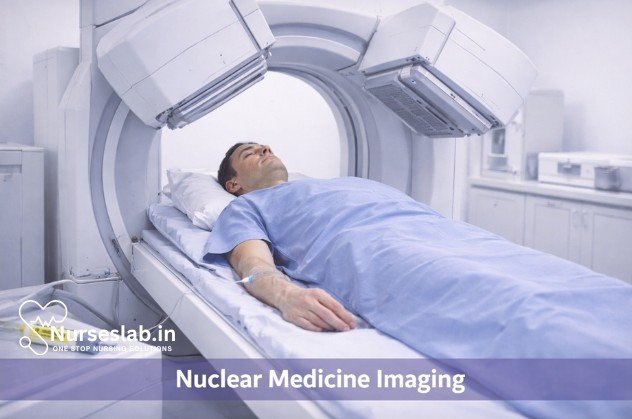
Nuclear medicine imaging uses small amounts of radioactive tracers to evaluate organ function, detect tumors, assess infection, and monitor metabolic activity. It provides functional insights that complement CT, MRI, and ultrasound for accurate diagnosis and treatment planning.
Introduction
Nuclear medicine imaging represents a cornerstone of modern diagnostic medicine, offering unique insights into physiological and molecular processes that are often inaccessible through conventional imaging modalities. Since its inception in the mid-20th century, nuclear medicine has evolved from rudimentary techniques to highly sophisticated procedures, driving significant advancements in the diagnosis, staging, and management of a wide range of diseases. Its significance lies not only in the ability to visualize anatomical structures but also in the capacity to assess functional and metabolic activity at the cellular level.
Principles of Nuclear Medicine Imaging
Radioactive Tracers
At the heart of nuclear medicine imaging lies the use of radioactive tracers—also known as radiopharmaceuticals. These are compounds labeled with radioactive isotopes that emit gamma rays or positrons as they decay. When introduced into the body, these tracers target specific organs, tissues, or cellular receptors, allowing for the visualization of physiological processes in real time. The choice of tracer depends on the clinical question, the organ system involved, and the type of imaging modality used. Commonly used isotopes include technetium-99m, fluorine-18, iodine-123, and gallium-68, each selected for their favorable decay characteristics and biological compatibility.
Imaging Technology
The detection and visualization of the emitted radiation are accomplished using specialized imaging devices. Gamma cameras capture the gamma rays emitted by the tracer, while positron emission tomography (PET) scanners detect pairs of photons produced by positron annihilation events. These devices convert the radiation signals into digital images, which are then reconstructed to provide detailed spatial and temporal information about tracer distribution within the body. Advancements in detector technology, image processing algorithms, and hybrid imaging systems have greatly enhanced the spatial resolution, sensitivity, and diagnostic accuracy of nuclear medicine procedures.
Physiological Basis
Unlike anatomical imaging techniques such as computed tomography (CT) or magnetic resonance imaging (MRI), nuclear medicine focuses on the functional aspects of organs and tissues. By following the biodistribution and kinetics of the radiotracer, clinicians can assess processes such as blood flow, glucose metabolism, receptor binding, and cellular proliferation. This functional approach enables the early detection of disease, monitoring of therapeutic response, and identification of molecular targets for personalized treatment.
Types of Nuclear Medicine Imaging Procedures
Planar Scintigraphy
Planar scintigraphy, or gamma camera imaging, is the foundational technique of nuclear medicine. After administration of a radiotracer, a gamma camera is positioned over the region of interest to acquire two-dimensional images. This method is widely used for bone scans, thyroid imaging, and renal scintigraphy. Its simplicity and versatility make it a valuable tool in routine clinical practice, although its spatial resolution is limited compared to tomographic techniques.
Single Photon Emission Computed Tomography (SPECT)
SPECT builds upon planar scintigraphy by acquiring multiple two-dimensional images from different angles around the patient. These projections are then reconstructed into three-dimensional datasets, providing greater anatomical detail and improved lesion localization. SPECT is particularly useful in cardiac perfusion imaging, brain studies, and musculoskeletal assessments. Technetium-99m-labeled agents are commonly used due to their optimal energy emission and short half-life.
Positron Emission Tomography (PET)
PET is a highly sensitive imaging modality that utilizes positron-emitting tracers, most notably fluorine-18-fluorodeoxyglucose (FDG). Upon decay, positrons interact with electrons, producing pairs of gamma photons that are detected by the PET scanner. PET provides quantitative information on metabolic activity, making it indispensable in oncology for tumor detection, staging, and monitoring. It also plays a critical role in neurology and cardiology for evaluating brain function and myocardial viability.
Hybrid Imaging: SPECT/CT and PET/CT
Hybrid imaging systems combine nuclear medicine techniques with anatomical imaging modalities such as CT or MRI. SPECT/CT and PET/CT integrate functional and structural information, enabling precise localization of abnormalities and improved diagnostic confidence. These systems are now standard in many clinical settings, offering comprehensive assessment in a single session. The fusion of functional and anatomical data has revolutionized the management of complex diseases, particularly in oncology and cardiology.
Common Clinical Applications
Oncology
Nuclear medicine imaging is a cornerstone of cancer diagnosis and management. PET/CT with FDG is widely used for the detection, staging, and restaging of a variety of malignancies, including lymphoma, lung cancer, colorectal cancer, and melanoma. It enables the identification of primary tumors, assessment of nodal and distant metastases, and evaluation of treatment response. SPECT and planar scintigraphy also play roles in the evaluation of bone metastases and neuroendocrine tumors using specific tracers.
Cardiology
Myocardial perfusion imaging with SPECT or PET is essential for the assessment of coronary artery disease, myocardial viability, and left ventricular function. Radiotracers such as technetium-99m-sestamibi and rubidium-82 enable the evaluation of blood flow and ischemia, guiding therapeutic decisions and risk stratification. Nuclear cardiology procedures are non-invasive and provide critical information that complements other diagnostic tests.
Neurology
Nuclear medicine offers unique tools for the evaluation of neurological disorders. FDG-PET is used to assess cerebral glucose metabolism in conditions such as epilepsy, dementia, and neurodegenerative diseases. Dopamine transporter imaging with SPECT assists in the differentiation of Parkinsonian syndromes. Amyloid and tau PET tracers are emerging as valuable biomarkers in Alzheimer’s disease research and diagnosis.
Musculoskeletal Imaging
Bone scintigraphy is a sensitive technique for detecting bone metastases, fractures, infections, and inflammatory conditions. By highlighting areas of increased osteoblastic activity, bone scans facilitate the early diagnosis of skeletal pathology and monitoring of therapeutic response. SPECT/CT further enhances the specificity and localization of musculoskeletal abnormalities.
Infection and Inflammation
Nuclear medicine plays a pivotal role in the detection and localization of infectious and inflammatory processes. Radiolabeled white blood cell scans, gallium-67 imaging, and FDG-PET are employed to evaluate fever of unknown origin, prosthetic joint infections, and inflammatory bowel disease. These techniques provide functional information that often precedes structural changes seen on conventional imaging.
Patient Preparation and Procedure Workflow
Pre-Procedure Instructions
Proper patient preparation is essential for the accuracy and safety of nuclear medicine imaging. Instructions vary depending on the type of study and the tracer used. Patients may be advised to fast for several hours, discontinue certain medications, or avoid strenuous activity prior to imaging. In some cases, hydration or specific dietary restrictions are required to optimize tracer uptake and reduce background activity.
Tracer Administration
Radiotracers are typically administered intravenously, but oral, inhalational, or intrathecal routes may also be used depending on the procedure. The dose is calculated based on the patient’s age, weight, and the clinical indication. After administration, an uptake period allows the tracer to localize in the target tissue. The duration of this period ranges from a few minutes to several hours, as dictated by the tracer’s pharmacokinetics.
Imaging Process
During imaging, the patient is positioned on the scanner table, and the relevant body region is aligned with the detector system. The patient must remain still to avoid motion artifacts and ensure optimal image quality. The duration of the scan varies from 15 minutes for routine studies to over an hour for complex or whole-body examinations. Real-time monitoring and communication with the technologist ensure patient comfort and cooperation.
Post-Procedure Care
After imaging, patients can usually resume normal activities unless contraindicated. They are advised to stay well hydrated to facilitate the excretion of residual radioactivity. Specific instructions may be given regarding contact with vulnerable individuals, such as children or pregnant women, for a limited period after certain procedures. Adverse reactions are rare but should be promptly reported and managed according to institutional protocols.
Safety Considerations and Risks
Radiation Exposure
The use of radioactive tracers in nuclear medicine inevitably involves exposure to ionizing radiation. However, the doses administered are carefully calculated to minimize risk while ensuring diagnostic efficacy. The effective dose varies by procedure but is generally comparable to or lower than that of diagnostic CT scans. Cumulative exposure should be considered, particularly in pediatric and vulnerable populations. Adherence to the “as low as reasonably achievable” (ALARA) principle underpins all aspects of radiation safety in nuclear medicine.
Contraindications
Absolute contraindications to nuclear medicine procedures are rare. Pregnancy and breastfeeding represent relative contraindications due to potential fetal or neonatal exposure; alternative imaging strategies should be considered when appropriate. Known hypersensitivity to specific radiopharmaceutical components may also preclude their use. Pre-procedure screening and risk assessment are essential to ensure patient safety.
Patient Safety Protocols
Robust safety protocols are implemented to protect patients, staff, and the environment from unnecessary radiation exposure. These include proper handling and disposal of radioactive materials, use of shielding, routine equipment calibration, and adherence to regulatory guidelines. Continuous training of personnel and patient education are integral to maintaining a safe clinical environment.
Nursing Care of Patients Undergoing Nuclear Medicine Imaging
The role of the nurse in managing patients undergoing nuclear medicine diagnostics is multifaceted, requiring in-depth knowledge, clinical skills, and compassionate care.
Pre-Procedure Nursing Care
Patient Assessment and Education
The nurse’s initial responsibility is to conduct a thorough assessment, including reviewing the patient’s medical history, allergies, current medications, and previous exposure to radioactive materials. Understanding the indication for the procedure and any potential contraindications is critical.
- Education: Nurses must provide clear explanations about the procedure, its purpose, and what to expect. Patients should be informed about the nature of the radiopharmaceuticals, possible sensations, and the duration of the imaging.
- Consent: Obtain informed consent, ensuring the patient understands the benefits and risks associated with nuclear medicine imaging.
- Addressing Anxiety: Address fears or misconceptions regarding radiation exposure. Reassure patients that the amount used is minimal and regulated for safety.
Preparation for the Procedure
- Fasting and Dietary Restrictions: Some procedures require the patient to fast or avoid certain foods. For example, cardiac perfusion studies may require fasting for several hours, while thyroid scans may necessitate avoidance of iodine-rich foods and medications.
- Medication Management: Review and adjust medications as required. Certain drugs may interfere with imaging results (e.g., thyroid medications, diuretics).
- Hydration: Encourage adequate hydration to facilitate renal clearance of the radiotracer post-procedure.
- Pregnancy and Breastfeeding: Screen for pregnancy and advise breastfeeding mothers on appropriate precautions, including temporary cessation if necessary.
Safety Precautions
- Radiation Protection: Follow institutional protocols for radiation safety. Ensure proper shielding and minimize exposure to staff and other patients.
- Personal Protective Equipment (PPE): Use gloves and other PPE when handling radiopharmaceuticals.
Intra-Procedure Nursing Care
Patient Monitoring and Support
During the procedure, the nurse’s role is to provide ongoing support and monitoring. Nuclear medicine procedures often require the patient to remain still for extended periods, which can be uncomfortable or anxiety-provoking.
- Positioning: Assist with positioning to maximize comfort and ensure optimal imaging results.
- Vital Signs: Monitor vital signs as indicated, especially in patients with underlying cardiac or respiratory conditions.
- Emotional Support: Offer reassurance and companionship, particularly for pediatric or anxious patients.
- Emergency Preparedness: Be prepared to manage adverse reactions, such as allergic responses to the radiotracer or contrast agents.
Radiopharmaceutical Administration
Nurses may be responsible for administering the radiopharmaceutical intravenously, orally, or via other routes, depending on the procedure.
- Verification: Confirm the correct radiotracer, dose, and route as per physician orders.
- Documentation: Record the time, dose, and route of administration meticulously.
- Observation: Monitor for immediate reactions, such as pain at the injection site, nausea, or hypersensitivity.
Infection Control
- Maintain aseptic technique during administration.
- Dispose of radioactive waste according to institutional guidelines.
Post-Procedure Nursing Care
Monitoring and Follow-Up
After the procedure, nurses remain vigilant for delayed reactions and provide instructions for post-imaging care.
- Vital Signs and Observation: Continue monitoring for any adverse effects, such as allergic reactions or changes in vital parameters.
- Hydration: Encourage fluid intake to assist in the excretion of residual radiotracers.
- Radiation Safety: Advise patients to maintain minimal contact with pregnant women and young children for a specified period, if recommended.
Patient Education and Discharge Instructions
- Activity: Inform patients when they can resume normal activities.
- Side Effects: Educate about possible mild side effects, such as headache or fatigue, and instruct on when to seek medical attention.
- Follow-Up: Provide guidance regarding follow-up appointments and the communication of results.
Special Considerations
- Breastfeeding: Advise mothers about the recommended period to avoid breastfeeding post-procedure, depending on the radiotracer used.
- Pregnancy: Counsel women of childbearing age to report any suspicion of pregnancy prior to the procedure.
- Pediatric Patients: Offer age-appropriate explanations and support, involving caregivers throughout the process.
Interdisciplinary Collaboration
Effective nursing care in nuclear medicine imaging requires collaboration with radiologists, nuclear medicine technologists, and other healthcare professionals. Nurses act as a bridge between the patient and the diagnostic team, ensuring that all aspects of care are coordinated and that patient safety is prioritized.
Ethical and Legal Considerations
Nurses must adhere to ethical principles, including patient autonomy, privacy, and informed consent. Legal responsibilities include accurate documentation and compliance with radiation safety regulations. Regular training and continuing education are essential to maintain competency in this evolving field.
REFERENCES
- American Cancer Society. Nuclear Medicine Tests for Cancer ( https://www.cancer.org/cancer/diagnosis-staging/tests/imaging-tests/nuclear-medicine-scans-for-cancer.html. Last revised 8/25/2023.
- International Atomic Energy Agency. Radiation Protection of Patient During PET/CT Scanning. https://www.iaea.org/resources/rpop/health-professionals/nuclear-medicine/pet-ct/patients
- Mehndiratta, A., Anandaraj, P., Zechmann, C.M., Giesel, F.L. (2014). Nuclear Medicine: An Overview of Imaging Techniques, Clinical Applications and Trials. In: Miller, C., Krasnow, J., Schwartz, L. (eds) Medical Imaging in Clinical Trials. Springer, London. https://doi.org/10.1007/978-1-84882-710-3_14
- Radiological Society of North America. General Nuclear Medicine https://www.radiologyinfo.org/en/info/gennuclear . Last reviewed 9/30/2024.
- National Research Council (US) and Institute of Medicine (US) Committee on State of the Science of Nuclear Medicine. Advancing Nuclear Medicine Through Innovation. Washington (DC): National Academies Press (US); 2007. 3, Nuclear Medicine Imaging in Diagnosis and Treatment. Available from: https://www.ncbi.nlm.nih.gov/books/NBK11475/
- Society of Nuclear Medicine and Molecular Imaging. About Nuclear Medicine and Molecular Imaging https://snmmi.org/Web/About/About-Nuclear-Medicine-and-Medical-Imaging/.
Stories are the threads that bind us; through them, we understand each other, grow, and heal.
JOHN NOORD
Connect with “Nurses Lab Editorial Team”
I hope you found this information helpful. Do you have any questions or comments? Kindly write in comments section. Subscribe the Blog with your email so you can stay updated on upcoming events and the latest articles.


