


An Oral drug test screens saliva for recent drug use, detecting substances such as cannabis, cocaine, opioids, amphetamines, and more. It is widely used in workplace testing, clinical assessment, roadside screening, and legal or forensic evaluations.
Introduction
Drug testing is a critical component of modern healthcare, workplace safety, law enforcement, and sports. Among the various testing methods, the oral drug test, also known as the oral fluid or saliva drug test, has gained significant prominence due to its non-invasive nature, ease of administration, and rapid results.
What is an Oral Drug Test?
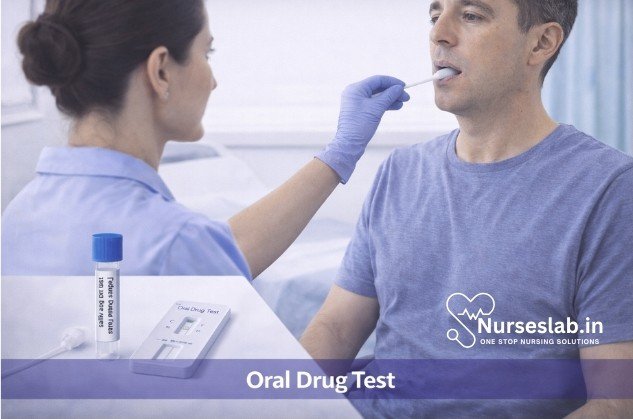
An oral drug test is a diagnostic procedure that detects the presence of drugs or their metabolites in a person’s saliva. Unlike blood or urine tests, which require invasive sampling or privacy concerns, oral drug tests are conducted by collecting a saliva sample from the mouth, typically using a swab or absorbent pad. The sample is then analysed for specific drugs, offering a quick and convenient means of screening for recent drug use.
Scientific Principles Underlying Oral Drug Testing
When drugs are consumed, they enter the bloodstream and are distributed throughout the body, including the oral cavity. Drugs and their metabolites can be secreted into saliva through passive diffusion or active transport from the blood. The concentration of drugs in saliva generally reflects the unbound fraction of the drug in the blood, which is pharmacologically active. This makes oral fluid a reliable matrix for detecting recent drug use, particularly for compounds such as cannabinoids, amphetamines, cocaine, opioids, and benzodiazepines.
Drugs Commonly Detected in Oral Fluid
- Cannabinoids (THC): The psychoactive component of cannabis, detectable for several hours after use.
- Amphetamines: Includes drugs like methamphetamine and MDMA (ecstasy), used recreationally or as stimulants.
- Cocaine: A powerful stimulant, detectable in saliva for up to two days post-consumption.
- Opiates: Such as heroin, morphine, and codeine, commonly abused for their euphoric effects.
- Benzodiazepines: Used medically for anxiety or insomnia, but often misused.
- Phencyclidine (PCP): A dissociative drug, though less common in India.
Procedure of Oral Drug Testing
- Preparation: The individual is asked not to eat, drink, smoke, or chew gum for at least 10–15 minutes before the test to avoid contamination.
- Sample Collection: A swab or absorbent pad is placed between the cheek and lower gum or under the tongue to collect saliva. The collection usually takes 1–3 minutes.
- Sample Handling: The swab is placed into a transport tube or directly into a testing device.
- Analysis: The sample is analysed either on-site using rapid test kits or sent to a laboratory for confirmatory testing using techniques such as immunoassay, gas chromatography-mass spectrometry (GC-MS), or liquid chromatography-tandem mass spectrometry (LC-MS/MS).
- Result Interpretation: On-site kits provide results within minutes, while laboratory analysis may take a few days. Positive results are usually confirmed with more specific methods to rule out false positives.
Advantages of Oral Drug Testing
- Non-Invasive and Convenient: No need for needles or private restroom facilities, making the process comfortable for both the tester and the individual.
- Observed Collection: Collection of saliva can be directly observed, reducing the risk of sample adulteration or substitution, which is a concern with urine testing.
- Rapid Results: Many oral fluid test kits provide results within 5–10 minutes, which is ideal for workplaces or roadside screening.
- Detection of Recent Use: Oral drug tests are particularly effective at detecting drugs used within the past 24–48 hours, making them suitable for identifying current impairment.
- Minimal Privacy Concerns: Unlike urine tests, there are fewer privacy issues since the sample can be collected in public settings.
Limitations of Oral Drug Testing
- Shorter Detection Window: Most drugs are detectable in saliva for a shorter period compared to urine or hair, limiting the test’s ability to detect past drug use.
- Lower Sensitivity for Certain Drugs: Some drugs, such as benzodiazepines or certain opiates, may be present at lower concentrations in saliva, increasing the risk of false negatives.
- Potential for Contamination: Food, beverages, or oral hygiene products may interfere with the accuracy of the test if the pre-test instructions are not followed.
- Limited Detection of Chronic Use: Oral fluid tests are less effective for identifying long-term or habitual drug use, as compared to hair testing.
Applications of Oral Drug Testing
1 Workplace Drug Testing
Oral drug testing is widely adopted in the workplace, especially in safety-sensitive industries such as transportation, construction, and manufacturing. Indian companies increasingly use these tests to ensure a drug-free environment, reduce accidents, and comply with occupational safety regulations. The ability to detect recent use is particularly valuable in preventing impaired workers from performing hazardous tasks.
2 Roadside Drug Testing
Law enforcement agencies use oral drug tests to identify drivers under the influence of drugs. In India, with rising concerns about road safety and accidents linked to substance abuse, the adoption of rapid oral fluid testing at checkpoints is gaining momentum. This approach enables immediate action against impaired driving, similar to the use of breathalysers for alcohol.
3 Clinical and Rehabilitation Settings
Healthcare providers and de-addiction centres use oral drug tests to monitor patients under treatment for substance use disorders. The test’s ease of use and real-time results support adherence monitoring and relapse prevention strategies.
4 Sports and Anti-Doping
Although urine and blood tests remain the gold standards in anti-doping programmes, oral drug tests are being explored for their potential to provide rapid, on-site screening during sports events. This can be particularly useful in junior or amateur competitions.
5 Criminal Justice and Legal Proceedings
Courts and probation officers may require oral drug testing to monitor compliance with legal orders, bail conditions, or parole agreements. The non-intrusive nature of the test makes it suitable for frequent and random screening.
Legal and Ethical Considerations
The use of oral drug testing in India is governed by a combination of international guidelines, national laws, and organisational policies. Key legal and ethical issues include:
- Informed Consent: Individuals should be informed about the purpose and process of the test, and consent should be obtained except where mandated by law (e.g., post-accident or pre-employment screening).
- Confidentiality: Test results must be handled with strict confidentiality, and only authorised personnel should have access to sensitive information.
- Right to Challenge Results: Individuals should have the opportunity to contest positive results, including confirmatory testing at an independent laboratory.
- Anti-Discrimination: Employers and authorities must ensure that drug testing policies do not discriminate based on protected attributes or target specific groups unfairly.
- Adherence to Guidelines: Organisations in India often refer to international standards such as those from the United Nations Office on Drugs and Crime (UNODC) or the World Health Organization (WHO), along with local regulations set by the Ministry of Labour and Employment or state health departments.
Interpretation of Results
A positive oral drug test indicates the presence of a drug or its metabolite above a defined threshold (cut-off) in the saliva sample. However, a positive result does not necessarily confirm impairment or addiction; it only confirms recent exposure. Confirmatory testing using GC-MS or LC-MS/MS is essential to rule out false positives from prescription medications or cross-reacting substances. Negative results generally indicate no recent use, but may not exclude earlier use or chronic exposure.
Challenges and Future Directions
1 Technical Challenges
- Some drugs have poor oral fluid-to-blood ratios, complicating detection.
- Rapid test kits may have variable sensitivity and specificity, especially for poly-drug use.
- Standardisation of collection devices and analytical protocols is still evolving.
2 Societal and Cultural Barriers in India
- Stigma associated with drug testing may deter individuals from seeking help for substance use disorders.
- Lack of awareness about the science and purpose of drug testing can lead to mistrust or resistance.
- Variations in state-level regulations and enforcement can create inconsistencies in application.
3 Innovations and Future Trends
- Development of highly sensitive and specific point-of-care devices.
- Integration with digital health records and real-time reporting for better monitoring.
- Expansion of drug panels to include emerging psychoactive substances, prescription medications, and designer drugs.
- Research into oral fluid biomarkers for chronic use and impairment assessment.
Best Practices for Implementing Oral Drug Testing
- Establish Clear Policies: Organisations should draft clear, transparent drug testing policies that comply with Indian laws and international guidelines.
- Training and Education: Staff responsible for sample collection and interpretation should be adequately trained.
- Quality Assurance: Use only validated test kits and laboratory services with appropriate certifications (e.g., NABL accreditation in India).
- Employee Support: Offer counselling and support for individuals who test positive, focusing on rehabilitation rather than punitive measures.
- Regular Review: Policies and procedures should be periodically reviewed and updated to reflect advances in technology and changes in legal requirements.
Nursing Care of the Patient Undergoing Oral Drug Testing
Nurses play a pivotal role in ensuring the accuracy of the test, maintaining patient safety and dignity, and providing emotional support throughout the process.
Pre-Procedure Nursing Care
1. Patient Assessment
Begin by reviewing the patient’s medical history, including any current medications, known allergies, and history of substance use. Assess the patient’s understanding of the procedure and identify any factors that may impact the test’s accuracy, such as recent food or drink intake, oral diseases, or mouth injuries.
2. Preparation and Consent
- Explain the purpose, process, and significance of the oral drug test to the patient, ensuring clarity and addressing any concerns.
- Obtain informed consent as per institutional policy, ensuring the patient’s autonomy and understanding of their rights.
- Advise the patient to avoid eating, drinking, smoking, chewing gum, or using oral hygiene products at least 10–30 minutes before the sample collection, as these can affect test results.
- Verify patient identity using at least two identifiers (e.g., name and date of birth) to prevent specimen mix-ups.
- Prepare all necessary equipment, such as gloves, sterile collection devices, and specimen containers.
3. Emotional Support
Anxiety and apprehension are common, especially if the test has legal or occupational implications. Provide reassurance, maintain a non-judgmental attitude, and respect patient privacy and dignity at all times.
Intra-Procedure Nursing Care
1. Infection Control and Safety
- Perform hand hygiene and don appropriate personal protective equipment (PPE) such as gloves.
- Ensure a clean, well-lit, and private environment for sample collection.
2. Collection of Oral Fluid Sample
- Ask the patient to sit comfortably and tilt their head slightly forward.
- Open the sterile collection device without contaminating the swab.
- Instruct the patient to open their mouth and, if possible, refrain from talking or swallowing during the procedure.
- Gently swab the inside of the cheek, under the tongue, and along the gum line for the recommended duration (usually 2–5 minutes or as per manufacturer’s instructions).
- Ensure an adequate volume of oral fluid is collected, indicated by a color change or a fill line on the device.
- Carefully place the swab in the designated container and seal it immediately to prevent contamination.
- Label the specimen accurately with patient details, date, and time of collection.
3. Observation and Communication
Monitor the patient for any signs of discomfort, gag reflex, or distress during the procedure. Communicate each step clearly to the patient, maintaining a calm and supportive demeanor.
Post-Procedure Nursing Care
1. Specimen Handling and Documentation
- Ensure proper labeling and documentation of the specimen, including chain-of-custody forms if required for legal purposes.
- Store and transport the specimen according to protocol, maintaining the integrity of the sample.
- Document the procedure in the patient’s records, noting any deviations or complications encountered.
2. Patient Monitoring
- Assess the patient for any immediate adverse reactions, such as oral discomfort or emotional distress.
- Provide oral hygiene instructions if required, especially if the patient expresses discomfort.
3. Patient Education and Follow-Up
- Inform the patient about when and how they will receive test results.
- Discuss the implications of the results, while emphasizing confidentiality and the importance of honest communication.
- Offer resources for counseling or support if drug misuse is identified.
Special Considerations in Nursing Care
1. Pediatric and Geriatric Patients
Children and elderly patients may require additional support and patience. Use age-appropriate language, involve caregivers as needed, and adapt the procedure to accommodate physical or cognitive limitations.
2. Patients with Special Needs
For patients with disabilities, mental health conditions, or language barriers, provide tailored support. Use visual aids, interpreters, or alternative communication methods to ensure understanding and cooperation.
3. Legal and Ethical Issues
- Respect patient confidentiality at all times. Share results only with authorized personnel.
- Be aware of local laws and institutional policies regarding mandatory reporting and consent requirements.
- Maintain a non-judgmental approach, recognizing the potential for stigma associated with drug testing.
Challenges and Solutions in Oral Drug Testing
- Insufficient Sample Collection: Encourage the patient to relax and stimulate saliva production by thinking of sour foods or gently massaging the cheeks if permitted.
- False Positives/Negatives: Ensure adherence to pre-test instructions and accurate documentation of any medications or substances that could interfere with results.
- Patient Non-Compliance: Build rapport, explain the necessity and benefits of the test, and address any misconceptions or fears.
Role of the Nurse in Multidisciplinary Care
Nurses collaborate with physicians, laboratory technicians, social workers, and counselors to provide holistic care. Their responsibilities include advocacy, coordination of care, and ensuring the patient’s rights and well-being are prioritized throughout the drug testing process.
REFERENCES
- Casolin A. Comparison of Urine and Oral Fluid for Workplace Drug Testing (https://pmc.ncbi.nlm.nih.gov/articles/PMC4986628/). J Anal Toxicol. 2016 Sep;40(7):479-85.
- Desrosiers NA, Huestis MA. Oral Fluid Drug Testing: Analytical Approaches, Issues and Interpretation of Results (https://pubmed.ncbi.nlm.nih.gov/31263897/). J Anal Toxicol. 2019;43(6):415-443.
- Dziurkowska E, Wesolowski M. Effects of age, drug dose, and sampling time on salivary levels of olanzapine, quetiapine, and their metabolites. J Clin Med. 2020 Oct;9(10):3288. doi:10.3390/jcm9103288
- Hadland SE, Levy S. Objective Testing: Urine and Other Drug Tests (https://pmc.ncbi.nlm.nih.gov/articles/PMC4920965/). Child Adolesc Psychiatr Clin N Am. 2016 Jul;25(3):549-65.
- Khazanov GK, Ingram E, Lynch K, Trim R, McKay J, Oslin DW. Validity and reliability of in-person and remote oral fluids drug testing compared to urine drug testing https://pubmed.ncbi.nlm.nih.gov/37429052/ . Drug Alcohol Depend. 2023;250:110876.
- McNeil SE, Chen RJ, Cogburn M. Drug Testing (https://www.ncbi.nlm.nih.gov/books/NBK459334/). 2023 Jul 29. In: StatPearls [Internet]. Treasure Island (FL): StatPearls Publishing; 2025 Jan-.
- Beirness, D. J., & Smith, D. R. (2016). An assessment of oral fluid drug screening devices. Canadian Society of Forensic Science Journal, 50(2), 55–63. doi:10.1080/00085030.2017.1258212
- Scherer JN, Fiorentin TR, Borille BT, et al. Reliability of point-of-collection testing devices for drugs of abuse in oral fluid: A systematic review and meta-analysis. J Pharm Biomed Anal. 2017;143:77-85.
- Substance Abuse and Mental Health Services. Department of Health and Human Services (U.S.). Oral Fluid Specimen Collection Handbook for Federal Agency Workplace Drug Testing Programs https://www.samhsa.gov/sites/default/files/oral-fluid-collection-handbook-2024.pdf). Effective 10/10/2023.
Stories are the threads that bind us; through them, we understand each other, grow, and heal.
JOHN NOORD
Connect with “Nurses Lab Editorial Team”
I hope you found this information helpful. Do you have any questions or comments? Kindly write in comments section. Subscribe the Blog with your email so you can stay updated on upcoming events and the latest articles.


