


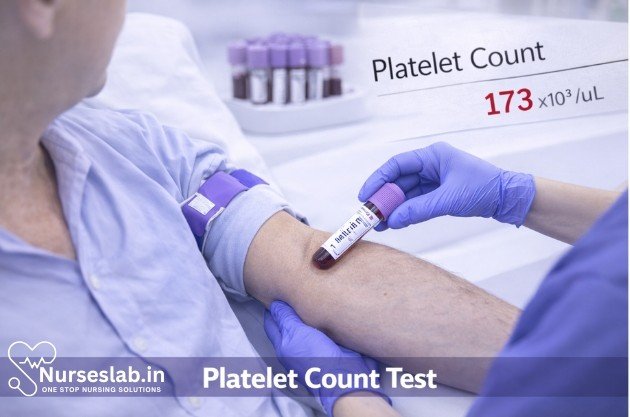
A platelet count evaluates the number of platelets in the blood to assess clotting function and identify conditions such as thrombocytopenia, thrombocytosis, bleeding disorders, infections, and bone‑marrow disease. It is a key component of the complete blood count (CBC).
Introduction
The platelet count diagnostic test is a cornerstone of hematological assessment, providing critical information about a patient’s ability to maintain hemostasis and revealing underlying pathological processes. Platelets, or thrombocytes, are small, anucleate cell fragments derived from megakaryocytes in the bone marrow. Their primary function is to contribute to blood clotting, but they also play roles in inflammation, tissue repair, and immunity. Accurate measurement of platelet count is essential for the diagnosis and management of bleeding disorders, thrombosis, and a wide range of systemic diseases.
Physiology of Platelets
Platelets circulate in the peripheral blood with a typical lifespan of 7–10 days. They are pivotal in primary hemostasis, forming the initial plug at sites of vascular injury and facilitating secondary coagulation processes. Platelets also interact with leukocytes and endothelial cells, modulating inflammatory responses and participating in tissue regeneration. The bone marrow regulates platelet production through thrombopoietin, a hormone primarily synthesized by the liver and kidneys. Normal platelet function is essential for preventing excessive bleeding and ensuring appropriate clot formation.
Indications for Platelet Count Testing
Platelet count testing is ordered in a variety of clinical scenarios, including:
- Evaluation of unexplained bleeding or bruising
- Preoperative assessment
- Monitoring patients with known hematological disorders
- Assessment of bone marrow function
- Diagnosis and management of thrombocytopenia and thrombocytosis
- Surveillance in patients receiving chemotherapy, radiation therapy, or immunosuppressive agents
- Investigation of systemic diseases such as infections, autoimmune disorders, and malignancies
The test is frequently included in routine complete blood count (CBC) panels, making it one of the most commonly performed laboratory investigations in clinical practice.
Methodology: Sample Collection and Laboratory Techniques
Platelet count is typically measured using peripheral venous blood collected into tubes containing ethylenediaminetetraacetic acid (EDTA) as an anticoagulant. Proper sample collection is vital to prevent platelet clumping and ensure accurate results. Laboratory techniques for platelet counting have evolved significantly and now rely primarily on automated hematology analyzers. These instruments use principles such as impedance (Coulter principle) and flow cytometry to distinguish platelets from other blood components based on size and granularity.
Manual counting using phase-contrast microscopy and hemocytometers may be employed in cases of severe thrombocytopenia or when automated results are flagged for possible error. Additional methods, such as fluorescent labeling and immunological assays, can provide further insight into platelet function and activation status, but are not routinely used for standard counts.
Normal Values and Variations
The normal adult platelet count ranges from 150 × 109/L to 400 × 109/L, though reference intervals may vary slightly between laboratories due to methodological differences and population demographics. Children, neonates, and elderly individuals may exhibit physiological variations in platelet counts. For example, neonates often have lower platelet counts, while certain ethnic groups may display benign ethnic thrombocytopenia. Sex-based differences are generally minimal, but pregnancy can cause mild, transient reductions in platelet count due to hemodilution and increased consumption.
| Age Group | Reference Range (× 10<sup>9</sup>/L) |
| Neonate | 150–300 |
| Child | 150–400 |
| Adult | 150–400 |
| Elderly | 135–370 |
Interpretation of Results: Clinical Significance of High and Low Counts
Abnormal platelet counts can indicate a broad spectrum of clinical conditions, ranging from benign to life-threatening. Interpretation must be contextualized within the patient’s clinical presentation and other laboratory findings.
Thrombocytopenia (Low Platelet Count)
Defined as a platelet count below 150 × 109/L, thrombocytopenia may be asymptomatic or associated with increased bleeding risk depending on severity. Counts below 50 × 109/L typically warrant concern, while levels below 20 × 109/L pose a significant risk for spontaneous hemorrhage.
Thrombocytosis (High Platelet Count)
A count above 400 × 109/L is termed thrombocytosis, which may be reactive (secondary) or primary (essential). Extremely elevated counts (>1,000 × 109/L) can increase the risk of thrombosis and, paradoxically, bleeding due to acquired von Willebrand syndrome.
Causes of Thrombocytopenia
Thrombocytopenia can result from decreased production, increased destruction, or sequestration of platelets. Common causes include:
- Bone Marrow Failure: Aplastic anemia, leukemia, myelodysplastic syndromes
- Immune-Mediated Destruction: Immune thrombocytopenic purpura (ITP), drug-induced thrombocytopenia, post-transfusion purpura
- Consumption: Disseminated intravascular coagulation (DIC), thrombotic thrombocytopenic purpura (TTP), hemolytic uremic syndrome (HUS)
- Sequestration: Hypersplenism due to liver disease or splenic enlargement
- Infections: Viral illnesses (e.g., HIV, hepatitis C, Epstein-Barr virus)
- Medications: Chemotherapy, antibiotics, antiepileptics, heparin (heparin-induced thrombocytopenia)
Rare causes include congenital thrombocytopenias (e.g., Wiskott-Aldrich syndrome, Bernard-Soulier syndrome) and inherited bone marrow failure syndromes.
Causes of Thrombocytosis
Thrombocytosis is categorized as reactive (secondary) or primary (clonal). Reactive thrombocytosis arises from:
- Acute or chronic inflammation (e.g., infection, autoimmune disease)
- Tissue injury (e.g., trauma, surgery)
- Iron deficiency anemia
- Malignancy
- Post-splenectomy status
Primary thrombocytosis is most commonly due to myeloproliferative neoplasms such as essential thrombocythemia, polycythemia vera, or chronic myeloid leukemia. These conditions involve clonal proliferation of megakaryocytes and require further diagnostic workup including bone marrow biopsy and molecular testing.
Clinical Implications
Platelet count results guide critical clinical decisions. In thrombocytopenic patients, identifying the underlying cause determines management: immune-mediated destruction may require corticosteroids, intravenous immunoglobulin, or splenectomy, whereas bone marrow failure demands supportive care and potentially stem cell transplantation. Patients with severe thrombocytopenia may require platelet transfusions, particularly before invasive procedures or in the presence of active bleeding.
For thrombocytosis, distinguishing between reactive and clonal causes is essential. Reactive cases often resolve with treatment of the underlying disorder, while clonal thrombocytosis may necessitate cytoreductive therapy, antiplatelet agents, and long-term hematological follow-up. Platelet counts also serve as key indicators during chemotherapy, guiding dose adjustments and predicting bleeding risk.
Monitoring platelet counts is crucial in patients with chronic liver disease, autoimmune conditions, and those on medications known to affect platelet production or survival. The test is also integral to the evaluation of unexplained fever, splenomegaly, or systemic symptoms suggestive of hematological malignancy.
Limitations and Interferences
Several factors can interfere with platelet count accuracy:
- Pseudothrombocytopenia: In vitro platelet clumping due to EDTA or cold agglutinins, leading to falsely low counts
- Large Platelets: Giant platelets may be misclassified by automated analyzers, underestimating counts
- Platelet Satellitism: Platelets adhering to leukocytes can cause erroneous results
- Sample Handling: Delayed processing, hemolysis, or improper anticoagulation can affect results
- Instrument Calibration: Variations between analyzers and laboratory protocols
Manual review of peripheral blood smears is recommended when automated counts are flagged or when results are inconsistent with clinical findings.
Nursing Care of the Patient Undergoing Platelet Count Testing Procedure
Nurses play a pivotal role in the safe and effective management of patients undergoing platelet count testing. Their responsibilities encompass patient education, preparation, specimen collection, monitoring, and interpretation of results as part of an interdisciplinary team.
Nursing Responsibilities Before Platelet Count Testing
1. Patient Assessment
A thorough assessment includes:
- Reviewing the patient’s medical and surgical history, especially bleeding or clotting disorders, recent surgeries, or ongoing therapies affecting bone marrow.
- Obtaining a list of current medications, including over-the-counter drugs, herbal supplements, and anticoagulants (e.g., aspirin, warfarin, clopidogrel).
- Evaluating for signs of bleeding (e.g., petechiae, ecchymosis, gum bleeding, hematuria) or thrombotic events (e.g., swelling, pain, redness in limbs).
- Assessing for allergies, especially to latex or antiseptics.
- Checking for previous reactions to venipuncture or fear/anxiety related to needles and blood draws.
2. Patient Education and Psychological Support
Effective communication is key:
- Explain the purpose of the platelet count test in language appropriate for the patient’s age, literacy, and cultural background.
- Describe the procedure, including sensations to expect (e.g., a slight prick or pressure during venipuncture).
- Address any concerns or misconceptions, providing reassurance and support to reduce anxiety.
- Instruct the patient regarding any necessary preparations, such as fasting if required (generally not necessary for platelet count alone, but may be part of broader blood work).
- Emphasize the importance of reporting unusual bleeding or bruising before the test.
3. Preparation for the Procedure
- Ensure written informed consent is obtained if required by institutional policy.
- Verify patient identity using at least two identifiers (e.g., name and date of birth).
- Gather necessary equipment: gloves, tourniquet, antiseptic swabs, sterile needles, appropriate blood collection tubes (usually EDTA for platelet count), labels, and sharps disposal containers.
- Prepare the blood collection site, typically the antecubital fossa, by cleaning with antiseptic solution.
- Ensure the patient is comfortably positioned, with the arm extended and supported.
- Practice hand hygiene and don gloves before the procedure.
Nursing Care During Platelet Count Blood Collection
1. Aseptic Technique and Infection Control
Adherence to strict aseptic technique minimizes the risk of infection:
- Use sterile equipment and avoid contamination of collection sites and samples.
- Limit tourniquet time to prevent hemoconcentration and erroneous results.
2. Venipuncture Procedure
- Apply the tourniquet above the intended puncture site to engorge the vein.
- Palpate to select a suitable vein.
- Insert the needle smoothly to minimize discomfort and reduce the risk of hemolysis or platelet clumping, which can affect test accuracy.
- Collect the required volume of blood into the appropriate tube, ensuring gentle mixing to prevent clotting.
- Release the tourniquet before withdrawing the needle.
- Apply gentle pressure to the puncture site post-procedure to prevent bleeding or hematoma formation.
3. Specimen Handling and Labeling
- Label the blood sample immediately at the bedside with patient details, date, and time of collection.
- Ensure proper mixing of the sample by gently inverting the tube (do not shake vigorously as this may cause platelet destruction).
- Send the specimen promptly to the laboratory to avoid sample degradation and inaccurate results.
- Document the procedure, any difficulties encountered, and the patient’s response in the medical record.
Post-Procedure Nursing Care
1. Monitoring and Immediate Aftercare
- Observe the puncture site for bleeding, hematoma, or signs of infection.
- Advise the patient to keep the site clean and dry, and to report any swelling, redness, or persistent pain.
- Monitor vital signs if indicated, particularly in patients with bleeding tendencies or low platelet counts.
- Assess the patient for dizziness, fainting, or other adverse reactions post-venipuncture, especially in children, elderly, or anxious individuals.
2. Ongoing Assessment and Documentation
- Record the time, site, and type of procedure, as well as the patient’s tolerance and any complications.
- Document communication with the patient regarding post-procedure care and follow-up.
- Communicate any abnormal findings or patient complaints to the physician or appropriate healthcare provider.
3. Patient Education Post-Procedure
- Instruct the patient to avoid strenuous activity with the affected arm for several hours.
- Inform the patient about potential signs of complications (e.g., excessive bleeding, bruising, or infection) and when to seek medical attention.
- Explain how and when they will receive their test results, and the significance of follow-up appointments or additional testing if required.
Special Considerations in Platelet Count Testing
1. Pediatric and Geriatric Patients
- Children may require additional psychological support or distraction techniques.
- Use smaller gauge needles and minimal blood volumes for pediatric and frail elderly patients.
- Monitor more closely for hematoma or bleeding post-procedure in these populations.
2. Patients with Bleeding Disorders or Low Platelet Counts
- Apply prolonged pressure to the puncture site to ensure hemostasis.
- Use the smallest gauge needle possible to minimize tissue trauma.
- Consider alternate sites or capillary blood collection if venipuncture is not feasible.
- Be vigilant for delayed bleeding or hematoma formation, especially in those with platelet counts <50,000/µL.
3. Patients on Anticoagulant or Antiplatelet Therapy
- Review medication history for drugs that may increase bleeding risk.
- Coordinate with the physician regarding the timing of blood draws relative to medication dosing, if necessary.
- Educate patients about the importance of reporting any new or worsening bleeding symptoms.
Interpretation of Platelet Count Results: Nursing Implications
Normal platelet counts in adults typically range from 150,000 to 400,000 per microliter of blood. Deviations from the normal range can have significant clinical implications:
- Thrombocytopenia (Low Platelet Count): May be due to bone marrow failure, increased destruction (e.g., immune thrombocytopenia, drug-induced), or sequestration (e.g., splenomegaly). Associated with increased bleeding risk.
- Thrombocytosis (High Platelet Count): May result from reactive processes (e.g., inflammation, infection, iron deficiency) or myeloproliferative disorders. Can increase the risk of thrombosis.
Nurses must recognize abnormal results, initiate appropriate interventions (e.g., bleeding precautions for thrombocytopenia), and communicate findings promptly to the healthcare team.
Complications and Nursing Interventions
1. Hematoma Formation
- Apply firm pressure to the site after needle removal.
- Elevate the limb if swelling occurs.
- Monitor for expanding hematoma and report as necessary.
2. Infection
- Maintain strict aseptic technique during blood collection.
- Educate the patient on signs of infection and when to seek help.
3. Syncope or Vasovagal Reactions
- Position the patient comfortably, preferably sitting or lying down.
- Monitor for symptoms such as lightheadedness, pallor, or sweating.
- Provide reassurance and assist as needed if fainting occurs.
Ethical and Legal Considerations
- Ensure informed consent is obtained where required.
- Respect patient privacy and confidentiality at all times.
- Document all aspects of care accurately and promptly.
REFERENCES
- Hemophilia of Georgia. Understanding How Blood Works https://www.hog.org/handbook/section/1/understanding-how-blood-works. The Hemophilia, von Willebrand Disease & Platelet Disorders Handbook.
- Jones CI. Platelet function and ageing https://www.ncbi.nlm.nih.gov/pmc/articles/PMC4935731/ . Mamm Genome. 2016;27(7-8):358-366.
- Ioannis A Voutsadakis. Thrombocytosis as a prognostic marker in gastrointestinal cancers. World J Gastrointest Oncol. 2014 Feb 15; 6(2): 34–40.
- Merck Manuals. High Platelet Count https://www.merckmanuals.com/home/quick-facts-blood-disorders/myeloproliferative-disorders/high-platelet-count. Reviewed/revised May 2024.
- Merck Manuals. Laboratory Tests for Blood Disorders https://www.merckmanuals.com/home/blood-disorders/symptoms-and-diagnosis-of-blood-disorders/laboratory-tests-for-blood-disorders). Reviewed/revised Sep 2023.
- Stiff PJ. Platelets. In: Walker HK, Hall WD, Hurst JW, eds. Clinical Methods: The History, Physical, and Laboratory Examinations https://www.ncbi.nlm.nih.gov/books/NBK262/). 3rd edition. Boston: Butterworths; 1990. Chapter 154.
Stories are the threads that bind us; through them, we understand each other, grow, and heal.
JOHN NOORD
Connect with “Nurses Lab Editorial Team”
I hope you found this information helpful. Do you have any questions or comments? Kindly write in comments section. Subscribe the Blog with your email so you can stay updated on upcoming events and the latest articles.


