


AIDS-defining illnesses are conditions that indicate severe immune suppression in HIV patients. They include opportunistic infections like tuberculosis, candidiasis, and pneumocystis pneumonia, as well as cancers such as Kaposi’s sarcoma and cervical cancer.
Introduction
Acquired Immunodeficiency Syndrome (AIDS) remains a pivotal concern in global health, particularly due to its profound impact on morbidity and mortality among individuals living with Human Immunodeficiency Virus (HIV). While the advent of antiretroviral therapy (ART) has transformed the clinical landscape for HIV-positive patients, AIDS-defining illnesses continue to pose significant challenges in both diagnosis and management. These conditions not only mark the progression from HIV infection to AIDS but also contribute to the complexity of care for affected individuals.
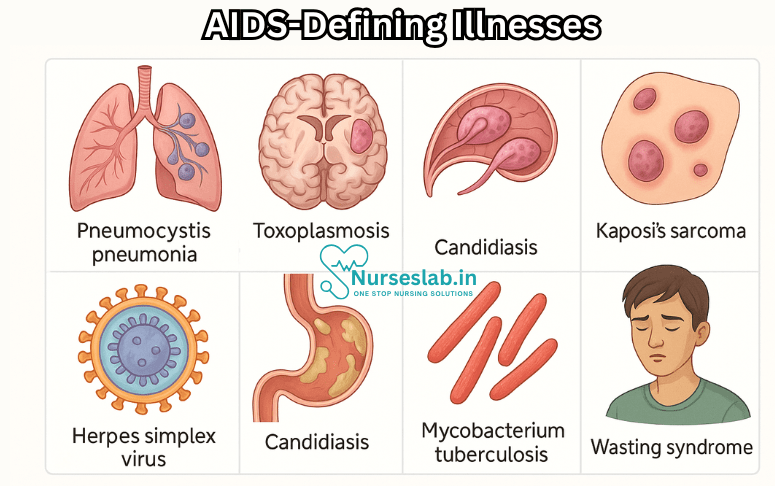
Definition and Criteria of AIDS-Defining Illnesses
AIDS-defining illnesses are a group of diseases and conditions that signify severe immunosuppression in HIV-infected individuals, typically when CD4+ T-lymphocyte counts fall below 200 cells/mm³ or when specific illnesses are present, regardless of CD4 count. The United States Centers for Disease Control and Prevention (CDC) established formal criteria for AIDS diagnosis in 1993, which remains widely adopted internationally. According to the CDC, an HIV-positive individual is diagnosed with AIDS if they present with any of the following:
- CD4+ T-cell count below 200 cells/mm³
- CD4+ percentage of total lymphocytes below 14%
- Presence of at least one AIDS-defining condition, regardless of CD4 count
AIDS-defining illnesses include specific opportunistic infections, malignancies, and other conditions that signal advanced immunodeficiency.
Classification of AIDS-Defining Illnesses
The spectrum of AIDS-defining illnesses can be categorised based on the CDC criteria and clinical presentation into three major groups:
- Opportunistic Infections: Diseases caused by pathogens that rarely affect immunocompetent individuals but become prevalent in those with compromised immunity.
- Malignancies: Certain cancers that have a higher incidence in HIV-infected individuals due to immune dysregulation.
- Other AIDS-Defining Conditions: Includes specific syndromes and recurrent infections that indicate advanced HIV disease.
Opportunistic Infections
Opportunistic infections are the most common AIDS-defining illnesses. They occur as a result of the host’s impaired immune response, allowing normally innocuous organisms to proliferate and cause severe disease. Key opportunistic infections include:
Tuberculosis (TB)
- Etiology and Pathogenesis: Caused by Mycobacterium tuberculosis, TB can present as pulmonary or extrapulmonary disease. HIV infection increases the risk of reactivation and dissemination.
- Clinical Presentation: Symptoms include chronic cough, haemoptysis, fever, night sweats, weight loss, and lymphadenopathy. Extrapulmonary TB may involve the central nervous system, lymph nodes, or gastrointestinal tract.
- Diagnosis: Chest radiography, sputum microscopy, nucleic acid amplification tests, and culture are essential. HIV-positive patients may have atypical radiographic findings.
- Management: Standard anti-tuberculous therapy is employed, with careful adjustment for drug interactions with ART. Directly observed therapy (DOT) is recommended.
- Prognosis: Early diagnosis and treatment improve outcomes, though co-infection with HIV increases mortality risk.
Pneumocystis Pneumonia (PCP)
- Etiology and Pathogenesis: Caused by Pneumocystis jirovecii, PCP is a leading cause of morbidity in AIDS patients.
- Clinical Presentation: Presents with progressive dyspnoea, non-productive cough, fever, and hypoxaemia. Physical findings may be minimal despite severe hypoxia.
- Diagnosis: Chest X-ray typically shows bilateral interstitial infiltrates. Definitive diagnosis requires identification of organisms in induced sputum or bronchoalveolar lavage.
- Management: High-dose trimethoprim-sulfamethoxazole is first-line treatment. Adjunctive corticosteroids are indicated for moderate to severe disease.
- Prognosis: Prognosis has improved with early intervention, though delayed diagnosis may result in respiratory failure.
Candidiasis
- Etiology and Pathogenesis: Caused by Candida species, particularly Candida albicans, affecting mucosal surfaces (oral, oesophageal, or genital).
- Clinical Presentation: Oral candidiasis presents as white plaques on the tongue and oral mucosa; oesophageal involvement causes dysphagia and retrosternal pain.
- Diagnosis: Clinical examination is usually sufficient; endoscopy may confirm oesophageal involvement.
- Management: Topical antifungals for mild cases; systemic therapy (fluconazole) for oesophageal or severe mucosal disease.
- Prognosis: Generally favourable with treatment; recurrence is common unless immune reconstitution is achieved.
Toxoplasmosis
- Etiology and Pathogenesis: Caused by Toxoplasma gondii, often presenting as cerebral toxoplasmosis in AIDS patients.
- Clinical Presentation: Manifestations include headache, confusion, focal neurological deficits, seizures, and fever.
- Diagnosis: Brain imaging (CT/MRI) reveals ring-enhancing lesions; serology and PCR may aid diagnosis.
- Management: Pyrimethamine, sulfadiazine, and leucovorin are standard therapy; maintenance therapy prevents relapse.
- Prognosis: Prognosis depends on early recognition and treatment; delayed therapy may result in irreversible neurological damage.
Cryptococcosis
- Etiology and Pathogenesis: Caused by Cryptococcus neoformans, often presenting as meningoencephalitis.
- Clinical Presentation: Symptoms include headache, fever, neck stiffness, altered mental status, and photophobia.
- Diagnosis: Lumbar puncture with India ink staining, cryptococcal antigen testing, and fungal culture confirm diagnosis.
- Management: Induction therapy with amphotericin B and flucytosine, followed by consolidation with fluconazole.
- Prognosis: High mortality without prompt treatment; long-term antifungal therapy required to prevent relapse.
Cytomegalovirus (CMV) Infection
- Etiology and Pathogenesis: CMV causes retinitis, colitis, oesophagitis, and neurological disease in immunocompromised hosts.
- Clinical Presentation: CMV retinitis presents with visual disturbances and may progress to blindness; gastrointestinal involvement causes abdominal pain and diarrhoea.
- Diagnosis: Ophthalmological examination, PCR, and tissue biopsy are diagnostic.
- Management: Ganciclovir or foscarnet are first-line therapies; maintenance therapy is often necessary.
- Prognosis: Visual loss may be irreversible; early intervention is critical.
Mycobacterium Avium Complex (MAC)
- Etiology and Pathogenesis: MAC includes Mycobacterium avium and Mycobacterium intracellulare, causing disseminated infection in advanced HIV.
- Clinical Presentation: Presents with fever, night sweats, weight loss, fatigue, and lymphadenopathy.
- Diagnosis: Blood cultures, bone marrow biopsy, and PCR are utilised.
- Management: Combination therapy with macrolides (clarithromycin or azithromycin) and ethambutol; rifabutin may be added.
- Prognosis: Mortality is high without ART; combination therapy and immune reconstitution improve outcomes.
AIDS-Related Malignancies
Malignancies are a significant subset of AIDS-defining illnesses, reflecting the impact of immune dysregulation and oncogenic viruses in HIV-infected individuals.
Kaposi’s Sarcoma
- Etiology and Pathogenesis: Associated with Human Herpesvirus 8 (HHV-8), Kaposi’s sarcoma presents as vascular tumours involving skin, mucosa, and visceral organs.
- Clinical Presentation: Purple or brown patches, plaques, or nodules on the skin; oral and gastrointestinal involvement may occur.
- Diagnosis: Clinical examination and biopsy confirm diagnosis; imaging assesses visceral disease.
- Management: ART is the cornerstone; local therapy (surgery, radiotherapy) and systemic chemotherapy for advanced disease.
- Prognosis: ART improves outcomes, though advanced disease may be refractory to treatment.
Non-Hodgkin Lymphoma (NHL)
- Etiology and Pathogenesis: HIV increases the risk of aggressive B-cell lymphomas, including primary central nervous system lymphoma.
- Clinical Presentation: Symptoms vary by site; may include lymphadenopathy, fever, night sweats, weight loss, neurological deficits.
- Diagnosis: Biopsy, immunophenotyping, and imaging are essential; lumbar puncture for CNS involvement.
- Management: Combination chemotherapy, CNS prophylaxis, and ART.
- Prognosis: Prognosis depends on stage and response to therapy; ART has improved survival rates.
Cervical Cancer
- Etiology and Pathogenesis: Persistent infection with high-risk Human Papillomavirus (HPV) types, accelerated by HIV-induced immune suppression.
- Clinical Presentation: Abnormal vaginal bleeding, pelvic pain, and post-coital bleeding; may be asymptomatic in early stages.
- Diagnosis: Cervical cytology (Pap smear), HPV DNA testing, and biopsy.
- Management: Surgical excision, radiotherapy, and chemotherapy; ART is essential for immune restoration.
- Prognosis: Early detection improves outcomes; advanced disease has poorer prognosis.
Other AIDS-Defining Conditions
Beyond infections and malignancies, several conditions are recognised as AIDS-defining due to their association with advanced HIV:
- HIV Encephalopathy: Progressive cognitive, motor, and behavioural impairment not attributable to other causes.
- Wasting Syndrome: Involuntary weight loss exceeding 10% of body weight, with chronic diarrhoea or weakness and fever.
- Recurrent Pneumonia: Two or more episodes within one year, often caused by bacterial pathogens.
Clinical Presentation of AIDS-Defining Illnesses
The clinical manifestations of AIDS-defining illnesses are diverse, reflecting the wide range of pathogens and conditions involved. Common features include:
- Constitutional symptoms: fever, weight loss, fatigue, night sweats
- Respiratory symptoms: cough, dyspnoea, chest pain
- Gastrointestinal symptoms: diarrhoea, abdominal pain, dysphagia
- Neurological symptoms: headache, confusion, seizures, focal deficits
- Cutaneous manifestations: rashes, nodules, ulcers
Progression is typically subacute or chronic, with symptoms worsening as immune function declines. Co-infections and overlapping conditions are common, complicating diagnosis and management.
Diagnosis
Prompt and accurate diagnosis of AIDS-defining illnesses is essential for effective management. Diagnostic approaches include:
- Clinical Assessment: Detailed history and physical examination, with attention to risk factors and symptom chronology.
- Laboratory Tests: CD4+ T-cell count, HIV viral load, pathogen-specific assays (culture, PCR, antigen tests).
- Imaging: Chest radiography, CT/MRI for neurological or visceral involvement, ultrasound for lymphadenopathy.
- Biopsy: Tissue sampling for histopathological and microbiological analysis.
- Differential Diagnosis: Consideration of non-HIV-related causes, drug reactions, and co-morbidities.
Early diagnosis is often complicated by atypical presentations and concurrent illnesses.
Management and Treatment
Management of AIDS-defining illnesses requires a multifaceted approach:
- Antiretroviral Therapy (ART): Initiation or optimisation of ART is essential to restore immune function and reduce the incidence of opportunistic infections and malignancies.
- Targeted Therapy: Disease-specific antimicrobial, antifungal, antiviral, or oncological treatments as outlined above.
- Supportive Care: Nutritional support, management of comorbidities, psychosocial interventions, and palliative care where appropriate.
- Prophylaxis: Primary and secondary prophylaxis against common opportunistic infections (e.g., PCP, MAC, Tuberculosis) tailored to CD4 count and risk factors.
- Drug Interaction Management: Monitoring and adjustment of therapy to minimise adverse effects and interactions, particularly between ART and other medications.
Multidisciplinary care, including infectious disease specialists, oncologists, neurologists, and allied health professionals, is often required.
Prognosis and Outcomes
Prognosis for patients with AIDS-defining illnesses has improved dramatically with the widespread use of ART. Early diagnosis and treatment of both HIV and associated conditions are critical to reducing morbidity and mortality. Factors influencing outcomes include:
- Degree of immunosuppression at presentation
- Timeliness and appropriateness of therapy
- Presence of co-infections or comorbidities
- Adherence to ART and other treatments
Long-term outcomes are generally favourable with sustained immune recovery, though some conditions (e.g., CNS lymphoma, advanced Kaposi’s sarcoma) may carry a guarded prognosis.
Prevention and Public Health Implications
Preventing AIDS-defining illnesses is a cornerstone of HIV care and public health strategies. Key approaches include:
- Early HIV Diagnosis: Regular screening and prompt initiation of ART to prevent progression to AIDS.
- Education and Awareness: Patient education on adherence, risk reduction, and symptom recognition.
- Vaccination: Immunisation against preventable infections (e.g., pneumococcus, hepatitis B).
- Prophylactic Therapy: Use of antimicrobials in high-risk individuals to prevent opportunistic infections.
- Global Health Initiatives: Expansion of ART access, community outreach, and integration of HIV care with broader health systems.
Reducing the incidence of AIDS-defining illnesses improves individual outcomes and lessens the burden on healthcare systems worldwide.
Nursing Care of Patients with AIDS
Globally, where HIV/AIDS continues to be a significant public health issue, nurses play a vital role in providing holistic care to patients affected by this condition.
Goals of Nursing Care
- Promote optimal physical and mental health.
- Prevent and manage opportunistic infections and complications.
- Support adherence to ART and other treatments.
- Provide psychological and emotional support.
- Educate patients and families about the disease and its management.
- Promote quality of life and dignity in care.
Comprehensive Nursing Assessment
A thorough assessment forms the foundation of effective nursing care. Nurses should conduct a holistic evaluation, including:
- Medical History: Duration of HIV infection, ART regimen, history of opportunistic infections, vaccination status, comorbidities (such as diabetes, hepatitis, or Tuberculosis).
- Physical Examination: Vital signs, skin and mucous membranes (for lesions or infections), respiratory and gastrointestinal assessment, neurological status, signs of malnutrition or dehydration.
- Psychosocial Assessment: Emotional state, support systems, family dynamics, stigma or discrimination experiences, financial constraints.
- Functional Assessment: Ability to perform activities of daily living (ADLs), cognitive functioning, mobility.
Key Nursing Interventions
1. Infection Prevention and Control
- Hand Hygiene: Rigorous handwashing before and after patient contact to prevent cross-infection.
- Isolation Precautions: Use of gloves, masks, and protective gowns as required. Patients with certain opportunistic infections may require isolation.
- Environmental Hygiene: Regular cleaning and disinfection of patient surroundings. Proper disposal of sharps and biomedical waste as per hospital protocols.
- Patient Education: Teach patients and caregivers about personal hygiene, safe food and water practices, and the importance of avoiding contact with people who have infections.
2. Symptom Management
- Fever: Monitor temperature regularly, administer antipyretics as prescribed, encourage adequate fluid intake.
- Pain: Assess pain using appropriate scales, provide analgesics, and employ non-pharmacological interventions like relaxation techniques.
- Diarrhoea: Monitor stool frequency and consistency, maintain hydration, provide low-residue diet, and administer anti-diarrhoeal agents as advised.
- Respiratory Symptoms: Monitor for cough, breathlessness, or sputum production. Encourage deep breathing exercises and position the patient to optimise oxygenation.
- Skin and Oral Care: Inspect for rashes, ulcers, or fungal infections; maintain skin integrity; provide regular oral hygiene to prevent thrush and other complications.
3. Nutritional Support
- Assessment: Monitor body weight, BMI, and dietary intake. Identify signs of malnutrition or wasting syndrome.
- Dietary Planning: Collaborate with dietitians to develop balanced meal plans rich in proteins, vitamins, and minerals. Small, frequent meals may be better tolerated.
- Addressing Barriers: Assist with feeding if the patient has difficulty eating. Consider cultural food preferences and dietary restrictions.
- Supplements: Provide nutritional supplements if prescribed, especially in cases of severe malnutrition.
4. Medication Administration and Adherence Support
- Antiretroviral Therapy (ART): Ensure timely administration of ART. Educate the patient on the importance of strict adherence to prevent resistance and disease progression.
- Side Effect Management: Monitor for adverse effects such as nausea, vomiting, rashes, or liver dysfunction. Report and manage side effects promptly.
- Drug Interactions: Be vigilant about potential interactions with other prescribed or over-the-counter medications.
- Adherence Counselling: Use reminders, pill organisers, and motivational interviewing to support regular medication intake.
5. Psychological and Emotional Support
- Counselling: Provide empathetic listening and counselling to address anxiety, depression, fear of death, or social isolation.
- Stigma Reduction: Encourage open communication, advocate for the patient’s rights, and educate families and communities to reduce stigma and discrimination.
- Support Groups: Facilitate access to peer support groups or community-based organisations for shared experiences and encouragement.
- Spiritual Care: Respect the patient’s spiritual beliefs and facilitate access to spiritual care if desired.
6. Education and Empowerment
- Disease Education: Explain the nature of HIV/AIDS, modes of transmission, and precautions to prevent spread to others.
- Self-Care Skills: Teach patients about self-monitoring for symptoms, medication management, and when to seek medical help.
- Family Involvement: Involve family members in care planning and education, while respecting the patient’s privacy and confidentiality.
- Legal Rights: Inform patients of their legal rights regarding employment, insurance, and anti-discrimination laws in India.
7. End-of-Life and Palliative Care
- Pain and Symptom Management: Provide comfort measures, adequate pain relief, and management of distressing symptoms.
- Dignity and Respect: Ensure privacy, respect for cultural and religious practices, and support for advance care planning.
- Family Support: Offer bereavement support and counselling for families facing loss and grief.
Special Considerations
- Resource Constraints: Nurses may need to adapt care plans according to available resources, especially in rural or under-resourced settings.
- Stigma and Discrimination: Cultural beliefs and misconceptions about HIV/AIDS can lead to social ostracisation. Nurses must act as advocates and educators.
- Integration with National Programmes: Collaborate with the National AIDS Control Organisation (NACO) and local health authorities for ART supply, counselling services, and community outreach.
Ethical and Legal Aspects
- Confidentiality: Maintain strict confidentiality regarding the patient’s HIV status and health information.
- Informed Consent: Obtain informed consent before procedures, testing, or sharing information.
- Non-Discrimination: Provide care without prejudice, regardless of the patient’s background or lifestyle.
- Advocacy: Advocate for the patient’s rights to equitable healthcare, social inclusion, and legal protection.
Role of the Nurse in Multidisciplinary Care
Nurses act as a bridge between the patient, family, and the wider healthcare team. Collaboration with doctors, social workers, nutritionists, psychologists, and community health workers is essential for comprehensive care. Regular case discussions, care conferences, and coordinated discharge planning can enhance patient outcomes.
Documentation and Reporting
- Maintain accurate and up-to-date records of assessments, interventions, and patient responses.
- Report any changes in condition promptly to the medical team.
- Document education provided, consent obtained, and referrals made.
REFERENCES
- Centers for Disease Control and Prevention (U.S.). Revised surveillance case definition for HIV infection–United States, 2014. https://pubmed.ncbi.nlm.nih.gov/24717910/. MMWR Recomm Rep. 2014 Apr 11;63(RR-03):1-10.
- Opportunistic infections. (2024).
https://www.hiv.gov/hiv-basics/staying-in-hiv-care/other-related-health-issues/opportunistic-infections - Djawe K, Buchacz K, Hsu L, et al. Mortality Risk After AIDS-Defining Opportunistic Illness Among HIV-Infected Persons–San Francisco, 1981-2012. https://pubmed.ncbi.nlm.nih.gov/26044289/. J Infect Dis. 2015 Nov 1;212(9):1366-75.
- Lian YL, Heng BS, Nissapatorn V, Lee C. AIDS-defining illnesses: a comparison between before and after commencement of highly active antiretroviral therapy (HAART). Curr HIV Res. 2007 Sep;5(5):484-9. doi: 10.2174/157016207781662425. PMID: 17896968.
- Gandhi RT, Bedimo R, Hoy JF, et al. Antiretroviral Drugs for Treatment and Prevention of HIV Infection in Adults: 2022 Recommendations of the International Antiviral Society-USA Panel. https://pubmed.ncbi.nlm.nih.gov/36454551/. JAMA. 2023 Jan 3;329(1):63-84.
- Pettit AC, Giganti MJ, Ingle SM, et al; Antiretroviral Therapy Cohort Collaboration (ART-CC) investigators. Increased non-AIDS mortality among persons with AIDS-defining events after antiretroviral therapy initiation. https://pubmed.ncbi.nlm.nih.gov/29334197/. J Int AIDS Soc. 2018 Jan;21(1):e25031.
- Reinhardt SW, Spec A, Ross I, Powderly WG, Mejia Villatoro C. AIDS-Defining Illnesses at Initial Diagnosis of HIV in a Large Guatemalan Cohort. Open Forum Infect Dis. 2017 Dec 30;4(4):ofx249. doi: 10.1093/ofid/ofx249. PMID: 29308405; PMCID: PMC5751076.
Stories are the threads that bind us; through them, we understand each other, grow, and heal.
JOHN NOORD
Connect with “Nurses Lab Editorial Team”
I hope you found this information helpful. Do you have any questions or comments? Kindly write in comments section. Subscribe the Blog with your email so you can stay updated on upcoming events and the latest articles.


