


Introduction
Burning Mouth Syndrome (BMS) is a perplexing and often distressing medical condition characterized primarily by a persistent burning sensation in the mouth, typically in the absence of any visible clinical signs or identifiable oral lesions. This syndrome, sometimes referred to as glossodynia or stomatodynia, is recognized for its chronic nature, unpredictable course, and frequently frustrating diagnostic journey for patients and healthcare professionals alike. Despite being relatively uncommon, BMS can have a significant impact on quality of life, affecting eating, speaking, sleeping, and overall psychological well-being.
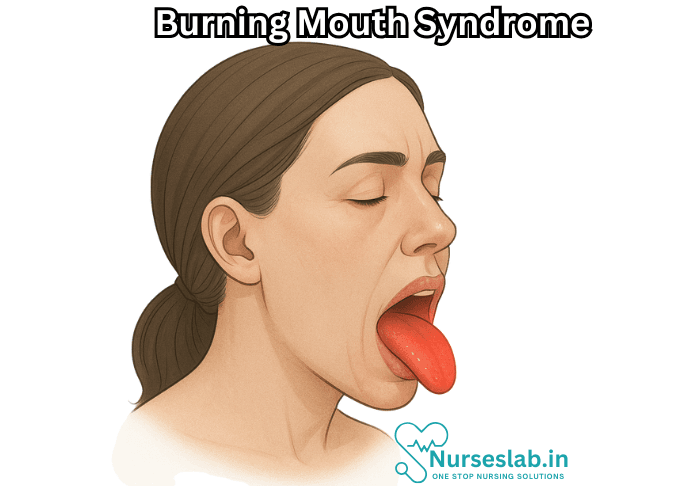
What is Burning Mouth Syndrome?
Burning Mouth Syndrome is defined by the International Headache Society as “an intraoral burning or dysesthetic sensation, recurring daily for more than two hours per day over more than three months, without clinically evident causative lesions.” The burning pain often affects the tongue, lips, palate, and occasionally the entire mouth. It may appear suddenly or gradually and can persist for months or even years.
Primary vs. Secondary BMS
- Primary (Idiopathic) BMS: No underlying medical or dental cause can be identified. Primary BMS is believed to be a form of neuropathic pain, possibly resulting from altered function in the nerves responsible for taste and pain in the mouth.
- Secondary BMS: This type arises due to an identifiable underlying condition or factor—such as nutritional deficiencies, oral infections, hormonal changes, allergies, or medication side effects—that can be treated or managed.
Symptoms of Burning Mouth Syndrome
The hallmark symptom is a burning, scalding, or tingling pain in the mouth. This discomfort may affect the tongue (the most common site), lips, palate, gums, throat, or even the entire oral cavity. The symptoms often have the following features:
- Pain that is present daily and can last for months or years.
- Burning sensation is typically absent upon waking but increases as the day progresses.
- Accompanying sensations may include dryness, numbness, or altered taste (metallic, bitter, or loss of taste).
- Pain can range from mild to severe and may fluctuate in intensity.
- Eating and drinking may temporarily ease the symptoms, while stress or fatigue can exacerbate them.
Importantly, BMS does not produce visible changes in the mouth—there are no ulcers, white patches, or other clinical signs that can be detected during a routine oral examination.
Who is at Risk?
Burning Mouth Syndrome can affect anyone but is most commonly diagnosed in middle-aged and older adults, with a strong female predominance—especially women undergoing or post-menopause. Prevalence estimates vary, but studies suggest that BMS affects up to 3% of the general population, with the highest rates in women between the ages of 50 and 70.
Possible Causes and Risk Factors
The exact cause of primary BMS remains elusive, but researchers have proposed several contributing factors, including:
- Neuropathic mechanisms: Damage or dysfunction in nerves transmitting pain and taste sensations in the mouth.
- Hormonal changes: Particularly related to menopause and reduced estrogen levels.
- Psychological factors: Depression, anxiety, and chronic stress are common in people with BMS, though it is unclear if these are causes or consequences.
- Altered salivary gland function: Leading to dry mouth or xerostomia, which can worsen symptoms.
Secondary BMS may result from:
- Nutritional deficiencies (iron, zinc, vitamin B1, B2, B6, B12, folic acid)
- Oral infections (such as candidiasis or lichen planus)
- Allergic reactions to dental materials, oral hygiene products, or foods
- Medications (ACE inhibitors, antidepressants, antihypertensives, etc.)
- Endocrine disorders (diabetes, hypothyroidism)
- Gastroesophageal reflux disease (GERD)
- Excessive mouth dryness (xerostomia)
- Chronic habits such as teeth grinding or tongue thrusting
Diagnosis: A Diagnosis of Exclusion
Diagnosing BMS can be challenging because there is no definitive test for the condition. It is considered a diagnosis of exclusion—meaning all other possible causes for oral burning must be ruled out. The diagnostic process may include:
- Thorough history and clinical examination of the mouth and surrounding areas
- Blood tests to check for deficiencies (iron, zinc, vitamins), hormonal imbalances, or systemic illnesses
- Swabs or biopsies to rule out infections or other oral diseases
- Review of medications and allergies
- Assessment of psychological well-being and stress levels
Referral to specialists (dentists, oral medicine experts, ENT, neurologists, psychologists) is common to help exclude other diagnoses.
Management and Treatment
Treatment of Burning Mouth Syndrome is often complex and must be tailored to the individual, particularly if an underlying cause can be identified and addressed. For secondary BMS, treating the underlying issue (such as correcting a vitamin deficiency or discontinuing a triggering medication) may resolve symptoms. For primary BMS, options focus on symptom management and improving quality of life.
Pharmacological Treatments
- Medications for neuropathic pain, such as clonazepam (oral or topical), gabapentin, pregabalin, or certain antidepressants (amitriptyline, nortriptyline).
- Topical capsaicin (the active component of chili peppers) has been used to reduce pain transmission.
- Pilocarpine or artificial saliva preparations for dry mouth.
- Alpha-lipoic acid, an antioxidant, has shown some promise in clinical trials.
- Hormone replacement therapy in postmenopausal women, if appropriate.
Non-Pharmacological Approaches
- Behavioral therapy and psychological support, such as cognitive-behavioral therapy (CBT) to help manage chronic pain and associated anxiety or depression.
- Stress reduction techniques, such as mindfulness, meditation, or relaxation exercises.
- Avoidance of known irritants in oral hygiene products (e.g., sodium lauryl sulfate in toothpaste), alcohol, tobacco, and spicy or acidic foods.
- Good oral hygiene practices and regular dental checkups.
- Use of sugar-free chewing gum or lozenges to stimulate saliva production.
Living with Burning Mouth Syndrome
BMS is a lifelong condition for some, and managing it can be emotionally taxing. Support from healthcare professionals, family, and patient support groups is crucial. Many people benefit from keeping a symptom diary to identify patterns or potential triggers. While spontaneous remission has been reported, many experience symptoms for years, and the condition can fluctuate in severity.
Nursing Care of Patients with Burning Mouth Syndrome
Nursing Interventions
1. Symptom Relief and Comfort Measures
- Encourage frequent sips of water or use of sugar-free chewing gum to alleviate dryness.
- Recommend avoidance of spicy, acidic, or very hot foods and beverages that may aggravate symptoms.
- Advise use of bland, soft diets if eating is uncomfortable.
- Promote good oral hygiene using non-irritating toothpaste and mouth rinses (preferably alcohol-free).
2. Education and Psychosocial Support
- Educate patients and families about the nature of BMS, emphasising that it is a benign but chronic condition.
- Address psychological distress through supportive counselling or referral to mental health professionals, especially if anxiety or depression is present.
- Provide information about stress management techniques, including yoga, meditation, or relaxation exercises, which are culturally accepted in India.
3. Nutritional Guidance
- Monitor dietary intake and weight to ensure adequate nutrition.
- Work with dieticians to develop meal plans that minimise discomfort and provide balanced nutrition.
- Encourage consumption of cooling foods such as curd, buttermilk, and soft fruits.
4. Medication Management
- Assist in administration and monitoring of prescribed medications, which may include topical analgesics, antidepressants, or clonazepam as per physician’s advice.
- Monitor for side effects and ensure adherence to prescribed therapy.
5. Follow-up and Referral
- Arrange regular follow-up visits to evaluate symptom progression and treatment effectiveness.
- Refer to dental specialists, otolaryngologists, or pain clinics as needed for multidisciplinary management.
Patient and Family Education
- Explain the importance of reporting new or worsening symptoms promptly.
- Discuss the chronic nature of BMS and reassure patients about the absence of serious underlying disease.
- Provide written materials in local languages for better understanding.
REFERENCES
- Alvarenga-Brant R, Costa FO, Mattos-Pereira G, et al. Treatments for Burning Mouth Syndrome: A Network Meta-analysis. https://pubmed.ncbi.nlm.nih.gov/36214096/. J Dent Res. 2023 Feb;102(2):135-145.
- American Academy of Family Physicians. Burning Mouth Syndrome. https://familydoctor.org/condition/burning-mouth-syndrome/. Last updated 1/15/2024.
- Reyad AA, et al. Pharmacological and non-pharmacological management of burning mouth syndrome: A systematic review. Dental and Medical Problems. 2020; doi:10.17219/dmp/120991.
- Teruel A, et al. Burning mouth syndrome: A review of etiology, diagnosis, and management. General Dentistry. 2019;67:24.
- Khawaja SN, Alaswaiti OF, Scrivani SJ. Burning Mouth Syndrome. https://pubmed.ncbi.nlm.nih.gov/36404080/. Dent Clin North Am. 2023 Jan;67(1):49-60.
- Thakkar J, Dym H. Management of Burning Mouth Syndrome. https://pubmed.ncbi.nlm.nih.gov/37951628/. Dent Clin North Am. 2024 Jan;68(1):113-119.
- Umezaki Y, Naito T, Huyen Tu TT, Toyofuku A. Burning mouth syndrome . https://pubmed.ncbi.nlm.nih.gov/39060571/. Br Dent J. 2024 Jul;237(2):73.
- U.S. National Institute of Dental and Craniofacial Research. Burning Mouth Syndrome. https://www.nidcr.nih.gov/health-info/burning-mouth. Last reviewed 9/2022.
- Orliaguet M, et al. Neuropathic and psychogenic components of burning mouth syndrome: A systematic review. Biomolecules. 2021; doi:10.3390/biom11081237.
Stories are the threads that bind us; through them, we understand each other, grow, and heal.
JOHN NOORD
Connect with “Nurses Lab Editorial Team”
I hope you found this information helpful. Do you have any questions or comments? Kindly write in comments section. Subscribe the Blog with your email so you can stay updated on upcoming events and the latest articles.


