


Calf muscle pain has many possible causes, including leg cramps, strains and contusions. But severe or ongoing pain in your calves can be a sign that there’s a more serious problem going on. If your pain is mild, you can usually treat it at home. But if you have swelling or sudden pain, see your healthcare provider for immediate treatment.
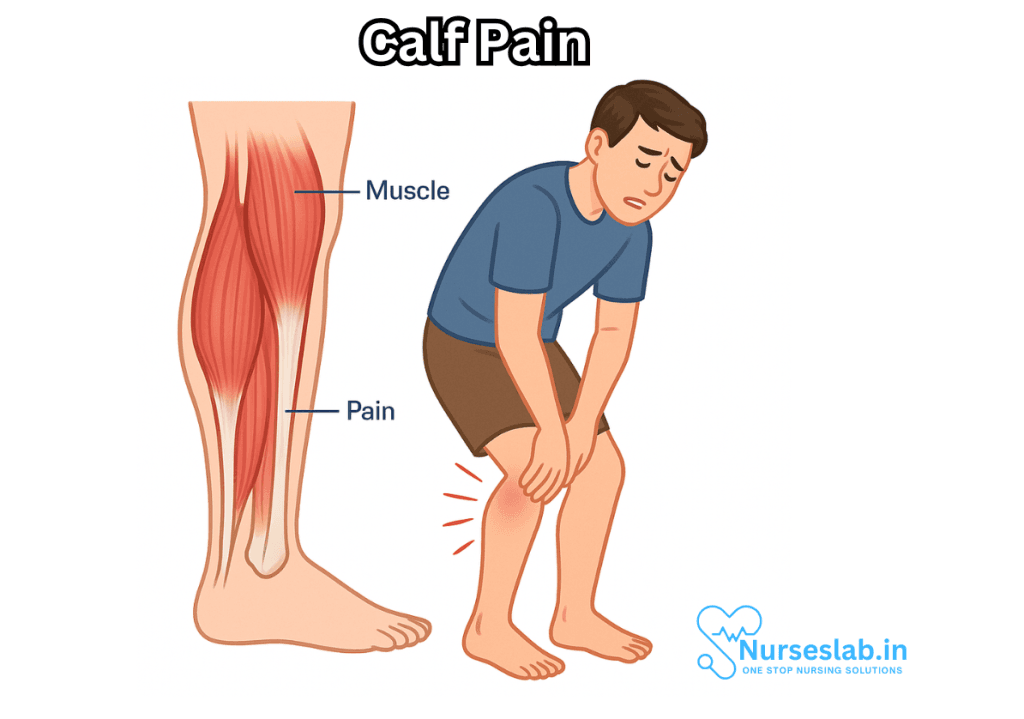
Calf muscle pain is a common complaint that can affect people of all ages and activity levels. Located at the back of the lower leg, the calf is primarily made up of two muscles: the gastrocnemius and the soleus. These muscles are essential for walking, running, jumping, and standing on tiptoe. Pain in the calf can range from a mild ache to a sharp, debilitating cramp, and may arise suddenly or develop over time. Understanding the causes, symptoms, diagnostic approaches, and management strategies for calf muscle pain is crucial for effective treatment and prevention.
Causes of Calf Muscle Pain
There are numerous reasons why someone may experience pain in the calf region, ranging from benign causes like muscle fatigue to more serious medical conditions that require immediate attention.
1. Muscle Strain or Tear
Overexertion, sudden movements, or unusual physical activity can lead to a strain or tear in one of the calf muscles. This often occurs in athletes or during activities that involve sprinting, jumping, or rapid changes in direction. Strains can range from mild (a pulled muscle) to severe (a complete tear of the muscle fibers).
2. Cramps
Calf cramps—often referred to as “charley horses”—are involuntary muscle contractions that can cause sharp, intense pain. They may last from a few seconds to several minutes. Cramps can occur during exercise, at rest, or even at night (nocturnal cramps). Common triggers include dehydration, electrolyte imbalances (such as low potassium or magnesium), prolonged sitting or standing, and inadequate stretching.
3. Delayed Onset Muscle Soreness (DOMS)
After unfamiliar or intense physical activity, microscopic damage to muscle fibers can cause soreness that appears 12 to 48 hours later. This is a normal adaptive process and typically resolves within a few days.
4. Deep Vein Thrombosis (DVT)
A blood clot in the deep veins of the leg can cause calf pain and swelling. DVT is a medical emergency, as clots can dislodge and travel to the lungs, causing a potentially fatal pulmonary embolism. Signs include persistent calf pain, swelling, redness, warmth, and sometimes visible veins.
5. Achilles Tendinitis
The Achilles tendon connects the calf muscles to the heel bone. Overuse or injury to this tendon can result in pain at the back of the lower leg, particularly during activities like running or climbing stairs.
6. Peripheral Arterial Disease (PAD)
Reduced blood flow to the legs due to narrowed arteries can cause pain, especially during walking or exercise, a condition known as claudication. The pain often subsides with rest.
7. Compartment Syndrome
This is a rare but serious condition where increased pressure within the muscles can decrease blood flow, risking muscle and nerve damage. Symptoms include severe, persistent pain, swelling, numbness, and sometimes pallor.
8. Nerve Compression or Sciatica
Compression of nerves in the lower back may radiate pain down the leg, including the calf. This can be accompanied by tingling, numbness, or weakness.
9. Infection and Inflammation
Cellulitis, an infection of the skin or underlying tissues, or myositis, inflammation of the muscles, can cause calf pain along with redness, swelling, and warmth.
10. Other Causes
– Baker’s cyst (fluid-filled swelling behind the knee)
– Varicose veins
– Medications (such as statins)
– Medical conditions like diabetes or lupus
Symptoms Associated with Calf Muscle Pain
Calf muscle pain can present in various ways, depending on its cause. Some common symptoms include:
- Aching, throbbing, or sharp pain in the calf
- Swelling or tenderness
- Redness or warmth of the skin
- Muscle cramping or spasms
- Stiffness or weakness
- Numbness or tingling (if nerves are involved)
- Difficulty walking or bearing weight
Symptoms may worsen with activity or at night, and may improve with rest, stretching, or massage.
Diagnosing the Cause of Calf Muscle Pain
A thorough assessment is essential for determining the underlying cause of calf pain. Diagnosis typically involves:
- Medical History: Information about recent activity, injuries, medical conditions, medications, and lifestyle factors.
- Physical Examination: Assessing the leg for tenderness, swelling, redness, pulse, and range of motion.
- Imaging Tests: Ultrasound, MRI, or X-ray may be needed to detect blood clots, muscle injuries, or bone problems.
- Blood Tests: These can identify infections, inflammation, or electrolyte abnormalities.
- Venography or Doppler Ultrasound: Special imaging to check for DVT or vascular disease.
Treatment and Management of Calf Muscle Pain
Treatment depends on the cause and severity of the pain. Mild cases may respond to self-care, while others require medical intervention.
Self-Care Strategies
- Rest: Limit activities that aggravate the pain.
- Ice: Apply ice packs to the calf for 15-20 minutes several times a day to reduce swelling and pain.
- Compression: Use an elastic bandage or compression sock to reduce swelling.
- Elevation: Keep the leg raised above heart level to decrease swelling.
- Stretching and Massage: Gentle stretches and massage can help relax tight muscles and relieve cramps.
- Hydration and Nutrition: Maintain adequate fluid intake and ensure electrolyte balance with a healthy diet.
- Over-the-Counter Pain Relief: Nonsteroidal anti-inflammatory drugs (NSAIDs) like ibuprofen may help.
Medical Treatment
Medical care may be necessary if the pain is severe, persistent, or associated with concerning symptoms such as swelling, redness, fever, or sudden onset. Treatment options include:
- Physical therapy for muscle injuries or tendinitis
- Prescription medications for inflammation or infection
- Anticoagulants for DVT
- Surgery in rare cases (e.g., compartment syndrome or severe injuries)
When to Seek Medical Attention
Seek prompt medical care if calf pain is accompanied by:
- Sudden, severe pain after injury
- Significant swelling or redness
- Shortness of breath or chest pain (may indicate pulmonary embolism)
- Numbness, weakness, or coldness in the leg
- Fever or signs of infection
Prevention of Calf Muscle Pain
Some cases of calf pain are unavoidable, but many can be prevented by:
- Warming up and stretching before physical activity
- Staying hydrated and maintaining proper electrolyte levels
- Gradually increasing exercise intensity
- Wearing supportive footwear
- Avoiding prolonged periods of inactivity or sitting
- Managing chronic health conditions
Nursing Care of Patient with Calf Muscle Pain
Effective nursing care for patients experiencing calf muscle pain begins with a thorough assessment to determine the underlying cause—whether it is a strain, cramp, deep vein thrombosis, or another condition. Nurses should carefully evaluate the onset, duration, intensity, and character of the pain, identify any precipitating events such as recent physical activity or trauma, and note associated symptoms like swelling, redness, or warmth.
Assessment and Monitoring
Regular monitoring of the affected limb is crucial. Nurses should check for changes in swelling, skin color, temperature, and the presence of palpable pulses. Assessing range of motion and muscle strength helps guide rehabilitation and prevent complications. Evaluation for risk factors such as immobility or a history of blood clots is essential, as calf pain can occasionally signal more serious vascular conditions.
Pain Management
Managing pain is a primary goal. Nurses may implement non-pharmacological interventions such as rest, elevation, compression, and application of ice or heat packs as appropriate, always considering patient comfort and contraindications. Pharmacological therapies may include prescribed analgesics or anti-inflammatory medications, and nurses should monitor for effectiveness and potential side effects.
Mobility and Rehabilitation
Encouraging gradual, guided mobility is key to preventing stiffness and promoting recovery. Collaboration with physiotherapists can help develop individualized exercise plans aimed at restoring strength and flexibility while minimizing the risk of re-injury. Nurses should educate patients on safe movement techniques and the importance of balancing activity and rest.
Patient Education
Education is woven throughout care. Patients and families should receive clear instructions on symptom monitoring, medication administration, and the significance of adhering to rehabilitation exercises. They should be aware of warning signs such as increasing pain, swelling, numbness, or changes in skin color, which require prompt medical review.
Prevention of Complications
Nurses play a vital role in reducing the risk of complications. This includes vigilant observation for signs of deep vein thrombosis, infection, or compartment syndrome—especially if pain is severe, persistent, or associated with neurological deficits. Prompt communication with the interdisciplinary team ensures rapid intervention when needed.
Through comprehensive assessment, pain management, patient education, and close collaboration with other healthcare professionals, nurses support optimal outcomes for patients with calf muscle pain, guiding them toward recovery and self-management with confidence.
REFERENCES
- American Academy of Orthopaedic Surgeons. Muscle Cramps. https://orthoinfo.aaos.org/en/diseases–conditions/muscle-cramps. Last reviewed 10/2022.
- Buerba RA, Fretes NF, Devana SK, Beck JJ. Chronic exertional compartment syndrome: current management strategies. Open Access J Sports Med. 2019;10:71-79. doi:10.2147/OAJSM.S168368
- American Academy of Orthopaedic Surgeons. Sprains, Strains, and Other Soft-Tissue Injuries. https://orthoinfo.aaos.org/en/diseases–conditions/sprains-strains-and-other-soft-tissue-injuries/. Last reviewed 6/2020.
- Maughan RJ, Shirreffs SM. Muscle cramping during exercise: Causes, solutions, and questions remaining. Sports Med. 2019;49(S2):115-124. doi:10.1007/s40279-019-01162-1
- Lam CSE, Zhang M, Lim I. Primary care approach to calf cramps. https://pubmed.ncbi.nlm.nih.gov/36573659/. Singapore Med J. 2022;63(12):746-752.
- Merck Manual (Consumer Version). Muscle Cramps. https://www.merckmanuals.com/home/brain,-spinal-cord,-and-nerve-disorders/symptoms-of-brain-spinal-cord-and-nerve-disorders/muscle-cramps. Last reviewed/revised 10/2023.
- Leow KS, Chew KM, Chawla A, Lim TC. Sonographic assessment of musculoskeletal causes of calf pain and swelling. Emerg Radiol. 2019;26(3):349-359. doi:10.1007/s10140-019-01680-5
- Lau WY, Kato H, Nosaka K. Water intake after dehydration makes muscles more susceptible to cramp but electrolytes reverse that effect. BMJ Open Sport Exerc Med. 2019;5(1):e000478. doi:10.1136/bmjsem-2018-000478
- National Health Service (UK). Leg cramps . https://www.nhsinform.scot/illnesses-and-conditions/muscle-bone-and-joints/leg-and-foot-problems-and-conditions/leg-cramps. Last updated 10/16/2024.
- Harwin JR, Richardson ML. “Tennis leg”: Gastrocnemius injury is a far more common cause than plantaris rupture. Radiol Case Rep. 2016;12(1):120–123. doi:10.1016/j.radcr.2016.10.012
Stories are the threads that bind us; through them, we understand each other, grow, and heal.
JOHN NOORD
Connect with “Nurses Lab Editorial Team”
I hope you found this information helpful. Do you have any questions or comments? Kindly write in comments section. Subscribe the Blog with your email so you can stay updated on upcoming events and the latest articles.


