


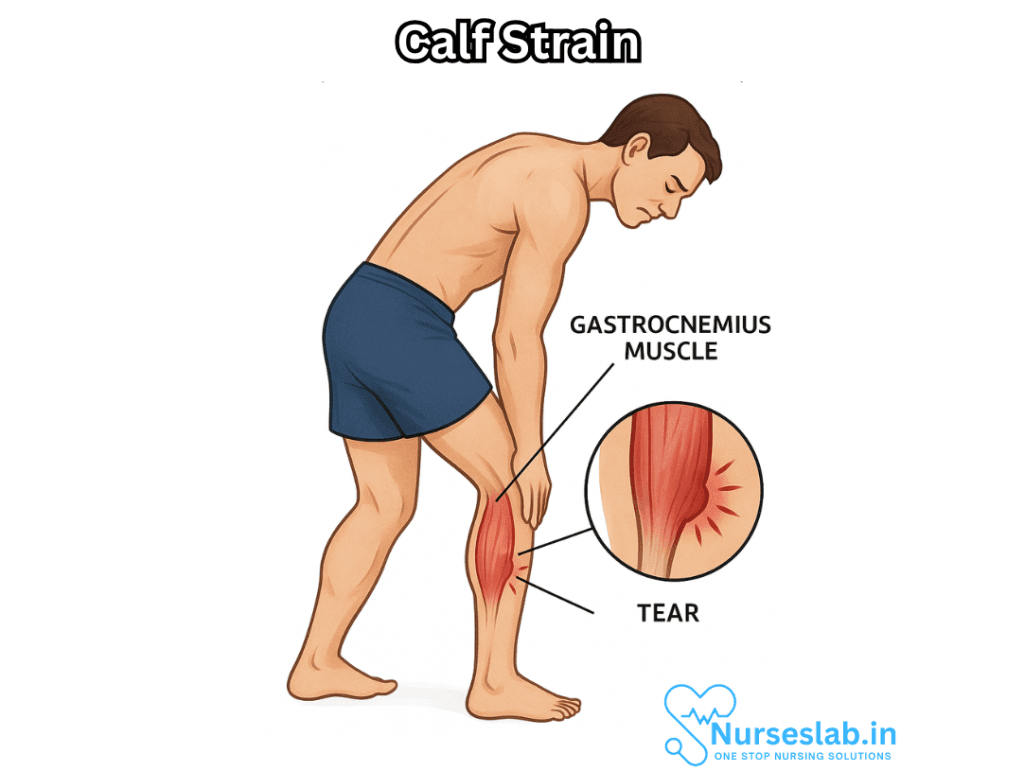
A calf strain occurs when you overstretch the muscles in the back of your lower leg. Also called a pulled calf muscle, this injury can range from mild to severe. Treatment for mild injuries typically involves rest, ice, compression and elevation. Severe injuries may require additional treatment from a healthcare provider.
Introduction
A calf strain, often referred to as a pulled calf muscle, is a common injury affecting people of all ages and activity levels. Whether you are an athlete, a recreational sports participant, or someone who enjoys an occasional walk, calf strains can disrupt everyday life and physical pursuits. This document provides a comprehensive overview of calf strains—including anatomy, causes, symptoms, diagnosis, treatment, rehabilitation, and prevention—equipping readers with the knowledge to manage and recover from such injuries effectively.
Anatomy of the Calf
The calf is located at the back of the lower leg and consists of two primary muscles:
- Gastrocnemius: The larger, more prominent muscle seen beneath the skin. It has two heads (medial and lateral) that originate above the knee and merge to attach to the Achilles tendon.
- Soleus: A flatter, broader muscle situated underneath the gastrocnemius. It originates below the knee and also attaches to the Achilles tendon.
Together, these muscles are responsible for plantar flexion, which is the movement that points the toes downward—an essential action for walking, running, and jumping.
What is a Calf Strain?
A calf strain occurs when there is overstretching or tearing of the muscle fibers or the tendinous tissues of either the gastrocnemius, soleus, or both. Strains can vary in severity, from mild overstretching to complete muscle tears. This injury is most common among athletes involved in sports requiring sudden acceleration, changes in direction, or explosive movements, but it can affect anyone.
Causes and Risk Factors
Calf strains are typically the result of excessive force or improper use of the muscle. Common causes include:
- Sudden acceleration or deceleration during activities like sprinting, jumping, or changing direction
- Inadequate warming up before physical activity
- Muscle fatigue or overuse
- Poor flexibility or tight calf muscles
- Improper footwear or poor running surfaces
- Trauma or impact injuries
Risk factors include advancing age (muscles become less elastic with time), previous calf or lower limb injuries, and inadequate conditioning or training.
Types and Grades of Calf Strain
Calf strains are classified based on the extent of muscle damage:
- Grade 1 (Mild): Few muscle fibers are torn. Symptoms are mild, and there is little or no loss of strength or movement. Recovery is relatively quick.
- Grade 2 (Moderate): A significant number of muscle fibers are torn, with more noticeable pain, swelling, and some loss of function. Bruising may occur, and recovery takes longer.
- Grade 3 (Severe): A complete tear or rupture of the muscle. There is severe pain, significant swelling, bruising, and considerable loss of function. Surgery may be required in some cases.
Symptoms
The signs and symptoms of a pulled calf muscle depend on the severity but may include:
- Sudden, sharp pain or a “popping” sensation in the back of the lower leg
- Swelling and tenderness over the calf muscle
- Bruising or discoloration
- Difficulty walking, standing on tiptoe, or pushing off the foot
- Muscle weakness or tightness
- Stiffness, especially after periods of inactivity
Diagnosis
A calf strain is usually diagnosed based on a thorough medical history and physical examination. A healthcare professional will typically:
- Ask about the onset, nature, and severity of symptoms
- Assess for tenderness, swelling, bruising, and muscle weakness
- Evaluate range of motion and functional ability
In some cases, further imaging may be ordered to rule out other injuries or confirm the diagnosis:
- Ultrasound: Can visualize muscle tears and hematomas (collections of blood).
- MRI: Provides detailed images of soft tissue injuries, particularly in complex or severe cases.
- X-rays: Not typically used for muscle strains but may be necessary to rule out bone injuries.
Treatment
Treatment depends on the severity of the strain but generally follows a conservative approach:
Initial Management (First 48-72 Hours)
The R.I.C.E. protocol is widely recommended:
- Rest: Avoid activities that cause pain, but complete immobilization is discouraged.
- Ice: Apply an ice pack for 15-20 minutes every 1-2 hours to reduce swelling and pain.
- Compression: Use an elastic bandage or compression sleeve to limit swelling.
- Elevation: Elevate the leg above heart level whenever possible.
Over-the-counter pain relievers like acetaminophen or nonsteroidal anti-inflammatory drugs (NSAIDs) can help manage pain and inflammation.
Ongoing Care
Once acute pain and swelling have subsided, gentle range-of-motion and stretching exercises can begin. Progression to strengthening exercises and gradual return to activities is key. Severe strains may benefit from physical therapy.
Surgical Intervention
Surgery is rarely required except in cases of complete muscle rupture or if conservative treatment fails. Procedures typically aim to repair torn muscle or remove scar tissue.
Rehabilitation and Recovery
Rehabilitation is essential for regaining strength, flexibility, and preventing recurrence. A typical rehab program may include:
- Stretching: Gentle calf stretches to restore flexibility.
- Strengthening: Exercises like calf raises, toe walking, and resistance band work.
- Balance and Proprioception: Activities to retrain coordination and prevent future injuries.
- Gradual Return to Activity: Slowly resume sports or high-intensity activities as strength and confidence return.
Full recovery time varies:
- Grade 1: 1-2 weeks
- Grade 2: 3-6 weeks
- Grade 3: 2-3 months or more, possibly requiring surgery
Complications and When to Seek Medical Attention
If not managed properly, calf strains can lead to complications such as:
- Chronic pain or stiffness
- Recurring muscle strains
- Formation of scar tissue, reducing flexibility
- Deep vein thrombosis (rare, but potentially serious)
Seek immediate medical attention if there is severe pain, inability to walk, numbness, or if the calf becomes red, hot, and swollen (signs of possible blood clot).
Prevention
While not all calf strains are preventable, certain strategies can reduce risk:
- Warm up thoroughly before exercise
- Incorporate regular stretching and strengthening of the calf muscles
- Use appropriate footwear with good support
- Gradually increase intensity and duration of physical activities
- Stay hydrated and avoid overexertion
- Listen to your body and rest when fatigued
Nursing Care of Patient with Calf Strain
Effective nursing care is crucial for promoting healing, reducing pain, preventing complications, and supporting a patient’s return to normal mobility.
Assessment and Diagnosis
Nurses play a critical role in the initial and ongoing assessment of patients with calf strains. A careful and systematic evaluation helps guide the care plan and track recovery progress.
Assessment Components
- History Taking: Gather information regarding the onset, mechanism of injury, activities involved, previous injuries, and current symptoms.
- Physical Examination: Inspect for swelling, bruising, and deformity. Palpate the calf for tenderness, warmth, and muscle defects. Assess range of motion and strength.
- Pain Assessment: Use standardized pain scales (e.g., Numerical Rating Scale) to evaluate pain intensity, character, duration, and aggravating/relieving factors.
- Functional Assessment: Observe the patient’s ability to walk, bear weight, and perform daily activities.
- Diagnostic Tests: In moderate to severe cases, imaging such as ultrasound or MRI may be ordered to assess the extent of muscle damage.
Nursing Diagnosis
Possible nursing diagnoses for a patient with a calf strain include:
- Acute pain related to muscle fiber injury
- Impaired physical mobility related to pain and muscle weakness
- Risk for impaired skin integrity associated with swelling and use of supportive devices
- Risk for knowledge deficit regarding injury management and prevention
Goals of Nursing Care
- Relieve pain and discomfort
- Promote healing of the injured muscle
- Restore full mobility and function
- Prevent complications such as muscle contractures or deep vein thrombosis (DVT)
- Educate the patient and family about injury prevention and safe rehabilitation
Nursing Interventions
1. Pain Management
- Encourage rest and immobilization of the affected leg, especially in the acute phase (first 48-72 hours).
- Apply ice packs to the injured area for 15-20 minutes every 2-3 hours to reduce pain and swelling, especially within the first 48 hours.
- Administer prescribed analgesics such as acetaminophen or nonsteroidal anti-inflammatory drugs (NSAIDs).
- Educate the patient on the proper use of pain medications and possible side effects.
- Offer non-pharmacological pain relief measures such as elevation, gentle massage, and relaxation techniques.
2. Swelling and Inflammation Control
- Encourage the use of compression bandages or sleeves as prescribed to limit swelling and provide support.
- Advise elevation of the affected limb above heart level to promote venous return and decrease edema.
- Monitor the calf for signs of excessive swelling, skin discoloration, or compromised circulation.
- Assess for signs of compartment syndrome (severe pain unrelieved by medication, numbness, tingling, pallor, pulselessness) and notify the physician immediately if suspected.
3. Mobility Support
- Advise patients to avoid weight-bearing activities until cleared by a healthcare provider.
- If necessary, provide and instruct on the use of assistive devices such as crutches or a cane.
- Gradually reintroduce range-of-motion and stretching exercises as recommended by a physiotherapist.
- Encourage adherence to prescribed physiotherapy regimens for safe and effective rehabilitation.
- Monitor the patient’s gait and mobility progress regularly.
4. Monitoring and Prevention of Complications
- Observe for signs of DVT (pain, redness, swelling, warmth in the calf) and educate the patient about symptoms that should prompt immediate medical attention.
- Monitor skin integrity, especially under compression devices and in immobile patients, to prevent pressure ulcers.
- Assess neurovascular status (color, temperature, sensation, movement, pulses) of the affected limb at regular intervals.
5. Patient and Family Education
- Instruct on the importance of adhering to rest, ice, compression, and elevation (RICE protocol) during the acute phase.
- Teach proper techniques for applying and removing compression wraps or devices.
- Educate about gradual return to activity and the importance of warm-up and stretching before exercise.
- Discuss the risk of reinjury and strategies for prevention, such as strengthening and flexibility exercises.
- Encourage questions and active participation in care planning and rehabilitation decisions.
Rehabilitation and Recovery
Recovery from a calf strain depends on the severity of the injury, the patient’s baseline health, and adherence to the care plan. Early and appropriate rehabilitation is key to optimal outcomes.
Phases of Rehabilitation
- Acute Phase (First 48-72 hours): Focus on pain and swelling control, rest, and gentle movement within pain limits.
- Subacute Phase (3-10 days): Gradual introduction of gentle range of motion, isometric, and light stretching exercises.
- Rehabilitation Phase (10 days to several weeks): Progressive strengthening, balance, and proprioception exercises; gradual resumption of normal activities.
- Return to Activity: Patient may return to full activities once pain-free motion and normal strength are restored, usually under the guidance of a healthcare provider.
Psychosocial Support
A calf strain can temporarily limit a patient’s independence, work ability, and participation in social or recreational activities. Nurses should assess for feelings of frustration, anxiety, or depression and offer encouragement, support, and, if needed, referrals to counselling or support groups.
Documentation and Communication
Accurate and timely documentation is essential for quality care. Nurses should record:
- Detailed patient assessments, including pain and mobility scores
- Interventions provided and patient response
- Patient education and understanding
- Any complications or concerns and actions taken
- Communication with interdisciplinary team members
Interdisciplinary Collaboration
Nursing care of a patient with a calf strain often involves collaboration with physicians, physiotherapists, occupational therapists, and pharmacists. Effective communication ensures a coordinated approach, individualized care, and the best possible recovery.
Discharge Planning and Follow-up
Prior to discharge, nurses should ensure the patient and family are confident in managing care at home, recognizing warning signs, and knowing when to seek medical help. Schedule appropriate follow-up appointments with healthcare providers and therapy services as needed.
REFERENCES
- Green B, McClelland JA, Semciw AI, Schache AG, McCall A, Pizzari T. The Assessment, Management and Prevention of Calf Muscle Strain Injuries: A Qualitative Study of the Practices and Perspectives of 20 Expert Sports Clinicians. https://pmc.ncbi.nlm.nih.gov/articles/PMC8761182/. Sports Med Open. 2022;8(1):10. Published 2022 Jan 15.
- Bryan Dixon J. Gastrocnemius vs. soleus strain: how to differentiate and deal with calf muscle injuries. Curr Rev Musculoskelet Med. 2009;2(2):74-77. doi:10.1007/s12178-009-9045-8
- Green B, Pizzari T. Calf muscle strain injuries in sport: a systematic review of risk factors for injury. https://pubmed.ncbi.nlm.nih.gov/28259848/. Br J Sports Med. 2017;51(16):1189-1194.
- Hsu D, Chang KV. Gastrocnemius Strain. https://pubmed.ncbi.nlm.nih.gov/30521187/. 2023 Aug 14. In: StatPearls [Internet]. Treasure Island (FL): StatPearls Publishing; 2024 Jan-.
- Saxena A, St Louis M, Fournier M. Vibration and pressure wave therapy for calf strains: a proposed treatment. Muscles Ligaments Tendons J. 2013;3(2):60-2. doi:10.11138/mltj/2013.3.2.060
- Meek WM, Kucharik MP, Eberlin CT, Naessig SA, Rudisill SS, Martin SD. Calf Strain in Athletes. https://pubmed.ncbi.nlm.nih.gov/35316243/. JBJS Rev. 2022;10(3):e21.00183. Published 2022 Mar 22.
Stories are the threads that bind us; through them, we understand each other, grow, and heal.
JOHN NOORD
Connect with “Nurses Lab Editorial Team”
I hope you found this information helpful. Do you have any questions or comments? Kindly write in comments section. Subscribe the Blog with your email so you can stay updated on upcoming events and the latest articles.


