


Introduction
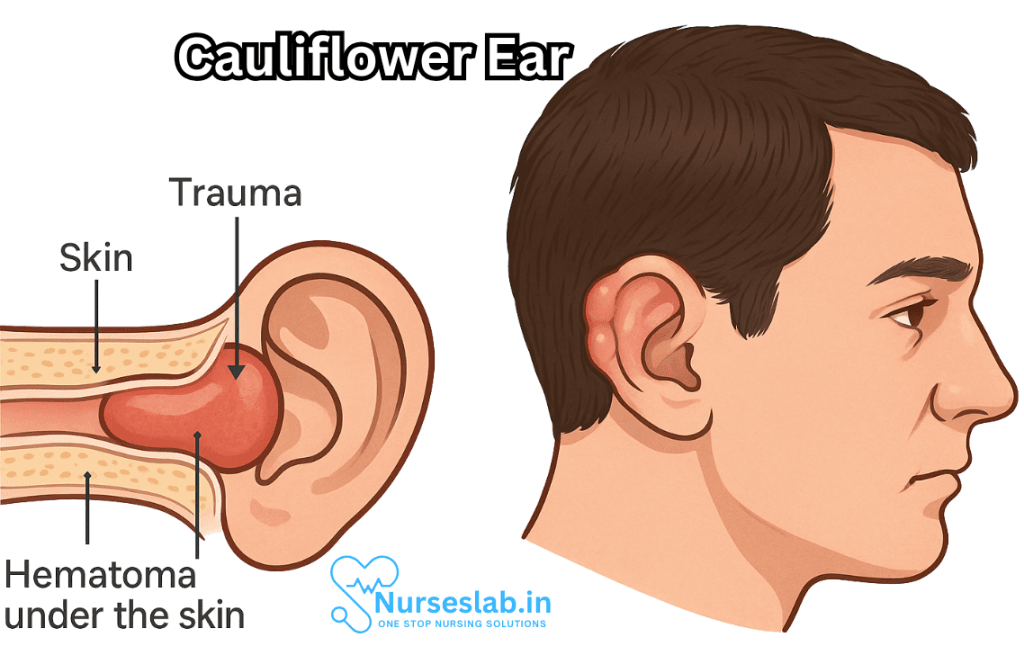
Cauliflower ear, medically known as auricular hematoma, is a deformity of the outer ear caused by trauma that leads to a collection of blood under the skin. Most commonly observed in athletes engaged in contact sports such as wrestling, boxing, mixed martial arts, and rugby, this condition is characterized by a swollen, misshapen ear that resembles the surface of a cauliflower. Although the term might conjure a whimsical image, cauliflower ear can have significant health and cosmetic consequences if left untreated.
Understanding the Anatomy of the Ear
To comprehend why cauliflower ear occurs, it is important to understand the structure of the ear. The outer ear, or pinna, is made up of a thin layer of skin and underlying connective tissue called perichondrium, which covers a framework of cartilage. The cartilage gives the ear its shape and flexibility. The perichondrium provides nutrients to the cartilage and is crucial for maintaining the ear’s health.
How Cauliflower Ear Develops
Cauliflower ear typically develops as a result of blunt trauma or repeated friction to the auricle. When the ear is struck, compressed, or bent forcefully, blood vessels within the perichondrium rupture, leading to a pooling of blood (hematoma) between the perichondrium and the cartilage. This separation deprives the cartilage of its vital blood supply. If the hematoma is not promptly treated, the cartilage may die and the tissue will become replaced by fibrous scar tissue. Over time, this process leads to the ear’s signature appearance: lumpy, thickened, and irregular.
The Steps of Cauliflower Ear Formation:
- Direct trauma to the outer ear (e.g., a punch, tackle, or persistent rubbing).
- Blood collects between the cartilage and perichondrium.
- If untreated, the pooled blood clots and blocks nutrient flow.
- Cartilage tissue dies and is replaced with scar tissue.
- The ear assumes a swollen, deformed aspect.
Risk Factors and Common Populations
While cauliflower ear is most often associated with wrestlers, boxers, and MMA fighters, anyone can develop the condition if their ear sustains sufficient trauma. Rugby players, martial artists, and even individuals involved in activities such as water polo or soccer (from accidental collisions) are at risk. In rare cases, non-athletes may develop cauliflower ear from accidents or repeated pressure (e.g., sleeping on hard surfaces).
Key risk factors include:
- Participation in contact sports.
- Lack of protective headgear.
- Repeated trauma or friction.
- Delay in treatment after injury.
- Previous history of ear injury.
Signs and Symptoms
The initial symptoms of cauliflower ear are generally easy to spot. After an injury, the ear may look swollen, reddened, and tender. A visible blood clot, or hematoma, may appear. As the body’s natural healing process takes over, the ear’s appearance changes over time:
- Swelling and bruising shortly after trauma.
- Pain and tenderness in the affected area.
- A palpable fluid-filled pocket on the ear.
- Progressive hardening and thickening of ear tissue.
- Irregular, lumpy contour resembling a cauliflower.
- Possible hearing impairment if swelling blocks the ear canal.
Diagnosis
Diagnosis of cauliflower ear is usually clinical, based on visual examination and patient history. A healthcare professional will inspect the ear for swelling, discoloration, and deformity. Occasionally, imaging studies (such as ultrasound) may be used to assess the extent of hematoma formation or to rule out associated injuries.
Immediate Management and Treatment
Prompt intervention is crucial to prevent permanent deformity. If treated within a short window after injury, much of the damage can be reversed.
First Aid:
- Apply ice to reduce swelling and pain.
- Avoid further trauma to the ear.
- Seek medical attention as soon as possible.
Medical Treatment:
- A health professional may drain the hematoma using a needle and syringe.
- Compression dressings are applied to prevent re-accumulation of blood.
- In some cases, sutures or special bolsters may be used to keep the skin in contact with the cartilage.
- Antibiotics may be prescribed to prevent infection, which is a potential complication.
- Follow-up visits to monitor healing and prevent recurrence.
If the ear is left untreated or if drainage is unsuccessful, surgical intervention may be required. This can include excision of scar tissue or reconstructive procedures to restore a more natural ear shape.
Complications
If not managed properly, cauliflower ear can lead to additional problems:
- Permanent disfigurement.
- Chronic pain or discomfort.
- Infection (perichondritis or abscess formation).
- Partial hearing loss if swelling obstructs the ear canal.
- Psychological distress due to appearance changes.
Long-Term Effects and Cosmetic Concerns
Many athletes wear their cauliflower ears as a badge of honor, but for others, the cosmetic impact is concerning. The ear’s irregular shape is generally permanent unless corrected by surgery. Reconstructive procedures exist, but they are often complex and may not completely restore the ear’s original form.
Prevention
Preventing cauliflower ear is both possible and practical, especially for those at higher risk. Strategies include:
- Wearing protective headgear or ear guards during contact sports.
- Prompt treatment of any ear injury or swelling.
- Learning and using proper techniques to avoid unnecessary trauma.
- Educating athletes, coaches, and trainers about the condition and its risks.
Cauliflower Ear in Popular Culture
The condition is often associated with toughness in combat sports. Many prominent athletes have visible cauliflower ears, which have become an unofficial symbol of their dedication and resilience. However, awareness about the need for protection and treatment has grown, making prevention and early intervention more common.
Nursing Care of the Patient with Cauliflower Ear
For nursing professionals, proper care and early intervention are crucial for both acute management and prevention of long-term complications, including cosmetic deformity and impaired hearing.
Assessment and Nursing Diagnosis
Comprehensive Assessment
- History Taking: Obtain a detailed history of the injury, including time, mechanism, and any previous similar injuries. Ask about participation in contact sports or recent altercations.
- Physical Examination: Inspect the auricle for swelling, discoloration, tenderness, warmth, or fluctuation (which may indicate fluid or hematoma). Assess for any signs of infection such as redness, pus, or fever.
- Hearing Assessment: Determine if there are subjective hearing changes. Refer for formal audiological evaluation if warranted.
- Pain and Discomfort: Assess the patient’s pain level using an appropriate pain scale.
- Psychosocial Impact: Explore the patient’s feelings about the cosmetic appearance and any concerns regarding self-image or participation in sports.
Common Nursing Diagnoses
- Acute pain related to trauma and inflammation of the ear.
- Risk for infection related to hematoma or disruption of skin integrity.
- Impaired tissue integrity related to ongoing trauma or ineffective management.
- Disturbed body image related to visible ear deformity.
- Deficient knowledge regarding prevention, treatment, and potential complications.
Nursing Interventions
Immediate and Acute Care
- Apply Cold Compresses: In the immediate aftermath of trauma, apply a cold pack wrapped in cloth to the affected ear for 15–20 minutes every 1–2 hours during the first 24–48 hours. This helps minimize swelling and pain.
- Pain Management: Administer prescribed analgesics or recommend over-the-counter pain relievers as appropriate. Assess pain response and document effectiveness.
- Monitor for Hematoma Formation: Regularly inspect the ear for new or enlarging hematomas. If a fluctuant swelling is present, inform the healthcare provider promptly for possible aspiration or surgical intervention.
- Prevent Further Injury: Advise the patient to avoid contact sports or activities that may result in additional trauma until healing is complete.
Medical and Surgical Management
- Aspiration or Incision and Drainage: If a hematoma is present, the provider may aspirate or incise and drain the hematoma under local anesthesia. The nurse should assist with the procedure and provide post-procedural care, including pressure dressing application and monitoring for complications.
- Pressure Dressings: After drainage, a pressure dressing is applied to prevent re-accumulation of blood. Nurses must ensure the dressing is secure but not overly tight, and monitor for signs of compromised circulation (e.g., cyanosis, numbness).
- Antibiotic Therapy: If there is any suspicion of infection, or if the procedure involves incision, prophylactic antibiotics may be prescribed. Monitor for signs of allergic reaction or adverse effects.
- Follow-Up Care: Arrange or remind the patient of follow-up appointments for dressing changes, removal of sutures, or further evaluation by an otolaryngologist (ENT specialist).
Monitoring and Ongoing Assessment
- Monitor the ear for signs of infection such as increased redness, pus, warmth, or fever.
- Check for recurrence of swelling or hematoma formation, particularly in the days following initial treatment.
- Assess for complications such as cartilage necrosis, abscess, or progression to permanent deformity.
- Evaluate the patient’s psychosocial response and provide support as needed.
Patient and Family Education
- Explain the Condition: Use clear, non-technical language to describe what cauliflower ear is, how it develops, and why prompt care is necessary.
- Care of the Ear: Teach the patient and family how to care for the ear at home, including proper wound care, dressing changes, and signs to watch for that indicate complications.
- Activity Restrictions: Instruct on activity limitations to avoid re-injury during the healing phase.
- When to Seek Help: Advise to seek medical attention immediately if there is increased pain, swelling, fever, drainage, or if the dressing becomes loose or soiled.
- Prevention: Discuss preventive strategies, especially for athletes, such as wearing protective headgear and promptly reporting any ear injuries.
Psychosocial and Emotional Support
Cauliflower ear may impact a patient’s self-esteem or social participation, particularly among young people or those for whom appearance is important. Nurses should:
- Provide a non-judgmental environment for the patient to express their feelings and concerns.
- Offer reassurance regarding treatment outcomes and, if needed, discuss options for cosmetic surgical correction.
- Refer to counseling or support groups if the patient is experiencing significant emotional distress.
Discharge Planning and Home Care
- Provide written and verbal instructions for home care, including wound care, signs of infection, and pain management.
- Arrange follow-up appointments with primary care or ENT specialists as needed.
- Ensure the patient has access to necessary supplies such as dressings, antiseptics, and prescribed medications.
- Emphasize the importance of protecting the ear from further trauma until fully healed.
Multidisciplinary Collaboration
Optimal care involves coordination between nurses, physicians (especially ENT specialists), athletic trainers (for athletes), psychologists, and, when appropriate, social workers. Early recognition and prompt intervention by all team members help prevent long-term complications and improve patient outcomes.
Complications and Prognosis
If not managed properly, cauliflower ear can lead to:
- Permanent cosmetic deformity of the outer ear
- Chronic pain or tenderness
- Hearing impairment (if swelling blocks the external auditory canal)
- Recurrent infections or abscess formation
- Cartilage necrosis
With prompt and effective nursing and medical care, most patients recover without major complications. Early intervention to evacuate hematomas and prevent infection is key to a favorable prognosis.
REFERENCES
- Hohman MH, Jamal Z, Krogmann RJ, King KC. Auricular Hematoma. https://pubmed.ncbi.nlm.nih.gov/30285394/. 2024 May 1. In: StatPearls [Internet]. Treasure Island (FL): StatPearls Publishing; 2024 Jan-.
- Bhat MT, et al. (2015). Cruciate incision fortreatment of primary/recurrent cases of seroma/hematoma of pinna: A novelapproach. DOI:
http://jcdr.net/article_fulltext.asp?issn=0973-709x&year=2015&volume=9&issue=2&page=MC01&issn=0973-709x&id=5545 - Manninen IK, Blomgren K, Elokiuru R, Lehto M, Mäkinen LK, Klockars T. Cauliflower ear among Finnish high-level male wrestlers and judokas is prevalent and symptomatic deformity.https://pubmed.ncbi.nlm.nih.gov/31359522/. Scand J Med Sci Sports. 2019 Dec;29(12):1952-1956.
- Osetinsky ML, et al. (2017). Sport injuries ofthe ear and temporal bone [Abstract]. DOI:
http://dx.doi.org/10.1016/j.csm.2016.11.005 - Merck Manual, Professional Version. Cauliflower Ear.https://www.merckmanuals.com/professional/ear,-nose,-and-throat-disorders/how-to-do-ear-procedures/how-to-drain-an-auricular-hematoma. Last reviewed 6/2023.
- Patel BC, Hohman MH, Hutchison J, et al. Cauliflower Ear. https://www.ncbi.nlm.nih.gov/books/NBK470424/. [Updated 2024 May 1]. In: StatPearls [Internet]. Treasure Island (FL): StatPearls Publishing; 2024 Jan-.
- Putri IL, Bogari M, Khoirunnisa A, Dhafin FR, Kuswanto D. Surgery of Severe Cauliflower Ear Deformity. https://pubmed.ncbi.nlm.nih.gov/37091928/. Plast Reconstr Surg Glob Open. 2023 Apr 19;11(4):e4953.
Stories are the threads that bind us; through them, we understand each other, grow, and heal.
JOHN NOORD
Connect with “Nurses Lab Editorial Team”
I hope you found this information helpful. Do you have any questions or comments? Kindly write in comments section. Subscribe the Blog with your email so you can stay updated on upcoming events and the latest articles.


