


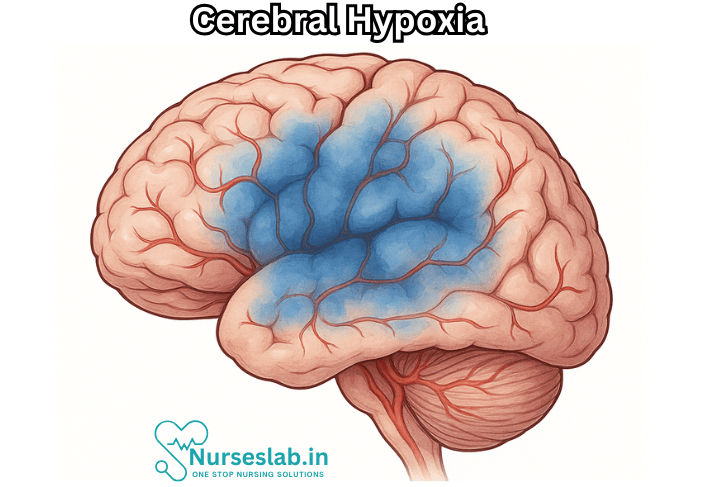
Cerebral hypoxia is a critical medical condition characterised by insufficient oxygen supply to the brain, leading to varying degrees of neurological impairment. This state may range from mild dysfunction to irreversible brain injury or death, depending on the duration and severity of oxygen deprivation.
Introduction
The condition is not confined to any specific age group and can affect neonates, children, adults, and the elderly—often with devastating consequences. Epidemiologically, cerebral hypoxia is encountered in a wide range of clinical scenarios, including cardiac arrest, respiratory failure, drowning, and traumatic injuries, making its recognition and management a cornerstone of acute care medicine.
Definition and Classification
Cerebral hypoxia refers to a state in which the brain receives inadequate oxygen to meet its metabolic needs. It is distinct from cerebral anoxia, where there is a complete absence of oxygen. Hypoxia can be classified based on severity (mild, moderate, severe), duration (acute or chronic), and underlying mechanisms (global or focal). Global cerebral hypoxia affects the entire brain, typically seen in systemic events such as cardiac arrest, while focal cerebral hypoxia involves localised regions, often due to vascular occlusion or trauma.
Etiology and Risk Factors
The causes of cerebral hypoxia are diverse, broadly categorised into systemic and localised factors. Systemic causes affect oxygen delivery throughout the body, while localised causes impact the brain directly.
Systemic Causes
- Cardiac Arrest: Sudden cessation of effective cardiac output results in immediate loss of cerebral perfusion and oxygenation.
- Respiratory Failure: Conditions such as severe asthma, chronic obstructive pulmonary disease (COPD), and pneumonia can impair oxygenation.
- Hypoxemia: Low blood oxygen levels due to high altitude, carbon monoxide poisoning, or suffocation.
- Shock: Hypovolemic, septic, or cardiogenic shock leads to inadequate tissue perfusion.
Localised Causes
- Stroke: Ischaemic or haemorrhagic stroke can reduce oxygen supply to affected brain regions.
- Traumatic Brain Injury (TBI): Trauma may disrupt blood flow or oxygen delivery.
- Seizures: Prolonged convulsive activity increases cerebral metabolic demand and may outpace oxygen supply.
- Cerebral Vasospasm: Often following subarachnoid haemorrhage, leading to focal hypoxia.
Predisposing Conditions and Risk Populations
- Neonates: Birth asphyxia, prematurity, and congenital heart disease.
- Elderly: Higher risk due to cardiovascular and respiratory comorbidities.
- Individuals with Chronic Illness: Cardiac, pulmonary, and haematological disorders increase susceptibility.
- Substance Abuse: Overdose of opioids, sedatives, or alcohol can depress respiratory drive.
Pathophysiology
The brain is highly sensitive to oxygen deprivation due to its high metabolic demands and limited capacity for anaerobic metabolism. Cerebral hypoxia initiates a cascade of cellular and molecular events that ultimately compromise neuronal integrity.
Mechanisms of Brain Oxygen Deprivation
Oxygen is delivered to the brain via cerebral blood flow. Any disruption in cardiac output, blood oxygen content, or cerebral circulation can precipitate hypoxia. When oxygen delivery falls below critical thresholds, neurons switch to anaerobic glycolysis, resulting in lactic acid accumulation and cellular acidosis.
Cellular Effects
- Energy Failure: ATP depletion impairs ion transporters, leading to membrane depolarisation and cytotoxic oedema.
- Excitotoxicity: Excessive glutamate release activates NMDA receptors, causing calcium influx and neuronal injury.
- Oxidative Stress: Reperfusion (restoration of blood flow) can generate reactive oxygen species, damaging lipids, proteins, and DNA.
- Apoptosis and Necrosis: Prolonged or severe hypoxia triggers programmed cell death and necrosis of brain tissue.
Temporal Progression
Within seconds of oxygen deprivation, consciousness is lost. Irreversible neuronal injury occurs within 4-6 minutes of severe hypoxia, although some brain regions (e.g., hippocampus, cortex) are more vulnerable than others. The severity and duration of hypoxia determine the extent of brain injury.
Clinical Manifestations
The presentation of cerebral hypoxia varies depending on the underlying cause, severity, and duration of oxygen deprivation. Clinical manifestations may be acute or insidious, and can progress through distinct stages.
Early Signs and Symptoms
- Confusion, disorientation, and impaired judgement
- Difficulty concentrating and memory loss
- Headache and dizziness
- Visual disturbances
- Tingling or numbness
Progressive Symptoms
- Loss of consciousness (syncope, coma)
- Seizures
- Abnormal movements (myoclonus, decerebrate or decorticate posturing)
- Respiratory irregularities
- Cardiac arrhythmias
Complications
- Persistent vegetative state
- Permanent cognitive and motor deficits
- Secondary organ failure
- Death
Diagnosis
Timely and accurate diagnosis of cerebral hypoxia is essential for effective management and improved outcomes. Diagnosis involves a combination of clinical assessment, imaging, laboratory investigations, and exclusion of other causes.
Clinical Assessment
- History: Circumstances of onset (e.g., cardiac arrest, drowning, trauma), pre-existing conditions, duration of unconsciousness.
- Physical Examination: Level of consciousness (Glasgow Coma Scale), pupillary responses, motor and sensory deficits, vital signs.
Imaging Modalities
- Computed Tomography (CT): Rapid assessment for structural damage, haemorrhage, or cerebral oedema.
- Magnetic Resonance Imaging (MRI): Superior sensitivity for early hypoxic changes, diffusion-weighted imaging for acute ischaemia.
- Positron Emission Tomography (PET): Assessment of cerebral metabolism and perfusion.
Laboratory Tests
- Arterial blood gas analysis (PaO2, PaCO2, pH)
- Serum lactate levels
- Electrolytes, glucose, and renal function
- Cardiac biomarkers if relevant
Electrophysiological Studies
- Electroencephalography (EEG): Detection of seizure activity, assessment of brain function
- Evoked potentials: Prognostic evaluation in comatose patients
Differential Diagnosis
Cerebral hypoxia must be distinguished from other causes of altered mental status, such as intoxication, metabolic disturbances, intracranial haemorrhage, infection, and psychiatric disorders.
Treatment and Management
The primary goal in treating cerebral hypoxia is rapid restoration of oxygen delivery to the brain and prevention of secondary injury. Management strategies are dictated by the underlying cause, severity, and patient factors.
Emergency Care
- Airway Management: Ensure patency and provide supplemental oxygen or mechanical ventilation as needed.
- Circulatory Support: Cardiopulmonary resuscitation (CPR), intravenous fluids, vasopressors for shock.
- Rapid Reversal of Underlying Cause: Antidotes for poisoning, seizure control, decompression for trauma.
Supportive Therapy
- Maintenance of normoxia, normocapnia, and normoglycaemia
- Temperature regulation (therapeutic hypothermia in selected cases)
- Prevention of complications (deep vein thrombosis, pressure ulcers, infections)
Advanced Interventions
- Neuroprotective agents (experimental)
- Hyperbaric oxygen therapy (in select poisoning cases)
- Intensive care monitoring (intracranial pressure, cerebral perfusion pressure)
Rehabilitation
- Physical therapy for motor deficits
- Cognitive rehabilitation for memory and executive dysfunction
- Speech and occupational therapy
- Psychological support for patients and families
Prognosis and Outcomes
The prognosis of cerebral hypoxia is highly variable and depends on the duration and severity of oxygen deprivation, patient age, comorbidities, and the speed of intervention. Early and effective resuscitation improves chances of favourable outcomes, while prolonged hypoxia is associated with poor neurological recovery and increased mortality.
Recovery Factors
- Short duration of hypoxia and rapid intervention
- Younger age and absence of comorbidities
- Preservation of brainstem reflexes
- Absence of severe structural brain injury
Long-Term Effects
- Persistent vegetative state
- Severe cognitive and motor impairment
- Epilepsy and movement disorders
- Psychiatric sequelae (depression, anxiety)
Mortality Rates
Mortality rates following severe cerebral hypoxia remain high, particularly in cases of cardiac arrest or prolonged respiratory failure. Survivors may experience significant disability, requiring long-term care and rehabilitation.
Prevention
Prevention of cerebral hypoxia involves reducing risk factors, promoting public health measures, and patient education. Strategies must be tailored to specific populations and settings.
Risk Reduction
- Management of chronic cardiac and respiratory diseases
- Early recognition and treatment of stroke and seizures
- Safety measures to prevent trauma and drowning
- Avoidance of substance abuse
Public Health Strategies
- Training in basic life support and CPR for the general public
- Improvement of emergency response systems
- Awareness campaigns on carbon monoxide and smoke inhalation risks
Patient Education
- Education on recognising early symptoms of hypoxia
- Instructions for managing chronic illnesses
- Guidance on medication use and overdose prevention
Nursing Care of Patients with Cerebral Hypoxia
Causes of cerebral hypoxia can be varied and include cardiac arrest, respiratory failure, severe hypotension, traumatic injuries, drowning, and exposure to toxins. Providing effective nursing care is critical in improving outcomes for patients experiencing cerebral hypoxia.
Assessment of Patients with Cerebral Hypoxia
Effective nursing care begins with thorough assessment:
- Airway, Breathing, Circulation (ABCs): Assess patency of airway, adequacy of breathing, and circulatory status.
- Level of Consciousness (LOC): Use the Glasgow Coma Scale to assess and monitor the patient’s consciousness and neurological status regularly.
- Vital Signs: Monitor heart rate, respiratory rate, blood pressure, and oxygen saturation (SpO2) frequently.
- Neurological Examination: Assess for pupillary response, limb movement, reflexes, and signs of increased intracranial pressure (ICP).
- History Taking: Gather information on the onset, duration, and possible causes of hypoxia from the patient, relatives, or witnesses.
Immediate Nursing Interventions
The initial goal in caring for patients with cerebral hypoxia is to restore adequate oxygenation and prevent secondary injury.
- Ensure Airway Patency: Position the patient to maintain a clear airway; perform suctioning if necessary.
- Administer Oxygen: Provide supplemental oxygen via nasal cannula, face mask, or mechanical ventilation as indicated to maintain SpO2 above 94%.
- Assist with Advanced Airway Management: Be prepared to support intubation if airway protection is compromised.
- Monitor Neurological Status: Perform frequent neurological checks to identify any changes in status and report promptly.
- Prevent Aspiration: If the patient has a decreased LOC, position in lateral (recovery) position to reduce aspiration risk and maintain suction equipment at bedside.
- Monitor Vital Signs Closely: Detect hypotension, arrhythmias, or hypoventilation early for rapid intervention.
Ongoing Nursing Care
After stabilization, ongoing care focuses on preventing complications, supporting recovery, and maximizing neurological outcomes.
- Maintain Adequate Oxygenation: Regularly assess SpO2 and arterial blood gases; adjust oxygen therapy as needed.
- Fluid and Electrolyte Balance: Monitor input and output closely; be vigilant for signs of fluid overload or dehydration.
- Nutrition: Initiate enteral or parenteral nutrition as indicated, particularly if swallowing is compromised.
- Prevent Pressure Injuries: Turn the patient at least every two hours, use pressure-relief mattresses, and provide meticulous skin care.
- Prevent Deep Vein Thrombosis (DVT): Employ mechanical prophylaxis (compression stockings) and pharmacological agents if not contraindicated.
- Eye and Mouth Care: Perform routine oral hygiene and provide ocular lubrication to unconscious patients.
- Monitor for Infections: Observe for signs of pneumonia, urinary tract infections, and sepsis; practice strict aseptic techniques.
- Temperature Regulation: Monitor for hyperthermia or hypothermia, manage as necessary.
Neurological Monitoring and Rehabilitation
Prolonged cerebral hypoxia may lead to lasting neurological deficits. Early rehabilitation and continuous assessment are key.
- Collaborate with Multidisciplinary Teams: Include physiotherapists, occupational therapists, speech-language pathologists, and neurologists in care planning.
- Initiate Early Mobilization: As soon as medically feasible, help the patient with passive and active range-of-motion exercises.
- Cognitive and Sensory Stimulation: Encourage activities appropriate to the patient’s cognitive level, such as orientation exercises and sensory stimulation, to aid recovery.
- Family Education and Support: Involve family members in care and provide education about the patient’s condition, prognosis, and rehabilitation needs.
Patient and Family Education
Educating both patients and their families is a vital part of nursing care:
- Explain the causes, symptoms, and potential complications of cerebral hypoxia.
- Discuss the importance of adherence to oxygen therapy, medication regimens, and rehabilitation processes.
- Provide information on signs of deterioration (e.g., altered consciousness, respiratory distress) and when to seek urgent medical attention.
- Offer support resources such as counseling, community rehabilitation, and patient advocacy groups.
Ethical and Psychosocial Considerations
Nurses must be sensitive to the emotional and ethical challenges faced by patients and their families:
- Provide compassionate care, ensuring dignity and respect for the patient’s wishes, especially in cases with poor prognosis or palliative needs.
- Facilitate clear communication between the healthcare team and family regarding prognosis, treatment goals, and advanced directives.
- Offer psychological support to help patients and families cope with anxiety, fear, or grief.
Prevention of Cerebral Hypoxia
Nurses also play an important role in the prevention of brain hypoxia:
- Promote health education about the risks of smoking, substance abuse, and exposure to environmental toxins.
- Encourage adherence to treatment for chronic cardiac and respiratory illnesses.
- Advocate for safety measures to prevent trauma, drowning, and accidental poisoning.
Documentation and Communication
Accurate documentation is crucial for continuity of care and medico-legal reasons:
- Record all assessments, vital signs, interventions, and patient responses in a timely and detailed manner.
- Communicate changes in status promptly to the medical team.
- Document family education and discussions regarding care decisions.
REFERENCES
- Snyder B, Simone SM, Giovannetti T, Floyd TF. Cerebral Hypoxia: Its Role in Age-Related Chronic and Acute Cognitive Dysfunction. Anesth Analg. 2021 Jun 1;132(6):1502-1513.
- Brain Injury Institute. Hypoxia. https://www.braininjuryinstitute.org/hypoxia/. Updated 7/10/2021.
- Family Caregiver Alliance. Hypoxic-Anoxic Brain Injury. https://www.caregiver.org/resource/hypoxic-anoxic-brain-injury/. Updated 2/22/2021.
- Headway The Brain Injury Association (U.K.). Hypoxic and Anoxic Brain Injury. https://www.headway.org.uk/about-brain-injury/individuals/types-of-brain-injury/hypoxic-and-anoxic-brain-injury/.
- Heinz UE, Rollnik JD. Outcome and prognosis of hypoxic brain damage patients undergoing neurological early rehabilitation. https://www.ncbi.nlm.nih.gov/pmc/articles/PMC4469251/. BMC Res Notes. 2015 Jun 17;8:243.
- Lacerte M, Hays Shapshak A, Mesfin FB. Hypoxic Brain Injury. [Updated 2023 Jan 27]. In: StatPearls [Internet]. Treasure Island (FL): StatPearls Publishing; 2024 Jan-. Available from: https://www.ncbi.nlm.nih.gov/books/NBK537310/
Stories are the threads that bind us; through them, we understand each other, grow, and heal.
JOHN NOORD
Connect with “Nurses Lab Editorial Team”
I hope you found this information helpful. Do you have any questions or comments? Kindly write in comments section. Subscribe the Blog with your email so you can stay updated on upcoming events and the latest articles.


