


Chronic pharyngitis is persistent inflammation of the throat lasting weeks or months, often caused by infection, allergies, irritants, reflux, or environmental exposure. It leads to ongoing throat pain, dryness, and irritation, requiring proper evaluation and management.
Introduction
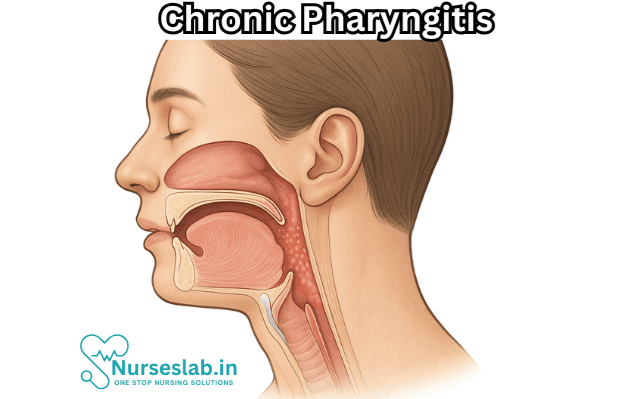
Chronic pharyngitis is a persistent inflammation of the pharynx, the anatomical region at the back of the throat, which lasts for weeks, months, or even years. Unlike acute pharyngitis, which is typically short-lived and often due to a viral or bacterial infection, chronic pharyngitis is characterised by ongoing discomfort, irritation, or pain in the throat that does not resolve with standard treatment. The condition has a significant impact on quality of life, especially in adults who are exposed to environmental irritants, have underlying health conditions, or engage in certain lifestyle habits.
Introduction
Chronic pharyngitis is a persistent inflammation of the pharynx, the anatomical region at the back of the throat, which lasts for weeks, months, or even years. Unlike acute pharyngitis, which is typically short-lived and often due to a viral or bacterial infection, chronic pharyngitis is characterised by ongoing discomfort, irritation, or pain in the throat that does not resolve with standard treatment. The condition has a significant impact on quality of life, especially in adults who are exposed to environmental irritants, have underlying health conditions, or engage in certain lifestyle habits.
Anatomy and Physiology of the Pharynx
The pharynx is a muscular tube that extends from the base of the skull to the oesophagus and larynx. It serves as a passageway for both air and food, playing a vital role in respiration and digestion. The pharynx is divided into three regions:
- Nasopharynx: The upper part, connecting the nasal cavity to the soft palate.
- Oropharynx: The middle part, located behind the oral cavity.
- Laryngopharynx: The lower part, leading to the larynx and oesophagus.
The pharynx is lined with mucous membranes and contains lymphoid tissue, such as the tonsils, which play a role in immune defence. Chronic inflammation of this area can disrupt normal functions and lead to persistent symptoms.
Definition and Epidemiology
Chronic pharyngitis is defined as a long-standing inflammation of the pharyngeal mucosa, usually lasting for more than three months. It is a relatively common condition, especially among adults aged 30-60 years. The prevalence is higher in urban areas, likely due to increased exposure to air pollution, occupational hazards, and lifestyle factors such as smoking. In India, the incidence of chronic pharyngitis is notable, particularly in metropolitan cities with high levels of environmental pollution and widespread use of tobacco products.
Causes and Risk Factors
The aetiology of chronic pharyngitis is multifactorial. Unlike acute pharyngitis, which is mostly infectious, chronic cases are often due to non-infectious factors, although infections can sometimes play a role.
1. Environmental Irritants
- Air Pollution: Inhalation of pollutants such as dust, smoke, and chemical fumes can irritate the pharyngeal mucosa. Urban dwellers and those working in factories or construction sites are at higher risk.
- Tobacco Smoke: Both active smoking and passive exposure to second-hand smoke are significant contributors. Asians, usually use beedis, cigarettes, and even hookah is prevalent, increasing the risk.
- Alcohol Consumption: Chronic alcohol intake can dry out and irritate the throat lining.
2. Chronic Infections
- Bacterial Infections: Persistent colonisation by Streptococcus, Staphylococcus, or other bacteria can lead to ongoing inflammation.
- Viral Infections: Rarely, chronic viral infections such as Epstein-Barr virus may contribute.
- Fungal Infections: Especially in immunocompromised individuals, fungal organisms like Candida may be involved.
3. Allergies
- Allergic Rhinitis: Postnasal drip from allergies can irritate the pharynx.
- Environmental Allergens: Pollen, dust mites, and animal dander can all play a role.
4. Gastroesophageal Reflux Disease (GERD)
Stomach acid refluxing into the throat, a condition known as laryngopharyngeal reflux (LPR), can cause chronic irritation and inflammation of the pharyngeal mucosa.
5. Occupational Hazards
- Exposure to Chemicals: Workers in chemical plants, textile mills, or those handling pesticides are at risk.
- Vocal Strain: Teachers, singers, and public speakers who use their voices extensively may develop chronic pharyngitis due to overuse of vocal cords.
6. Other Contributing Factors
- Dry Climate or Air Conditioning: Dry air can lead to desiccation of the mucosa.
- Chronic Sinusitis: Ongoing sinus inflammation can cause postnasal drip and throat irritation.
- Poor Oral Hygiene: Dental infections and poor oral health can contribute.
- Systemic Diseases: Conditions like diabetes, hypothyroidism, or autoimmune diseases may predispose individuals.
Clinical Features
The symptoms of chronic pharyngitis are often subtle and less severe than acute pharyngitis, but they are persistent and may fluctuate in intensity. Common clinical features include:
- Persistent Throat Discomfort: Sensation of dryness, scratchiness, or mild pain that does not resolve.
- Frequent Throat Clearing: Due to irritation or postnasal drip.
- Chronic Cough: Especially a dry, non-productive cough.
- Hoarseness of Voice: Often due to inflammation extending to the larynx.
- Mild Soreness or Burning Sensation: Not as intense as acute infection, but persistent.
- Globus Sensation: Feeling of a lump or foreign body in the throat.
- Difficulty Swallowing: Especially with dry or rough foods.
- Bad Breath (Halitosis): Especially if associated with poor oral hygiene or chronic infection.
- Mucus in the Throat: Sensation of mucus accumulation or need to constantly clear the throat.
Fever and systemic symptoms are usually absent in chronic pharyngitis, helping distinguish it from acute infections.
Diagnosis
Diagnosing chronic pharyngitis involves a detailed clinical history, physical examination, and sometimes laboratory or imaging studies to rule out other causes of persistent throat symptoms.
1. Clinical History
- Duration and nature of symptoms
- Exposure to irritants (smoke, dust, chemicals)
- Smoking and alcohol history
- Occupational background
- History of allergies, sinusitis, or reflux
- Associated systemic symptoms (weight loss, fever, night sweats) to rule out malignancy
2. Physical Examination
- Inspection of the throat for redness, swelling, or mucosal changes
- Palpation of the neck for lymph nodes
- Examination of the nasal passages and oral cavity
- Indirect laryngoscopy to assess the pharynx and larynx
3. Laboratory and Imaging Studies
- Throat Swab: May be done to rule out persistent bacterial infection.
- Blood Tests: To check for markers of infection or underlying systemic diseases.
- Allergy Tests: If allergic pharyngitis is suspected.
- Endoscopy: Nasopharyngolaryngoscopy may be performed in refractory cases to visualise the pharynx and larynx directly.
- Imaging: Sinus X-rays or CT scans if sinusitis is suspected.
In rare cases, a biopsy may be required to rule out malignant or pre-malignant lesions, especially in high-risk individuals (e.g., heavy smokers, elderly patients).
Differential Diagnosis
It is crucial to differentiate chronic pharyngitis from other conditions that may present with similar symptoms:
- Chronic Tonsillitis
- Laryngitis
- Gastroesophageal Reflux Disease (GERD)
- Allergic Rhinitis or Sinusitis
- Neoplasms of the Pharynx or Larynx
- Thyroid Disorders
- Neurological Disorders (Globus Hystericus)
Complications
Chronic pharyngitis is generally benign, but if left untreated or if underlying causes persist, it can lead to complications such as:
- Chronic laryngitis with persistent hoarseness
- Vocal cord nodules or polyps
- Chronic cough leading to sleep disturbances
- Spread of infection to adjacent structures (rare)
- In rare cases, increased risk of malignancy, especially in long-term smokers or those with persistent irritation
Management
The cornerstone of managing chronic pharyngitis is identifying and eliminating the underlying cause, along with symptomatic relief. Treatment is often multidisciplinary, involving general physicians, ENT specialists, allergists, and sometimes gastroenterologists.
1. Elimination of Irritants
- Smoking Cessation: Strongly advised for all patients, with support through counselling and pharmacotherapy if needed.
- Avoidance of Environmental Pollutants: Use of masks, air purifiers, or relocation in severe cases.
- Reduction of Alcohol Intake: Advisable for patients with chronic throat irritation.
2. Medical Management
- Saline Gargles: Warm saline gargles can soothe the throat and reduce inflammation.
- Analgesics and Anti-inflammatory Agents: Paracetamol or non-steroidal anti-inflammatory drugs (NSAIDs) may provide symptomatic relief.
- Antibiotics: Only if a bacterial infection is confirmed; indiscriminate use is discouraged to prevent resistance.
- Antihistamines and Decongestants: For patients with allergic components.
- Proton Pump Inhibitors (PPIs): For patients with reflux-induced pharyngitis.
- Topical Lozenges and Sprays: May offer temporary relief.
- Hydration: Adequate fluid intake helps maintain mucosal moisture.
3. Treatment of Underlying Conditions
- Allergic Rhinitis: Allergen avoidance, nasal steroids, and antihistamines.
- Chronic Sinusitis: Appropriate antibiotics, nasal irrigation, or surgery if indicated.
- GERD: Dietary modifications, antacids, and PPIs.
- Fungal Infections: Antifungal therapy in immunocompromised patients.
- Dental Care: Regular dental check-ups and treatment of oral infections.
4. Voice Therapy
For patients with vocal strain, speech therapy and vocal rest are important. Techniques to reduce vocal misuse and overuse should be taught, especially to professionals who rely heavily on their voice.
5. Surgical Management
Rarely indicated, but may be considered for complications like persistent tonsillar hypertrophy, polyps, or neoplastic lesions.
Lifestyle and Home Remedies
- Maintaining good oral hygiene
- Drinking warm fluids and avoiding extremely hot or cold foods
- Using humidifiers in dry environments
- Practising voice care techniques
- Avoiding spicy, oily, or highly seasoned foods if these exacerbate symptoms
- Chewing tulsi leaves or drinking herbal teas (such as ginger or mulethi) for symptomatic relief, as per Indian traditional practices
Prognosis
The prognosis for chronic pharyngitis is generally favourable with appropriate management. Symptoms often improve significantly once the underlying cause is addressed. However, relapses are common if exposure to irritants continues or if associated conditions (such as allergies or reflux) are not adequately treated. Long-term complications are rare but can occur in high-risk groups.
Prevention
- Avoidance of Smoking and Tobacco Use: The single most effective preventive measure.
- Minimising Exposure to Air Pollution: Use of masks, especially during high pollution periods.
- Proper Workplace Safety: Use of protective equipment in hazardous occupations.
- Good Oral and Dental Hygiene: Regular brushing, flossing, and dental check-ups.
- Managing Allergies and Sinusitis: Early identification and treatment can prevent chronic throat symptoms.
- Healthy Diet and Hydration: Eating a balanced diet and drinking sufficient fluids.
- Voice Care: Avoiding excessive shouting, proper vocal warm-ups for professionals.
- Regular Medical Check-ups: Especially for those with risk factors such as smoking, alcohol use, or occupational exposure.
Nursing Care of Patients with Chronic Pharyngitis
Effective nursing care for patients with chronic pharyngitis involves holistic assessment, patient education, symptom management, and collaboration with interdisciplinary healthcare teams to address underlying factors and improve quality of life.
Nursing Assessment
A thorough assessment is the foundation for individualized nursing care.
History Taking
- Duration and pattern of symptoms (continuous, intermittent, worsening)
- Associated symptoms (cough, hoarseness, difficulty swallowing, nasal symptoms)
- Exposure history (smoking, occupational/environmental irritants)
- Voice use habits
- Medical history (allergies, GERD, chronic sinusitis, medication use)
Physical Examination
- Inspection of the throat for redness, swelling, crusting, or atrophic changes
- Palpation for lymphadenopathy
- Assessment of voice quality
- Evaluation for signs of nasal obstruction or postnasal drip
Nursing Diagnosis
Common nursing diagnoses for chronic pharyngitis patients include:
- Impaired mucous membrane integrity related to chronic inflammation
- Acute or chronic pain related to sore throat
- Ineffective airway clearance related to increased secretions or throat irritation
- Knowledge deficit regarding disease process and management
- Risk for infection due to mucosal breakdown
- Disturbed sleep pattern related to discomfort or coughing
Nursing Interventions
Effective nursing care involves a combination of symptom management, patient education, environmental modification, and ongoing evaluation.
Symptom Management
- Hydration: Encourage frequent intake of fluids to keep the throat moist and prevent dryness. Warm beverages can be soothing.
- Oral Hygiene: Instruct patients in daily oral care to reduce irritation and prevent secondary infections.
- Lozenges and Gargles: Recommend non-medicated lozenges or saline gargles to relieve throat discomfort and reduce inflammation.
- Pain Relief: Use of mild analgesics (as prescribed) for persistent pain or discomfort.
- Room Humidification: Advise the use of a humidifier, especially in dry environments, to prevent further drying of the mucosa.
- Avoidance of Irritants: Educate on avoiding smoke, dust, strong odors, and very hot or cold foods and beverages.
Addressing Underlying Causes
- Allergy Management: Support allergy testing and encourage allergen avoidance when appropriate.
- GERD Management: Counsel patients with reflux on lifestyle modifications (elevating the head of the bed, avoiding late meals, reducing trigger foods) and refer for medical management if needed.
- Sinusitis and Nasal Obstruction: Encourage regular nasal irrigation and follow-up for persistent sinus or nasal issues.
- Voice Rest: Advise patients who use their voice extensively to pace their speaking and utilize vocal rest as needed.
Patient Education
- Disease Process: Explain the chronic and often recurrent nature of pharyngitis and the importance of ongoing management.
- Prevention Strategies: Instruct on the importance of avoiding known triggers, maintaining good hydration, and practicing effective hand hygiene.
- Medication Adherence: Educate on the importance of following prescribed treatments for underlying causes (e.g., antihistamines for allergies, proton pump inhibitors for GERD).
- Warning Signs: Advise to seek medical attention if symptoms worsen, new symptoms develop (such as difficulty swallowing, high fever, or blood in saliva), or if there is no improvement with standard care.
Psychosocial Support
- Addressing Anxiety: Chronic discomfort may lead to anxiety or frustration. Provide emotional support and reassurance.
- Support Groups: Suggest connecting with others who have similar chronic conditions for shared experiences and tips.
Interprofessional Collaboration
- ENT Specialist Referral: Refer for specialist evaluation in cases of persistent, unexplained, or severe symptoms.
- Dietitian Involvement: For patients with dietary restrictions or nutritional concerns, facilitate consultation with a dietitian.
- Speech Therapist: Refer for assessment and training in voice care for patients with vocal fatigue or professional voice users.
Evaluation of Care
Nurses should continually evaluate the effectiveness of interventions by monitoring:
- Symptom improvement (reduced pain, dryness, cough)
- Patient understanding and adherence to recommendations
- Absence of complications (secondary infections, worsening symptoms)
- Quality of life indicators (improved sleep, less missed work or social activities)
Prevention and Health Promotion
Prevention plays a vital role in reducing the incidence and recurrence of chronic pharyngitis.
- Discourage smoking and encourage smoking cessation programs.
- Promote workplace safety measures for those exposed to dust, fumes, or chemicals.
- Support allergy management and control of environmental triggers at home and work.
- Advocate for regular hydration and humidification of dry environments.
- Encourage prompt treatment of upper respiratory infections and sinusitis.
REFERENCES
- Kundu S, Dutta M, Adhikary BK, Ghosh B. Encountering chronic sore throat: how challenging is it for the otolaryngologists? Indian J Otolaryngol Head Neck Surg. 2019;71(Suppl 1):176-181. doi:10.1007/s12070-017-1191-5
- Centers for Disease Control and Prevention (CDC) (U.S.). Sore Throat Basics. https://www.cdc.gov/sore-throat/about/index.html. Last updated 4/17/2024.
- Merck Manual, Professional Version. Sore Throat. https://www.merckmanuals.com/professional/ear-nose-and-throat-disorders/approach-to-the-patient-with-nasal-and-pharyngeal-symptoms/sore-throat. Last reviewed 5/2023.
- Wolford RW, Goyal A, Belgam Syed SY, et al. Pharyngitis. https://www.ncbi.nlm.nih.gov/books/NBK519550/. In: StatPearls [Internet]. Treasure Island (FL): StatPearls Publishing; 2024 Jan-.
- Sykes EA, Wu V, Beyea MM, Simpson MTW, Beyea JA. Pharyngitis: Approach to diagnosis and treatment. Can Fam Physician. 2020 Apr;66(4):251-257.
- Zhao YL, Miao FF, Yang JH. Individualized treatment of chronic pharyngitis and its clinical significance. https://pubmed.ncbi.nlm.nih.gov/29986564/. Lin Chuang Er Bi Yan Hou Tou Jing Wai Ke Za Zhi. 2018 Jul;32(13):1006-1008. Chinese.
- Tovmasyan AS, Filina EV, Golubeva LI, [Chronic pharyngitis. Modern approaches to diagnosis and treatment]. Vestn Otorinolaringol. 2023;88(3):56-62. Russian. doi: 10.17116/otorino20228803156. PMID: 37450392.
- Durand, M.L. (2024). Chronic Sore Throat. In: Durand, M.L., Deschler, D.G. (eds) Infections of the Ears, Nose, Throat, and Sinuses. Springer, Cham. https://doi.org/10.1007/978-3-031-68449-4_22
Stories are the threads that bind us; through them, we understand each other, grow, and heal.
JOHN NOORD
Connect with “Nurses Lab Editorial Team”
I hope you found this information helpful. Do you have any questions or comments? Kindly write in comments section. Subscribe the Blog with your email so you can stay updated on upcoming events and the latest articles.


