Explore coping with stress: a vital process that involves emotional regulation, problem-solving, and support-seeking to manage life’s demands. Understanding stress responses and coping strategies enhances resilience, mental health, and quality of care—especially in high-pressure environments like healthcare and education.
Overview of Stress in Nursing
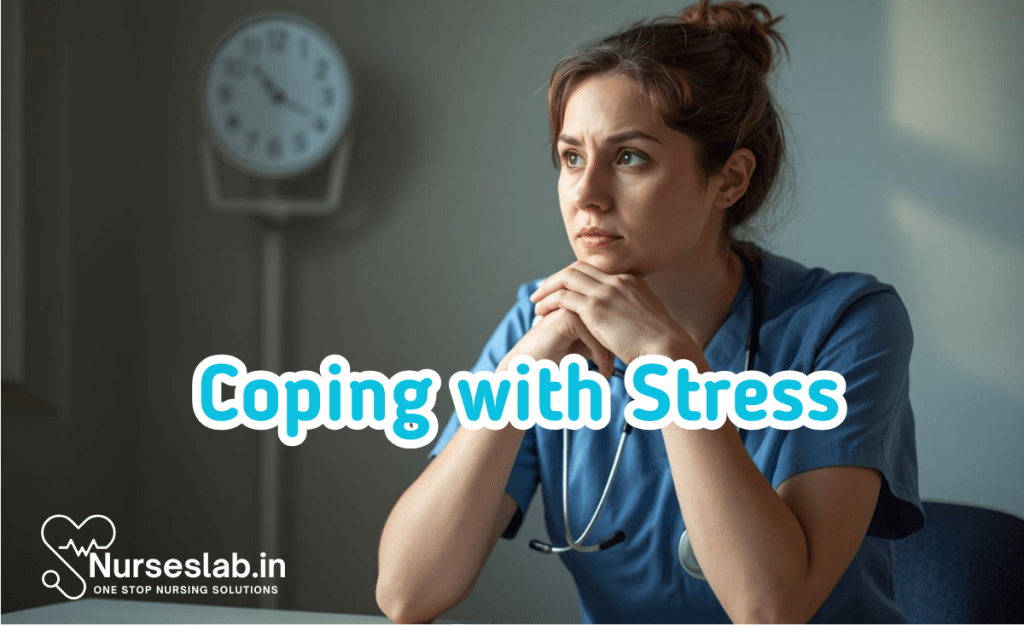
Stress is an inevitable aspect of the nursing profession. Nurses frequently encounter situations involving life-and-death decisions, emotional interactions with patients and families, time pressures, and heavy workloads. These factors, when unaddressed, can accumulate, leading to significant stress and even burnout.
Understanding Stress: Definition
Stress is a psychological and physiological response to perceived threats or demands that exceed an individual’s coping resources. In nursing, stress can arise from both external pressures (e.g., workload, shift patterns) and internal factors (e.g., personal expectations, emotional investment in patient outcomes).
Sources of Stress for Nurses
- Workload and Time Pressure: High patient-to-nurse ratios, long shifts, and administrative responsibilities contribute to physical and mental fatigue.
- Emotional Demands: Dealing with suffering, death, and grieving families can take an emotional toll.
- Interpersonal Conflicts: Challenging relationships with colleagues, doctors, or management can create a stressful work environment.
- Lack of Resources: Inadequate staffing, insufficient equipment, or lack of support can exacerbate stress.
- Shift Work and Rotating Schedules: Irregular hours disrupt sleep patterns and social life, impacting overall well-being.
- Legal and Ethical Dilemmas: Navigating complex ethical situations and fears of litigation add another layer of stress.
Impact on Health and Performance
Unmanaged stress can have far-reaching consequences for nurses. Physically, it may lead to headaches, gastrointestinal issues, hypertension, and weakened immunity. Psychologically, chronic stress can result in anxiety, depression, irritability, and reduced job satisfaction. Importantly, high stress levels can impair clinical judgement, communication, and patient safety, making stress management a critical component of professional practice.
Coping Strategies: General Approaches
Coping refers to the cognitive and behavioural efforts employed to manage the demands of stressful situations. For nurses, effective coping not only aids personal well-being but also enhances the quality of patient care. Coping strategies can be broadly categorised into general approaches, which lay the foundation for more specific coping styles discussed later.
- Problem-Solving: Actively addressing the source of stress through planning, seeking solutions, and taking concrete steps.
- Emotional Regulation: Managing emotional responses to stressors through relaxation, mindfulness, or seeking emotional support.
- Seeking Social Support: Turning to colleagues, friends, or family for advice, reassurance, or assistance.
- Time Management: Prioritising tasks, delegating when possible, and setting realistic goals.
- Self-Care: Engaging in activities that promote physical and mental health, such as exercise, hobbies, and adequate rest.
Importance of Effective Coping
Effective coping strategies are vital for maintaining resilience, reducing the risk of burnout, and promoting job satisfaction among nurses. They enable individuals to navigate workplace challenges with greater confidence, contributing to a healthier work environment and better patient outcomes.
Coping Styles According to Roger and Nash
Theoretical Background
Roger and Nash, renowned figures in applied psychology, proposed a model of coping styles that emphasises the individual’s approach to managing stress. Their framework recognises that coping is not a one-size-fits-all process; instead, individuals adopt distinct styles based on personality, experience, and situational factors.
Key Styles
Roger and Nash identified several primary coping styles, each reflecting a unique way of handling stress:
- Confrontive Coping: Directly addressing the problem, often assertively or even aggressively, to alter the situation.
- Distancing: Attempting to detach oneself emotionally from the stressor, often through distraction or minimisation.
- Self-Controlling: Regulating one’s feelings and actions to prevent emotional outbursts or impulsive behaviour.
- Seeking Social Support: Reaching out to others for emotional, informational, or practical assistance.
- Accepting Responsibility: Acknowledging one’s role in the problem and taking steps to rectify it.
- Escape-Avoidance: Evading the problem through denial, wishful thinking, or substance use.
- Planful Problem-Solving: Systematically analysing the situation and developing a plan of action.
- Positive Reappraisal: Reframing the stressor in a more positive light, focusing on personal growth or learning.
Application in Nursing
Understanding these coping styles allows nurses to reflect on their own responses to stress and identify areas for improvement. For instance, a nurse who habitually resorts to escape-avoidance may benefit from developing more active problem-solving skills. Conversely, those who confront stressors assertively may need to balance this with self-control and empathy, especially in sensitive clinical situations. By recognising their preferred coping styles, nurses can adopt a more flexible and adaptive approach to stress management.
Coping Styles According to Cohen and Lazarus
Transactional Model of Stress and Coping
Richard S. Lazarus and Susan Folkman, later expanded by Cohen, developed the Transactional Model of Stress and Coping, a cornerstone in psychological theory. This model posits that stress is not merely a reaction to external events, but a dynamic process involving individual appraisal and coping efforts. According to this model, how a person perceives and interprets a stressor greatly influences their coping response.
Problem-Focused vs Emotion-Focused Coping
Cohen and Lazarus categorise coping strategies into two broad types:
- Problem-Focused Coping: Efforts aimed at managing or altering the source of stress. This includes identifying solutions, seeking information, and taking direct action. For example, a nurse who feels overwhelmed by workload may discuss concerns with a supervisor or reorganise tasks to improve efficiency.
- Emotion-Focused Coping: Strategies aimed at regulating the emotional response to stressors, rather than changing the situation itself. This includes seeking emotional support, engaging in relaxation techniques, or reframing the situation. A nurse coping with the loss of a patient may seek comfort from colleagues or participate in reflective practice to process emotions.
Examples in Nursing Context
- Problem-Focused Example: Implementing a new workflow to reduce medication errors or collaborating with colleagues to share responsibilities during busy shifts.
- Emotion-Focused Example: Practising meditation after a particularly stressful day, or confiding in a mentor about feelings of inadequacy.
Both types of coping are valuable, and effective stress management often involves a blend of problem-focused and emotion-focused strategies, depending on the situation and the individual’s strengths.
Adaptive Coping Styles
Definition
Adaptive coping styles are positive, constructive responses to stress that promote long-term well-being and effective functioning. These strategies help individuals manage stress without causing harm to themselves or others, and often lead to personal growth and resilience.
Examples of Adaptive Coping in Nursing
- Active Problem-Solving: Proactively identifying issues and implementing solutions, such as delegating tasks or requesting additional support.
- Seeking Social Support: Engaging with peers, supervisors, or counsellors for guidance, empathy, and encouragement.
- Mindfulness and Relaxation: Practising deep breathing, meditation, or yoga to reduce tension and improve focus.
- Positive Reappraisal: Viewing challenges as opportunities for learning and professional development.
- Time Management: Prioritising responsibilities, setting achievable goals, and maintaining a work-life balance.
- Assertive Communication: Expressing needs and concerns respectfully, leading to better teamwork and reduced misunderstandings.
- Self-Care: Ensuring adequate sleep, nutrition, exercise, and engaging in hobbies outside work.
Benefits of Adaptive Coping
- Reduces the negative impact of stress on mental and physical health.
- Enhances job satisfaction and professional fulfilment.
- Improves decision-making and clinical performance.
- Fosters resilience, enabling nurses to bounce back from setbacks.
- Promotes a supportive and collaborative work environment.
How Nurses Can Develop Adaptive Coping
- Self-Awareness: Reflect on personal stress triggers and current coping strategies. Keeping a stress diary can help identify patterns.
- Education and Training: Participate in workshops or courses on stress management, communication skills, and emotional intelligence.
- Seeking Feedback: Regularly seek feedback from colleagues and supervisors to gain perspective and improve coping methods.
- Building Support Networks: Cultivate relationships with peers and mentors who can offer guidance and encouragement.
- Practising Mindfulness: Incorporate mindfulness exercises into daily routines to enhance emotional regulation and presence.
- Setting Boundaries: Learn to say no when necessary and delegate tasks appropriately to prevent overload.
- Engaging in Self-Care: Prioritise activities that restore energy and well-being, such as regular exercise, hobbies, and adequate rest.
Maladaptive Coping Styles
Definition
Maladaptive coping styles are negative or unhelpful responses to stress that may provide temporary relief but ultimately harm mental, emotional, or physical well-being. These strategies tend to perpetuate stress or create new problems, undermining both personal health and professional performance.
Examples of Maladaptive Coping in Nursing
- Denial: Refusing to acknowledge the existence or severity of stressors, leading to unresolved issues.
- Substance Misuse: Relying on alcohol, drugs, or excessive caffeine to cope with stress, which can lead to dependency and health problems.
- Avoidance: Evading stressful situations or responsibilities, resulting in increased workload and anxiety.
- Emotional Withdrawal: Isolating oneself from colleagues or patients, reducing social support and increasing feelings of loneliness.
- Self-Blame: Internalising failure and excessively criticising oneself, leading to low self-esteem and depression.
- Aggression: Expressing frustration through anger or hostility towards others, damaging professional relationships.
- Procrastination: Delaying important tasks, which increases pressure and decreases performance.
Risks of Maladaptive Coping
- Increased risk of burnout, anxiety, and depression.
- Negative impact on physical health, such as sleep disturbances and weakened immunity.
- Impaired clinical judgement and decision-making.
- Deterioration of professional relationships and teamwork.
- Potential for disciplinary action or loss of licensure in severe cases (e.g., substance misuse).
How to Recognise and Address Maladaptive Coping
- Self-Reflection: Regularly assess one’s emotional and behavioural responses to stress. Signs of maladaptive coping include chronic fatigue, irritability, or withdrawal from colleagues.
- Feedback from Others: Be receptive to concerns or observations from trusted peers, supervisors, or mentors.
- Professional Support: Seek assistance from counsellors, employee assistance programmes, or mental health professionals when needed.
- Education: Learn about the dangers of maladaptive coping and the benefits of healthier alternatives.
- Developing New Skills: Replace unhelpful habits with adaptive coping techniques, such as mindfulness, assertive communication, and time management.
Practical Strategies for Nurses: Stress Management Techniques
In addition to understanding coping styles, nurses can benefit from practical stress management techniques tailored to the realities of healthcare settings. These strategies are designed to be accessible, effective, and sustainable.
- Breathing Exercises: Practice slow, deep breathing to calm the nervous system and reduce anxiety during stressful moments.
- Progressive Muscle Relaxation: Systematically tense and relax muscle groups to relieve physical tension.
- Mindfulness Meditation: Focus attention on the present moment without judgement, helping to manage rumination and emotional overwhelm.
- Physical Activity: Engage in regular exercise, such as walking, yoga, or swimming, to boost mood and energy.
- Time-Outs: Take short breaks during shifts to rest, hydrate, and regroup mentally.
- Peer Support Groups: Join or form groups where nurses can share experiences, offer advice, and provide mutual encouragement.
- Setting Realistic Goals: Break tasks into manageable steps and celebrate small achievements.
- Journaling: Write about stressful experiences and feelings to gain perspective and process emotions.
- Humour: Use appropriate humour to diffuse tension and foster camaraderie among colleagues.
Building Resilience
Resilience is the capacity to recover quickly from difficulties and adapt to changing circumstances. Building resilience involves cultivating a positive outlook, learning from setbacks, maintaining social connections, and practising self-care. Resilient nurses are better equipped to handle stress, maintain professionalism, and thrive in challenging environments.
Support Systems
Strong support systems are essential for effective coping. These may include family, friends, colleagues, mentors, and professional networks. Organisational support, such as access to counselling services, flexible scheduling, and recognition programmes, also plays a critical role in reducing stress and promoting well-being among nurses.
Conclusion
Stress is an inherent aspect of nursing, but it need not undermine personal well-being or professional effectiveness. By understanding the sources and impacts of stress, recognising various coping styles, and adopting adaptive strategies, nurses can protect their health, enhance their performance, and foster a positive work environment. Both the Roger and Nash model and the Cohen and Lazarus transactional model offer valuable frameworks for understanding coping in nursing. Ultimately, embracing practical stress management techniques, building resilience, and seeking support are essential for thriving in this rewarding yet challenging profession.
Nursing students and professionals are encouraged to prioritise self-care, remain open to learning, and support one another in the journey towards healthy coping. The pursuit of well-being is not only a personal responsibility but a professional imperative, ensuring the highest standard of care for patients and the community.
REFERENCES
- R. Sreevani, Applied Psychology for Nurses, 5th Edition, 2024, Jaypee Publishers, ISBN: 978-9356966963.
- Xavier Belsiyal, Applied Psychology for Nurses, 1st Edition, July 15, 2023, Elsevier Publishers, ISBN: 978-8131266366
- Mary F Porter, Applied Psychology for Nurses, 27 October 2022, Legare Street Press, IBSN: 978-1015804302.
- Douglas A. Bernstein, Introduction to Clinical Psychology, 10th Edition, 31 October 2024, Cambridge University Press, ISBN: 978- 1009379298.
- Sailaxmi Gandhi, Basic and Applied Psychology for Nurses, First Edition, January 2023, Wolters Kluwer Publications, ISBN: 978-9395736534.
- Jacob Anthikad, Psychology for Graduate Nurses, 5th Edition, 30 January 2014, Jaypee Publishers, ISBN: 978-9351521549.
- Kumar, Rajesh. (2017). Basic Psychology for Nurses. https://www.researchgate.net/publication/337811601_Basic_Psychology_for_Nurses
Stories are the threads that bind us; through them, we understand each other, grow, and heal.
JOHN NOORD
Connect with “Nurses Lab Editorial Team”
I hope you found this information helpful. Do you have any questions or comments? Kindly write in comments section. Subscribe the Blog with your email so you can stay updated on upcoming events and the latest articles.