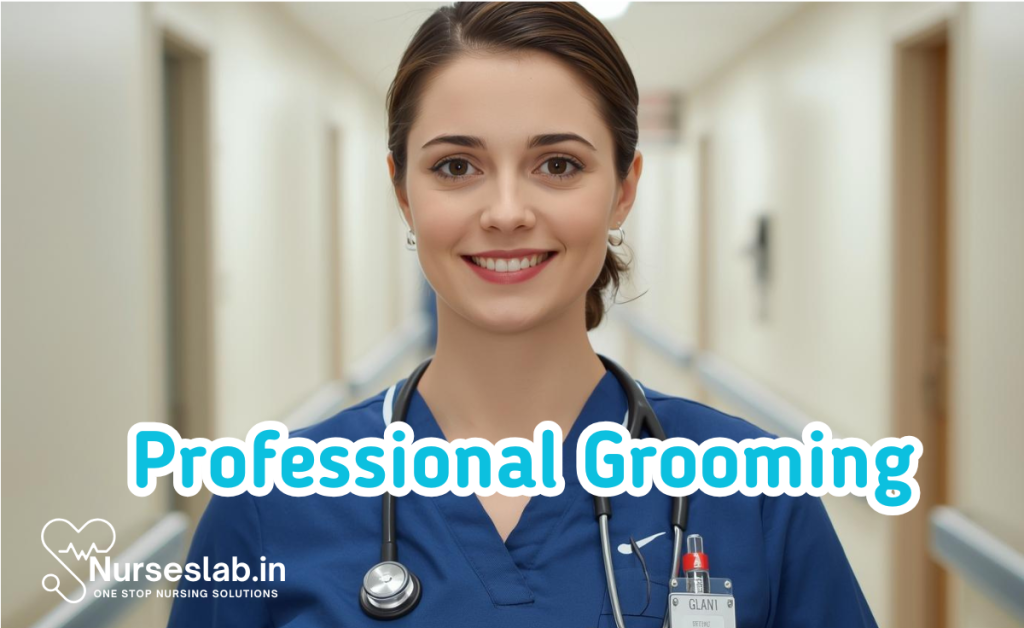
Professional grooming in nursing includes personal hygiene, uniform standards, and respectful appearance. It promotes patient confidence, infection control, and workplace professionalism—essential for ethical care and team collaboration in clinical settings.
Introduction
Professional grooming is far more than a superficial concern; it is an essential aspect of workplace success and personal branding. In today’s competitive environment, first impressions matter significantly, influencing how colleagues, supervisors, and clients perceive you. A polished appearance not only reflects self-respect and discipline but also demonstrates respect for the organisation and its culture. Whether you are a seasoned professional or a job seeker aiming to make an impact, mastering the nuances of professional grooming can enhance confidence, credibility, and career prospects.
Dress Code
Types of Dress Codes in Indian Workplaces
Dress codes may vary depending on industry, organisation, and region, but most Indian workplaces follow one of these broad categories:
- Formal Business Attire: Common in corporate offices, law firms, and banking sectors. Requires suits, blazers, formal shirts, tailored trousers or skirts, and closed-toe shoes.
- Business Casual: Increasingly popular in IT, start-ups, and creative industries. Involves collared shirts, smart trousers, kurta-pyjamas, knee-length dresses, or skirts, and neat shoes or sandals.
- Casual: Usually limited to select days (like ‘Casual Fridays’) or creative environments. Includes jeans, polos, ethnic wear, and comfortable footwear, with certain restrictions.
- Ethnic Wear: Some organisations encourage or allow Indian ethnic wear, such as sarees, salwar suits, or kurta sets, especially during festivals or special occasions.
Dress Code Dos and Don’ts
- Do: Always check your organisation’s dress code policy. When in doubt, opt for more conservative choices.
- Do: Ensure clothes are clean, well-ironed, and free from stains or tears. Fit matters—avoid baggy or excessively tight outfits.
- Do: Stick to neutral, muted, or pastel colours for formal settings. Bright colours or bold patterns can be reserved for casual or ethnic days.
- Don’t: Avoid flashy logos, slogans, or graphics, as these may appear unprofessional.
- Don’t: Refrain from wearing revealing, ripped, or overly casual clothing in professional settings.
- Don’t: Avoid excessive layering or accessories that may distract or cause discomfort.
Cultural Considerations
India’s diverse cultural landscape means that workplaces often have implicit expectations regarding attire. For example, in conservative offices or regions, sleeveless clothing, short skirts, or western wear may not be appropriate. Many organisations are also sensitive to religious or traditional attire, and it is advisable to respect these norms. When attending meetings with international clients, consider their cultural expectations as well.
Hair Setup
Professional Hair Styles
- For Men: Short, neatly trimmed hair is generally preferred. Styles like side partings, crew cuts, or classic comb-overs are safe choices. Long hair should be tied back neatly.
- For Women: Options include ponytails, buns, straightened or neatly styled hair left open, or braids. Avoid extremely elaborate or casual styles in formal settings.
Maintenance and Hygiene
- Wash hair regularly (2–3 times a week), using suitable shampoo and conditioner for your hair type.
- Trim hair every 4–6 weeks to maintain shape and remove split ends.
- Keep the scalp clean and free from dandruff or oiliness.
- Avoid strong-smelling hair products in the workplace.
- For those with facial hair, ensure beards and moustaches are neatly trimmed and well-groomed.
Special Tips for Indian Weather
Humidity and heat can cause frizz or excessive oiliness. Use anti-frizz serums, tie hair up during extreme weather, and carry a small comb or brush for touch-ups. Those who wear religious head coverings should ensure they are clean and properly arranged.
Jewellery
Appropriate Jewellery for the Workplace
- Minimalism is Key: Opt for subtle pieces such as stud earrings, simple chains, slim bangles, or watches. Avoid chunky, flashy, or noisy jewellery.
- For Men: Limit jewellery to watches, wedding rings, or simple chains. Avoid earrings or bracelets unless culturally appropriate.
- For Women: Small earrings, single necklaces, and delicate bangles are acceptable. Nose pins or small nose rings are generally fine in Indian workplaces.
Cultural Sensitivity and Special Occasions
Jewellery often holds cultural and religious significance. Mangalsutras, sindoor, or religious symbols are respected in most Indian offices. However, during interviews or meetings with international clients, consider minimising visible religious or cultural jewellery unless it is an essential aspect of your identity.
Best Practices
- Remove noisy bangles or anklets that may distract colleagues.
- Ensure jewellery is clean, untarnished, and not broken.
- Avoid wearing too many pieces at once—less is more.
Makeup
Guidelines for Professional Makeup
- Subtle and Natural: Opt for a natural look that enhances features without drawing undue attention. Use concealer for blemishes, a light foundation, and minimal blush.
- Eyes: Neutral eyeshadow, a thin line of eyeliner, and a coat of mascara are sufficient. Avoid dramatic colours or heavy smoky eyes for daily wear.
- Lips: Choose nude, pink, or soft brown shades for lipstick or gloss. Avoid bold reds or bright colours unless it is a special occasion.
- For Men: Use concealer or powder to cover blemishes or shine if necessary, especially for client-facing roles or media appearances.
Application Techniques
- Apply makeup in natural light to ensure even coverage.
- Use products suited to your skin type and the local climate—opt for matte or oil-free options in humid weather.
- Carry blotting paper or compact powder for touch-ups during the day.
Workplace Suitability
Heavy or experimental makeup is best saved for after-work hours or festive days. Always ensure makeup is fresh, not smudged, and reapply as needed after meals or long meetings.
Nails
Basic Nail Care for Professionals
- Keep nails clean, trimmed, and free from dirt or stains at all times.
- For women, neutral or pastel nail polishes are preferred. Avoid chipped nail polish, overly bright colours, or elaborate nail art in formal settings.
- For men, short, clean nails are a must. Avoid biting nails or leaving them jagged.
Healthy Nails: Maintenance Tips
- Moisturise hands and nails regularly to avoid dryness and cracking.
- File nails in one direction to prevent splitting.
- Weekly manicures or self-grooming sessions help maintain neatness.
- Avoid using nails as tools to open or scratch surfaces.
Addressing Common Nail Issues
- If suffering from nail infections or discolouration, seek medical advice and avoid applying polish until resolved.
- Use gloves when handling cleaning agents or harsh chemicals to protect nails.
- Be cautious with artificial nails—ensure they are not too long or flashy for the workplace.
Common Mistakes and How to Avoid Them
- Ignoring Company Policy: Always review and adhere to your organisation’s grooming and dress code guidelines.
- Neglecting Personal Hygiene: Cleanliness is non-negotiable; regular bathing, oral hygiene, and use of deodorant are expected.
- Overdoing Accessories or Makeup: Excess is distracting and may be seen as unprofessional.
- Wearing Ill-Fitting Clothes: Comfort and fit are as important as style—avoid both oversized and tight clothing.
- Forgetting Cultural Sensitivity: Dress and grooming should respect local customs and traditions, particularly in client-facing roles.
- Letting Standards Slip on Casual Days: Even on relaxed dress days, maintain a neat and tidy appearance.
Conclusion: The Impact of Grooming on Professional Success
A well-groomed appearance is a silent ambassador for your skills and work ethic. It signals reliability, discipline, and attention to detail—qualities that are universally valued in any workplace. Consistent grooming instils confidence, fosters positive interactions, and opens doors to new opportunities. By adhering to the guidelines outlined in this document, you not only comply with professional norms but also set yourself apart as a polished and capable individual. Remember, grooming is not about vanity; it is about presenting your best self, every single day.
Final Actionable Checklist
- Review your company’s dress code and align your wardrobe accordingly.
- Establish a regular hair and nail care routine.
- Choose minimal, elegant jewellery and subtle makeup.
- Stay mindful of cultural expectations and workplace dynamics.
- Prioritise cleanliness and personal hygiene at all times.
By following these practical steps, you will consistently maintain a professional appearance that supports your ambitions and enhances your workplace reputation. Invest in yourself—because your appearance speaks volumes before you even say a word.
REFERENCES
- R. Sreevani, Applied Psychology for Nurses, 5th Edition, 2024, Jaypee Publishers, ISBN: 978-9356966963.
- Xavier Belsiyal, Applied Psychology for Nurses, 1st Edition, July 15, 2023, Elsevier Publishers, ISBN: 978-8131266366
- Mary F Porter, Applied Psychology for Nurses, 27 October 2022, Legare Street Press, IBSN: 978-1015804302.
- Douglas A. Bernstein, Introduction to Clinical Psychology, 10th Edition, 31 October 2024, Cambridge University Press, ISBN: 978- 1009379298.
- Sailaxmi Gandhi, Basic and Applied Psychology for Nurses, First Edition, January 2023, Wolters Kluwer Publications, ISBN: 978-9395736534.
- Jacob Anthikad, Psychology for Graduate Nurses, 5th Edition, 30 January 2014, Jaypee Publishers, ISBN: 978-9351521549.
- Kumar, Rajesh. (2017). Basic Psychology for Nurses. https://www.researchgate.net/publication/337811601_Basic_Psychology_for_Nurses
Stories are the threads that bind us; through them, we understand each other, grow, and heal.
JOHN NOORD
Connect with “Nurses Lab Editorial Team”
I hope you found this information helpful. Do you have any questions or comments? Kindly write in comments section. Subscribe the Blog with your email so you can stay updated on upcoming events and the latest articles.