Introduction
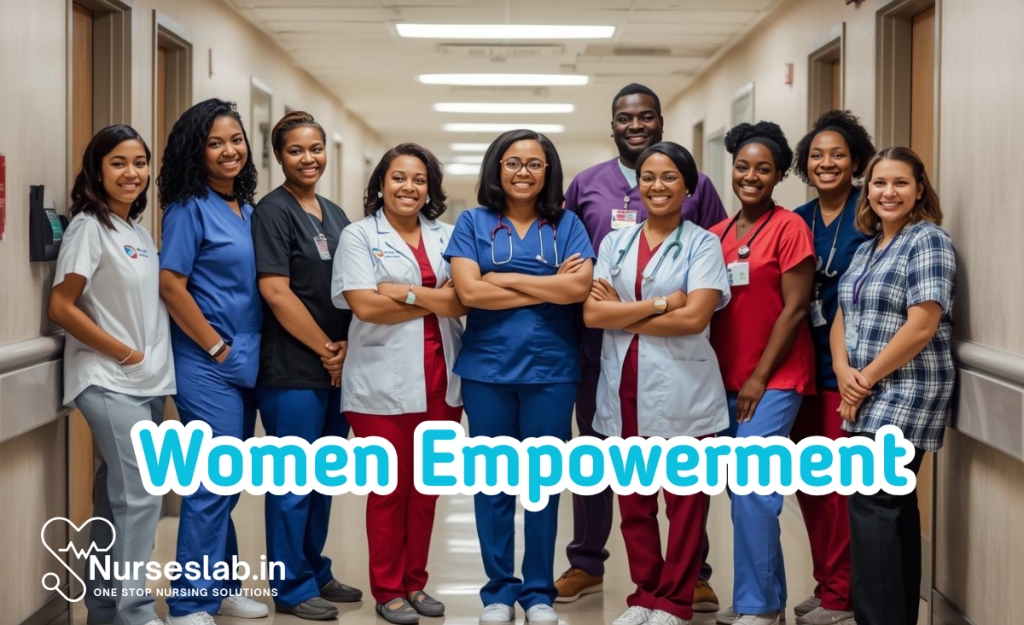
Women empowerment is a multifaceted process that enables women to realise their full potential, participate actively in all spheres of life, and exercise equal rights and responsibilities as their male counterparts. It involves creating an environment where women can make independent choices, access opportunities, and contribute meaningfully to society.
Historical Perspective
The journey towards women empowerment has deep historical roots. Traditionally, many societies, including India, were patriarchal, with women occupying subordinate roles in family, community, and public life. Ancient texts and folklore reveal both reverence for and marginalisation of women, depending on the era and context. The struggle for women’s rights gained momentum in the 19th and 20th centuries, fuelled by social reformers, freedom movements, and global advocacy for human rights.
Key milestones include the suffrage movement, legislative reforms such as the Hindu Code Bill in India, and international conventions like the Convention on the Elimination of All Forms of Discrimination Against Women (CEDAW). Over time, the focus has shifted from mere legal equality to holistic empowerment, encompassing economic, social, political, educational, legal, and psychological dimensions.
Dimensions of Women Empowerment
True empowerment transcends a single aspect of life and requires a multidimensional approach. The following key dimensions are integral to comprehensive women empowerment:
1. Social Empowerment
Social empowerment refers to enhancing women’s status and participation within their families and communities. This involves challenging traditional gender roles, promoting equal participation in decision-making, and ensuring access to social networks and support systems. Social empowerment is closely linked to issues such as mobility, freedom from discrimination, and the ability to voice opinions without fear.
2. Economic Empowerment
Economic empowerment is achieved when women have access to financial resources, employment opportunities, entrepreneurship, and control over economic assets. It means women can earn, save, invest, and manage their finances independently. Economic empowerment is crucial for breaking the cycle of poverty, reducing dependency, and enabling women to make autonomous choices regarding their lives and families.
3. Political Empowerment
Political empowerment entails women’s participation in political processes, governance, and leadership roles at all levels—local, state, and national. This includes the right to vote, contest elections, hold public office, and influence policymaking. Political empowerment is essential for ensuring that women’s voices shape laws and policies that affect their lives.
4. Educational Empowerment
Education is a fundamental dimension of empowerment, equipping women with knowledge, skills, and confidence to pursue opportunities and assert their rights. Educational empowerment involves ensuring access to quality education at all levels, eliminating gender disparities in literacy and enrolment, and promoting lifelong learning.
5. Legal Empowerment
Legal empowerment means that women have equal rights under the law and effective access to justice. This encompasses property rights, protection from violence and discrimination, and the ability to claim entitlements through legal mechanisms. Legal empowerment requires both robust laws and their proper implementation.
6. Psychological Empowerment
Psychological empowerment refers to developing self-confidence, self-esteem, and the belief in one’s ability to influence personal and societal outcomes. It is fostered through education, supportive environments, and positive role models. Psychological empowerment enables women to overcome internalised biases and pursue ambitions without restraint.
Components and Parameters of Women Empowerment
Women empowerment is not an abstract ideal but a measurable process with specific components and parameters. The following elements are central to assessing and fostering empowerment:
1. Access to Education
Education is both a right and a powerful tool for empowerment. Ensuring that girls and women have equal access to primary, secondary, and higher education is a basic parameter of empowerment. Education opens doors to employment, health awareness, civic participation, and social mobility.
2. Economic Independence
Economic independence is characterised by women’s participation in the workforce, ownership of assets, access to credit and banking, and entrepreneurship opportunities. Parameters include the gender pay gap, representation in different sectors, and access to financial services.
3. Legal Rights and Entitlements
Empowerment depends on the existence and enforcement of laws that guarantee equal rights. This includes property and inheritance rights, protection against domestic violence, and access to legal remedies. Parameters include awareness of legal rights, access to legal aid, and the effectiveness of judicial processes.
4. Decision-Making Power
Empowerment is reflected in the ability to make decisions regarding personal, familial, and community matters. Parameters include women’s participation in household decisions, representation in local bodies, and involvement in community organisations.
5. Health and Safety
Women’s health and safety are foundational to empowerment. This involves access to healthcare, reproductive rights, freedom from gender-based violence, and safe working environments. Parameters include maternal mortality rates, access to reproductive health services, and prevalence of violence against women.
6. Social and Political Participation
Active participation in social, cultural, and political life is a key component of empowerment. Parameters include rates of political representation, leadership positions in civil society, and involvement in advocacy and community initiatives.
Importance of Women Empowerment in Society
The empowerment of women is not merely a matter of justice or human rights; it is a critical driver of social, economic, and national development. The significance of empowering women extends across multiple dimensions:
1. Impact on Families
Empowered women contribute to healthier, better-educated, and more prosperous families. They are more likely to invest in their children’s education, nutrition, and well-being, breaking the intergenerational cycle of poverty and disadvantage.
2. Community Development
Women’s active participation in community affairs leads to more inclusive, equitable, and responsive development. Empowered women serve as change agents, mobilising resources, advocating for social justice, and fostering community cohesion.
3. Economic Growth
Women’s employment and entrepreneurship expand the productive capacity of the economy. Studies have shown that increasing women’s labour force participation boosts GDP, enhances innovation, and leads to more resilient economies. Economically empowered women are also more likely to support local businesses and contribute to community development.
4. National Development
Gender equality and women’s empowerment are recognised as essential for achieving national development goals, including those outlined in the Sustainable Development Goals (SDGs). Empowering women leads to more balanced and sustainable growth, better governance, and improved social indicators.
5. Social Justice and Human Rights
Empowering women is a matter of social justice, ensuring that half the population enjoys equal rights, opportunities, and dignity. It is also a prerequisite for the realisation of universal human rights and the creation of fair and just societies.
Barriers to Women Empowerment
Despite significant progress, numerous barriers continue to impede women’s empowerment. These challenges are often interlinked and require coordinated efforts to overcome.
1. Cultural Norms and Patriarchy
Deep-rooted cultural attitudes and patriarchal traditions often limit women’s roles to domestic spheres, restrict their mobility, and discourage participation in public life. Stereotypes about gender roles perpetuate discrimination and hinder efforts towards equality.
2. Lack of Education
Inadequate access to quality education remains a major obstacle, particularly in rural and marginalised communities. Early marriage, gender bias in schools, and financial constraints prevent many girls from completing their education, limiting their opportunities for empowerment.
3. Economic Dependency
Economic dependency on male family members restricts women’s ability to make independent decisions, access resources, and escape abusive situations. Limited access to employment, credit, and property ownership exacerbates this dependency.
4. Legal and Political Obstacles
While legal frameworks have improved, gaps in implementation, lack of awareness, and systemic bias continue to limit women’s access to justice and political representation. Laws protecting women’s rights are often poorly enforced, and women face barriers in contesting elections and participating in governance.
5. Violence and Discrimination
Gender-based violence—such as domestic violence, sexual harassment, trafficking, and honour killings—remains a pervasive barrier to empowerment. Discrimination in workplaces, educational institutions, and public spaces undermines women’s confidence and safety.
6. Health Challenges
Limited access to healthcare, reproductive services, and information affects women’s physical and mental well-being. High maternal mortality rates, malnutrition, and lack of reproductive autonomy are persistent challenges in many regions.
Case Studies and Examples
Understanding real-world examples helps illustrate the transformative potential of women empowerment and the challenges that remain.
Case Study 1: Self-Help Groups (SHGs) in India
Self-Help Groups (SHGs) have been instrumental in empowering rural women across India. By pooling resources, accessing microcredit, and engaging in collective enterprises, women in SHGs have achieved economic independence, improved social status, and greater participation in community decision-making. Programmes like the National Rural Livelihood Mission (NRLM) have scaled up these initiatives, impacting millions of women.
Case Study 2: Women’s Political Representation in Panchayati Raj
The 73rd and 74th Constitutional Amendments in India mandated reservations for women in local governance bodies (Panchayati Raj Institutions). This policy has significantly increased women’s political participation at the grassroots level. Women leaders have championed issues such as sanitation, education, and health, demonstrating the value of women’s perspectives in governance.
Case Study 3: Global Example – Rwanda’s Gender Parity in Parliament
Rwanda has achieved one of the highest rates of women’s representation in parliament globally, with women occupying over 60% of seats. This has led to progressive legislation on gender equality, health, and education. Rwanda’s experience underscores the impact of political will and affirmative action in advancing women’s empowerment.
Case Study 4: Digital Literacy Initiatives for Women
Digital literacy programmes, such as India’s “Digital Saksharta Abhiyan”, have empowered women by providing them with essential digital skills. Access to technology has enabled women to pursue online education, entrepreneurship, and access government services, bridging the digital divide and fostering economic and social inclusion.
Strategies and Recommendations for Advancing Women Empowerment
Achieving comprehensive women empowerment requires coordinated action across multiple fronts. The following strategies are recommended for students, educators, policymakers, and community leaders:
1. Strengthening Education and Skill Development
- Ensure universal access to quality education for girls at all levels, including scholarships and incentives to reduce dropout rates.
- Promote vocational training and skill development programmes tailored to local economic opportunities.
- Integrate gender equality and leadership modules in school and college curricula.
2. Promoting Economic Opportunities
- Facilitate women’s access to formal employment, entrepreneurship, and credit facilities.
- Support women-led enterprises and cooperatives through training, mentorship, and market linkages.
- Implement gender-sensitive workplace policies, including equal pay, maternity benefits, and safe working conditions.
3. Enhancing Legal Awareness and Access to Justice
- Conduct legal literacy campaigns to raise awareness about women’s rights and available remedies.
- Strengthen legal aid services and fast-track courts for cases involving gender-based violence and discrimination.
- Ensure effective implementation of existing laws and periodic review to address emerging challenges.
4. Encouraging Political Participation and Leadership
- Promote women’s representation in political parties, electoral processes, and governance structures.
- Provide leadership training and mentorship for aspiring women leaders.
- Implement quotas and affirmative action policies where necessary to overcome systemic barriers.
5. Addressing Violence and Ensuring Safety
- Strengthen laws and enforcement mechanisms to prevent and respond to gender-based violence.
- Establish support services, such as helplines, shelters, and counselling, for survivors of violence.
- Promote community-based interventions to challenge norms that condone violence and discrimination.
6. Fostering Social and Cultural Change
- Engage men and boys as allies in promoting gender equality and challenging stereotypes.
- Use media, arts, and popular culture to highlight positive role models and success stories.
- Encourage community dialogue and participation to address harmful practices such as dowry, child marriage, and preference for sons.
7. Leveraging Technology and Innovation
- Expand digital literacy and access to technology for women and girls, especially in rural areas.
- Utilise technology platforms for education, entrepreneurship, and access to services.
- Promote women’s participation in STEM (Science, Technology, Engineering, and Mathematics) fields.
Conclusion
Women empowerment is a transformative force that benefits individuals, families, communities, and nations. While significant progress has been made, persistent barriers require sustained and collective efforts. By addressing social, economic, political, educational, legal, and psychological dimensions, society can unlock the full potential of women and achieve inclusive, equitable development.
It is the responsibility of every stakeholder—students, educators, policymakers, community leaders, and citizens—to champion the cause of women empowerment. Through education, advocacy, policy reforms, and cultural change, we can build a society where women and men enjoy equal rights, opportunities, and dignity. The journey towards women empowerment is ongoing, but with commitment and collaboration, a more just and prosperous future is within reach.
REFERENCES
- R. Sreevani, Applied Psychology for Nurses, 5th Edition, 2024, Jaypee Publishers, ISBN: 978-9356966963.
- Xavier Belsiyal, Applied Psychology for Nurses, 1st Edition, July 15, 2023, Elsevier Publishers, ISBN: 978-8131266366
- Mary F Porter, Applied Psychology for Nurses, 27 October 2022, Legare Street Press, IBSN: 978-1015804302.
- Douglas A. Bernstein, Introduction to Clinical Psychology, 10th Edition, 31 October 2024, Cambridge University Press, ISBN: 978- 1009379298.
- Sailaxmi Gandhi, Basic and Applied Psychology for Nurses, First Edition, January 2023, Wolters Kluwer Publications, ISBN: 978-9395736534.
- Jacob Anthikad, Psychology for Graduate Nurses, 5th Edition, 30 January 2014, Jaypee Publishers, ISBN: 978-9351521549.
- Kumar, Rajesh. (2017). Basic Psychology for Nurses. https://www.researchgate.net/publication/337811601_Basic_Psychology_for_Nurses
Stories are the threads that bind us; through them, we understand each other, grow, and heal.
JOHN NOORD
Connect with “Nurses Lab Editorial Team”
I hope you found this information helpful. Do you have any questions or comments? Kindly write in comments section. Subscribe the Blog with your email so you can stay updated on upcoming events and the latest articles.