


Personal disorganization refers to a lack of structure in managing time, tasks, or space. It can lead to missed deadlines, stress, and reduced efficiency. Understanding its causes—like overwhelm, ADHD, or burnout—can guide strategies for better organization and well-being.
Introduction
Among the many sociological concepts relevant to nursing, personal disorganization stands out due to its profound impact on health behaviours, patient outcomes, and the overall quality of care.
Understanding personal disorganization from a sociological perspective is crucial for nurses. It not only illuminates the underlying factors contributing to patient distress but also guides interventions that promote healing and well-being. By examining personal disorganization, nurses can identify barriers to recovery, strengthen therapeutic relationships, and create supportive environments that facilitate positive change.
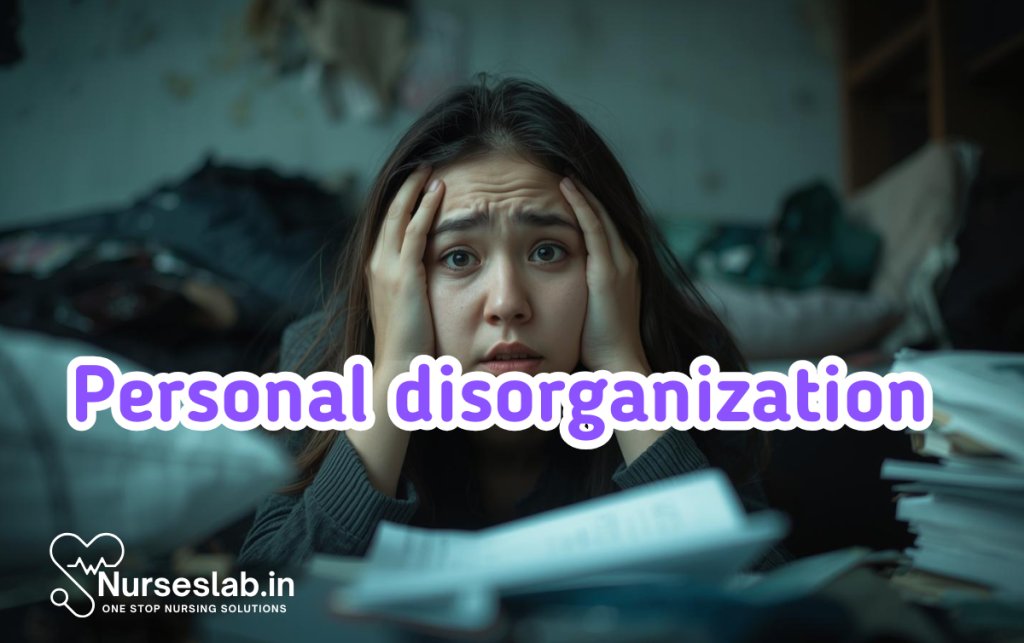
Understanding Personal Disorganization
Definition
Personal disorganization refers to a state in which an individual experiences a breakdown or disturbance in their ability to manage daily life, maintain social roles, and uphold personal routines. It is characterised by confusion, lack of direction, impaired decision-making, and difficulty in adapting to social norms and expectations. Unlike social disorganization, which pertains to the breakdown of community structures, personal disorganization centres on the individual’s psychological, behavioural, and social functioning.
Historical Context
The concept of personal disorganization has roots in early sociological thought, particularly in the works of scholars like Emile Durkheim and William Thomas. Durkheim’s studies on anomie—a state of normlessness—highlighted how rapid social change and weakened collective norms could lead to personal instability and maladjustment. William Thomas and Florian Znaniecki further explored how individuals respond to social disorganization, emphasising the interplay between societal pressures and personal adaptation.
Relevance to Sociology
In sociology, personal disorganization is viewed as both a symptom and a consequence of broader social processes. It reflects the individual’s struggle to cope with shifting social roles, conflicting expectations, and stressful life events. For nurses, understanding this concept is key to recognising the social underpinnings of patient behaviour and tailoring interventions that address not only physical symptoms but also psychosocial needs.
Sociological Theories Explaining Personal Disorganization
Functionalism
Functionalist theory, pioneered by Durkheim and Parsons, posits that society functions as an interconnected system, with each part contributing to overall stability. Personal disorganization arises when individuals are unable to fulfil their social roles due to disruptions in societal norms or support systems. For instance, sudden illness or bereavement can destabilise an individual’s routine, leading to confusion and withdrawal. Nurses, as part of the healthcare system, play a crucial role in restoring equilibrium by providing support, guidance, and reassurance.
Conflict Theory
Conflict theory, associated with Karl Marx, emphasises the role of power, inequality, and social conflict in shaping individual experiences. Personal disorganization can result from structural inequalities such as poverty, discrimination, or lack of access to healthcare. Patients facing economic hardship may struggle to manage their health, adhere to treatment, or maintain daily routines, resulting in personal disorganization. Nurses must recognise these underlying factors and advocate for equitable care and social justice.
Symbolic Interactionism
Symbolic interactionism focuses on the meanings individuals attach to their experiences and interactions. Personal disorganization, from this perspective, is shaped by how people interpret and respond to life events, illness, and social expectations. For example, a patient who perceives their illness as a loss of identity may withdraw socially, neglect self-care, and experience emotional turmoil. Nurses can use therapeutic communication to help patients reframe their experiences, rebuild self-esteem, and foster resilience.
Application to Personal Disorganization
These sociological theories provide a framework for understanding the multifaceted nature of personal disorganization. By integrating functionalist, conflict, and interactionist perspectives, nurses can develop holistic care plans that address social, psychological, and cultural dimensions of patient well-being.
Causes and Contributing Factors
Social Factors
Social isolation, lack of social support, and disrupted family relationships are common contributors to personal disorganization. Patients who feel disconnected from their communities or families may struggle to manage daily life, leading to feelings of loneliness, hopelessness, and confusion.
Psychological Factors
Mental health conditions such as depression, anxiety, and trauma can precipitate personal disorganization. Emotional distress impairs decision-making, motivation, and coping skills, making it difficult for individuals to maintain routines and fulfil responsibilities.
Economic Factors
Financial instability, unemployment, and poverty increase vulnerability to personal disorganization. Economic hardship limits access to resources, healthcare, and social opportunities, exacerbating stress and undermining self-efficacy. Nurses often encounter patients who are unable to afford medications, nutritious food, or safe housing, all of which contribute to personal disorganization.
Environmental Factors
Unstable or unsafe living environments, frequent relocations, and exposure to violence disrupt daily routines and sense of security. Environmental stressors compound psychological and social challenges, making it harder for individuals to organise their lives effectively.
Cultural Factors
Cultural norms, values, and expectations influence how individuals perceive and respond to personal disorganization. For example, stigma associated with mental illness or chronic disease may discourage patients from seeking help, increasing isolation and distress. Nurses must be sensitive to cultural differences and adapt their care approaches accordingly.
Manifestations of Personal Disorganization
Behavioural Symptoms
Personal disorganization manifests in various behavioural patterns, including neglect of personal hygiene, disordered eating, substance abuse, and inability to manage time or tasks. In healthcare settings, patients may miss appointments, fail to adhere to treatment regimens, or exhibit erratic behaviour.
Emotional Symptoms
Emotional symptoms include anxiety, depression, irritability, and mood swings. Patients experiencing personal disorganization often report feeling overwhelmed, confused, and unable to cope with everyday stressors.
Social Symptoms
Social withdrawal, impaired communication, and difficulty maintaining relationships are common indicators of personal disorganization. In hospital environments, patients may isolate themselves from staff and other patients, avoid group activities, or struggle to express their needs.
Examples in Healthcare Settings
Consider a patient with uncontrolled diabetes who repeatedly misses appointments and neglects dietary recommendations. This behaviour may stem from personal disorganization caused by social isolation, economic hardship, or mental health issues. Similarly, an elderly patient admitted for pneumonia may exhibit confusion, forgetfulness, and poor self-care due to personal disorganization triggered by illness and hospitalisation.
Impact on Health and Nursing Practice
Effects on Patient Care
Personal disorganization complicates patient care by impeding communication, adherence to treatment, and recovery. Patients may struggle to follow medical advice, forget medications, or misunderstand instructions, increasing the risk of complications and hospital readmissions.
Nurse-Patient Relationships
Effective nurse-patient relationships depend on trust, understanding, and collaboration. Personal disorganization can create barriers to rapport, making it difficult for nurses to assess needs, provide education, and deliver compassionate care. Nurses must employ patience, empathy, and active listening to build connections and support patients through periods of disorganization.
Team Dynamics
Personal disorganization affects not only individual patients but also the dynamics of healthcare teams. Disorganized behaviour may disrupt routines, increase workload, and create stress among staff. Interdisciplinary collaboration and clear communication are essential for managing these challenges and ensuring continuity of care.
Healthcare Outcomes
Unaddressed personal disorganization can lead to poor health outcomes, prolonged hospital stays, and increased healthcare costs. By recognising and addressing personal disorganization, nurses can promote recovery, enhance patient satisfaction, and reduce the burden on healthcare systems.
Role of Nurses in Addressing Personal Disorganization
Assessment
Nurses play a critical role in identifying personal disorganization through comprehensive assessment. This includes evaluating behavioural, emotional, and social symptoms, as well as exploring underlying causes such as mental health, social support, and environmental factors. Standardised assessment tools and open-ended interviews can help nurses gather relevant information and develop targeted interventions.
Communication
Clear, compassionate communication is essential for supporting patients experiencing personal disorganization. Nurses should use simple language, repeat information as needed, and provide written instructions to reinforce understanding. Active listening and validation of patient concerns foster trust and engagement.
Support Strategies
Nurses can offer practical support by assisting with daily routines, organising medication schedules, and facilitating access to resources such as social services, counselling, and community programmes. Encouraging family involvement and peer support enhances patient resilience and reduces isolation.
Interdisciplinary Collaboration
Addressing personal disorganization requires collaborative efforts among nurses, physicians, social workers, psychologists, and other healthcare professionals. Interdisciplinary teams can develop comprehensive care plans, coordinate interventions, and monitor progress to ensure optimal outcomes.
Case Studies and Real-life Examples
Case Study 1: Managing Personal Disorganization in a Patient with Chronic Illness
Mr. Kenneth, a 55-year-old man with hypertension and diabetes, frequently misses clinic appointments and struggles to adhere to his medication regimen. Upon assessment, the nurse discovers that Mr. Kenneth lives alone, has limited social support, and is experiencing financial difficulties. The nurse collaborates with a social worker to arrange home visits, connects Mr. Kennethr with a local support group, and provides education on managing his conditions. Over time, Mr. Kenneth shows improved self-care and health outcomes, illustrating the importance of holistic interventions in addressing personal disorganization.
Case Study 2: Addressing Personal Disorganization in an Elderly Patient
Mrs. Sharma, an 80-year-old woman admitted for urinary tract infection, displays confusion, forgetfulness, and neglect of personal hygiene. The nurse identifies underlying factors such as recent bereavement, social isolation, and sensory impairment. Interventions include regular orientation, involvement of family members, and referral to occupational therapy. Mrs. Sharma gradually regains her independence and emotional stability, highlighting the role of nurses in recognising and managing personal disorganization in vulnerable populations.
Case Study 3: Supporting a Young Adult with Mental Health Challenges
Rashid, a 22-year-old student, presents with symptoms of anxiety, poor academic performance, and withdrawal from social activities. The nurse conducts a psychosocial assessment, identifies stressors related to academic pressure and family expectations, and provides counselling and stress management strategies. Referral to a mental health professional and engagement in peer support groups help Rahul regain confidence and organisational skills, demonstrating the effectiveness of early intervention.
Prevention and Intervention Strategies
Education
Health education is a cornerstone of prevention. Nurses should provide patients and families with information on managing stress, maintaining routines, and seeking help when needed. Educational programmes in hospitals and communities can raise awareness about personal disorganization and promote self-care.
Counselling
Counselling services, including psychological support and cognitive behavioural therapy, can help individuals develop coping skills, improve emotional regulation, and address underlying issues contributing to personal disorganization. Nurses should facilitate access to counselling and encourage participation in therapeutic interventions.
Community Resources
Access to community resources such as support groups, social services, and rehabilitation programmes enhances patient resilience and reduces the risk of personal disorganization. Nurses should be familiar with available resources and assist patients in navigating these services.
Policy Implications
Healthcare policies that address social determinants of health, improve access to mental health services, and support vulnerable populations are essential for preventing personal disorganization. Nurses can advocate for policy changes, participate in community outreach, and contribute to public health initiatives that promote social well-being.
Conclusion
Personal disorganization is a complex phenomenon rooted in social, psychological, economic, environmental, and cultural factors. For nurses, understanding personal disorganization is crucial for delivering compassionate, effective, and holistic care. By integrating sociological theories, recognising manifestations, and implementing targeted interventions, nurses can support patients in overcoming disorganization and achieving better health outcomes. The ability to identify and address personal disorganization enhances nurse-patient relationships, strengthens healthcare teams, and contributes to the overall quality of care. As nursing professionals and students, embracing sociological insights empowers us to make a meaningful difference in the lives of our patients and communities.
Recommendations for Nursing Practice:
- Incorporate sociological assessment into routine patient care.
- Develop communication skills that foster trust and understanding.
- Collaborate with interdisciplinary teams to address complex needs.
- Advocate for policies that support social and mental well-being.
- Engage in ongoing education and professional development.
By addressing personal disorganization with empathy, knowledge, and collaboration, nurses can help patients regain control, restore balance, and lead healthier, more fulfilling lives.
REFERENCES
- R Sreevani, Applied Sociology for Nurses, 2nd Edition, 2023, Jaypee Publishers, ISBN: 978-9356962866.
- I. Clement, Sociology for Nurses, 3rd Edition, 2023, Pearson Publishers, ISBN: 978-9357053273.
- Denny, Earle, Hewison, Sociology for Nurses, 3rd Edition, 2016, Wiley Publishers, ISBN: 978-1509505401.
- Hannah Cooke, Sociological Approaches to Health, Healthcare and Nursing, 1st Edition, September 9, 2024, ISBN: 978-0702083143.
- Jacob Anthikad, Sociology for Graduate Nurses, 2nd Edition, 2014, Jaypee Publishers, ISBN: 978-9351520085.
- Personal Disorganization, https://www.sociologylens.in/2021/08/personal-disorganization.html
- Tubergen, Frank. March 2020. Introduction to Sociology. ISBN: 978-1351134958. https://www.researchgate.net/publication/339505825_Introduction_to_Sociology
Stories are the threads that bind us; through them, we understand each other, grow, and heal.
JOHN NOORD
Connect with “Nurses Lab Editorial Team”
I hope you found this information helpful. Do you have any questions or comments? Kindly write in comments section. Subscribe the Blog with your email so you can stay updated on upcoming events and the latest articles.


