


Introduction to Lip Lift Surgery
Lip lift surgery is a cosmetic procedure aimed at enhancing the aesthetic appearance of the lips and mouth area. By shortening the distance between the upper lip and the base of the nose, this surgical technique creates a fuller and more pronounced upper lip, contributing to a more youthful and balanced facial profile. With the increasing popularity of minimally invasive facial enhancement procedures, lip lifts have become a sought-after alternative to injectable fillers for individuals desiring long-lasting and natural-looking results.
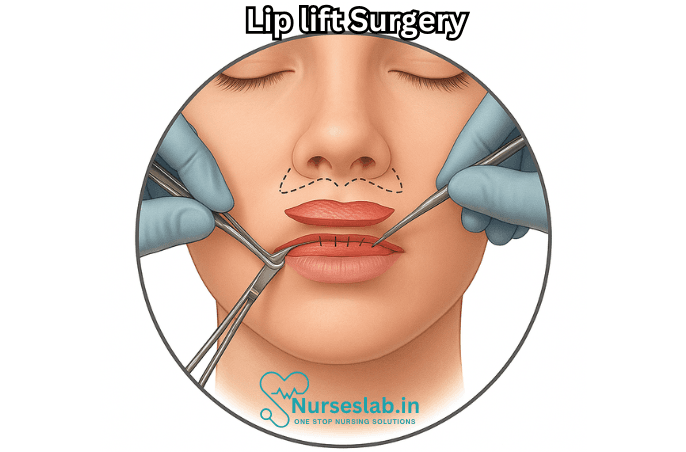
What is a Lip Lift?
A lip lift is a surgical intervention designed to elevate the position of the upper lip. The procedure primarily reduces the space between the upper lip and the nose (known as the philtrum), which can elongate with age or be naturally longer in some individuals. By lifting the upper lip, the surgery exposes more of the pink vermillion (the colored part of the lips), making the lips appear fuller and more youthful without adding external volume or implants.
Types of Lip Lift Procedures
- Bullhorn (Subnasal) Lip Lift: The most common technique, where a small incision is made under the base of the nose in the shape of a bullhorn. A strip of skin is removed, and the upper lip is gently lifted and sutured in place.
- Direct Lip Lift: Also known as a “gullwing” lift, this involves making an incision just above the border of the upper lip, removing a strip of skin, and elevating the lip. This method offers dramatic results but can leave a more visible scar.
- Corner Lip Lift: This technique targets the corners of the mouth, lifting the drooping edges to create a more upturned, youthful smile. Often combined with other lip procedures.
- Italian Lip Lift: Involves two small incisions below each nostril, allowing for a subtle elevation with minimal scarring.
Who is a Good Candidate for Lip Lift Surgery?
Lip lift surgery is suitable for individuals seeking to improve the appearance of their upper lip and achieve a more harmonious facial balance. The ideal candidates include those who:
- Have a long philtrum (distance between the nose and upper lip)
- Desire more visible upper teeth when the lips are relaxed
- Want a permanent alternative to lip fillers
- Experience age-related elongation or thinning of the upper lip
- Are non-smokers and in good general health
- Have realistic expectations about the outcome
Certain conditions or medical histories, such as bleeding disorders, poor wound healing, or certain medications, might preclude someone from being an ideal candidate. A thorough consultation with a board-certified plastic surgeon is essential.
Consultation and Preoperative Considerations
Before undergoing a lip lift, it is important to consult with an experienced surgeon. During this appointment, the surgeon will:
- Assess facial anatomy and proportions
- Discuss aesthetic goals and expectations
- Review medical history and any current medications
- Explain the risks, benefits, and limitations of the procedure
- Provide preoperative instructions, such as avoiding certain medications and supplements before surgery
Photographs may be taken to assist in planning and to provide a point of comparison for post-surgical results.
The Lip Lift Procedure: Step-by-Step
Lip lift surgery is typically performed as an outpatient procedure under local anesthesia, with or without mild sedation. The process generally follows these steps:
- The surgical area is cleaned and sterilized.
- Local anesthesia is administered to numb the upper lip and nose base.
- The surgeon marks the incision lines, most commonly at the base of the nose.
- A precise amount of skin and tissue is removed to achieve the desired lift.
- The remaining skin is carefully sutured, ensuring minimal tension for optimal healing.
- A dressing may be applied to protect the incision site.
The entire procedure usually takes between 30 minutes to one hour.
Techniques and Scarring
Scarring is an important consideration. The bullhorn approach hides the scar in the natural crease below the nose, making it less noticeable. Other methods may leave more visible scars, especially with direct lifts. Surgeons employ delicate suturing and provide scar care advice to help scars fade over time.
Recovery After Lip Lift Surgery
Recovery from a lip lift procedure is generally straightforward, but patients can expect some swelling, bruising, and mild discomfort for a few days post-surgery. Key aspects of recovery include:
- First 48 hours: Swelling and bruising peak; cold compresses and keeping the head elevated can help.
- 1 week: Stitches are often removed or dissolve, and swelling begins to subside.
- 2 weeks: Most bruising has resolved; patients may resume most normal activities.
- 4-6 weeks: Visible healing continues, and scars begin to fade.
Patients should follow all postoperative instructions, including:
- Avoiding strenuous exercise for at least two weeks
- Keeping the incision clean and dry
- Not smoking or using nicotine products, as this can impair healing
- Applying recommended ointments and following up with the surgeon
Mild numbness or tightness around the incision site is common but usually resolves within weeks to months.
Risks and Potential Complications
As with any surgical procedure, a lip lift carries certain risks. These may include:
- Infection
- Bleeding or hematoma formation
- Poor wound healing or noticeable scarring
- Allergic reactions to anesthesia
- Asymmetry or unsatisfactory aesthetic results
- Changes in sensation (numbness or tingling)
Choosing a qualified and experienced surgeon minimizes these risks. If any concerning symptoms arise, such as excessive pain, pus, or prolonged swelling, patients should contact their healthcare provider promptly.
Expected Results and Longevity
The results of a lip lift are visible immediately after the initial swelling subsides and continue to improve as the tissues heal over the following weeks. The final appearance is typically achieved within three to six months. Unlike temporary fillers, a lip lift provides a permanent enhancement, although the natural aging process will continue to affect tissues over time.
Most patients report high satisfaction with the improved definition and youthful appearance of their lips. The procedure can also improve dental show—how much of the upper teeth are visible when the mouth is relaxed—which is often associated with a more vibrant expression.
Alternatives to Lip Lift Surgery
For individuals not ready for surgery, several non-surgical options exist:
- Lip Fillers: Injectable hyaluronic acid fillers temporarily add volume and shape but require ongoing maintenance.
- Lip Thread Lifts: Threads placed under the skin to provide a subtle lifting effect with less downtime.
- Lip Implants: Synthetic implants can add volume but do not shorten the philtrum.
- Makeup Techniques: Skillful application can create the illusion of fuller lips for those who prefer non-invasive changes.
Each method has its pros and cons, and consulting a professional can help determine the best approach based on individual needs and goals.
Nursing Care of Patients Undergoing Lip Lift Surgery
Lip lift surgery is a cosmetic procedure designed to alter the shape and height of the upper lip, typically by removing a small strip of skin beneath the nose, thereby elevating the lip and creating a fuller, more youthful appearance. As with any surgical procedure, optimal nursing care is crucial for ensuring patient safety, comfort, and desired aesthetic outcomes. This document outlines detailed nursing care considerations, postoperative management, and patient education for individuals who have undergone lip lift surgery.
Preoperative Nursing Care
Patient Assessment and Preparation
- Thorough Medical History: Review the patient’s medical history, including allergies, bleeding disorders, medication use (especially anticoagulants or antiplatelets), history of keloids, smoking, and previous cosmetic procedures.
- Physical Examination: Assess facial anatomy, skin quality, and any signs of infection or inflammation in the perioral area.
- Psychosocial Assessment: Evaluate patient expectations, understanding of the procedure, and support systems.
Patient Education
- Explain the surgical process, expected results, risks, and potential complications such as infection, scarring, asymmetry, or dissatisfaction.
- Discuss preoperative instructions, such as discontinuing certain medications, avoiding smoking, and arranging for transport and assistance after surgery.
- Describe postoperative expectations, including swelling, bruising, numbness, and the importance of adhering to wound care instructions.
Preoperative Instructions
- NPO (nil per os – nothing by mouth) status if general anesthesia is to be used.
- Facial cleansing with antiseptic soap before arrival to reduce the risk of infection.
- Removal of makeup, jewelry, and contact lenses before the procedure.
- Ensure the patient has signed all informed consent forms.
Immediate Postoperative Nursing Care
Monitoring and Assessment
- Vital Signs: Monitor vital signs (BP, HR, RR, SpO₂) as per facility protocol, observing for signs of hemodynamic instability or adverse reactions to anesthesia.
- Airway Management: Ensure the patient’s airway remains patent, especially if local anesthesia with sedation was used.
- Pain Assessment: Regularly assess pain using an appropriate scale and administer prescribed analgesics as needed.
- Wound Inspection: Inspect the surgical site for excessive bleeding, hematoma formation, or signs of infection (redness, warmth, discharge).
Immediate Postoperative Interventions
- Apply cool compresses or ice packs intermittently to minimize swelling and bruising.
- Assist with head elevation to decrease edema and promote venous return.
- Instruct the patient to avoid touching or manipulating the surgical area.
- Administer prophylactic antibiotics and anti-inflammatory medications as ordered.
- Maintain oral hygiene using gentle rinses (e.g., saline or prescribed mouthwash) to prevent infection, avoiding vigorous swishing.
- Monitor for allergic or adverse reactions to medications.
- Document all assessments and interventions clearly in the patient’s chart.
Ongoing Postoperative Nursing Care
Wound Care and Suture Management
- Keep the surgical site clean and dry as per surgeon’s instructions.
- Educate the patient on gentle cleansing of the area, usually with prescribed solutions and cotton swabs.
- Do not apply makeup or creams to the incision site until cleared by the surgeon.
- Observe for dehiscence (wound separation) or abnormal scarring.
- Schedule and assist with suture removal, typically 5–7 days postoperatively, unless absorbable sutures are used.
Pain and Swelling Management
- Continue to assess pain levels and administer prescribed analgesia.
- Encourage cold compresses for the first 48–72 hours post-surgery.
- Advise the patient to sleep with the head elevated for several days to minimize swelling.
- Monitor for persistent or worsening pain, which may indicate complications.
Infection Control
- Strictly enforce hand hygiene before any contact with the surgical site.
- Assess for signs of infection: fever, increased pain, redness, swelling, or purulent discharge.
- Educate the patient on recognizing early symptoms of infection and instruct them to report concerns promptly.
- Ensure completion of prescribed antibiotic courses.
Dietary Considerations
- Encourage a soft diet to avoid excessive oral movement and reduce strain on the surgical site.
- Avoid hot, spicy, or acidic foods that could irritate the incision.
- Promote adequate hydration, but recommend drinking fluids with a straw to minimize lip movement (unless contraindicated).
Oral Hygiene
- Maintain meticulous oral hygiene using a soft-bristled toothbrush.
- Rinse the mouth gently after meals with prescribed solutions.
- Advise against using alcohol-based mouthwashes until healing is complete.
Patient Activity and Lifestyle Modifications
- Advise the patient to avoid strenuous activity, heavy lifting, and bending over for at least a week post-surgery.
- Discourage smoking and alcohol consumption as these impede healing and increase the risk of complications.
- Instruct the patient to avoid excessive facial expressions, yawning, or chewing until cleared by the surgeon.
- Recommend the use of sun protection (sunscreen or physical barriers) to the treated area once healed to prevent hyperpigmentation.
Patient Education and Emotional Support
Education on Expected Recovery
- Inform the patient about the normal course of healing, including swelling, bruising, and changes in lip sensitivity.
- Set realistic expectations regarding the timing of visible results—final outcomes may not be apparent until several weeks post-procedure.
- Provide written instructions for home care and contact details for urgent concerns.
Psychosocial Support
- Acknowledge and validate any feelings of anxiety or self-consciousness about appearance changes during the recovery period.
- Offer resources for counseling or support groups, especially for patients with a history of body image concerns.
- Encourage open communication about emotional well-being during follow-up visits.
Recognition and Management of Complications
Common Complications
- Infection: May present with redness, heat, swelling, pain, or discharge at the incision site.
- Hematoma: Accumulation of blood under the wound causing swelling and discomfort.
- Wound Dehiscence: Partial or complete separation of the wound.
- Scarring and Asymmetry: May require revision surgery if significant.
- Altered Sensation: Temporary or, rarely, permanent numbness or tingling of the lip area.
Nursing Interventions for Complications
- Monitor closely for early signs and symptoms of complications.
- Initiate prompt communication with the surgical team if any adverse events are identified.
- Support wound care as directed, including drainage of hematomas if necessary.
- Provide emotional reassurance and detailed explanations if complications arise.
Follow-Up and Long-Term Care
- Arrange regular follow-up appointments for assessment of healing, removal of sutures, and evaluation of cosmetic outcomes.
- Document all wound assessments, patient concerns, and interventions in the health record.
- Encourage ongoing sun protection and healthy lifestyle choices to maintain results.
REFERENCES
- Jeong TK. Surgical Method of a Corner Mouth Lift (https://www.ncbi.nlm.nih.gov/pmc/articles/PMC7159959/). Plast Reconstr Surg Glob Open. 2020 Feb;8(2):e2653.
- Lee DE, Hur SW, Lee JH, Kim YH, Seul JH. Central Lip Lift as Aesthetic and Physiognomic Plastic Surgery: The Effect on Lower Facial Profile. https://pubmed.ncbi.nlm.nih.gov/26038373/). Aesthet Surg J. 2015 Aug;35(6):698-707.
- Min KH, Lee HJ, Jeong CH, Jeong TK. A modified method for corner mouth lift in scar-prone patients. https://www.ncbi.nlm.nih.gov/pmc/articles/PMC7700860/. Arch Plast Surg. 2020 Nov;47(6):622-625.
- Moragas JS, Vercruysse HJ, Mommaerts MY. Non-filling procedures for lip augmentation: a systematic review of contemporary techniques and their outcomes.https://pubmed.ncbi.nlm.nih.gov/24534683/). J Craniomaxillofac Surg. 2014 Sept;42(6):943-952.
- Talei B. The Modified Upper Lip Lift: Advanced Approach with Deep-Plane Release and Secure Suspension: 823-Patient Series. https://pubmed.ncbi.nlm.nih.gov/31280853/). Facial Plast Surg Clin North Am. 2019 Aug;27(3):385-398.
Stories are the threads that bind us; through them, we understand each other, grow, and heal.
JOHN NOORD
Connect with “Nurses Lab Editorial Team”
I hope you found this information helpful. Do you have any questions or comments? Kindly write in comments section. Subscribe the Blog with your email so you can stay updated on upcoming events and the latest articles.


