


The MMR vaccine is an essential tool in modern public health, providing effective immunity against three serious diseases: measles, mumps, and rubella. These diseases, once common in childhood, can lead to severe complications, long-term health issues, and even death. Since the introduction of the MMR vaccine, the incidence of these illnesses has plummeted in countries with widespread vaccination, saving countless lives and preventing suffering worldwide.
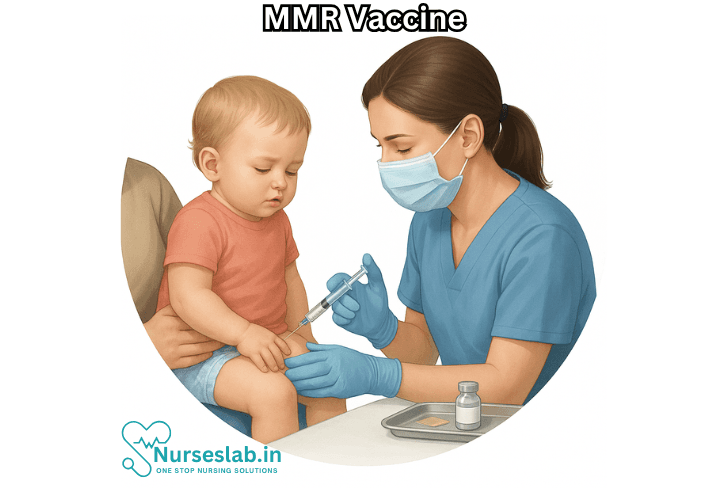
What is the MMR Vaccine?
The MMR vaccine is a combined immunization that protects against three viral diseases:
- Measles – A highly contagious virus causing fever, cough, runny nose, inflamed eyes, and a distinctive rash. Complications can include pneumonia, encephalitis (brain inflammation), and death.
- Mumps – A viral infection that leads to swollen and painful salivary glands, fever, headache, muscle aches, and sometimes more serious complications such as meningitis, encephalitis, and hearing loss.
- Rubella (German measles) – A generally mild illness in children and adults but can cause devastating birth defects if a woman is infected during pregnancy.
The MMR vaccine contains live, attenuated (weakened) forms of the measles, mumps, and rubella viruses. It is administered by injection, most commonly in childhood, but unvaccinated adolescents and adults can also receive it.
History of the MMR Vaccine
The development of the MMR vaccine is a landmark achievement in medical science. Separate vaccines for measles, mumps, and rubella were first developed in the 1960s. The measles vaccine was licensed in the United States in 1963, followed by the mumps vaccine in 1967 and the rubella vaccine in 1969. In 1971, Dr. Maurice Hilleman and his team at Merck combined the three vaccines into one shot, creating the first MMR vaccine.
Since then, the MMR vaccine has become a standard part of childhood immunization schedules worldwide. The introduction and widespread use of the vaccine have resulted in dramatic reductions in the incidence of all three diseases.
How Does the MMR Vaccine Work?
The MMR vaccine works by exposing the immune system to small, weakened amounts of the viruses responsible for measles, mumps, and rubella. Because these viruses are attenuated, they cannot cause the diseases in healthy individuals, but they are still able to provoke an immune response.
The immune system recognizes the viral components as foreign invaders and generates antibodies to fight them off. It also establishes “memory” cells that remain in the body, ready to respond rapidly if exposed to the real viruses in the future. This immunological memory underlies the long-lasting protection offered by the vaccine.
Why is the MMR Vaccine Important?
Before the MMR vaccine, measles, mumps, and rubella caused frequent and widespread outbreaks, particularly among children. Each disease carried a significant risk of complications:
- Measles outbreaks often resulted in hospitalization, permanent hearing loss, brain damage, and death.
- Mumps could cause painful swelling of the testicles or ovaries, leading to infertility in rare cases, as well as meningitis and deafness.
- Rubella was a leading cause of birth defects, including deafness, heart defects, and intellectual disabilities, when contracted during pregnancy.
Vaccination has dramatically reduced these risks. In countries with high vaccine coverage, such as the United States, Canada, the United Kingdom, and much of Europe, cases of measles, mumps, and rubella have become rare.
Immunization Schedule
The MMR vaccine is typically given in two doses:
- The first dose is administered at 12–15 months of age.
- The second dose is given at 4–6 years of age, before entering school.
This schedule ensures optimal immunity before children are exposed to large groups and potential sources of infection. Those who missed the vaccine in childhood can still be immunized later.
Who Should Not Receive the MMR Vaccine?
While the MMR vaccine is safe for the vast majority of people, there are some exceptions. Individuals who should not receive the vaccine include:
- People with severe, life-threatening allergies to any component of the vaccine (including gelatin or neomycin).
- Pregnant individuals. (Women should wait at least one month after vaccination before becoming pregnant.)
- People with severely compromised immune systems, such as those undergoing chemotherapy or advanced HIV infection.
Those with mild illnesses, minor allergies, or previous mild reactions to vaccines can usually still receive the MMR vaccine safely.
Vaccine Safety and Side Effects
The MMR vaccine is extensively studied and monitored for safety. The vast majority of recipients experience no serious side effects. Mild side effects may include:
- Pain, redness, or swelling at the injection site
- Fever
- Mild rash
- Temporary joint pain (more common in adolescents and adults, especially those assigned female at birth)
Rare but more serious side effects (such as allergic reactions or febrile seizures) are possible, but these are extremely uncommon compared to the risks posed by the diseases themselves.
Effectiveness of the MMR Vaccine
The MMR vaccine is highly effective:
- After two doses, about 97% of people are protected against measles, 88% against mumps, and 97% against rubella.
- Outbreaks in highly vaccinated communities often occur among those who were not vaccinated, or, rarely, among individuals whose immunity waned over time.
Widespread vaccination not only protects the individual patient but also creates “herd immunity,” making it difficult for diseases to spread even among those who cannot be vaccinated for medical reasons.
Myths and Misconceptions
Despite the proven safety and effectiveness of the MMR vaccine, some myths persist, most notably the debunked claim linking MMR vaccination to autism. Numerous large-scale studies have found no evidence supporting this claim, and the original study that suggested such a link has been retracted for fraud.
Safety monitoring continues worldwide, with public health agencies and independent researchers confirming the vaccine’s benefits.
Global Impact and Ongoing Challenges
The global effort to vaccinate against measles, mumps, and rubella has saved millions of lives and prevented widespread disability. However, challenges remain:
- In some regions, vaccine coverage is incomplete due to lack of resources, misinformation, or vaccine hesitancy. This has led to recent outbreaks of measles in countries where it was previously eliminated.
- Travel and migration can also introduce these diseases into new populations, making ongoing vigilance essential.
International organizations, including the World Health Organization (WHO) and UNICEF, work to increase vaccine access and education.
What to Expect After Vaccination
After receiving the MMR vaccine, most people resume normal activities immediately. Mild side effects usually resolve within a day or two. It is important to keep immunization records up to date and inform healthcare providers about past vaccinations, especially when planning travel or pregnancy.
Nursing Care of Patients Receiving the MMR Vaccine
Nurses play a critical role in the administration of the MMR vaccine, monitoring for adverse reactions, providing education, and ensuring that patients and their caregivers are fully informed and comfortable throughout the process.
Pre-Vaccination Nursing Assessment
1. Patient History and Screening
- Review the patient’s vaccination history to determine prior immunizations and identify if the MMR vaccine is indicated at this time.
- Assess for any history of previous allergic reactions to neomycin, gelatin, or prior doses of the MMR vaccine.
- Screen for immunocompromising conditions (e.g., HIV/AIDS, leukemia, recent chemotherapy, long-term corticosteroid use) as the MMR vaccine is contraindicated in these patients.
- Ascertain history of thrombocytopenia or any bleeding disorders which may require special consideration during administration.
- Determine possible pregnancy in female patients of childbearing age, as the MMR vaccine is contraindicated during pregnancy and conception should be avoided for at least 28 days post-vaccination.
- Identify recent receipt of blood products or immunoglobulins, as these may interfere with vaccine efficacy.
- Assess current health status; defer vaccination if the patient has a moderate or severe febrile illness.
2. Patient and Family Education
- Discuss the purpose, benefits, and expected outcomes of the vaccination.
- Explain the potential side effects and risks, including mild reactions (fever, rash, mild swelling) and rare severe reactions (anaphylaxis, febrile seizures).
- Alleviate fears and misconceptions about vaccinations, addressing common myths with evidence-based information.
- Provide information about the vaccination schedule and the need for follow-up doses as recommended by health authorities.
3. Informed Consent
- Ensure that the patient (and/or legal guardian) understands the information provided and has an opportunity to ask questions.
- Obtain informed consent as required by institutional policy and local regulations before administration of the vaccine.
Vaccine Preparation and Administration
1. Vaccine Handling
- Store the MMR vaccine according to manufacturer guidelines (refrigerated between 2°C and 8°C; do not freeze).
- Check expiration date and integrity of the vial before reconstitution and administration.
- Prepare the vaccine using aseptic technique; reconstitute the lyophilized powder with the provided diluent immediately before use.
2. Administration Technique
- Select the appropriate needle size (usually 25-gauge, 5/8 inch) for subcutaneous injection.
- Administer the vaccine into the fatty tissue of the outer aspect of the upper arm (deltoid) or anterolateral thigh.
- Follow the recommended dosage (usually 0.5 mL per dose) and schedule (typically at 12-15 months and 4-6 years of age, or as indicated for older patients).
- Document the vaccine batch number, date, time, site of administration, and any immediate patient reactions.
Post-Vaccination Care and Observation
1. Immediate Post-Injection Monitoring
- Observe the patient for at least 15 minutes post-vaccination to monitor for immediate adverse reactions such as anaphylaxis.
- Be prepared to manage anaphylactic reactions, including the availability of emergency equipment and epinephrine.
- Monitor for and document any local site reactions (pain, redness, swelling) or systemic symptoms (fever, rash, malaise).
2. Patient and Family Education After Injection
- Advise caregivers to monitor for mild side effects, which may occur 1-2 weeks after vaccination (e.g., low-grade fever, mild rash, swollen glands).
- Instruct them to seek immediate medical attention if signs of severe allergic reaction develop (difficulty breathing, hives, swelling of face or throat).
- Provide guidance on managing mild symptoms at home, such as using acetaminophen for fever (unless contraindicated) and offering plenty of fluids.
- Offer written information about what to expect after vaccination and when to contact a healthcare provider.
3. Documentation and Reporting
- Accurately document the administration details in the patient’s medical record, including vaccine lot number and site.
- Report any adverse events to appropriate public health authorities following institutional and governmental guidelines (e.g., Vaccine Adverse Event Reporting System, VAERS in the U.S.).
Special Considerations in Nursing Care
1. Immunocompromised Patients
The MMR vaccine is contraindicated in patients with severe immunodeficiency. In situations where a patient is exposed to measles, mumps, or rubella and is immunocompromised, the nurse should collaborate with the healthcare team to consider passive immunization (e.g., immunoglobulin).
2. Pregnancy and Breastfeeding
- The MMR vaccine should not be administered during pregnancy.
- Women should avoid becoming pregnant for at least 28 days after receiving the vaccine.
- The vaccine is considered safe for breastfeeding mothers; however, nurses should provide individualized counseling as needed.
3. Patients with Allergies
- Patients with a known severe allergy to components of the vaccine (e.g., neomycin, gelatin) should not receive the MMR vaccine.
- Egg allergy is no longer considered a contraindication, but consult institutional guidelines for recommendations.
4. Timing with Other Vaccines
- If other live vaccines are to be given, they should be administered on the same day or at least four weeks apart to reduce risk of interference.
5. Community and Public Health Considerations
- Nurses should promote vaccination coverage within the community to achieve herd immunity.
- In outbreak situations, nurses may be called upon to organize and administer mass vaccination campaigns.
Managing Adverse Reactions
1. Mild Reactions
- Common side effects include fever, mild rash, and temporary joint pain, especially in adolescent and adult women.
- Most mild symptoms resolve without intervention; provide reassurance and supportive care as needed.
2. Moderate to Severe Reactions
- Monitor for febrile seizures, which rarely occur in children aged 12-23 months.
- Be vigilant for thrombocytopenia, which may present as easy bruising or bleeding.
- Severe allergic reactions are rare but require immediate intervention with emergency protocols, including administration of epinephrine and advanced airway management.
Patient and Family Support
- Provide emotional support to patients and caregivers who may be anxious about immunization.
- Encourage questions and offer culturally sensitive education to build trust and vaccine confidence.
- Refer families to reliable resources for further information about vaccine safety and national immunization schedules.
REFERENCES
- Centers for Disease Control and Prevention (U.S.). Measles Vaccination. https://www.cdc.gov/measles/vaccines/index.html. Updated 1/17/2025.
- Patel P, Tobin EH. MMR Vaccine. [Updated 2025 May 5]. In: StatPearls [Internet]. Treasure Island (FL): StatPearls Publishing; 2025 Jan-. Available from: https://www.ncbi.nlm.nih.gov/books/NBK554450/
- Centers for Disease Control and Prevention (U.S.). MMR Vaccine VIS. https://www.cdc.gov/vaccines/hcp/current-vis/mmr.html. Updated 2/28/2025.
- La Torre G, Saulle R, Unim B, et al. The effectiveness of measles-mumps-rubella (MMR) vaccination in the prevention of pediatric hospitalizations for targeted and untargeted infections: A retrospective cohort study. Hum Vaccin Immunother. 2017;13(8):1879-1883. doi:10.1080/21645515.2017.1330733
- Centers for Disease Control and Prevention (U.S.). History of Measles. https://www.cdc.gov/measles/about/history.html. Updated 5/9/2024.
- National Health Service (UK). MMR (measles, mumps and rubella) vaccine. https://www.nhs.uk/vaccinations/mmr-vaccine/). Last reviewed 3/8/2024.
- Misin A, Antonello RM, Di Bella S, et al. Measles: An overview of a re-emerging disease in children and immunocompromised patients. Microorganisms. 2020;8(2):276. doi:10.3390/microorganisms8020276
Stories are the threads that bind us; through them, we understand each other, grow, and heal.
JOHN NOORD
Connect with “Nurses Lab Editorial Team”
I hope you found this information helpful. Do you have any questions or comments? Kindly write in comments section. Subscribe the Blog with your email so you can stay updated on upcoming events and the latest articles.


