


Broken ribs, also known as rib fractures, are usually caused by direct trauma to the chest—such as from a fall, car accident, or sports injury. While most rib fractures can heal on their own with proper care, they can also lead to complications such as pneumonia if breathing becomes shallow due to pain.
First Aid for Broken Ribs is discussed in detail here
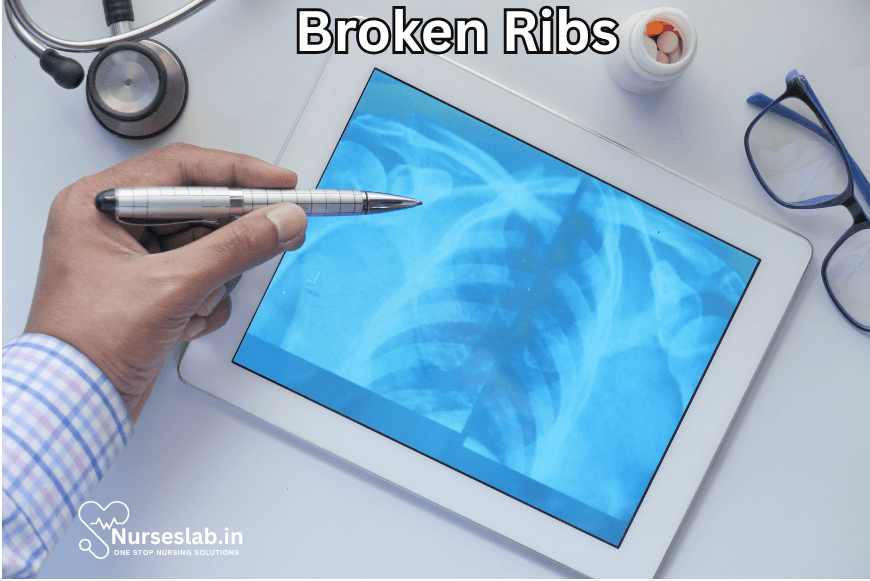
A human being’s ribcage is made up of 12 pairs of ribs, which help protect the heart and lungs while also supporting several of the muscles in a person’s upper body. Therefore, when a person breaks a rib, it can become difficult for them to perform daily activities.
Due to the position of the ribs in the human body, rib fractures are usually left to be healed on their own. I believe that knowing how to deal with broken ribs can enable you to help others if they ever experience such an incident.
Signs of Broken Ribs
The signs and symptoms of broken ribs are associated with the severity and type of the injury. These can include:
- Breathing problems
- Pain at the site of the injury
- Grinding or crunching noises when the site of the injury is moved or touched
- Blue nail beds or lips
- Muscle spasms of the ribcage
- The ribcage appears deformed
- Pain every time there is a flex with the ribcage, be it through coughing, laughing, and sneezing or through deep breaths and movement
Causes of Broken Ribs
Broken ribs are caused whenever something hits a person’s chest. The common causes of rib fractures are:
- Car accidents
- Sports injuries
- Falls
- Assault
Rib fractures can also take place without the involvement of any traumatic injuries, and such causes include:
- Severe coughs
- Cancers that spread to a person’s bones
- Osteoporosis
How to Diagnose Broken Ribs
Once your healthcare provider performs a physical examination, they could conduct one of the following imaging tests:
X-ray: An X-ray shows whether a person has any rib fractures and just how damaged their bones are.
- CT scan: In case a person requires surgery, the doctor will have to check the extent to which their bones have been damaged. This can be done through a CT scan, which provides a detailed picture of the patient’s bones and the tissue that surrounds it.
- MRI or magnetic resonance imaging: In order to get a complete idea of how damaged the person’s bones and the surrounding region is, the doctor could conduct an MRI scan. This helps them understand if the organs, connective tissue, and muscles have been injured.
How to Treat Broken Ribs
Broken ribs usually heal on their own in about two to six weeks. Let’s explore the things a person can do to heal quickly and ease the pain in the process:.
- Go for the painkillers that have been prescribed by your doctor.
- Get proper rest and take time off work if required.
- During the first few days, take an ice pack, wrap it in a towel, and hold it against the affected region so as to control the swelling.
- If you need to cough, do it by holding a pillow against your chest.
- Take slow and deep breaths every day in order to clear your lungs.
- For the first few nights, attempt to sleep in a more upright position.
- Cough when you need to and breathe normally, as these will help in clearing the mucus from the lungs and prevent chest infections.
- Maintain movement in your shoulders and walk around in order to breathe better and clear your lungs of mucus.
- Don’t stay still or lie down for prolonged periods.
- Don’t smoke or drink alcohol.
- Avoid straining yourself and operating heavy machinery.
- Don’t exercise or play any sports, as it can worsen your pain.
Complications
Here are the complications related to broken ribs that you should know about:
Trouble Breathing
Breathing can often be painful when you have a fractured rib. When a person doesn’t breathe properly in this state, it could increase their chances of developing pneumonia. Broken ribs can also cause pneumothorax or a collapsed lung.
Organ Damage
Since rib fractures usually occur as a result of trauma, there are other injuries involved as well. Therefore, fractured ribs can often lead to major damage to your body. The ribs are responsible for protecting several vital organs, such as:
- Heart
- Liver
- Spleen
- Kidneys
- Lungs
If the injury leads to the ribs being pushed into the body, the pieces of bone can poke holes or cut or bruise the organs.
First Aid for Broken Ribs
1. Assess the Situation
- Evaluate the Severity: Look for key signs such as:
- Severe pain at the injury site that worsens with deep breaths, coughing, or movement
- Difficulty breathing or shallow breathing
- Tenderness or swelling along the ribcage
- A crunching sensation or hearing a “crack” at the time of injury
- Visible deformity or bruising on the chest
- Determine Urgency: If the person has trouble breathing, experiences severe pain that prevents normal breathing, or if there is suspicion of additional injuries (like a punctured lung), call emergency services immediately. Even if only one rib is suspected to be broken, medical evaluation is important to rule out complications 2.
2. Keep the Person Comfortable
- Positioning: Encourage the individual to lie down or sit in a position that minimizes pain. An ideal position might be lying on their back with pillows to support the upper body, or sitting with a slight forward lean to ease breathing.
- Avoid Aggravating Movements: Advise the person to minimize deep or forceful breaths, coughing, or movements which can worsen the pain or further injure the area.
3. Manage Pain
- Pain Relief Medication: Over-the-counter pain relievers such as acetaminophen or ibuprofen can help ease the discomfort. However, always follow dosage instructions and check for any contraindications.
- Cold Compress: Applying an ice pack (wrapped in a cloth) intermittently on the injured area for 10–15 minutes can help reduce pain and inflammation during the first 48 hours. Do not apply ice directly to the skin.
4. Encourage Gentle Breathing Exercises
- Preventing Complications: Although the pain might discourage deep breathing, it’s important to continue breathing exercises (like taking slow, shallow breaths or using a pillow to support a gentle cough) to help clear the lungs. This minimizes the risk of pneumonia—a known complication of rib fractures.
5. Avoid Unnecessary Compression
- Do Not Bind the Chest: Unlike some other injuries where compression is effective (like sprains), you should avoid tightly wrapping the chest or using restrictive bandages. Chest binding can hinder breathing and increase the risk of lung complications.
6. Monitor for Complications
- Watch for Worsening Symptoms: Keep an eye on the person’s ability to breathe normally. If you notice increased difficulty breathing, a rise in pain intensity, or any signs of shock (like pale skin, sweating, or rapid pulse), seek emergency medical care immediately.
- Follow-Up Care: Even if the pain is managed at home, it’s essential for the person to see a healthcare provider. A doctor can conduct imaging tests (like an X-ray or CT scan) to verify the extent of the injury and advise on further management.
Prevention for Broken Ribs
Listed below are some of the ways in which you can reduce your chances of suffering from an injury that could lead to broken ribs:
- Make sure to always wear your seatbelt.
- Ensure that your home, as well as your workspace, are not cluttered so that you don’t accidentally trip on something.
- Always wear protective gear while playing sports or engaging in other athletic or adrenaline-filled activities.
- Maintain your bone health by exercising regularly and following a healthy diet.
- Make use of the right equipment and tools to reach the necessary things in your home instead of resorting to standing on countertops, tables, or chairs.
- If you are at a higher risk of falling down or you have difficulty walking, use a walker or cane.
REFERENCES
- Will wisp, How Should I Provide First Aid for a Rib Fracture? | Essential Steps to Take, https://wellwisp.com/how-should-i-provide-first-aid-for-a-rib-fracture/
- Health Safety & Environment, First Aid Rib Injury, Retrieved from, https://www.hsewebsite.com/first-aid-rib-injury/
- Dr. Jasmine Shaikh, MedicineNet, What Do You Do for a Broken Rib?, https://www.medicinenet.com/what_do_you_do_for_a_broken_rib/article.htm
- Rib fracture. https://emedicine.medscape.com/article/825981-overview
Stories are the threads that bind us; through them, we understand each other, grow, and heal.
JOHN NOORD
Connect with “Nurses Lab Editorial Team”
I hope you found this information helpful. Do you have any questions or comments? Kindly write in comments section. Subscribe the Blog with your email so you can stay updated on upcoming events and the latest articles.


