


A drug overdose is a life‑threatening emergency that can result from consuming excessive amounts of a substance, whether legal, prescription, or illicit. First Aid for Drug overdose is discussed in detail here.
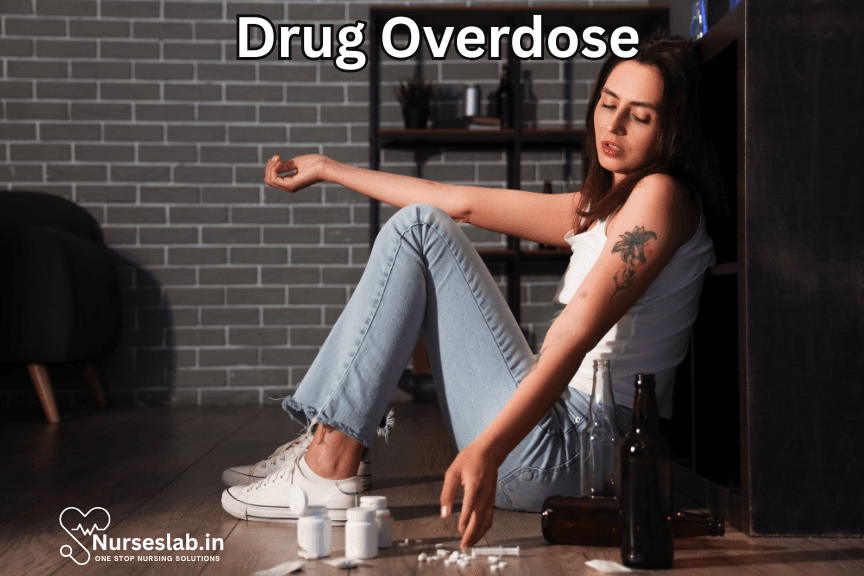
A drug overdose happens when a person consumes too much or toxic levels of a given substance, which could either be legal, illegal, over the counter, or prescription. These overdoses can either occur intentionally or accidentally.
When someone takes more than the recommended amount of a certain drug or consumes an amount that affects their body functions harmfully, it causes an overdose.
Symptoms of Drug Overdose
The signs and symptoms of drug overdose are many, with the responses varying from one person to another. The symptoms often depend on factors such as:
- The person’s age.
- The person’s state of health.
- The way the drug was consumed.
- The strength of the consumed drug.
- The amount of drug that was taken.
- The drug or drugs that were consumed.
Some of the symptoms of drug overdose are as follows:
- Vomiting and nausea
- Dizziness
- Diarrhea
- Loss of coordination
- Agitation
- Hallucination
- Paranoia
- Chest pain
- Severe stomach pain and abdominal cramps
- Loss of balance
- Confusion and drowsiness
- Deep snores
- Visual disturbances
- Limp body
- Being awake but unresponsive
- Gurgling or choking noises
- Clammy or pale face
- Having difficulty breathing or erratic or shallow breathing
- Not breathing at all
- Loss of consciousness
- Blue lips or fingernails
- Erratic or slow pulse
- Seizures
Causes of Drug Overdose
At times, it can be difficult to determine whether an overdose was accidental or intentional. In some cases, there could be elements of both involved. Regardless of the cause of the overdose, it’s vital to treat the patient with dignity and care.
- Accidental: Accidental drug overdoses happen when a person consumes the wrong substance or a mixture of substances at the wrong time or in the wrong amount. This could happen to people who take drugs to feel a certain effect without being aware of the ingredients or the strength of the substance itself.
- Incidental: Often, a person can consume a harmful dose of a given substance or a combination of substances intentionally. This could signal internal, emotional, or physical distress, proving that the person might require additional support or care.
Risk Factors
The following are the risk factors associated with drug overdose:
- Storing drugs improperly: When drugs are not stored properly, they can easily be located by kids who are curious and often put strange and unknown things in their mouths. Therefore, if drugs aren’t stored away from kids or sealed efficiently, kids can accidentally overdose on them.
- Not following or knowing dosage instructions: If the dosage instructions aren’t followed, adults can overdose on medicines. When the medicines are taken sooner than directed or consumed more than recommended, one can accidentally overdose on them even if the medicines are otherwise safe for the person.
- History of mental disorders: Mental disorders can often pose risks for a drug overdose, including suicidal thoughts and depression. These especially serve as risk factors and trigger drug overdose if they aren’t treated properly.
- History of addiction or misuse of drugs: Intentionally consuming illicit drugs or misusing prescription drugs can make a person more susceptible to drug overdose, especially if it happens too often or if they get addicted. This risk amplifies if someone uses drugs with alcohol, mixes various drugs, or consumes multiple drugs.
First Aid for Drug Overdose
1. Recognize the Warning Signs
Look for symptoms that may indicate an overdose. These can include:
- Depressed Breathing: Slowed, irregular, or no breathing at all
- Altered Consciousness: Unresponsiveness, severe drowsiness, or loss of consciousness
- Extreme Confusion or Agitation
- Choking, Gurgling, or Snoring Sounds: Indications that the airway could be compromised
- Changes in Color: Bluish or pale skin, especially around the lips or fingertips
- Other Signs: Such as seizures, nausea, vomiting, or extreme lethargy
Different drugs can produce different symptoms. For example, opioid overdoses characteristically cause slowed or stopped breathing, pinpoint pupils, and unresponsiveness, while overdoses of stimulants may cause agitation, rapid heartbeat, and chest pain 2.
2. Call Emergency Services Immediately
- Dial 911 (or your local emergency number): Explain clearly that you suspect a drug overdose, describe the symptoms you’re observing, and provide any relevant background (like known substance use or prescription details). Quick professional intervention is crucial.
- Inform Dispatchers: Mention if the person has used any substances or if you have access to any of the drugs they might have taken. This information can help emergency personnel provide the most effective care.
3. Administer Naloxone if Available (for Opioid Overdose)
- Naloxone (Narcan): If you suspect an opioid overdose and the individual carries an epinephrine auto-injector-like device for naloxone (i.e., an opioid antagonist), administer it immediately. Follow the instructions provided with the device. Naloxone can reverse the effects of opioid overdose rapidly, but it is not a substitute for medical care. Even if the person appears to improve after using naloxone, they require professional evaluation because the effects of naloxone can wear off before the opioid is fully metabolized 3.
4. Perform Basic Life Support if Necessary
- Check for Responsiveness and Breathing: If the person is not breathing or is unresponsive:
- Start CPR: Begin immediately. If you are trained, perform CPR tailored for adults or children, as appropriate.
- Use an AED if Available: If the person’s heart is in arrest and an Automated External Defibrillator (AED) is accessible, follow its prompts.
- Do Not Delay CPR: Immediate action can be the difference between life and death in cases involving cardiac arrest.
5. Contact Poison Control
- Poison Control Center: While waiting for emergency services, call your local poison control center (in the U.S., call 800-222-1222). They can provide additional instructions based on the suspected substance and may advise on further measures .
6. Monitor the Person Closely
- Stay With Them: Keep the individual in a safe and comfortable position (if breathing is present) and monitor their vital signs—respiratory rate, responsiveness, and pulse.
- Prevent Further Injury: Do not try to make the person vomit or give them food or fluids unless directed by a medical professional, as this can interfere with treatment, especially if the person is semi-conscious or not fully alert.
7. Provide Details When Help Arrives
- Prepare Information: If possible, provide emergency responders with any available information:
- The type and amount of the drug(s) taken, if known
- How long ago the drug was ingested
- Any existing medical conditions or medications the person is using
Prevention of Drug Overdose
Listed below are some of the ways in which you can prevent a drug overdose:
- Taking the right dose of medication at recommended times
- Avoiding drugs that might interact with prescribed drug
- Talking to your health-care provider if recommended doses do not provide adequate relief
- DO NOT continue to take medications beyond the prescribed dose duration before checking with and obtaining permission of the consulting physician
- Refraining from self-medication
- Avoiding alcohol while taking any medication
- DO NOT recommend or share medications you are taking with others who may have similar or near similar health conditions
- Exercising caution while taking multiple drugs
- Parental education to prevent overdose situations in children
- Keeping medications out of reach of children in child-proof containers
- For older individuals and those who tend to be forgetful, medications should be stored in single dose containers with time labels, to avoid multiple dosage
- Monitor intake of drugs, especially in patients who have depression or harbor suicidal thoughts and behavior
REFERENCES
- Subramanian Malaisamy, First Aid for Drug Overdose, Dec 13, 2021, https://www.dovemed.com/healthy-living/first-aid/first-aid-drug-overdose
- Dr. Mary Williams, First Aid for Drug Overdose, Nov 29, 2022, https://www.cprcertified.com/blog/first-aid-for-drug-overdoses
- Thygerson, A. First Aid, Jones & Bartlett Learning, 2006. https://openlibrary.org/books/OL8037390M/First_Aid_CPR_And_AED
Stories are the threads that bind us; through them, we understand each other, grow, and heal.
JOHN NOORD
Connect with “Nurses Lab Editorial Team”
I hope you found this information helpful. Do you have any questions or comments? Kindly write in comments section. Subscribe the Blog with your email so you can stay updated on upcoming events and the latest articles.


