


Last Updated on January 22, 2026 by Nurseslab.in Editorial Team
What Is a Butt Lift?
A butt lift, sometimes referred to in medical terms as a gluteal lift, is a cosmetic surgical procedure designed to improve the appearance of the buttocks. The primary aim is to enhance the shape, projection, and overall contour by removing excess skin and fat, tightening underlying tissues, and sometimes adding volume through fat transfer or implants.
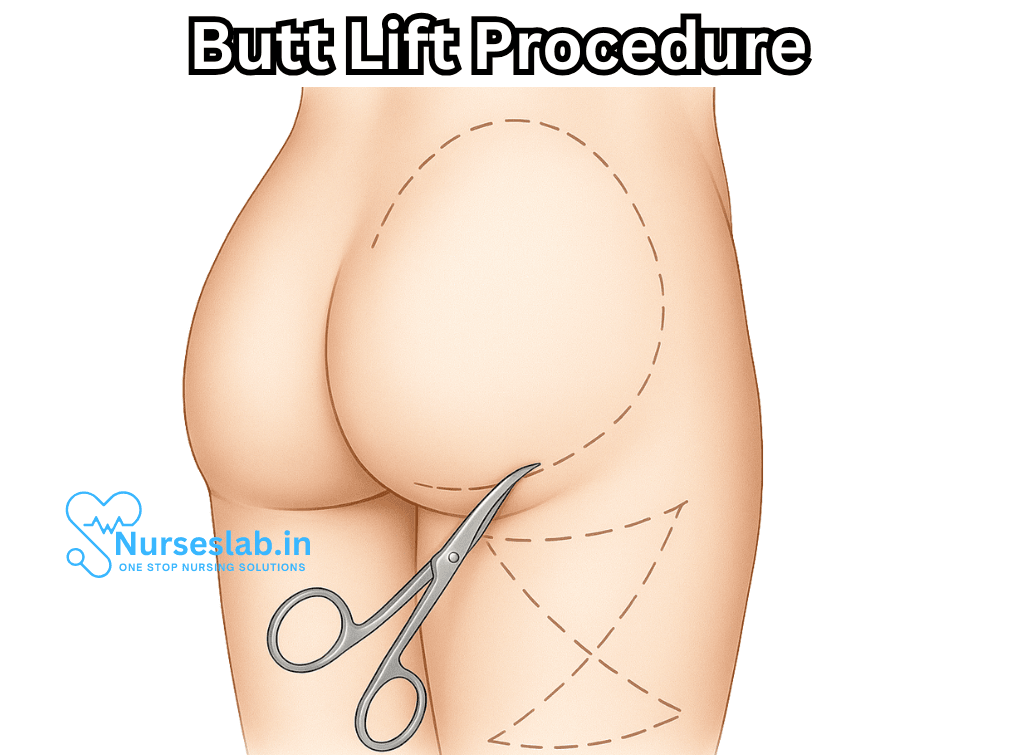
Unlike procedures aimed solely at enlargement (such as buttock augmentation), a traditional butt lift focuses on rejuvenating, tightening, and lifting the buttocks to create a firmer, more youthful profile. However, modern techniques often combine both lifting and augmentation for optimal results.
Types of Butt Lift Procedures
Several techniques fall under the umbrella of butt lift procedures. The choice of method depends on the patient’s anatomy, goals, and the surgeon’s expertise.
Traditional Butt Lift (Gluteal Lift)
This procedure is most commonly chosen by individuals with significant sagging or loose skin—often as a result of major weight loss or aging. Here, the surgeon removes excess skin and fat from the buttocks and upper thighs, then tightens and lifts the remaining tissue. Incisions are typically made in locations that can be easily concealed by clothing.
Brazilian Butt Lift (BBL)
The Brazilian Butt Lift is perhaps the most sought-after method in recent years. It combines liposuction with fat transfer: fat is harvested from other areas of the body (such as the abdomen, flanks, or thighs), purified, and then injected into the buttocks to increase volume and improve contours. Because it uses the patient’s own fat, the BBL offers a natural look and feel, with the added benefit of contouring other body areas.
Buttock Implants
In cases where the patient lacks sufficient fat for transfer, silicone implants may be used to enhance the size and shape of the buttocks. This method is less common than fat transfer but remains an option for select candidates.
Non-Surgical Butt Lift Options
For those seeking less invasive approaches, non-surgical butt lifts employ injectable fillers and skin tightening technologies (such as ultrasound or radiofrequency devices) to lift, firm, and volumize the buttocks. These procedures produce subtler results and require ongoing maintenance.
Candidacy for Butt Lift Procedures
Not everyone is an ideal candidate for a butt lift. The best candidates typically:
- Are in good overall health without medical conditions that could interfere with healing
- Have experienced significant weight loss, leading to loose or sagging skin
- Are unhappy with the shape, volume, or firmness of their buttocks
- Do not smoke, or are willing to stop prior to surgery and throughout recovery
- Have realistic expectations for results and understand the risks involved
A comprehensive consultation with a board-certified plastic surgeon is crucial to determine suitability and optimal technique.
The Surgical Process: Step-by-Step
While specific details will vary depending on the chosen method, most butt lift procedures follow a similar sequence:
1. Anesthesia
The procedure is typically performed under general anesthesia to ensure patient comfort and safety.
2. Incisions and Tissue Adjustment
For a traditional butt lift, incisions are made in discreet locations—often along the lower back, above the buttocks, or in the crease beneath the buttocks. Excess skin and fat are removed, and the underlying tissues are lifted and tightened.
For a Brazilian Butt Lift, liposuction is first performed to extract fat, which is then processed and strategically injected into the buttocks to augment, shape, and lift.
Implant procedures require incisions for the placement of silicone implants within or above the gluteal muscle.
3. Closing Incisions
The incisions are closed with sutures, and dressings or compression garments are applied to support healing and minimize swelling.
4. Recovery Room
After the procedure, patients are monitored as anesthesia wears off, and post-operative instructions are provided before discharge.
Recovery and Aftercare
Recovery from a butt lift varies by technique and individual factors but generally involves:
- Initial rest: Patients should avoid sitting directly on their buttocks for at least 2 weeks after fat transfer to maximize fat survival.
- Pain management: Mild to moderate discomfort, swelling, and bruising are common; medication may be prescribed to manage symptoms.
- Mobility: Gentle walking is encouraged shortly after surgery, but strenuous activities should be avoided for several weeks.
- Compression garments: Wearing specialized garments helps reduce swelling and supports the healing tissues.
- Follow-up appointments: Regular visits to the surgeon allow for monitoring of progress and detection of any complications.
Full recovery can take several months, with final results appearing as swelling subsides and tissues settle.
Benefits of Butt Lift Procedures
Patients pursue butt lift procedures for a variety of reasons, and the potential benefits include:
- Enhanced shape, contour, and projection of the buttocks
- Correction of sagging skin and loss of volume due to age or weight loss
- Improved self-confidence and body image
- Clothing fits better and more comfortably
- Results can be long-lasting with proper care and maintenance
Risks and Considerations
As with any surgical procedure, butt lift operations carry risks:
- Infection
- Scarring
- Bleeding or hematoma formation
- Fat embolism (a rare but serious complication of fat transfer)
- Asymmetry or contour irregularities
- Delayed wound healing
- Implant-related complications (rupture, shifting, capsular contracture)
Choosing a qualified, experienced surgeon and following all post-operative instructions significantly reduces these risks.
Long-Term Results and Maintenance
A butt lift can deliver dramatic improvements, but maintaining results requires attention to lifestyle:
- Healthy diet and regular exercise help sustain body contour
- Avoiding significant weight fluctuations preserves the procedure’s effects
- Routine follow-up care to monitor for late-onset complications
Non-surgical procedures may require periodic touch-ups to maintain effects.
Nursing Care of the Patient Undergoing a Butt Lift Procedure
As with any surgical intervention, the role of nursing care is paramount in ensuring a safe recovery, minimizing complications, and maximizing patient satisfaction. This guide provides an in-depth exploration of nursing considerations before, during, and after a butt lift procedure.
Preoperative Nursing Care
Patient Assessment:
- Obtain a detailed medical history, including previous surgeries, allergies, current medications, and chronic illnesses.
- Assess psychological readiness, including patient expectations and understanding of potential risks and outcomes.
- Evaluate for risk factors such as bleeding disorders, smoking, diabetes, or obesity that could increase postoperative complications.
Patient Education:
- Provide comprehensive information about the procedure, expected outcomes, and risks.
- Discuss the need for preoperative fasting, medication adjustments (e.g., stopping anticoagulants as per protocol), and arrangements for postoperative transportation and support.
- Review the importance of smoking cessation, nutritional optimization, and wound care.
Consent and Preparation:
- Ensure that informed consent is obtained and documented.
- Confirm preoperative tests (blood work, ECG, imaging) are completed as ordered.
- Assist with skin preparation and marking of the surgical site.
Intraoperative Nursing Care
- Patient Safety:
- Verify patient identity, surgical site, and procedure (“time out” protocol).
- Monitor vital signs and maintain sterile technique.
- Assist the surgical team in positioning the patient to prevent nerve injury and pressure ulcers, commonly in prone or lateral positions.
Equipment and Support:
- Prepare surgical instruments and supplies specific to butt lift procedures, including drains, sutures, and implants or fat grafting apparatus as required.
- Anticipate the need for blood products or warming devices.
- Monitor for intraoperative complications such as excessive bleeding or anesthetic reactions.
Immediate Postoperative Nursing Care
- Recovery Room Observation:
- Closely monitor airway, breathing, and circulation (ABCs).
- Assess consciousness level, pain, and vital signs at regular intervals.
- Monitor for signs of bleeding, hematoma, or seroma at the surgical site.
- Check drains and record output as necessary.
Pain Management:
- Administer prescribed analgesics (opioids, NSAIDs) and assess pain relief.
- Implement non-pharmacological pain control measures (ice packs, positioning, relaxation techniques).
Prevention of Complications:
- Monitor for early signs of infection: redness, swelling, increasing pain, discharge, or fever.
- Encourage deep breathing and coughing exercises to prevent atelectasis or pneumonia, especially after general anesthesia.
- Assess extremities for signs of deep vein thrombosis (DVT), such as swelling, pain, or redness. Apply compression stockings and encourage early mobilization as tolerated.
- Monitor fluid balance and watch for signs of hypovolemia.
Wound and Drain Care:
- Keep the surgical site clean and dry. Inspect wounds during dressing changes, following aseptic technique.
- Educate patient not to sit directly on buttocks as per surgeon’s protocol (typically for 2–6 weeks) to protect grafted fat or implants.
- Monitor for wound dehiscence or delayed healing, especially in high-risk patients.
Ongoing Postoperative Nursing Care
Patient Education and Support:
- Instruct on proper wound care, drain management, and recognizing signs of infection or other complications.
- Emphasize the importance of not applying pressure to buttocks, using pillows or special cushions when sitting is necessary, and sleeping on the abdomen or side.
- Guide gradual return to activity; avoid strenuous exercise and heavy lifting as per surgeon’s advice.
- Provide psychological support and reassurance regarding bruising, swelling, and temporary discomfort.
Nutrition and Hydration:
- Promote a balanced diet with adequate protein and vitamins to support healing.
- Encourage sufficient fluid intake unless contraindicated.
- Advise on the avoidance of alcohol and smoking to optimize recovery.
Follow-up and Monitoring:
- Schedule follow-up appointments for suture removal, drain removal, and wound assessment.
- Encourage patients to keep a symptom diary and report any unusual symptoms promptly (pain, drainage, fever, numbness, or discoloration of the skin).
- Assess for signs of fat necrosis, implant displacement, or asymmetry.
Prevention and Management of Complications
- Infection Control:
- Strict adherence to aseptic technique during all dressing changes.
- Prompt reporting and treatment of any signs of infection.
- Educate patient and caregivers about hand hygiene and wound care at home.
Fat Embolism Syndrome (In Fat Grafting):
- Monitor for sudden respiratory distress, confusion, or petechial rash.
- Immediate medical intervention is essential if fat embolism is suspected.
Hemorrhage and Hematoma:
- Monitor drain output and surgical site. Report excessive bleeding.
- Apply gentle pressure dressings as ordered and keep affected area elevated if possible.
Seroma Formation:
- Monitor for fluid accumulation. Drains may be necessary until output decreases.
- Educate patient about symptoms of seroma, such as swelling or fluid movement under the skin.
Pressure Injuries:
- Encourage frequent repositioning and the use of pressure-relieving cushions.
- Inspect the skin regularly for early signs of breakdown, especially in immobile patients.
Delayed Wound Healing:
- Ensure optimal nutrition and glycemic control in diabetic patients.
- Monitor for and address any factors contributing to poor healing, such as infection or tension on wound edges.
Special Considerations
- Pain and Body Image:
- Recognize that pain management and emotional support are crucial for recovery and satisfaction.
- Address concerns about body image, appearance, and expectations in a compassionate, non-judgmental manner.
- Refer to counseling or support groups if necessary.
Cultural Sensitivity:
Respect cultural beliefs, privacy, and preferences regarding cosmetic surgery and postoperative care.
Facilitate communication through interpreters or culturally appropriate educational materials if needed.
Discharge Planning
- Ensure the patient and caregivers understand wound care, medication regimen, signs of complications, and activity restrictions.
- Provide written and verbal instructions, including contact information for the surgical team.
- Arrange for home health services if needed, especially for patients with limited mobility or support systems.
- Schedule follow-up visits and reinforce the importance of attending all appointments for optimal outcomes.
REFERENCES
- American Society of Plastic Surgeons. Buttock Enhancement. https://www.plasticsurgery.org/cosmetic-procedures/buttock-enhancement.
- Pazmiño P, Garcia O. Brazilian butt lift–associated mortality: the South Florida experience. Aesthetic Surgery Journal. 2023;43(2):162-178. doi:10.1093/asj/sjac224
- The Aesthetic Society. Buttock Lift. https://www.smartbeautyguide.com/procedures/body/buttock-lift/.
- Sarubi J, Guarnieri C, Del Nero MP, et al. Targeted and individualized gluteal poly-l-lactic acid injection for optimal aesthetic results in the gluteal region. J Clin Aesthet Dermatol. 2023;16(6):30-36.
- The Aesthetic Society: “Aesthetic Plastic Surgery National Databank STATISTICS 2020–2021.”
Stories are the threads that bind us; through them, we understand each other, grow, and heal.
JOHN NOORD
Connect with “Nurses Lab Editorial Team”
I hope you found this information helpful. Do you have any questions or comments? Kindly write in comments section. Subscribe the Blog with your email so you can stay updated on upcoming events and the latest articles.


