


Last Updated on January 21, 2026 by Nurseslab.in Editorial Team
Introduction
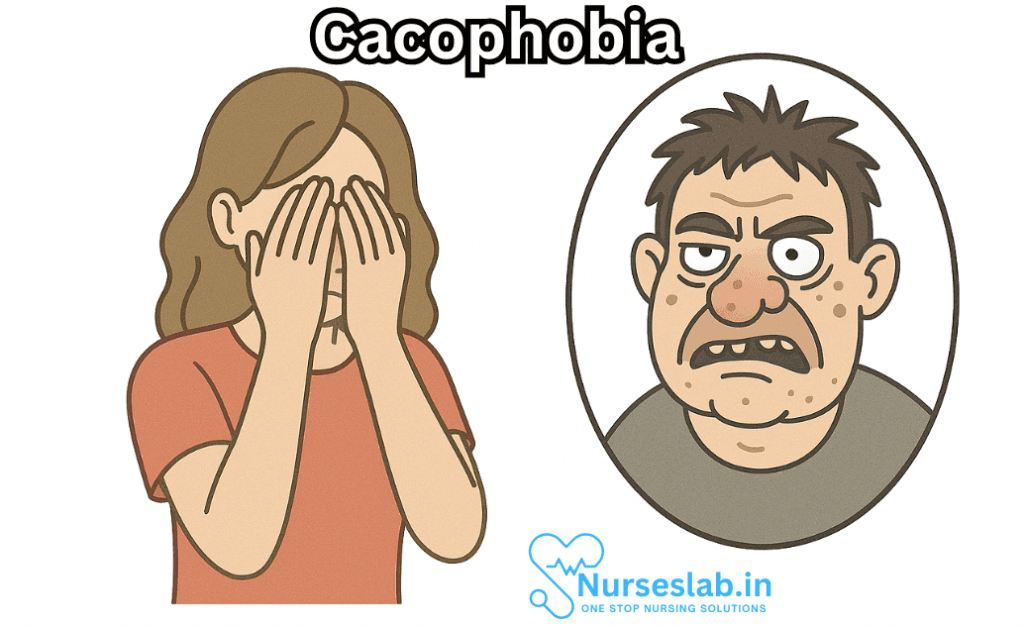
Cacophobia, derived from the Greek words “kakos” (bad or ugly) and “phobos” (fear), is the irrational fear of ugliness. Though not widely recognized in mainstream psychiatric manuals such as the DSM-5, cacophobia is a concept that captures an array of anxieties, perceptions, and behaviors surrounding the idea of ugliness—whether in oneself, others, or the environment. This phobia can deeply affect an individual’s quality of life, self-esteem, and relationships, and is often intertwined with broader societal notions of beauty, aesthetics, and acceptance.
Origins and Etymology
The term “cacophobia” is believed to have originated in the early 20th century, as psychologists and social theorists began to explore the spectrum of human fears and anxieties. While “phobia” as a suffix denotes an irrational or excessive fear, the prefix “caco-” specifically relates to the concept of ugliness or unpleasantness. Unlike more common phobias, such as arachnophobia (fear of spiders) or acrophobia (fear of heights), cacophobia does not refer to a tangible object or situation, but rather to a subjective quality—ugliness—which is itself shaped by cultural, historical, and personal factors.
Understanding Ugliness: A Social Construct
Before delving into the mechanisms and manifestations of cacophobia, it is important to consider what is meant by “ugliness.” The perception of ugliness is inherently subjective and variable, influenced by cultural standards, social norms, media representations, and individual preferences.
- Cultural Variability: What one culture deems unattractive, another may celebrate as beautiful. Historical trends in art, fashion, and literature reveal shifting ideals of beauty and ugliness.
- Media and Society: Contemporary media—advertising, film, social networks—often reinforce narrow definitions of beauty, which can foster anxieties about appearance and acceptance.
- Personal Experience: Personal histories, traumas, and social interactions play a critical role in shaping one’s sense of what is ugly or beautiful.
Psychological Mechanisms
Cacophobia may originate from a confluence of psychological and environmental factors. These may include:
- Early Experiences: Childhood experiences, such as ridicule or bullying based on appearance, can leave lasting emotional scars and sensitize individuals to perceived ugliness.
- Societal Pressure: Societal demands for conformity to beauty standards can breed insecurity, self-criticism, and a heightened sensitivity to deviations from the norm.
- Associative Learning: Negative experiences or associations with certain features or objects may, over time, generalize into a broader aversion or fear of ugliness.
- Comorbidity with Other Disorders: Cacophobia often overlaps with conditions such as body dysmorphic disorder (BDD), social anxiety disorder, or obsessive-compulsive disorder (OCD), complicating diagnosis and treatment.
Manifestations and Symptoms
The presentations of cacophobia can range from mild discomfort to severe, life-limiting anxiety. Symptoms may affect various domains of life:
Emotional Symptoms
- Intense anxiety, dread, or panic when confronted with what is perceived as ugly
- Shame or guilt related to one’s own appearance or that of others
- Persistent worry about being judged or rejected for perceived ugliness
Behavioral Symptoms
- Avoidance of people, places, objects, or images considered unattractive
- Compulsive efforts to control or alter appearances, either in oneself or in the environment
- Social withdrawal or isolation to minimize exposure to perceived ugliness
Physical Symptoms
- Profuse sweating, trembling, or heart palpitations in anxiety-provoking situations
- Shortness of breath or dizziness
- Nausea or upset stomach
Impact on Daily Life
Cacophobia can interfere with everyday functioning in both subtle and profound ways. Individuals may:
- Struggle to maintain relationships, fearing negative judgment based on appearance
- Avoid public places, events, or situations that may expose them to perceived ugliness
- Experience diminished self-esteem, chronic dissatisfaction, or depression
- Expend significant time, energy, or financial resources on cosmetic interventions or environmental modifications
The impact of cacophobia is often amplified by societal stigma and misunderstanding. Friends, family, or colleagues may downplay or dismiss the fear, exacerbating feelings of isolation and shame.
Comparison with Related Disorders
While cacophobia shares features with other psychological disorders, it is distinct in its focus and triggers.
- Body Dysmorphic Disorder (BDD): Involves obsessive concern with perceived defects in appearance, often leading to repetitive behaviors and significant distress. Cacophobia may include but is not limited to concerns about oneself; it also encompasses the fear of ugliness in others or the environment.
- Social Anxiety Disorder: Centers on fear of negative evaluation in social situations, which can overlap with fears related to appearance or attractiveness.
- Obsessive-Compulsive Disorder (OCD): May involve obsessions with symmetry, order, or contamination, some of which can relate to aversions to perceived ugliness.
Case Vignettes
To illustrate the lived experience of cacophobia, consider the following hypothetical examples:
- Case 1: A teenager refuses to attend school because they fear classmates will ridicule them for their acne, despite reassurances from friends and family.
- Case 2: An adult becomes distressed when visiting art galleries, feeling overwhelmed by certain sculptures or paintings they perceive as ugly.
- Case 3: A person compulsively rearranges their living space, discarding any object they deem unattractive, to the point where it disrupts daily life.
Diagnosis and Professional Help
Since cacophobia is not formally recognized in major diagnostic manuals, assessment typically involves a comprehensive psychological evaluation. Mental health professionals may explore:
- Personal and family history of anxiety or phobic disorders
- Specific triggers and patterns of avoidance
- Impact on daily functioning, relationships, and well-being
- Co-occurring mental health conditions
A careful differential diagnosis is essential to distinguish cacophobia from related disorders and to tailor appropriate interventions.
Treatment Approaches
Effective treatment of cacophobia often requires a multi-faceted approach, tailored to the individual’s needs and circumstances.
Cognitive-Behavioral Therapy (CBT)
CBT is one of the most widely supported interventions for phobic disorders. Key elements include:
- Identifying and challenging irrational beliefs about ugliness
- Gradual exposure to feared situations or objects in a controlled, supportive environment
- Developing coping strategies and relaxation techniques
Exposure Therapy
Exposure therapy, a component of CBT, involves incremental and systematic exposure to the feared object or scenario. Over time, this process can help reduce the emotional impact of triggers and desensitize the individual’s response.
Medication
In some cases, medication—such as selective serotonin reuptake inhibitors (SSRIs) or anti-anxiety agents—may be prescribed to manage severe symptoms, particularly when cacophobia co-occurs with depression or generalized anxiety.
Support Groups and Psychoeducation
Connecting with others who share similar experiences can reduce stigma, foster acceptance, and provide practical coping tools. Psychoeducation for both individuals and their families can promote understanding and support.
Societal Perspective and Advocacy
A broader cultural shift is necessary to challenge the roots of cacophobia. Campaigns that promote diversity, inclusivity, and acceptance of all forms of beauty can help dismantle harmful stereotypes and reduce the social pressures that contribute to appearance-related fears.
- Media literacy programs can help individuals critically analyze unrealistic beauty standards perpetuated in advertising and entertainment.
- Advocacy for representation of diverse body types, ages, and appearances in media and public life can foster a more accepting culture.
Nursing Care of Patients with Cacophobia (Fear of Ugliness)
As healthcare professionals, nurses are at the forefront of providing holistic care, including support for patients dealing with such specific and challenging fears.
This document explores the nature of cacophobia, its implications for nursing practice, and evidence-based approaches that nurses can adopt to offer effective, empathetic, and individualized care to those affected.
Nursing Assessment
Holistic Assessment
A comprehensive assessment is the foundation for providing appropriate care. Nurses should gather information on the patient’s history, triggers, coping mechanisms, and any coexisting mental health conditions such as depression or obsessive-compulsive disorder.
Assessment Strategies
- Interview the patient in a private, non-judgmental setting to encourage openness.
- Use open-ended questions to allow patients to express their fears and experiences in their own words.
- Assess the severity of avoidance behaviors and impact on daily living.
- Screen for co-morbid mental health issues and risk factors for self-harm or suicidal ideation.
- Evaluate support systems and coping resources available to the patient.
Goals of Nursing Care
The overall goals for nursing care of patients with cacophobia are to:
- Reduce anxiety related to the phobia
- Enhance self-esteem and body image
- Promote adaptive coping skills
- Encourage social interaction and integration
- Support the patient’s journey toward recovery and improved quality of life
Therapeutic Communication
Therapeutic communication is crucial when caring for patients with psychological fears or phobias. Nurses should:
- Demonstrate empathy and active listening; validate the patient’s emotions without minimizing their fears.
- Avoid making value judgments about appearance or using language that could be construed as critical.
- Use gentle reassurance, but avoid false reassurances that might seem dismissive (“You have nothing to worry about” can feel invalidating).
- Maintain a calm demeanor, particularly if the patient becomes distressed.
- Encourage the patient to discuss their perceptions and feelings regularly as part of the therapeutic process.
Interventions and Nursing Strategies
1. Anxiety Reduction
- Teach and model relaxation techniques (deep breathing, guided imagery, progressive muscle relaxation).
- Help patients identify early signs of anxiety and implement coping strategies promptly.
- Encourage participation in activities that promote a sense of accomplishment and joy, which may distract from phobic thoughts.
- Provide a safe and aesthetically neutral environment to reduce triggers.
2. Cognitive-Behavioral Strategies
While nurses do not diagnose or provide psychotherapy, they can collaborate closely with mental health professionals:
- Support exposure-based interventions designed by therapists (gradual desensitization to triggers under professional supervision).
- Reinforce positive self-talk and challenge unhelpful thought patterns in daily conversation.
- Encourage patients to keep a thought diary, tracking triggers, emotional responses, and alternative perspectives.
3. Self-Esteem and Body Image Support
- Encourage self-care routines and personal grooming as desired by the patient, emphasizing comfort over appearance.
- Facilitate access to support groups or peer mentors who have overcome similar challenges.
- Promote recognition of personal strengths and talents unrelated to appearance.
4. Social Integration
- Gradually reintroduce social activities, starting in small, non-threatening settings.
- Role-play social situations, offering constructive feedback in a supportive manner.
- Work with occupational therapists or recreation therapists to plan enjoyable group activities.
5. Collaboration with Interdisciplinary Team
- Refer patients to psychologists, psychiatrists, or counselors specializing in phobia treatment.
- Communicate observations and patient progress to the care team in a timely, professional manner.
- If medication is prescribed (such as anxiolytics or SSRIs), monitor for side effects and adherence.
Patient and Family Education
Educating both the patient and their family is paramount to reducing stigma and promoting a supportive environment.
- Provide information about cacophobia, emphasizing it is a recognized and treatable condition.
- Teach families how to respond supportively during anxiety episodes.
- Discuss the importance of avoiding negative comments about appearance and fostering positive self-image.
- Explain the treatment plan, including therapy, possible medications, and the nurse’s role in ongoing support.
Addressing Stigma and Promoting Advocacy
Cacophobia is often misunderstood. Nurses have a powerful role in advocating for patients, both within healthcare settings and the wider community.
- Challenge derogatory language or stereotypes about appearance among staff.
- Educate colleagues about the impact of appearance-based biases.
- Encourage inclusive practices that celebrate diversity in appearance.
Case Illustration
Consider a patient admitted with severe anxiety who avoids mirrors and becomes distressed when exposed to certain images or people. The nurse conducts a thorough assessment and works collaboratively with mental health professionals. Over time, the patient is encouraged to use relaxation techniques, participates in group activities, and receives positive reinforcement for progress. The nurse educates the patient’s family, who begin to offer support rather than criticism. Gradually, the patient’s anxiety diminishes and self-esteem grows.
Challenges in Nursing Care
Caring for individuals with cacophobia can pose unique challenges:
- The phobia may be misinterpreted as vanity or superficiality.
- Patients may be resistant to treatment due to shame or denial.
- Progress may be slow, requiring patience and perseverance from the nursing team.
- Lack of awareness about cacophobia can impede access to appropriate care.
REFERENCES
- Merck Manual [Consumer Version]. Specific Phobic Disorders. https://www.merckmanuals.com/home/mental-health-disorders/anxiety-and-stress-related-disorders/specific-phobic-disorders.
- Krish Tangella , Cacophobia, Oct 13, 2023, https://www.dovemed.com/diseases-conditions/cacophobia
- National Institute of Mental Health. Specific Phobia. https://www.nimh.nih.gov/health/statistics/specific-phobia.
- Satterfield JM, Feldman MD. Anxiety. In: Behavioral Medicine: A Guide for Clinical Practice. 5th ed. New York: McGraw-Hill; 2021.
- Substance Abuse and Mental Health Services Administration. DSM-IV to DSM-5 Specific Phobia Comparison. https://www.ncbi.nlm.nih.gov/books/NBK519704/table/ch3.t11/.
Stories are the threads that bind us; through them, we understand each other, grow, and heal.
JOHN NOORD
Connect with “Nurses Lab Editorial Team”
I hope you found this information helpful. Do you have any questions or comments? Kindly write in comments section. Subscribe the Blog with your email so you can stay updated on upcoming events and the latest articles.


