


Last Updated on January 25, 2026 by Nurseslab.in Editorial Team
What Is Cancer Fatigue?
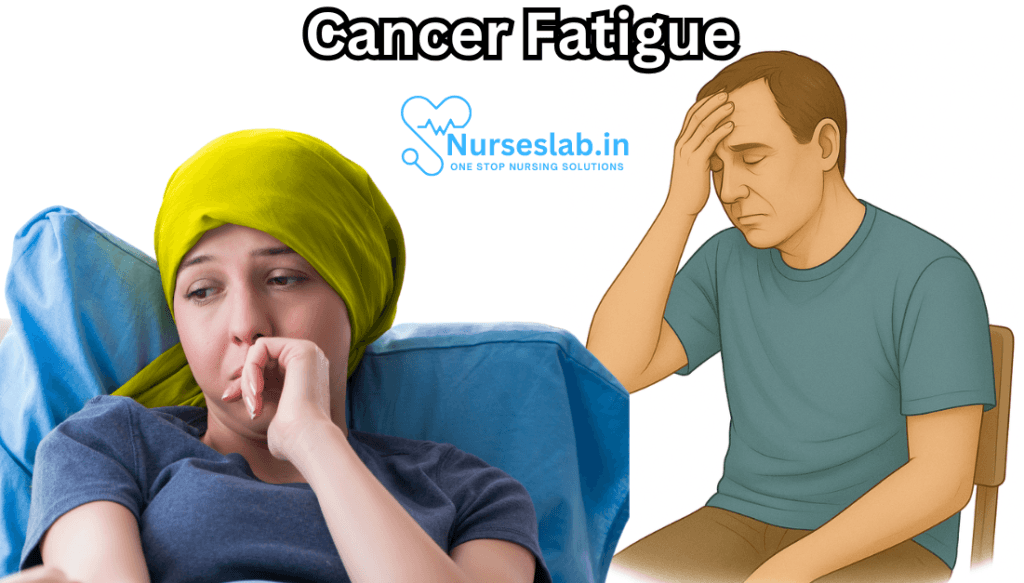
Cancer fatigue, also known as cancer-related fatigue (CRF), is a profound and persistent sense of tiredness or exhaustion that is not proportional to recent activity and is not relieved by rest. Unlike everyday tiredness, cancer fatigue often interferes with daily life, affecting physical, emotional, and cognitive functioning. It is one of the most common and distressing symptoms experienced by people with cancer, whether during active treatment or in survivorship.
The Prevalence and Impact of Cancer Fatigue
Cancer fatigue is reported by the majority of individuals undergoing cancer treatments such as chemotherapy, radiation, or immunotherapy. Studies suggest that up to 80% of patients experience some form of fatigue during treatment, and a significant number continue to face persistent fatigue well after treatment ends. This fatigue can affect anyone, regardless of cancer type or stage, and often has a more detrimental impact on quality of life than even pain or nausea.
- Physical impact: Simple tasks such as walking, cooking, or even speaking can become overwhelming.
- Emotional impact: Cancer fatigue is closely linked to anxiety, depression, irritability, and a sense of helplessness.
- Cognitive impact: Many people report difficulty concentrating, memory lapses, or the so-called “chemo brain.”
Causes and Contributing Factors
Cancer fatigue is complex and multifactorial. Its causes are often interwoven, making it challenging to identify a single source.
Cancer and Its Direct Effects
The cancer itself can produce chemicals (cytokines) that disrupt normal cellular functions, leading to fatigue. Tumors may also increase the body’s demand for energy or cause metabolic changes.
Cancer Treatments
- Chemotherapy: These drugs can kill healthy cells along with cancer cells, leading to anemia, nutritional deficiencies, and general exhaustion.
- Radiation therapy: This can damage healthy tissues and organs, prompting the body to devote resources to healing.
- Surgery: The recovery process, anesthesia, and pain medications can all contribute to extended fatigue.
- Immunotherapy: By stimulating the immune system, these treatments can provoke inflammatory responses that sap energy.
Other Medical Factors
- Anemia: Low red blood cell levels reduce oxygen delivery to tissues.
- Hormonal changes: Cancer and its treatments can upset hormonal balance, impacting metabolism and energy.
- Pain: Chronic pain is draining and can disrupt sleep.
- Infections: Weakened immune systems increase susceptibility to infections, which further tax the body.
Psychological and Lifestyle Factors
- Stress and anxiety: The emotional toll of cancer can heighten fatigue.
- Depression: This can both result from and contribute to cancer fatigue.
- Poor sleep: Insomnia or fragmented sleep is common and deeply impacts energy.
- Lack of physical activity: While rest is important, too much inactivity can paradoxically worsen fatigue.
- Poor nutrition: Cancer and treatments may reduce appetite, alter taste, or cause nausea, making it hard to eat well.
Recognizing Cancer Fatigue
Cancer fatigue is subjective and varies greatly from person to person. There is no single test to diagnose it. Instead, healthcare teams rely on patients’ descriptions and standardized questionnaires to assess severity and impact.
Common Signs and Symptoms
- Feeling tired or weak even after sleep
- Difficulty starting or completing tasks
- Lack of motivation or interest in daily activities
- Shortness of breath after light activity
- Difficulty concentrating or remembering
- Emotional lability, such as irritability or sadness
Assessing Cancer Fatigue
It is vital for patients to communicate openly with their healthcare team about fatigue. Keeping a daily journal noting energy levels, sleep patterns, activities, and emotional state can help identify triggers or patterns. Medical professionals may run tests to rule out treatable causes like anemia, thyroid dysfunction, or infections.
Strategies for Managing Cancer Fatigue
While there is no single cure for cancer fatigue, a combination of interventions—medical, behavioral, and lifestyle—can help improve symptoms and quality of life.
Medical Interventions
- Treat underlying causes: Addressing anemia, infections, pain, or hormonal imbalances is key.
- Medication adjustments: Sometimes changing the dosage or timing of medications can help.
- Stimulant medications: In select cases, drugs like modafinil or methylphenidate may be considered for severe fatigue, but only under a doctor’s supervision.
Lifestyle and Behavioral Strategies
- Physical activity: Gentle exercises such as walking, yoga, or stretching have been shown to improve fatigue and mood. Exercise should be tailored to individual abilities and overseen by a healthcare provider.
- Balanced nutrition: Eating small, frequent meals with a focus on protein, whole grains, vegetables, and hydration can support energy levels.
- Sleep hygiene: Maintaining regular sleep and wake times, keeping the bedroom dark and quiet, and avoiding screens before bed can promote better rest.
- Energy conservation: Prioritize important tasks, take frequent breaks, and accept help from family and friends. Techniques such as sitting while showering or preparing meals in advance can preserve energy.
- Stress management: Mindfulness, meditation, deep breathing exercises, and counseling can help cope with the emotional burden of cancer.
Support Networks
Family, friends, support groups, and mental health professionals play an essential role in helping individuals with cancer fatigue. Sharing experiences, tips, or simply offering a listening ear can make a significant difference.
Living With Cancer Fatigue
Accepting and Adapting
Acknowledging cancer fatigue as a real and valid part of the cancer journey can reduce guilt or frustration. It’s important for patients—and those around them—to recognize that fatigue is not a sign of weakness or lack of willpower.
Long-Term Outlook
For many, cancer fatigue improves after treatment ends, though some may experience lingering effects for months or even years. Regular follow-ups and continued symptom management can help navigate these challenges.
When to Seek Help
It’s crucial to notify a healthcare provider if fatigue is severe, persistent, or accompanied by other worrisome symptoms such as chest pain, dizziness, shortness of breath, rapid heartbeat, or confusion. These may signal underlying medical problems that require urgent attention.
Nursing Care of Patients with Cancer-Related Fatigue
Effective nursing care for patients suffering from cancer fatigue requires a multifaceted approach, integrating physical, emotional, and psychosocial interventions tailored to the unique needs of each individual.
Assessment and Identification
Comprehensive assessment is the cornerstone of effective management. Nurses play a vital role in systematically evaluating the presence, severity, and impact of fatigue using validated tools such as the Brief Fatigue Inventory or the Fatigue Symptom Inventory. Key elements to assess include:
- Intensity, duration, and pattern of fatigue
- Effect on daily activities, mood, sleep, and social interactions
- Contributing factors such as pain, sleep disorders, anemia, medications, and nutrition
- Patient’s coping strategies and support systems
Regular reassessment should be conducted to monitor changes and response to interventions.
Planning Individualized Care
Once fatigue is identified and assessed, nurses collaborate with the patient, family, and interdisciplinary team to develop a personalized plan of care. The primary goals are to reduce fatigue, promote independence, and enhance quality of life. Planning involves:
- Setting realistic goals based on the patient’s preferences and abilities
- Prioritizing interventions according to the severity and underlying causes of fatigue
- Educating patients and families on CRF and available management strategies
Interventions for Managing Cancer Fatigue
Nursing interventions span several domains—physical, emotional, and social. The following evidence-based strategies form the backbone of care:
Physical Interventions
1. Energy Conservation and Activity Management
- Encourage pacing activities throughout the day and alternating periods of activity with rest.
- Advise prioritizing essential tasks and delegating less important ones.
- Teach patients to listen to their bodies and recognize early signs of fatigue.
2. Exercise and Physical Activity
- Promote regular, moderate physical activity such as walking, swimming, or yoga, tailored to the patient’s condition.
- Work with physiotherapists to design individualized exercise regimens.
- Educate on the benefits of movement in reducing fatigue and improving mood.
3. Management of Sleep Disturbances
- Assess sleep patterns and encourage good sleep hygiene: regular sleep schedules, limited daytime naps, and a comfortable sleep environment.
- Address factors interfering with sleep, such as pain, anxiety, or medication side effects.
4. Nutritional Support
- Provide education on balanced, nutrient-rich diets to support energy levels.
- Collaborate with dietitians for individualized plans to address weight loss, malnutrition, or altered taste.
- Encourage small, frequent meals and adequate hydration.
5. Management of Underlying Medical Conditions
- Monitor and treat anemia, infections, or metabolic disturbances that may exacerbate fatigue.
- Track medication side effects and collaborate with prescribers for adjustments as needed.
Psychosocial and Emotional Interventions
1. Patient Education
- Provide clear information on the nature of cancer fatigue and its management.
- Empower patients by discussing strategies to cope with fatigue and set realistic expectations.
- Address misconceptions and fears that may increase distress.
2. Emotional Support and Counseling
- Screen for depression, anxiety, and emotional distress regularly.
- Offer counseling, peer support groups, or referrals to mental health professionals as appropriate.
- Encourage open communication about feelings, concerns, and goals.
3. Social Support
- Facilitate connections with family, friends, or community resources to reduce isolation.
- Coordinate with social workers for assistance with financial, transportation, or home care needs.
Complementary and Integrative Therapies
Patients may benefit from:
- Mind-body interventions such as meditation, mindfulness, or relaxation techniques
- Acupuncture, massage, or gentle stretching for symptom relief
- Art, music, or pet therapy to foster joy and connection
Nurses should discuss potential benefits and risks of these therapies with patients and ensure coordination with the medical team.
Evaluation of Outcomes
The effectiveness of interventions must be evaluated continuously. Nurses should reassess fatigue regularly, track progress toward goals, and adjust care plans as needed. Outcomes to monitor include:
- Reduction in severity and impact of fatigue
- Improvement in ability to perform daily activities
- Enhanced mood, coping, and overall quality of life
- Increased patient and family knowledge of fatigue management
Patient and Family Education
Education is a vital component of care for cancer fatigue. Nurses should provide tailored information on:
- Understanding cancer fatigue and differentiating it from normal tiredness
- Self-care strategies: energy conservation, exercise, nutrition, sleep hygiene
- When to seek medical help: worsening symptoms, new issues, or emotional distress
- Resources available: support groups, counseling, nutritionists, palliative care
Printed materials, online resources, and regular follow-up visits can reinforce education and support ongoing learning.
Role of the Interdisciplinary Team
Managing cancer fatigue requires collaboration across multiple disciplines. Nurses coordinate care with physicians, physiotherapists, occupational therapists, dietitians, psychologists, and social workers to address the multidimensional nature of fatigue. Team meetings and shared decision-making ensure that interventions are aligned with patient goals and clinical best practices.
Special Considerations
Fatigue in Pediatric, Geriatric, and Palliative Care Populations
- Pediatric patients may need playful, age-appropriate strategies and family involvement.
- Older adults may require assessment for comorbidities, polypharmacy, and mobility aids.
- In palliative care, the focus may shift toward comfort and dignity, with tailored interventions for end-of-life care.
Cultural Sensitivity
- Recognize and respect cultural beliefs, values, and practices that may influence the perception and management of fatigue.
- Provide information and care in the patient’s preferred language and format.
REFERENCES
- Berger AM, Mooney K, Alvarez-Perez A. Cancer-Related Fatigue, Version 2.2015. https://pubmed.ncbi.nlm.nih.gov/26285247/. J Natl Compr Canc Netw. 2015 Aug;13(8):1012-39.
- Sadeghian M, et al. Ginseng and cancer-related fatigue: A systematic review of clinical trials. Nutrition and Cancer. 2021; doi:10.1080/01635581.2020.1795691.
- Demmelmaier I, Brooke HL, Henriksson A, et al. Does exercise intensity matter for fatigue during (neo-) adjuvant cancer treatment? The Phys-Can randomized clinical trial.. https://pubmed.ncbi.nlm.nih.gov/33527488/Scand J Med Sci Sports. 2021 May;31(5):1144-1159.
- Bower JE, et al. Management of fatigue in adult survivors of cancer: ASCO-Society of Integrative Oncology guideline update. Journal of Clinical Oncology. 2024; doi:10.1200/JCO.24.00541.
- Fabi A, Bhargava R, Fatigoni S, et al. ESMO Guidelines Committee. Cancer-related fatigue: ESMO Clinical Practice Guidelines for diagnosis and treatment.. https://pubmed.ncbi.nlm.nih.gov/32173483/ Ann Oncol. 2020 Jun;31(6):713-723.
- PDQ Cancer Information Summaries [Internet]. Bethesda (MD): National Cancer Institute (US); 2002-. Cancer Fatigue: Patient Version. 2024 Dec 11. Available from: https://www.ncbi.nlm.nih.gov/books/NBK65818/
- Krueger E, Secinti E, Mosher CE, et al. Symptom Treatment Preferences of Cancer Survivors: Does Fatigue Level Make a Difference?. https://www.ncbi.nlm.nih.gov/pmc/articles/PMC8528881/Cancer Nurs. 2021 Nov-Dec 01;44(6):E540-E546.
- PDQ® Supportive and Palliative Care Editorial Board. PDQ Fatigue. https://www.cancer.gov/about-cancer/treatment/side-effects/fatigue/fatigue-hp-pdq. Bethesda, MD: National Cancer Institute. Updated 8/31/2023.
- Schmidt ME, Wiskemann J, Armbrust P, et al. Effects of resistance exercise on fatigue and quality of life in breast cancer patients undergoing adjuvant chemotherapy: A randomized controlled trial. https://pubmed.ncbi.nlm.nih.gov/25484317/. Int J Cancer. 2015 Jul 15;137(2):471-80.
Stories are the threads that bind us; through them, we understand each other, grow, and heal.
JOHN NOORD
Connect with “Nurses Lab Editorial Team”
I hope you found this information helpful. Do you have any questions or comments? Kindly write in comments section. Subscribe the Blog with your email so you can stay updated on upcoming events and the latest articles.


