


Last Updated on January 29, 2026 by Nurseslab.in Editorial Team
Infectious diseases present unique challenges in healthcare, demanding a comprehensive understanding of both pathology and genetics. For nursing professionals, these disciplines form the backbone of effective patient care, prevention strategies, and health education.
Introduction
Nursing is not merely about administering medications or performing procedures; it is about understanding the underlying reasons for illness and the factors that influence patient outcomes. Pathology—the study of disease—and genetics—the study of heredity—play crucial roles in how infectious diseases develop, spread, and affect individuals differently.
Fundamentals of Pathology
Definition and Scope
Pathology is the scientific study of diseases, focusing on their causes (aetiology), development (pathogenesis), structural changes (morphology), and clinical manifestations. It helps explain why diseases occur, how they progress, and their effects on the human body. The discipline bridges basic science and clinical medicine, enabling nurses to understand the “why” behind symptoms and laboratory results.
Types of Pathology
- General Pathology: Examines the basic reactions of cells and tissues to injury, regardless of the cause.
- Systemic Pathology: Studies specific diseases as they affect particular organs or systems, such as respiratory or gastrointestinal tract.
- Clinical Pathology: Involves laboratory analysis of bodily fluids (blood, urine, etc.) to diagnose diseases.
- Histopathology: Focuses on microscopic examination of tissues to identify disease.
Role in Disease
Understanding pathology enables nurses to interpret symptoms, anticipate complications, and appreciate the rationale behind medical interventions. For infectious diseases, pathology explains how pathogens invade, damage tissues, and elicit immune responses.
Basics of Genetics
Genes, Chromosomes, and DNA
Genetics is the study of heredity and variation in living organisms. The fundamental unit is the gene—a segment of DNA that carries instructions for making proteins. Genes are organised on chromosomes, thread-like structures found in the nucleus of every cell. Humans typically have 23 pairs of chromosomes, with one set inherited from each parent.
Patterns of Inheritance
Inheritance patterns determine how traits and diseases are passed from one generation to the next. Key patterns include:
- Autosomal Dominant: Only one copy of the mutated gene is needed for the trait to be expressed (e.g., Huntington’s disease).
- Autosomal Recessive: Two copies of the mutated gene are required (e.g., sickle cell anaemia).
- Sex-linked: Genes located on sex chromosomes (X or Y), affecting males and females differently (e.g., haemophilia).
Genetic Mutations
Mutations are changes in the DNA sequence that can be inherited or acquired. Some mutations increase susceptibility to infectious diseases or confer resistance. For example, a mutation in the CCR5 gene can protect against HIV infection, while the sickle cell mutation provides partial resistance to malaria.
Infectious Diseases Overview
Definition
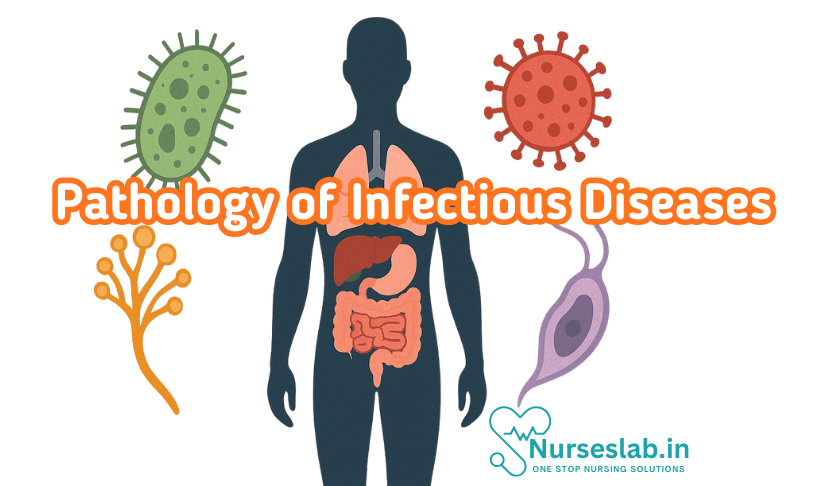
Infectious diseases are disorders caused by pathogenic microorganisms, such as bacteria, viruses, fungi, or parasites, which can be transmitted from one person to another, from animals, or through the environment.
Types of Pathogens
- Bacteria: Single-celled organisms; e.g., Mycobacterium tuberculosis causes tuberculosis.
- Viruses: Tiny infectious agents that replicate inside host cells; e.g., HIV, influenza virus.
- Fungi: Includes yeasts and moulds; e.g., Candida causes thrush.
- Parasites: Organisms living on or inside a host; e.g., Plasmodium species cause malaria.
Modes of Transmission
- Direct Contact: Physical interaction with infected individuals (e.g., touching, sexual contact).
- Indirect Contact: Contact with contaminated surfaces or objects.
- Droplet Transmission: Coughing or sneezing spreads droplets containing pathogens.
- Airborne Transmission: Pathogens travel in air (e.g., tuberculosis).
- Vector-borne: Carried by insects (e.g., malaria by mosquitoes).
- Feco-oral Route: Ingestion of contaminated food or water (e.g., hepatitis A).
Pathogenesis of Infectious Diseases
Mechanisms of Disease
Pathogenesis refers to the sequence of events by which pathogens cause disease. It typically involves:
- Entry: Pathogen enters the host through skin, mucous membranes, respiratory tract, or gastrointestinal tract.
- Adherence: Pathogen attaches to host cells using specialised structures.
- Invasion: Pathogen multiplies and spreads, sometimes producing toxins or enzymes that damage tissues.
- Evasion of Host Defences: Pathogens may avoid detection by the immune system (e.g., hiding within cells, mutating surface proteins).
- Tissue Damage: Direct injury by pathogens or indirect damage due to immune response.
Host-Pathogen Interactions
The outcome of an infection depends on both the virulence of the pathogen and the host’s immune response. Some individuals may clear infections rapidly, while others develop severe disease due to genetic or acquired vulnerabilities.
Genetic Factors in Infectious Diseases
Genetic Susceptibility and Resistance
Genetic factors can influence an individual’s susceptibility to infectious diseases and their response to treatment. For example:
- Sickle Cell Trait and Malaria: People with sickle cell trait (heterozygous for the sickle cell gene) are partially protected against malaria, as the abnormal haemoglobin impairs the parasite’s lifecycle within red blood cells.
- CCR5-Δ32 Mutation and HIV Resistance: Individuals with a specific mutation in the CCR5 gene lack a functional receptor required for HIV entry into cells, conferring resistance to infection.
- Genetic Variants Affecting Tuberculosis Susceptibility: Certain HLA (human leukocyte antigen) types and immune-related genes can increase or decrease the risk of developing tuberculosis.
Examples from Clinical Practice
- G6PD Deficiency: Individuals with glucose-6-phosphate dehydrogenase deficiency are more susceptible to certain infections and may experience haemolytic anaemia when exposed to specific drugs or foods.
- Cystic Fibrosis: Caused by mutations in the CFTR gene, leading to thick mucus in the lungs and increased risk of respiratory infections.
- HLA-B*57:01 and HIV: This genetic marker is associated with a slower progression of HIV infection, influencing treatment decisions.
Common Infectious Diseases
Tuberculosis (TB)
A major infectious disease in India and globally, TB is caused by Mycobacterium tuberculosis. It primarily affects the lungs but can involve other organs. Symptoms include persistent cough, fever, night sweats, and weight loss. Diagnosis relies on sputum microscopy, chest X-ray, and molecular tests. Treatment requires prolonged antibiotic therapy, with attention to drug resistance.
HIV/AIDS
Human Immunodeficiency Virus (HIV) attacks the immune system, leading to Acquired Immunodeficiency Syndrome (AIDS). Transmission occurs through blood, sexual contact, and from mother to child. Antiretroviral therapy (ART) has transformed HIV into a manageable chronic condition. Nurses play a vital role in counselling, prevention, and adherence to therapy.
Influenza
Influenza is a viral respiratory infection marked by fever, cough, and body aches. It can cause severe complications in vulnerable populations. Annual vaccination and infection control in healthcare settings are essential preventive measures.
Hepatitis
Hepatitis refers to inflammation of the liver caused by viruses (A, B, C, D, E), toxins, or other factors. Hepatitis B and C are transmitted through blood and can lead to chronic liver disease. Vaccination, safe injection practices, and screening are key interventions.
MRSA (Methicillin-resistant Staphylococcus aureus)
MRSA is a type of bacteria resistant to many antibiotics, causing skin, wound, and bloodstream infections. It spreads in hospitals and the community. Prevention involves hand hygiene, wound care, and isolation of infected patients when necessary.
COVID-19
Caused by the novel coronavirus SARS-CoV-2, COVID-19 presents with fever, cough, breathlessness, and sometimes loss of taste or smell. It spreads through respiratory droplets and aerosols. Diagnosis relies on PCR testing, and management includes supportive care and vaccination. Nurses have been at the forefront of the pandemic response, providing care, education, and emotional support.
Other Notable Infectious Diseases
- Malaria: Parasitic infection transmitted by Anopheles mosquitoes; prevalent in certain regions of India.
- Dengue: Viral infection spread by Aedes mosquitoes, causing high fever and joint pain.
- Typhoid Fever: Caused by Salmonella typhi, spread through contaminated food and water.
- Chikungunya: Another mosquito-borne viral illness, leading to fever and severe joint pain.
Diagnosis and Management
Laboratory Tests
Diagnosis of infectious diseases involves several laboratory methods:
- Microscopy: Direct examination of samples (e.g., sputum, blood) for pathogens.
- Culture: Growing organisms in specific media to identify bacteria or fungi.
- Serology: Detects antibodies or antigens in blood (e.g., HIV, hepatitis).
- Molecular Tests: PCR and other techniques to detect genetic material of pathogens (e.g., COVID-19, tuberculosis).
Genetic Testing
Genetic tests are increasingly used to detect inherited susceptibility, guide treatment, and predict outcomes. For example, screening for G6PD deficiency before administering certain drugs, or genetic resistance markers in HIV, can inform personalised care.
Infection Control
Effective infection control is essential to prevent the spread of infectious diseases in healthcare settings. Key principles include:
- Hand hygiene (washing with soap and water or alcohol-based rubs)
- Use of personal protective equipment (PPE)
- Proper disposal of medical waste
- Isolation of infectious patients when necessary
- Environmental cleaning and disinfection
Treatment Principles
Treatment strategies depend on the type of pathogen:
- Antibiotics: For bacterial infections (e.g., TB, MRSA); resistance monitoring is crucial.
- Antivirals: For viral infections (e.g., HIV, influenza, hepatitis).
- Antifungals and Antiparasitics: For fungal and parasitic diseases (e.g., malaria).
- Supportive Care: Hydration, oxygen therapy, nutritional support, and symptom management.
Implications for Nursing Practice
Patient Assessment
Thorough assessment is the foundation of nursing care in infectious diseases. Nurses should obtain a detailed history (travel, exposure, vaccination), perform physical examinations, and monitor vital signs. Recognising early warning signs of severe infection—such as high fever, confusion, or difficulty breathing—is critical.
Patient Education
Nurses are educators and advocates for patients. Explaining the nature of the disease, transmission risks, preventive measures, and the importance of medication adherence empowers patients and families to participate actively in their care.
Infection Prevention
Nurses lead infection prevention initiatives in hospitals and communities. Educating about hand hygiene, safe food and water practices, vaccination, and vector control (e.g., mosquito nets) helps reduce disease burden.
Ethical Considerations
Ethical issues in infectious disease nursing include maintaining patient confidentiality, obtaining informed consent for testing, and balancing individual rights with public health needs during outbreaks. Respect for cultural beliefs and practices is vital, especially when discussing genetic conditions or infectious disease risks.
Psychosocial Support
Infectious diseases can cause fear, stigma, and isolation. Infection Control Nurses provide emotional support, facilitate access to counselling, and advocate for destigmatisation, especially in diseases like HIV/AIDS and COVID-19.
REFERENCES
- Ramadas Nayak, Textbook of Pathology and Genetics for Nurses, 2nd Edition,2024, Jaypee Publishers, ISBN: 978-93-5270-031-8.
- Suresh Sharma, Textbook of Pharmacology, Pathology & Genetics for Nurses II, 2nd Edition, 31 August 2022, Jaypee Publishers, ISBN: 978-9354655692.
- Kumar, V., Abbas, A.K., & Aster, J.C. (2020). Robbins and Cotran Pathologic Basis of Disease. 10th Edition. Elsevier.
- McCance, K.L., & Huether, S.E. (2018). Pathophysiology: The Biologic Basis for Disease in Adults and Children. 8th Edition. Elsevier.
- Duarte-Neto AN. Pathology of infectious diseases: new agents, opportunistic, neglectable, emergent, reemergent diseases and why not super resistant nosocomial bacteria? Autops Case Rep. 2019 Sep 27;9(3):e2019126.
- Esposito S. Infectious Diseases: Pathophysiology, Diagnostics and Prevention. Int J Mol Sci. 2016 Sep 2;17(9):1464. https://pmc.ncbi.nlm.nih.gov/articles/PMC5037742/
Stories are the threads that bind us; through them, we understand each other, grow, and heal.
JOHN NOORD
Connect with “Nurses Lab Editorial Team”
I hope you found this information helpful. Do you have any questions or comments? Kindly write in comments section. Subscribe the Blog with your email so you can stay updated on upcoming events and the latest articles.


