Last Updated on January 12, 2026 by Nurseslab.in Editorial Team
Explore stress and adaptation in health sciences: stress activates physiological and psychological responses to internal or external demands, while adaptation enables recovery and resilience. These concepts are essential for nursing care, mental health support, and patient education in managing life’s challenges.
Introduction
The importance of psychology in nursing cannot be overstated. Nurses interact with individuals who may be in pain, fearful, or emotionally vulnerable. They also work in high-pressure environments, often juggling multiple responsibilities and facing unpredictable situations. Understanding psychological principles, particularly those related to stress and adaptation, equips nurses to care more effectively for both themselves and their patients.
Concepts of Stress
Definition of Stress
Stress is a universal human experience, described as the body’s and mind’s response to any demand or challenge. In psychological terms, stress is the process by which individuals perceive and respond to events that they appraise as overwhelming or threatening to their well-being. From a physiological perspective, stress is characterised by a series of bodily changes triggered by stressors, involving the nervous, endocrine, and immune systems.
Psychological Perspective
Psychologically, stress arises when individuals feel that the demands placed upon them exceed their coping resources. This perception may be influenced by personality traits, prior experiences, and levels of social support. Stress can be acute (short-term) or chronic (long-term), and while a certain amount of stress (eustress) can be motivating, excessive or prolonged stress (distress) can be harmful.
Physiological Perspective
The physiological response to stress, often referred to as the “fight or flight” response, involves the activation of the hypothalamic-pituitary-adrenal (HPA) axis and the sympathetic nervous system. This results in the release of stress hormones such as adrenaline and cortisol, which prepare the body to confront or escape perceived threats. In nursing, understanding these responses is vital for recognising signs of stress in both patients and oneself.
Relevance to Nursing
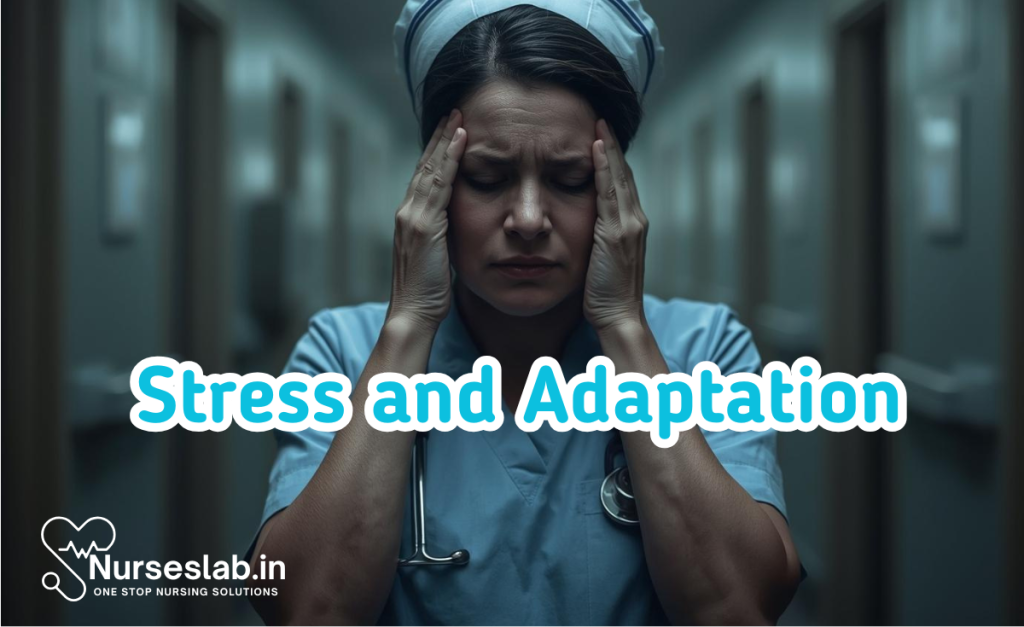
Nurses are uniquely positioned at the intersection of providing care and managing the emotional and psychological needs of patients. The ability to recognise stress, both in themselves and in those they care for, is essential for delivering compassionate, effective, and safe care. Moreover, awareness of stress responses aids in early intervention and prevention of burnout, a common occupational hazard in nursing.
Types of Stressors
Environmental Stressors
Environmental stressors are external factors in the physical surroundings that can contribute to stress. For nurses, these may include:
- Noisy or chaotic work environments (e.g., emergency rooms, ICUs)
- Exposure to infectious diseases or hazardous substances
- Long or irregular working hours, night shifts
- Inadequate lighting or ventilation
- Physical discomfort due to prolonged standing or insufficient breaks
Psychological Stressors
Psychological stressors originate from internal thoughts, feelings, or mental states. In nursing, such stressors may include:
- Fear of making errors that could harm patients
- Emotional involvement with critically ill or dying patients
- Feelings of inadequacy or self-doubt
- High expectations from self or others
Social Stressors
Social stressors relate to interactions and relationships with other people. Examples in the nursing context are:
- Conflicts with colleagues or supervisors
- Lack of social support at work or home
- Communication difficulties with patients or families
- Discrimination or workplace bullying
Occupational Stressors in Nursing
Nursing as a profession brings its own set of occupational stressors, such as:
- High patient-to-nurse ratios and workload
- Frequent exposure to trauma, death, and suffering
- Administrative pressures and paperwork
- Lack of autonomy or participation in decision-making
- Unclear job expectations or role conflicts
- Limited opportunities for career advancement
These stressors can interact, compounding the overall stress experienced by nurses and impacting their health and job performance.
The Stress Cycle
Stages of Stress Response
The stress response is commonly described in three stages, as outlined in Hans Selye’s General Adaptation Syndrome (GAS):
- Alarm Stage: The body detects an external stressor, triggering the fight or flight response. Adrenaline and cortisol are released, leading to increased heart rate, rapid breathing, and heightened alertness.
- Resistance Stage: If the stress continues, the body attempts to adapt to the ongoing challenge. Physiological responses remain elevated, but the body tries to restore balance. Energy resources are gradually depleted during this stage.
- Exhaustion Stage: Prolonged or unrelieved stress leads to exhaustion. The body’s ability to resist is diminished, increasing vulnerability to illness, fatigue, and burnout.
Acute vs. Chronic Stress
Acute stress is short-lived and arises in response to immediate threats or challenges, such as a medical emergency or a difficult patient interaction. It usually resolves once the situation is managed. Chronic stress results from ongoing pressures, such as persistent understaffing or long-term personal issues, and can have more severe health consequences if not addressed.
Physiological Mechanisms
When faced with a stressor, the body’s immediate reaction involves the activation of the sympathetic nervous system. This triggers the release of catecholamines (adrenaline and noradrenaline) and corticosteroids (mainly cortisol). These hormones:
- Increase heart rate and blood pressure
- Redirect blood flow to vital organs and muscles
- Enhance alertness and reaction time
- Suppress non-essential functions (e.g., digestion, immune response)
While these responses are adaptive in the short term, chronic activation can lead to detrimental effects on health, including hypertension, impaired immunity, and psychological disorders.
Effects of Stress
Physical Effects
Prolonged stress can have a range of physical effects, including:
- Headaches and migraines
- Gastrointestinal disturbances (e.g., ulcers, irritable bowel syndrome)
- Muscle tension and pain
- Sleep disturbances (insomnia, nightmares)
- Increased risk of cardiovascular diseases
- Weakened immune system, leading to increased susceptibility to infections
Emotional Effects
Emotionally, stress can lead to:
- Anxiety, fear, or panic attacks
- Depression or persistent sadness
- Irritability or mood swings
- Emotional exhaustion or numbness
Cognitive Effects
Cognitive functions are also affected by stress, manifesting as:
- Difficulty concentrating or making decisions
- Memory lapses
- Negative thinking or catastrophising
- Reduced problem-solving ability
Behavioural Effects
Behavioural changes due to stress may include:
- Changes in eating habits (overeating or undereating)
- Increased use of alcohol, tobacco, or other substances
- Withdrawal from social interactions
- Neglect of personal or professional responsibilities
Impact on Patient Care
High levels of stress among nurses can directly impact the quality and safety of patient care. Stress may lead to errors in medication administration, lapses in judgement, reduced empathy, and poor communication with patients and colleagues. Over time, chronic stress contributes to burnout, absenteeism, and high turnover rates in the nursing workforce, further straining healthcare systems.
Adaptation to Stress
Coping Mechanisms
Coping mechanisms are the strategies individuals use to manage stress. These can be adaptive (healthy) or maladaptive (unhealthy). Common adaptive coping mechanisms include:
- Seeking social support from colleagues, friends, or family
- Engaging in physical activity or relaxation exercises
- Practising mindfulness or meditation
- Time management and prioritisation of tasks
- Problem-solving and seeking constructive solutions
- Expressing emotions through talking, writing, or creative outlets
Maladaptive mechanisms, such as substance abuse or avoidance, may provide temporary relief but ultimately worsen stress and health outcomes.
Resilience
Resilience refers to the ability to bounce back from adversity and maintain psychological well-being in the face of challenges. Nurses can cultivate resilience by:
- Developing a positive outlook and sense of purpose
- Building strong professional and personal relationships
- Embracing lifelong learning and self-improvement
- Maintaining self-care routines
- Adapting to change with flexibility and openness
Psychological Adaptation
Adaptation involves adjusting one’s thoughts, behaviours, and attitudes to better cope with stressful situations. For nurses, psychological adaptation may mean:
- Reframing negative experiences as opportunities for growth
- Setting realistic expectations for oneself and others
- Developing assertiveness and communication skills
- Seeking feedback and support when needed
- Engaging in reflective practice to learn from experiences
Strategies for Nurses
To foster adaptation and manage stress effectively, nurses can adopt the following strategies:
- Self-awareness: Regularly assess one’s own stress levels and recognise early signs of distress.
- Professional development: Participate in ongoing training and education to enhance skills and confidence.
- Healthy lifestyle: Maintain a balanced diet, regular exercise, and adequate sleep.
- Work-life balance: Set boundaries between work and personal life to prevent burnout.
- Peer support: Foster supportive relationships with colleagues and participate in team-building activities.
- Utilise resources: Access counselling services, employee assistance programmes, and other organisational supports.
Practical Applications
Case Studies
Case Study 1: Acute Stress in the Emergency Room
A nurse working in the emergency department experiences acute stress during a mass casualty incident. She notices rapid heartbeat, sweaty palms, and heightened alertness. By using deep-breathing techniques and seeking support from her team, she manages to stay focused and provide effective care.
Case Study 2: Chronic Stress and Burnout
A nurse in a busy intensive care unit finds herself feeling exhausted, irritable, and disengaged over several months. Recognising signs of burnout, she seeks help from her supervisor, attends stress management workshops, and schedules regular time off. Gradually, her symptoms improve, and she regains her enthusiasm for work.
Stress Management Techniques
Nurses can benefit from a variety of stress management techniques, such as:
- Progressive muscle relaxation and guided imagery
- Mindfulness-based stress reduction (MBSR)
- Yoga and stretching exercises
- Journaling and self-reflection
- Time management tools (e.g., planners, checklists)
- Regular feedback and supervision sessions
Implementing these techniques in daily practice can significantly reduce stress levels and enhance overall well-being.
Organisational Support
Healthcare organisations have a responsibility to create environments that support the mental health of their staff. Effective organisational strategies include:
- Ensuring adequate staffing and reasonable workloads
- Providing access to mental health resources and counselling
- Promoting open communication and a culture of respect
- Offering flexible work schedules and leave policies
- Recognising and rewarding the contributions of nurses
When organisations prioritise staff well-being, not only do nurses benefit, but patient care outcomes also improve.
Conclusion
Stress and adaptation are central concepts in applied psychology, with profound implications for nursing practice. By understanding the nature of stress, recognising its sources and effects, and implementing effective adaptation strategies, nurses can safeguard their health and deliver high-quality patient care. Nursing professionals and students are encouraged to engage in continuous learning, self-care, and peer support to build resilience and thrive in the face of workplace challenges. Ultimately, effective stress management is not just a personal responsibility but a collective endeavour that benefits the entire healthcare system.
REFERENCES
- R. Sreevani, Applied Psychology for Nurses, 5th Edition, 2024, Jaypee Publishers, ISBN: 978-9356966963.
- Xavier Belsiyal, Applied Psychology for Nurses, 1st Edition, July 15, 2023, Elsevier Publishers, ISBN: 978-8131266366
- Mary F Porter, Applied Psychology for Nurses, 27 October 2022, Legare Street Press, IBSN: 978-1015804302.
- Douglas A. Bernstein, Introduction to Clinical Psychology, 10th Edition, 31 October 2024, Cambridge University Press, ISBN: 978- 1009379298.
- Sailaxmi Gandhi, Basic and Applied Psychology for Nurses, First Edition, January 2023, Wolters Kluwer Publications, ISBN: 978-9395736534.
- Jacob Anthikad, Psychology for Graduate Nurses, 5th Edition, 30 January 2014, Jaypee Publishers, ISBN: 978-9351521549.
- Kumar, Rajesh. (2017). Basic Psychology for Nurses. https://www.researchgate.net/publication/337811601_Basic_Psychology_for_Nurses
Stories are the threads that bind us; through them, we understand each other, grow, and heal.
JOHN NOORD
Connect with “Nurses Lab Editorial Team”
I hope you found this information helpful. Do you have any questions or comments? Kindly write in comments section. Subscribe the Blog with your email so you can stay updated on upcoming events and the latest articles.