


Last Updated on January 8, 2026 by Nurseslab.in Editorial Team
A wound care nurse is a healthcare professional trained in assessing, cleaning, dressing, and monitoring wounds. They manage chronic ulcers, surgical wounds, burns, and pressure injuries, ensuring proper healing, infection prevention, and patient education.
Introduction
Wound care nursing is a specialised field that blends clinical expertise, compassion, and meticulous attention to detail. Wound care nurses play a vital role in managing, assessing, and healing a wide array of wounds, from chronic ulcers to post-surgical incisions. Demand for skilled wound care professionals is on the rise due to an ageing population, increasing rates of diabetes, and a general focus on improving patient outcomes.
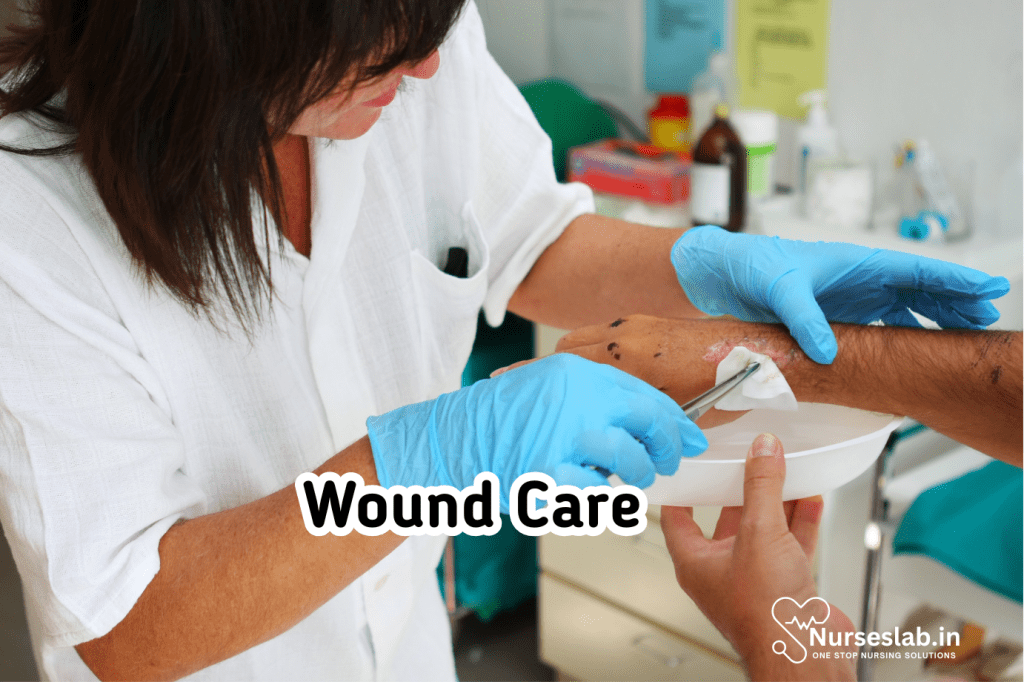
Understanding the Role of a Wound Care Nurse
Wound care nurses, sometimes referred to as tissue viability nurses in the UK and Ireland, are responsible for evaluating and treating patients with acute and chronic wounds. Their expertise lies not only in selecting and applying the correct treatments, but also in educating patients and families about wound prevention and home care. Common wounds include pressure ulcers, diabetic foot ulcers, venous leg ulcers, surgical wounds, burns, and traumatic injuries.
- Assessment: Evaluating the type, stage, and severity of wounds.
- Treatment: Applying dressings, administering medications, using negative pressure therapy, and coordinating surgical interventions if necessary.
- Education: Teaching patients and caregivers about wound management, nutrition, and lifestyle changes.
- Documentation: Keeping thorough records of wound progression and treatment.
- Collaboration: Working closely with multidisciplinary teams including doctors, podiatrists, dietitians, and physiotherapists.
Essential Qualifications and Educational Pathways
To become a wound care nurse, you must first qualify as a Registered Nurse (RN) in the UK or Ireland. This typically involves completing a Bachelor of Science in Nursing (BSc Nursing) or a similar degree recognised by the Nursing and Midwifery Council (NMC) in the UK or the Nursing and Midwifery Board of Ireland (NMBI).
- Obtain a Nursing Degree
- Enrol in an accredited university or nursing school.
- Complete the required coursework and clinical placements.
- Pass the final exams and obtain your degree.
- Register with the NMC or NMBI
- Submit your degree and other documentation to the relevant regulatory body.
- Complete any additional requirements, such as language proficiency tests if applicable.
- Gain Clinical Experience
- Begin your career in a clinical setting, such as a hospital, community health service, or care home.
- Seek opportunities to work with patients who have wounds or skin conditions.
While you can start developing wound care skills during your general nursing training, most wound care nurses pursue further education and certification.
Specialised Training and Certification
Once you’re a registered nurse, you can pursue specialised wound care courses. These are often offered by universities, professional associations, and healthcare trusts. In the UK, the Tissue Viability Society and the European Wound Management Association provide resources and training. You may also attend postgraduate modules in wound care, tissue viability, or dermatology.
- Advanced Wound Care Courses: These cover complex wound assessment, infection control, advanced dressing techniques, and emerging technologies.
- Professional Certification: While not mandatory, certification (such as the Certificate in Wound Care Management or the European Wound Management Association’s qualification) can enhance your credibility and career prospects.
- Continuous Professional Development (CPD): Attend conferences, workshops, and online seminars to stay up to date with the latest research and best practices.
Key Skills and Qualities Required
Wound care nursing demands a blend of technical skills and personal attributes. Successful wound care nurses are:
- Detail-oriented: Precision is vital in assessing and treating wounds.
- Compassionate: Patients often feel vulnerable or distressed; empathy goes a long way.
- Communicative: Explaining complex information in simple terms to patients and families.
- Problem-solvers: Each wound is unique, and you’ll need to adapt your approach.
- Collaborative: Teamwork is essential for holistic patient care.
- Resilient: Wound care can be emotionally and physically demanding.
Typical Work Settings
Wound care nurses are employed in a variety of healthcare environments:
- Hospitals: Working in surgical, medical, or specialist wound care units.
- Community Care: Visiting patients in their homes, care homes, or clinics.
- Outpatient Clinics: Running specialist wound management clinics for ongoing care.
- Private Practice: Some experienced wound care nurses work independently or in private healthcare settings.
You may also find roles in research, education, or consultancy as your experience grows.
The Day-to-Day Life of a Wound Care Nurse
Each day brings new challenges and rewards. You might start with a ward round, assessing patients’ wounds and updating treatment plans. Tasks include cleaning and dressing wounds, documenting progress, liaising with doctors for further intervention, and educating patients and families. You’ll need to keep up-to-date with infection control protocols, evaluate the effectiveness of therapies, and advocate for patient comfort and dignity.
One of the most fulfilling aspects of wound care nursing is witnessing the tangible improvement in patients’ health and quality of life. However, the role can also be challenging — some wounds are slow to heal, and patients may become frustrated or discouraged. Your ability to build rapport and offer reassurance is invaluable.
Career Progression and Opportunities
Wound care nursing offers numerous avenues for growth. With experience, you can advance to senior roles such as Tissue Viability Nurse Specialist, Clinical Nurse Manager, or even nurse consultant. Many wound care nurses also move into teaching, research, or policy development.
- Specialist Roles: Tissue Viability Nurse, Nurse Consultant in Wound Care, Advanced Nurse Practitioner.
- Leadership Positions: Clinical Nurse Manager, Director of Nursing.
- Education & Research: Lecturer, research fellow, or clinical educator in wound care.
- Industry Roles: Working with medical device companies, pharmaceutical firms, or regulatory bodies.
The field is continually evolving, with new technologies and treatments emerging. Ambitious wound care nurses can help shape best practice and influence healthcare standards nationwide.
Challenges in Wound Care Nursing
While wound care nursing is rewarding, it’s not without its challenges:
- Complex Cases: Chronic wounds, such as diabetic foot ulcers, require long-term management.
- Infection Control: Preventing and managing infections is a constant concern.
- Resource Constraints: Community nurses may face time and budget pressures.
- Emotional Impact: Some wounds may heal slowly, testing the patience of both nurse and patient.
- Physical Demands: Frequent walking, lifting, and standing can be taxing.
Resilience and ongoing self-care are crucial for maintaining job satisfaction and personal wellbeing.
Tips for Aspiring Wound Care Nurses
- Seek Mentorship: Find experienced wound care nurses who can offer guidance, support, and insights into the field.
- Stay Current: Read journals, attend workshops, and participate in professional networks to keep your knowledge up to date.
- Develop Your Skills: Take advantage of any wound care or tissue viability training offered by your employer.
- Advocate for Patients: Champion best practice in wound care, and ensure your patients’ voices are heard.
- Balance Compassion with Professionalism: Empathy is vital, but maintaining professional boundaries ensures effective care.
Resources and Professional Organisations
Joining professional organisations can provide valuable networking, education, and career development opportunities. Consider the following:
- Tissue Viability Society (UK): Offers training, conferences, and a community of experts.
- European Wound Management Association: Provides guidelines, research updates, and international conferences.
- Nursing and Midwifery Council (UK) & Nursing and Midwifery Board of Ireland: Regulatory bodies offering resources and standards.
- Royal College of Nursing (RCN): Provides wound care resources and advocacy support.
11. Frequently Asked Questions
- Do I need a specific degree in wound care to become a wound care nurse?
- No, you need to be a registered nurse first, then pursue additional wound care training and certifications.
- How long does it take to become a wound care nurse?
- Typically, three to four years for a nursing degree, followed by additional training and experience.
- Can wound care nurses prescribe medications?
- In the UK, nurses can undertake further training to become nurse prescribers, allowing them to prescribe certain medications.
- Is wound care nursing emotionally demanding?
- It can be — wounds may heal slowly, and some cases are distressing. However, many nurses find the role deeply rewarding.
Conclusion
Wound care nursing is a dynamic, specialised, and highly rewarding career path. Whether you’re drawn by the technical challenge, the opportunity to improve quality of life, or the chance to work in a collaborative healthcare environment, wound care offers plenty of scope for personal and professional growth. With the right qualifications, ongoing education, and passion for patient care, you can make a real difference in this vital field. If you’re considering becoming a wound care nurse, take the first step today — your journey could be life-changing, both for you and for those you care for.
REFERENCES
- Abby McCoy, RN, BSN, Wound Care Nurse Career Overview, Updated October 24, 2024, https://nursingeducation.org/careers/wound-care-nurse/
- Woundcare University, How To Become A Wound Care Nurse,Jul 4, 2024, https://woundcareuniversity.com/how-to-become-a-wound-care-nurse/
- Catherine Burger, MSOL, RN, NEA-BC, LNC, Wound Care Nurse (WOCN), Last Updated On Jul 10, 2025, https://www.registerednursing.org/specialty/wound-care-nurse/
- Terri Heimann Oppenheimer, How to Become a Wound Care Nurse, Published August 11, 2025, https://nurse.org/resources/wound-care-career-guide/
- Diana Ramirez-Ripp, CWCMS, Becoming a Wound Care Nurse, Published on May 3, 2024, https://www.wcei.net/wound-care/how-to-become-a-wound-care-nurse
Stories are the threads that bind us; through them, we understand each other, grow, and heal.
JOHN NOORD
Connect with “Nurses Lab Editorial Team”
I hope you found this information helpful. Do you have any questions or comments? Kindly write in comments section. Subscribe the Blog with your email so you can stay updated on upcoming events and the latest articles.


