


Neuropsychological testing assesses cognitive abilities such as memory, attention, language, and problem‑solving to identify neurological, developmental, and psychiatric disorders. It supports diagnosis, treatment planning, and monitoring of cognitive changes over time.
Introduction
Neuropsychological testing is a specialised branch of clinical assessment dedicated to evaluating cognitive, behavioural, and emotional functioning as they relate to brain structure and activity. These assessments are pivotal in understanding the effects of neurological injury, disease, or developmental anomalies on an individual’s mental processes. By systematically measuring domains such as memory, attention, executive function, language, and visuospatial skills, neuropsychological testing provides a window into the integrity of the brain and its related systems.
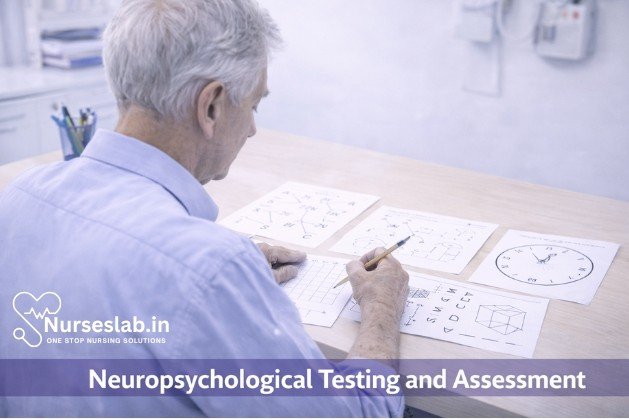
The importance of neuropsychological testing lies in its ability to bridge the gap between clinical observation and objective quantification of cognitive deficits. Unlike imaging studies that reveal structural anomalies, neuropsychological assessments offer insights into how such anomalies manifest in everyday functioning.
Purpose of Neuropsychological Assessment
Diagnostic Utility
Neuropsychological assessments are primarily used to diagnose cognitive impairments associated with a variety of neurological and psychiatric conditions. By pinpointing areas of dysfunction, clinicians can differentiate between disorders with overlapping symptoms, such as distinguishing Alzheimer’s disease from depression-related cognitive changes. The diagnostic process is also invaluable in identifying subtle deficits that may not be apparent through routine neurological examination.
Treatment Planning
Assessment results contribute directly to the formulation of treatment strategies. For example, identifying specific memory deficits allows clinicians to tailor rehabilitation programmes that focus on compensatory techniques. In psychiatric settings, understanding the cognitive profile can influence medication choices and psychotherapeutic approaches.
Monitoring Progression and Recovery
Repeated neuropsychological testing enables clinicians to track changes over time, whether these changes are due to disease progression, recovery post-injury, or response to therapeutic interventions. Such longitudinal data are integral to evaluating the effectiveness of treatments and making informed adjustments.
Overview of the Diagnostic Procedure
Referral and Initial Evaluation
The neuropsychological assessment process generally begins with a referral from a physician, neurologist, psychiatrist, or other healthcare provider. The referral outlines the presenting concerns—such as memory loss, attention difficulties, or behavioural changes—and provides relevant medical history.
Clinical Interview and History Taking
A comprehensive clinical interview is conducted to gather information about the patient’s medical, psychiatric, educational, and occupational history. This includes details of previous head injuries, neurological illnesses, medication use, family history, and psychosocial factors. The interview also explores the patient’s subjective experience of cognitive difficulties and their impact on daily life.
Test Selection and Planning
Based on the referral and interview, the clinician selects a battery of neuropsychological tests tailored to the patient’s needs. The choice of tests depends on the suspected diagnosis, age, education, language proficiency, and cultural background of the patient. A well-designed test battery ensures comprehensive coverage of relevant cognitive domains while minimising patient fatigue.
Types of Neuropsychological Tests
Cognitive Domains Assessed
Neuropsychological tests are designed to measure a range of cognitive domains, including:
- Attention and Concentration: Assesses sustained, selective, and divided attention.
- Memory: Evaluates short-term, working, and long-term memory, both verbal and visual.
- Executive Functions: Tests planning, problem-solving, mental flexibility, and inhibitory control.
- Language: Measures expressive and receptive language skills, naming, fluency, and comprehension.
- Visuospatial Abilities: Assesses visual perception, spatial orientation, and constructional skills.
- Processing Speed: Evaluates the rapidity of cognitive operations.
Examples of Neuropsychological Tests
- Mini-Mental State Examination (MMSE): A brief screening tool for global cognitive impairment.
- Wechsler Adult Intelligence Scale (WAIS): Measures overall intellectual ability and specific domains.
- Rey Auditory Verbal Learning Test (RAVLT): Assesses verbal memory and learning.
- Wisconsin Card Sorting Test (WCST): Evaluates executive function and mental flexibility.
- Boston Naming Test: Tests language and word retrieval.
- Trail Making Test (TMT): Measures attention, processing speed, and mental flexibility.
- Clock Drawing Test: Assesses visuospatial and executive function.
- Stroop Colour and Word Test: Evaluates inhibitory control and cognitive flexibility.
Administration of Tests
Standardised Procedures
Neuropsychological tests are administered in a standardised manner to ensure reliability and validity. Examiners follow specific protocols regarding instructions, timing, and scoring. Adherence to standardisation is crucial for comparing results with normative data and minimising examiner bias.
Testing Environment
The testing environment should be quiet, well-lit, and free from distractions. Proper environmental control helps the patient concentrate and perform to the best of their ability. Breaks are provided as needed to prevent fatigue, particularly during lengthy assessments.
Role of the Examiner
The examiner plays a pivotal role in establishing rapport, explaining procedures, and observing behaviour throughout the assessment. Subtle observations—such as frustration, anxiety, or perseveration—can provide additional information beyond test scores, aiding in the interpretation of results.
Interpretation of Results
Scoring and Normative Data
Raw scores obtained from neuropsychological tests are converted into standard scores using normative data. Norms are based on large samples stratified by age, education, and sometimes cultural background. This process allows clinicians to determine how a patient’s performance compares to peers, identifying deficits or strengths.
Clinical Judgment
Interpretation extends beyond statistical analysis. Clinical judgment involves integrating test scores with information from the interview, medical history, and behavioural observations. Factors such as effort, motivation, and emotional state are considered to distinguish between true cognitive deficits and performance influenced by extraneous variables.
Reporting Findings
A comprehensive neuropsychological report synthesises test results, clinical impressions, and recommendations. The report should be clear, concise, and accessible to referring providers and patients, avoiding unnecessary jargon while accurately conveying findings.
Clinical Applications of Neuropsychological Assessment
Neurological Disorders
Neuropsychological testing is integral in the evaluation and management of a wide variety of neurological conditions, including:
- Traumatic Brain Injury (TBI): Identifies specific cognitive impairments and guides rehabilitation.
- Stroke: Assesses deficits related to lesion location and informs recovery strategies.
- Dementia (e.g., Alzheimer’s Disease, Vascular Dementia): Differentiates between types of dementia and tracks disease progression.
- Epilepsy: Evaluates cognitive impact of seizures and surgical interventions.
- Multiple Sclerosis and Parkinson’s Disease: Monitors cognitive changes and supports multidisciplinary care.
Psychiatric Conditions
Neuropsychological assessments are also valuable in psychiatric settings, where cognitive dysfunction may co-exist with mood, anxiety, or psychotic disorders. For example, they help distinguish between cognitive impairment due to depression and early dementia, or clarify the impact of schizophrenia on executive functions.
Rehabilitation and Educational Planning
Assessment results inform rehabilitation programmes for patients recovering from brain injury, stroke, or other neurological insults. In paediatric populations, neuropsychological testing guides special education services and interventions for developmental disorders such as autism or attention-deficit/hyperactivity disorder (ADHD).
Legal and Forensic Applications
In legal contexts, neuropsychological assessments provide objective evidence of cognitive impairment, relevant to capacity evaluations, disability claims, and competency hearings. They may also support claims in cases of personal injury or medical negligence.
Challenges and Limitations
Cultural and Linguistic Factors
Cultural and linguistic diversity can pose significant challenges in neuropsychological testing. Normative data may not always be applicable to individuals from diverse backgrounds, risking misinterpretation of results. It is essential to use culturally appropriate tests and consider language proficiency during assessment and interpretation.
Test Validity and Reliability
The validity of neuropsychological tests depends on their ability to measure what they purport to assess. Factors such as test construction, standardisation, and examiner training influence reliability. Additionally, some tests may not be sensitive enough to detect subtle deficits, particularly in high-functioning individuals.
Patient Cooperation and Effort
Patient cooperation is vital for obtaining accurate results. Factors such as fatigue, anxiety, lack of motivation, or malingering can affect performance. Examiners must be vigilant in detecting signs of suboptimal effort and consider them during interpretation.
Limitations in Interpretation
While neuropsychological testing provides valuable information, it should not be used in isolation. Results must be integrated with clinical, imaging, and laboratory data to form a holistic understanding of the patient’s condition. Over-reliance on test scores without context can lead to misdiagnosis or inappropriate treatment recommendations.
Nursing Care of Patients Undergoing Neuropsychological Testing and Assessment
Nurses play a pivotal role in supporting patients throughout the neuropsychological assessment process, ensuring not only their comfort and safety but also the accuracy and validity of test results. This document provides a detailed overview of the nursing care required for patients undergoing neuropsychological testing and assessment.
Pre-Assessment Nursing Care
Patient Preparation
Preparation is critical for ensuring that patients are ready to participate in neuropsychological testing. Nurses should:
- Provide information: Explain the purpose, process, and importance of the assessment in a clear and empathetic manner. Address any concerns or misconceptions the patient or their family may have.
- Assess baseline status: Document the patient’s current cognitive and emotional status, medication regimen, physical limitations, and any sensory deficits that may affect testing.
- Review medications: Evaluate if any medications may influence cognitive performance (e.g., sedatives, anticholinergics). Consult with the medical team about withholding or adjusting doses before testing if necessary.
- Diet and rest: Encourage adequate rest the night before and a light meal before testing, as fatigue and hunger can negatively impact performance.
- Physical needs: Ensure the patient has used the bathroom, is comfortable, and has access to required aids (glasses, hearing aids).
- Emotional support: Acknowledge any anxiety and offer reassurance. Some patients may fear the diagnosis or feel intimidated by the testing process.
- Consent: Confirm that informed consent has been obtained, respecting the patient’s autonomy and right to refuse testing.
Family and Caregiver Involvement
Families often play a crucial role in the assessment process, providing collateral history and support. Nurses should:
- Encourage family presence for support, if appropriate and permitted by facility policy.
- Instruct family members on their role during the assessment (e.g., when to participate, when to wait outside).
- Gather relevant history from caregivers regarding the patient’s baseline functioning, recent changes, and behaviour at home.
During the Assessment
Creating a Supportive Environment
The testing environment can greatly affect test outcomes. Nurses should:
- Ensure a quiet, well-lit, and comfortable room free from distractions.
- Facilitate communication between the patient and examiner, especially for individuals with speech or language deficits.
- Monitor for signs of distress, fatigue, or frustration during prolonged testing sessions.
- Advocate for scheduled breaks as needed, especially for elderly or medically fragile patients.
- Assist with mobility or positioning needs to maximise comfort and participation.
Monitoring and Managing Patient Well-being
- Observe for distress: Watch for non-verbal cues of anxiety, confusion, or emotional lability. Intervene promptly to prevent escalation.
- Fatigue management: Offer breaks, hydration, and encouragement. Testing can be lengthy and mentally exhausting.
- Medical monitoring: For patients with complex medical conditions, monitor vital signs and be prepared to respond to acute issues (e.g., seizures, hypoglycaemia, cardiac symptoms).
- Privacy and dignity: Maintain patient dignity and privacy throughout the process, and respect requests for confidentiality.
Special Considerations
- Language barriers: Arrange for interpreters if necessary, and ensure that tests are administered in the patient’s preferred language whenever possible.
- Cultural sensitivity: Be aware of cultural factors that may affect test performance or interpretation.
- Disabilities: Adapt testing procedures for patients with sensory, motor, or communication impairments in collaboration with the neuropsychologist.
Post-Assessment Nursing Care
Immediate Post-Test Support
- Assess well-being: Check for signs of exhaustion, anxiety, or emotional upset. Provide reassurance and a calm environment for recovery.
- Physical needs: Offer refreshments, assist to the bathroom, and ensure the patient is safely transported back to their room or home.
- Medication: Resume any medications that were withheld for testing, as per medical orders.
Communication and Documentation
- Documentation: Record the patient’s condition before, during, and after the assessment, including any incidents or concerns.
- Report findings: Communicate relevant observations to the neuropsychologist and medical team, as these may influence the interpretation of test results.
- Family update: Provide appropriate feedback to family members, respecting confidentiality and the need for formal results to come from the neuropsychologist.
Ongoing Support and Education
- Education: Teach patients and families about the purpose of neuropsychological testing, what to expect from the results, and the next steps in care.
- Emotional support: Some patients may experience distress upon learning assessment results or may require additional support for adjustment.
- Referral: Facilitate referrals to counselling, rehabilitation, or social services as needed based on assessment outcomes.
Ethical and Legal Considerations
- Confidentiality: Safeguard all patient information and ensure that results are only shared with authorised individuals.
- Informed consent: Confirm that patients understand the nature, purpose, and potential outcomes of the assessment.
- Advocacy: Advocate for the patient’s best interests, especially if cognitive impairment affects their capacity to consent or participate.
Challenges and Solutions in Nursing Care
Nurses may encounter various challenges during neuropsychological testing, including patient noncompliance, communication barriers, and emotional distress. Effective strategies include:
- Building rapport and trust with the patient and family.
- Using clear, simple explanations and visual aids.
- Collaborating closely with the multidisciplinary team.
- Being flexible and adapting care plans as needed.
REFERENCES
- Ardila A, Ostrosky F. What do neuropsychological tests assess? (https://pubmed.ncbi.nlm.nih.gov/31826667/) Appl Neuropsychol Adult. 2022;29(1):1-9.
- Braconnier ML, Siper PM. Neuropsychological Assessment in Autism Spectrum Disorder https://www.ncbi.nlm.nih.gov/pmc/articles/PMC8324442/. Curr Psychiatry Rep. 2021;23(10):63.
- Casaletto KB, Heaton RK. Neuropsychological Assessment: Past and Future (https://pubmed.ncbi.nlm.nih.gov/29198281/). J Int Neuropsychol Soc. 2017;23(9-10):778-790.
- Cohen RA, Marsiske MM, Smith GE. Neuropsychology of aging. Handb Clin Neurol. 2019;167:149-180.
- Fillenbaum GG, Mohs R. CERAD (Consortium to Establish a Registry for Alzheimer’s Disease) Neuropsychology Assessment Battery: 35 Years and Counting (https://pubmed.ncbi.nlm.nih.gov/36938738/). J Alzheimers Dis. 2023;93(1):1-27.
- Foley FW, Portnoy JG. Neuropsychology in the Integrated MS Care Setting https://pubmed.ncbi.nlm.nih.gov/29718075/. Arch Clin Neuropsychol. 2018;33(3):330-338.
- Huygelier H, Gillebert CR, Moors P. The Value of Bayesian Methods for Accurate and Efficient Neuropsychological Assessment https://pubmed.ncbi.nlm.nih.gov/34665083/ . J Int Neuropsychol Soc. 2022;28(9):984-995.
- Morrison CE, MacAllister WS, Barr WB. Neuropsychology Within a Tertiary Care Epilepsy Center https://pubmed.ncbi.nlm.nih.gov/29718083/. Arch Clin Neuropsychol. 2018;33(3):354-364.
Stories are the threads that bind us; through them, we understand each other, grow, and heal.
JOHN NOORD
Connect with “Nurses Lab Editorial Team”
I hope you found this information helpful. Do you have any questions or comments? Kindly write in comments section. Subscribe the Blog with your email so you can stay updated on upcoming events and the latest articles.


