


A nuchal translucency (NT) scan uses ultrasound to measure the fluid at the back of the fetal neck during the first trimester. It helps screen for chromosomal abnormalities such as Down syndrome, trisomy 18, and trisomy 13, and assesses early pregnancy health.
Introduction
Welcoming a new life into the world is an exciting and transformative journey. As expectant parents, you naturally want the best for your baby and seek reassurance that your child is developing healthily. Prenatal screening plays a crucial role in providing this reassurance by detecting potential health concerns early on. Among the various screening methods available, the Nuchal Translucency (NT) diagnostic procedure stands out as a non-invasive, informative, and widely used technique to assess the risk of certain chromosomal conditions in a developing fetus.
What is Nuchal Translucency?
Definition
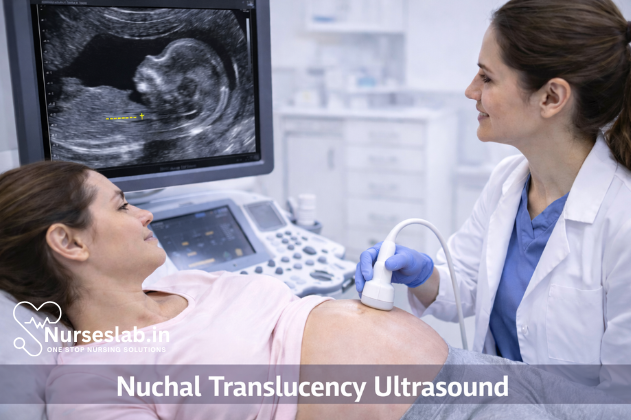
Nuchal Translucency refers to the clear (translucent) space in the tissue at the back of a developing baby’s neck, observed via ultrasound during the first trimester of pregnancy. All fetuses have some fluid at the back of their neck. However, an increased amount of this fluid can be an early sign of certain chromosomal abnormalities, such as Down syndrome (trisomy 21), Edwards syndrome (trisomy 18), or Patau syndrome (trisomy 13). The NT measurement is not a diagnosis but rather a screening tool that helps assess the likelihood of these conditions.
The NT scan is a specialised ultrasound test that measures this fluid-filled space. The clarity of the NT area allows healthcare professionals to obtain an accurate measurement, which, when combined with other factors, provides valuable insight into the baby’s risk profile for specific genetic conditions.
Why is Nuchal Translucency Measured?
Significance in Fetal Development and Risk Assessment
The measurement of nuchal translucency is significant because it serves as a marker for certain chromosomal abnormalities and congenital heart defects. During early development, the amount of fluid at the nape of the neck is a sensitive indicator of how the baby’s lymphatic system and heart are forming. An increased NT thickness may indicate an elevated risk for:
- Down syndrome (Trisomy 21): The most commonly identified chromosomal condition associated with increased NT.
- Edwards syndrome (Trisomy 18) and Patau syndrome (Trisomy 13): Less common but more severe chromosomal disorders.
- Congenital heart defects: Some heart and major organ abnormalities can be associated with increased NT measurements, even if chromosomes are normal.
It is important to note that an increased NT measurement does not mean that a problem is certain; it simply indicates a higher risk. Further testing and evaluation are necessary to arrive at a definitive diagnosis.
When is the Procedure Performed?
Timing and Gestational Age
The nuchal translucency scan is typically performed between 11 and 14 weeks of pregnancy, when the fetus is between 45mm and 84mm in length (crown-rump length). This time window is chosen because the NT area is most visible and measurable during this period, and the results are most reliable.
If the scan is attempted before 11 weeks, the fetus may be too small, making the measurement difficult and less accurate. After 14 weeks, the fluid may be absorbed as the baby develops, potentially leading to misleading results.
Preparation for the Procedure
Patient Guidelines and Expectations
Preparing for a nuchal translucency scan is straightforward, but following a few simple guidelines can help ensure the test goes smoothly:
- Scheduling: Your healthcare provider will help you schedule the scan within the recommended time frame (11-14 weeks gestation).
- Hydration: It is often advised to have a moderately full bladder for the scan. Drinking water an hour before your appointment can help improve the clarity of the ultrasound images, especially in early pregnancy.
- Comfortable Clothing: Wear clothing that allows easy access to your abdomen, as the ultrasound is performed over your lower belly.
- Documentation: Bring any necessary medical documents, including your maternity record or previous scan reports, if available.
- Accompaniment: Many clinics allow a partner or support person to attend the scan for emotional support, but check in advance regarding clinic policies.
You do not need to fast or make any significant changes to your routine before the scan. The procedure is painless and non-invasive.
How is the Procedure Conducted?
Step-by-Step Explanation of the Ultrasound Process
The nuchal translucency scan is performed using ultrasound technology, which uses high-frequency sound waves to create images of the developing fetus. Here is a step-by-step overview of what to expect during the procedure:
- Arrival and Preparation: Upon arrival at the clinic or hospital, you will be asked to lie down on an examination table. The sonographer (ultrasound technician) will explain the procedure and answer any questions you may have.
- Application of Gel: A clear, water-based gel is applied to your abdomen. This gel helps the ultrasound probe (transducer) move smoothly and improves sound wave transmission.
- Ultrasound Imaging: The sonographer gently moves the transducer over your abdomen. Real-time images of your uterus and baby appear on a monitor. The sonographer will locate the fetus and measure its crown-rump length to ensure it is within the appropriate size range for the NT scan.
- NT Measurement: Once the baby is in a suitable position, the sonographer focuses on the back of the baby’s neck and measures the thickness of the nuchal translucency area. This is done by placing electronic calipers on the ultrasound image to measure the widest part of the clear space.
- Image Documentation: The measurements and images are recorded and may be printed or stored electronically for your medical records.
- Additional Checks: The sonographer may also examine other fetal structures, such as the nasal bone, and check for early signs of major structural abnormalities.
- Discussion: After the scan, the sonographer or a doctor may discuss the results with you, or you may receive them at a follow-up appointment.
In some cases, if the baby is not in an optimal position for measurement, you may be asked to walk around or return for a repeat scan at a later time.
Interpreting the Results
What Measurements Mean and Follow-Up Steps
The primary result of the NT scan is the thickness of the nuchal translucency, measured in millimetres (mm). The interpretation of this measurement involves several factors:
- Normal Range: Most fetuses have an NT measurement less than 3.5mm at the 11-14 week mark. Measurements within this range are generally considered reassuring.
- Increased NT: A measurement greater than 3.5mm is considered increased and may indicate a higher risk for chromosomal abnormalities or congenital heart problems. However, many babies with increased NT are born healthy.
- Combined Screening: The NT measurement is often combined with maternal blood tests (measuring pregnancy-associated plasma protein-A and free beta-human chorionic gonadotropin) and maternal age to calculate a personalised risk score for certain conditions.
If your baby’s NT measurement is higher than average or your combined screening indicates an increased risk, your healthcare provider may recommend further testing. These may include:
- Non-Invasive Prenatal Testing (NIPT): A blood test that analyses fetal DNA in the mother’s blood to assess risk for certain chromosomal conditions.
- Diagnostic Tests: Procedures like chorionic villus sampling (CVS) or amniocentesis can provide a definitive genetic diagnosis but carry a small risk of miscarriage.
- Detailed Ultrasound: A more comprehensive scan later in pregnancy to examine fetal anatomy and heart development.
It is important to remember that the NT scan is a screening tool, not a diagnostic test. An increased risk result does not mean your baby definitely has a problem, just as a low-risk result does not guarantee the absence of all abnormalities.
Risks and Limitations
Safety, Accuracy, and Possible Complications
The nuchal translucency scan is considered safe for both mother and baby. Ultrasound technology has been used for decades in prenatal care without evidence of harm when performed appropriately.
However, like all medical tests, the NT scan has certain limitations:
- No Definitive Diagnosis: The test only assesses risk. It cannot confirm or rule out a condition by itself.
- False Positives/Negatives: Some babies with increased NT are born healthy, while some with normal NT measurements may still have chromosomal or structural problems undetected by the scan.
- Technical Limitations: Factors such as maternal obesity, fetal position, or uterine scarring can affect the clarity of the ultrasound and the accuracy of measurements.
- Emotional Impact: Receiving a high-risk result can be stressful and may lead to difficult decisions about further testing.
Complications from the scan itself are extremely rare. Discomfort may result from a full bladder or the pressure of the transducer but is typically mild and short-lived.
Nuchal Translucency in the Context of Other Prenatal Tests
Combined Screening and Diagnostic Options
The NT scan is often part of the “first trimester combined screening,” which includes:
- Nuchal translucency measurement by ultrasound
- Blood tests for specific pregnancy hormones and proteins
- Consideration of maternal age and medical history
Together, these factors provide a more accurate assessment of the risk for chromosomal conditions than any single test alone.
Other prenatal screening and diagnostic options include:
- Non-Invasive Prenatal Testing (NIPT): Highly sensitive blood tests for common chromosomal abnormalities, typically offered after 10 weeks of pregnancy.
- Second Trimester Screening: Blood tests and ultrasound scans performed between 15 and 20 weeks.
- Diagnostic Tests: If screening indicates a high risk, definitive tests such as CVS (performed between 11 and 14 weeks) or amniocentesis (from 15 weeks) can confirm or rule out chromosomal abnormalities.
Each test has its own benefits, limitations, and timing. Your healthcare provider will help you understand your options and choose the approach best suited to your needs and preferences.
Nursing Care for Patients Undergoing Nuchal Translucency (NT) Diagnostic Procedure
Effective nursing care is essential to ensure the well-being of the patient, promote accurate results, and provide comprehensive support throughout the screening process.
Pre-Procedure Nursing Care
Patient Assessment
Before the NT procedure, nurses should conduct a thorough patient assessment. This includes reviewing the patient’s medical and obstetric history, identifying any risk factors, and confirming the gestational age with reference to the last menstrual period or previous ultrasounds. It is also important to assess the patient’s understanding of the procedure and her emotional state, as anxiety and uncertainty are common.
Preparation and Informed Consent
Preparation involves ensuring that the patient has received clear instructions regarding the appointment. In most cases, a full bladder is required for optimal visualization during the ultrasound, so patients may need to be advised to drink water prior to the procedure. Nurses must verify that the patient understands the purpose, process, and potential outcomes of the NT scan.
Obtaining informed consent is a critical nursing responsibility. The nurse should explain the procedure in understandable language, discuss the significance of the results, and answer any questions. Consent should be documented according to institutional protocols.
Addressing Anxiety and Providing Information
Many patients experience anxiety regarding prenatal screening, particularly with the possibility of abnormal findings. Nurses play a vital role in offering reassurance, clarifying misconceptions, and providing balanced information about the benefits and limitations of NT screening. Empathetic communication and active listening are essential to address patient concerns effectively.
Intra-Procedure Nursing Responsibilities
Assisting the Sonographer
During the NT scan, nurses assist the sonographer by preparing the examination room, ensuring that all necessary equipment is available and functioning, and positioning the patient comfortably on the examination table. Nurses may also help apply the ultrasound gel and adjust the patient’s clothing to maintain modesty.
Ensuring Patient Comfort
Patient comfort is paramount. The nurse should provide pillows or supports as needed and ensure that the patient’s bladder is not excessively full, which can cause discomfort. If the patient expresses pain or distress, the nurse should intervene appropriately and communicate with the sonographer.
Monitoring Vital Signs and Well-being
Although the NT procedure is non-invasive, nurses should monitor the patient’s vital signs as indicated, particularly if the patient has pre-existing medical conditions or is visibly anxious. Observing for signs of faintness, nausea, or emotional distress allows for prompt intervention.
Maintaining Privacy and Dignity
Maintaining privacy and dignity is a fundamental aspect of nursing care. Nurses should ensure that the patient is covered appropriately, that only essential staff are present, and that the patient’s modesty is respected at all times.
Post-Procedure Nursing Care
Observation and Immediate Support
After the NT scan, nurses should observe the patient for any immediate reactions, such as dizziness or emotional distress. While complications are rare, prompt attention to patient needs ensures safety and comfort.
Addressing Patient Concerns
Patients may have questions about the procedure, the images seen on the ultrasound, or the next steps. Nurses should be prepared to provide clear, accurate answers or refer questions to the appropriate healthcare provider if necessary.
Providing Post-Procedure Instructions
Post-procedure instructions typically include guidance on when and how the results will be communicated, any follow-up appointments, and what to do if the patient experiences unusual symptoms. Nurses should reiterate the importance of attending all scheduled prenatal visits and encourage patients to contact the clinic with any concerns.
Patient Education
Explaining Results and Follow-Up
Patient education is a cornerstone of nursing care in NT screening. Nurses should explain that the NT measurement is a risk assessment tool, not a definitive diagnosis. An increased NT measurement indicates a higher risk of chromosomal abnormalities but does not confirm a problem. Further testing, such as non-invasive prenatal testing (NIPT) or diagnostic procedures like chorionic villus sampling (CVS) or amniocentesis, may be recommended based on the results.
Nurses should provide information regarding the expected timeline for receiving results and the process for follow-up care. Written materials or reputable online resources may be offered to reinforce verbal explanations.
Addressing Common Questions
- What does an increased NT measurement mean? – It suggests a higher risk of chromosomal or structural abnormalities, but further testing is required for confirmation.
- Is the NT scan safe? – Yes, it is a non-invasive ultrasound procedure with no known risks to the mother or fetus.
- What happens if the result is abnormal? – The healthcare team will discuss further testing options and provide ongoing support.
- Can lifestyle changes affect NT results? – No, NT measurements are not influenced by diet or lifestyle.
Potential Complications and Nursing Interventions
Although NT screening is considered safe, nurses must be vigilant for potential complications, however rare. These might include:
- Vasovagal reactions: Patients may experience faintness or dizziness due to anxiety or lying supine for an extended period. Nursing interventions include assisting the patient to a sitting position, offering water, and monitoring vital signs.
- Emotional distress: The anxiety associated with prenatal screening can lead to tears, panic, or withdrawal. Nurses should provide immediate emotional support and, if persistent distress is observed, refer the patient to counseling services.
- Technical difficulties: In cases where the fetus is not in an optimal position or maternal anatomy complicates the scan, the nurse should help reassure the patient and coordinate rescheduling if necessary.
Emotional Support and Counseling
Supporting Patients Emotionally
Emotional support is integral to holistic nursing care during NT screening. Nurses should create a supportive environment by acknowledging patient emotions, validating concerns, and offering reassurance. Active listening and empathetic responses help build trust and reduce anxiety.
Referral to Counseling and Support Services
Some patients may require additional support, particularly if the NT measurement is abnormal or if there is a history of pregnancy complications. Nurses should be familiar with available counseling services, support groups, and referral pathways. Providing contact information and facilitating referrals as needed ensures that patients receive comprehensive care beyond the clinical setting.
REFERENCES
- John Hopkins medicine, First Trimester Screening, Nuchal Translucency and NIPT, https://www.hopkinsmedicine.org/health/treatment-tests-and-therapies/first-trimester-screening-nuchal-translucency-and-nipt
- Radiopaedia. Nuchal translucency https://radiopaedia.org/articles/nuchal-translucency-1?lang=us .
- American College of Obstetricians and Gynecologists. Prenatal Genetic Screening Tests (https://www.acog.org/womens-health/faqs/prenatal-genetic-screening-tests).
- Berger A. What is fetal nuchal translucency https://www.ncbi.nlm.nih.gov/pmc/articles/PMC1114626/)? BMJ. 1999;318(7176):85.
- Radiopaedia. Nuchal translucency https://radiopaedia.org/articles/nuchal-translucency-1?lang=us . https://fetalmedicine.org/fmf-certification-2/nuchal-translucency-scan.
- The ApolloHospitals. Nuchal translucency https://www.apollohospitals.com/diagnostics-investigations/nuchal-translucency
Stories are the threads that bind us; through them, we understand each other, grow, and heal.
JOHN NOORD
Connect with “Nurses Lab Editorial Team”
I hope you found this information helpful. Do you have any questions or comments? Kindly write in comments section. Subscribe the Blog with your email so you can stay updated on upcoming events and the latest articles.


