


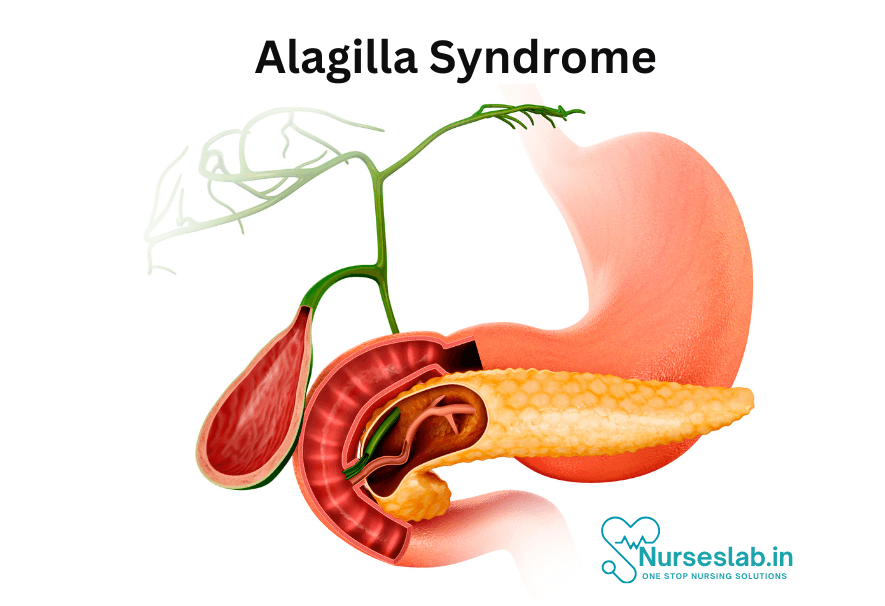
Alagille syndrome is a genetic disorder that affects multiple organ systems in the body, most notably the liver, heart, and kidneys. It is named after the French paediatrician Dr. Daniel Alagille, who first described the condition in the late 1960s.
This syndrome is characterized by a reduced number of bile ducts in the liver, which leads to a build-up of bile and, consequently, liver damage.
Genetics and Inheritance
Alagille syndrome is typically inherited in an autosomal dominant pattern, meaning that only one copy of the mutated gene is required to cause the disorder. The most common gene associated with Alagille syndrome is JAG1, but mutations in the NOTCH2 gene have also been implicated. Approximately 50-70% of cases are inherited from an affected parent, while the remaining cases result from new mutations.
Symptoms and Clinical Features
The symptoms of Alagille syndrome can vary widely from person to person, even within the same family. The most common features include:
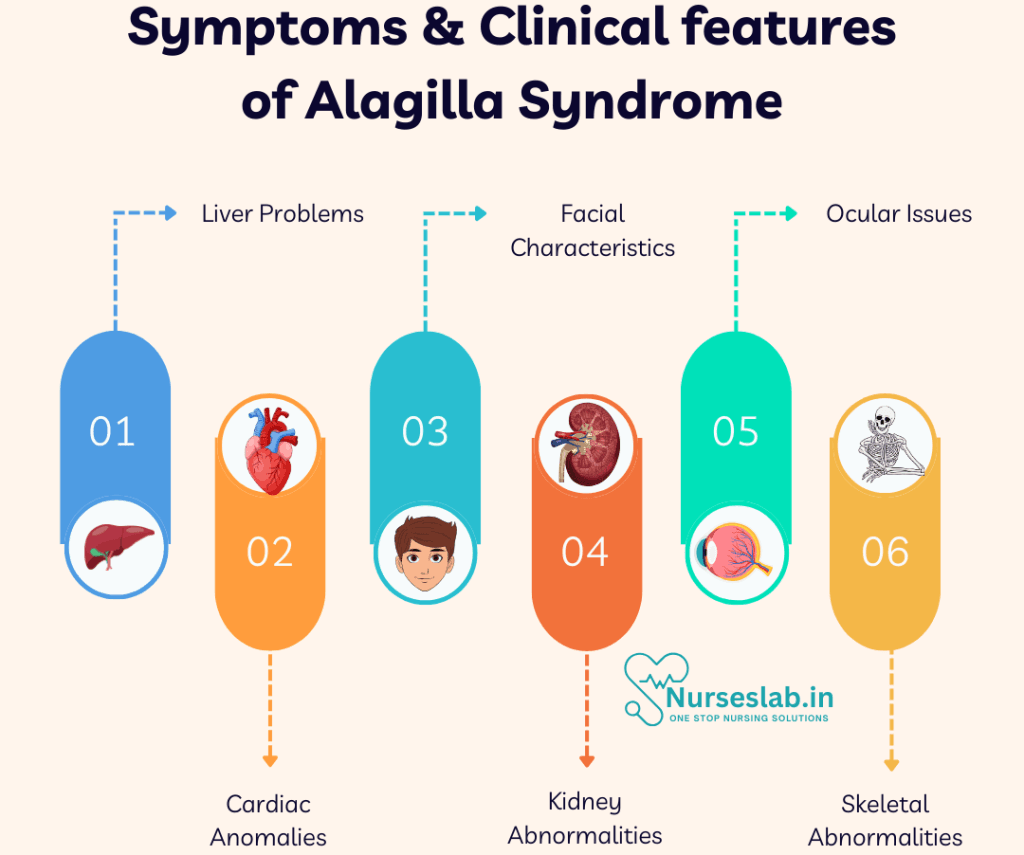
1.Liver Problems
1.Cholestasis:
This is the most prominent feature of Alagille syndrome and involves a reduction in bile flow, leading to jaundice, itching, and, in severe cases, liver cirrhosis.
2.Bile Ducts:
Affected individuals have fewer bile ducts, which can cause bile to accumulate in the liver and damage liver cells.
2.Cardiac Anomalies
1.Pulmonary Stenosis: Narrowing of the pulmonary valve or artery.
2.Tetralogy of Fallot: A combination of four heart defects that affect the structure of the heart and the flow of blood through it.
3.Other Heart Defects: Various other structural abnormalities in the heart can also be observed.
3.Facial Characteristics
Distinctive Facial Features:
Individuals may have a broad forehead, deep-set eyes, a pointed chin, and a straight nose with a bulbous tip.
4.Kidney Abnormalities
1.Renal Dysplasia: Malformations in the kidney structure.
2.Other Kidney Issues: Various renal problems can occur, affecting the kidney’s ability to function properly.
5.Ocular Issues
1.Posterior Embryotoxon: A thickening of the ring around the cornea, which is often detected during an eye exam.
2.Other Eye Abnormalities: Various other ocular anomalies can be present, potentially affecting vision.
6.Skeletal Abnormalities
Butterfly Vertebrae: The vertebrae in the spine may be shaped abnormally, resembling a butterfly on an X-ray.
Diagnosis
Diagnosing Alagille syndrome can be challenging due to the variability in symptoms. A combination of clinical evaluation, family history, and genetic testing is usually employed.
Key diagnostic criteria include the presence of bile duct paucity on liver biopsy and at least three of the following features:
- Cardiac defects
- Skeletal abnormalities
- Eye anomalies
- Distinctive facial features
- Renal abnormalities
Several tests confirm the diagnosis including:
- Liver biopsy.
- Blood tests.
- Eye exam.
- Spine X-ray.
- Abdominal and/or heart ultrasound.
- Genetic test.
- Kidney function tests.
- Pancreas function tests.
Management for Alagille Syndrome
Management of Alagille syndrome centers around addressing the specific symptoms and complications associated with the disorder. A multidisciplinary team of healthcare providers including hepatologists, cardiologists, nephrologists, ophthalmologists, and developmental specialists is essential to provide comprehensive care.
1.Liver Care
1.Regular Liver Function Tests: Monitoring liver enzymes and function to detect early signs of liver damage or cholestasis.
2.Nutritional Support: Ensuring adequate intake of fat-soluble vitamins (A, D, E, K) and managing malabsorption issues.
3.Medications: Use of ursodeoxycholic acid and other bile acid binders to improve bile flow and liver function.
4.Liver Transplant: Consideration for liver transplantation in cases of severe liver disease or liver failure.
2.Cardiac Care
1.Echocardiograms: Regular heart scans to monitor for congenital heart defects and pulmonary artery stenosis.
2.Medications: Use of medications to manage heart function and blood pressure.
3.Surgical Interventions: In some cases, surgical correction of heart defects may be necessary.
3.Renal and Ocular Care
1.Kidney Function Monitoring: Regular assessments of kidney function and management of renal anomalies.
2.Eye Care: Regular eye examinations and appropriate interventions for ocular anomalies.
4.Developmental Support
1.Therapies: Physical, occupational, and speech therapy to support developmental milestones.
Complications
- Bleeding into the brain
- Bone fractures
- Death
- Delayed mental or physical growth or failure to thrive
- Diarrhea
- Heart disease
- Kidney failure
- Liver failure, which happens in about 15% of those affected
- Malnutrition
- Pancreas disease
- Problems with the eyes
Prognosis
The prognosis for individuals with Alagille syndrome varies widely, depending on the severity of organ involvement. Early diagnosis and comprehensive management can significantly improve the quality of life and life expectancy. However, complications such as liver failure, cardiac issues, and renal problems can pose significant challenges.
Nursing Care for Alagille Syndrome
Alagille syndrome is a genetic disorder characterized by a range of symptoms affecting the liver, heart, kidneys, eyes, and skeletal system. Effective management of this condition requires a multidisciplinary approach, with nursing care playing a pivotal role in ensuring the well-being and improved quality of life for affected individuals.
Key Components of Nursing Care
1.Monitoring Liver Function: Regular assessment of liver function tests (LFTs) to detect abnormalities early and adjust treatments accordingly.
2.Nutritional Support: Ensuring adequate caloric intake to prevent malnutrition, which is common due to poor liver function. High-energy diets and fat-soluble vitamin supplements might be necessary.
3.Medication Management: Administering medications to manage cholestasis and pruritus, such as ursodeoxycholic acid and antihistamines.
4.Regular Cardiac Assessments: Monitoring heart function through echocardiograms and other relevant tests to detect and manage cardiac anomalies.
5.Medication Administration: Ensuring proper administration of prescribed cardiac medications and monitoring for adverse effects.
6.Kidney Function Monitoring: Regular assessments of kidney function and management of renal anomalies.
7.Eye Care: Regular eye examinations and appropriate interventions for ocular anomalies.
8.Therapies: Providing physical, occupational, and speech therapy to support developmental milestones and enhance the quality of life.
Education and Support for Families
Nurses play a crucial role in educating families about Alagille syndrome, its implications, and the importance of adherence to treatment plans. Providing emotional support and connecting families with resources and support groups can help them navigate the challenges associated with the condition.
Key Areas of Education
1. Medical Overview
Families should be provided with a comprehensive understanding of what Alagille syndrome is, including:
- Cause and genetic background
- Symptoms and how they manifest in different organs
- Common diagnostic procedures and their purpose
2. Treatment Plans
Explain the importance of adhering to the prescribed treatment plans, which may include:
- Medications for liver and heart conditions
- Regular monitoring and follow-up visits
- Potential surgical interventions
3. Developmental Support
Patients with Alagille syndrome may benefit from:
- Physical therapy to improve motor skills
- Occupational therapy for daily living activities
- Speech therapy for communication abilities
4. Eye Care
Regular eye examinations are essential to detect and treat ocular anomalies associated with Alagille syndrome.
5. Nutrition and Diet
As liver disease can affect nutrition, families should be educated on:
- Appropriate dietary choices
- Supplementation needs
- Signs of nutritional deficiencies
6.Emotional and Psychological Support
Living with a chronic condition can be challenging. Providing emotional support to both patients and families is vital. This may involve:
- Connecting with support groups
- Accessing mental health services
- Encouraging open communication within the family
REFERENCES
- Diaz-Frias J, Kondamudi NP. Alagille Syndrome. [Updated 2023 Aug 12]. In: StatPearls [Internet]. Treasure Island (FL): StatPearls Publishing; 2025 Jan-. https://www.ncbi.nlm.nih.gov/books/NBK507827/
- Fawaz R, Baumann U, Ekong U, et al. Guideline for the evaluation of cholestatic jaundice in infants: joint recommendations of the North American Society for Pediatric Gastroenterology, Hepatology, and Nutrition and the European Society for Pediatric Gastroenterology, Hepatology, and Nutrition. Journal of Pediatric Gastroenterology and Nutrition. 2017;64(1):154–168.
- National Organization for Rare Disorders, Inc. Alagille Syndrome. https://rarediseases.org/rare-diseases/alagille-syndrome/.
- StatPearls. AlagilleSyndrome. https://www.statpearls.com/ArticleLibrary/viewarticle/17321.
- Kamath BM, Baker A, Houwen R, Todorova L, Kerkar N. Systematic review: the epidemiology, natural history, and burden of Alagille syndrome. Journal of Pediatric Gastroenterology and Nutrition. 2018;67(2):148–156.
Stories are the threads that bind us; through them, we understand each other, grow, and heal.
JOHN NOORD
Connect with “Nurses Lab Editorial Team”
I hope you found this information helpful. Do you have any questions or comments? Kindly write in comments section. Subscribe the Blog with your email so you can stay updated on upcoming events and the latest articles.


