


Cancer is a word that strikes fear, evokes compassion, and demands attention. It is not a single disease, but rather a collection of related diseases characterized by uncontrolled cell growth and division. Despite the advances in science and medicine, cancer remains one of the leading causes of death worldwide. Understanding cancer—from its origins and risk factors to its prevention and treatment—is critical for individuals, families, and societies at large.
What is Cancer?
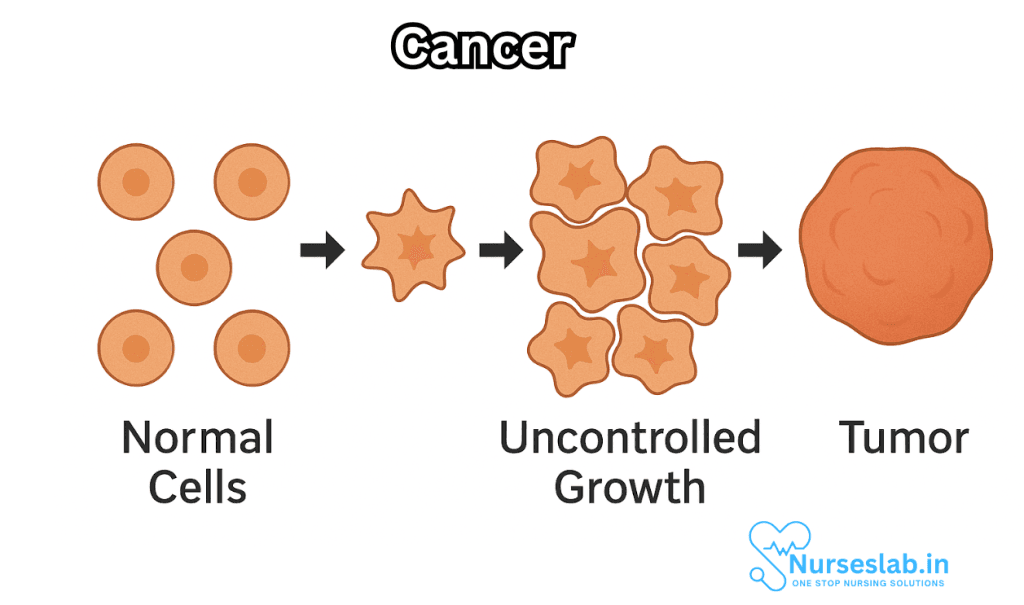
At its core, cancer arises when normal cells in the body begin to grow uncontrollably. Instead of functioning as part of a coordinated system, these cells divide relentlessly, invade nearby tissues, and can spread (metastasize) to other parts of the body. Under normal circumstances, cells grow and divide as needed, and the body has regulatory mechanisms to keep this process in check. However, when these mechanisms fail due to genetic mutations or environmental triggers, cancer can develop.
Causes and Risk Factors
The causes of cancer are multifaceted, involving a complex interplay between genetics, lifestyle, and environmental exposures. Some of the key risk factors include:
- Genetic mutations: Some people inherit genetic changes that increase their risk of certain types of cancer. For instance, mutations in the BRCA1 and BRCA2 genes are linked to breast and ovarian cancers.
- Tobacco use: Smoking remains the leading cause of preventable cancer deaths globally, responsible for cancers of the lung, mouth, throat, and more.
- Diet and lifestyle: Poor nutrition, lack of physical activity, and obesity contribute to the risk of various cancers, including colorectal, breast, and pancreatic cancers.
- Infections: Certain viruses and bacteria, such as human papillomavirus (HPV), hepatitis B and C, and Helicobacter pylori, are known to elevate cancer risk.
- Environmental exposures: Prolonged exposure to chemicals (like asbestos), radiation (including ultraviolet rays from the sun), and pollution can damage DNA and promote cancerous changes.
- Age: Cancer risk increases with age, as genetic damage accumulates over time.
Common Types of Cancer
Cancer can affect almost any part of the body. Some of the most common types include:
- Breast cancer: The most common cancer among women worldwide, affecting the breast tissue and sometimes spreading to lymph nodes and other organs.
- Lung cancer: Often associated with smoking but can also affect non-smokers. Lung cancer has a high mortality rate, partly due to late diagnosis.
- Colorectal cancer: Arising in the colon or rectum, this cancer is often detected through screening tests like colonoscopy.
- Prostate cancer: Common among older men, this cancer affects the prostate gland and can grow slowly or aggressively.
- Skin cancer: Includes basal cell carcinoma, squamous cell carcinoma, and the more dangerous melanoma. Caused primarily by UV exposure.
- Leukemia: A group of cancers that affect the blood and bone marrow, leading to the overproduction of abnormal white blood cells.
- Lymphoma: Cancer of the lymphatic system, including Hodgkin and non-Hodgkin lymphoma.
Signs and Symptoms
Symptoms of cancer vary depending on the type and location, but some common warning signs include:
- Unexplained weight loss
- Persistent fatigue or weakness
- Unusual lumps or swelling
- Pain that won’t go away
- Changes in the skin, such as new moles or sores that do not heal
- Persistent cough or trouble breathing
- Changes in bowel or bladder habits
- Difficulty swallowing or persistent indigestion
It is important to remember that these symptoms can result from causes other than cancer. However, if they persist, medical evaluation is crucial.
Diagnosis
Diagnosing cancer typically involves a combination of approaches:
- Physical examination: Doctors check for lumps, swelling, or other abnormalities during a physical exam.
- Imaging tests: Techniques such as X-rays, CT scans, MRI, ultrasound, and PET scans help visualize tumors inside the body.
- Laboratory tests: Blood, urine, or other bodily fluid tests can reveal markers of cancer.
- Biopsy: Taking a sample of tissue from a suspected area for microscopic examination remains the gold standard for cancer diagnosis.
- Genetic testing: Used in certain cancers to identify hereditary mutations or inform targeted therapy.
Treatment Options
Cancer treatment is personalized based on the type, stage, and genetic characteristics of the tumor, as well as the patient’s overall health and preferences. Common treatment strategies include:
- Surgery: Removal of the tumor and, sometimes, surrounding tissue. Surgery can be curative for localized cancers.
- Radiation therapy: Uses high-energy rays to kill or shrink cancer cells. It can be used alone or alongside other treatments.
- Chemotherapy: Involves drugs that kill fast-growing cells. Chemotherapy can target cancer throughout the body, but often comes with side effects.
- Immunotherapy: Harnesses the body’s immune system to fight cancer more effectively.
- Targeted therapy: Drugs designed to target specific genetic changes in cancer cells, often with fewer side effects than traditional chemotherapy.
- Hormone therapy: Used in cancers like breast and prostate that are fueled by hormones; therapy can block or lower hormone levels.
- Stem cell transplant: Especially for blood cancers, this procedure replaces diseased bone marrow with healthy cells.
- Palliative care: Focuses on symptom relief and quality of life, especially for advanced cancer.
Prevention and Early Detection
While not all cancers are preventable, many steps can reduce the risk:
- Avoid tobacco in all forms.
- Maintain a healthy, balanced diet rich in fruits, vegetables, and whole grains.
- Engage in regular physical activity.
- Limit alcohol consumption.
- Protect skin from excessive sun exposure—use sunscreen and wear protective clothing.
- Get vaccinated against cancer-causing infections such as HPV and hepatitis B.
- Participate in recommended screening tests for cancers such as breast, cervical, colorectal, and prostate.
- Know your family medical history and discuss it with your doctor.
Early detection is paramount. Many cancers, when caught early, can be treated more successfully. Screening tests (like mammograms, Pap smears, colonoscopies, and low-dose CT scans for lung cancer) have saved countless lives by identifying cancers before symptoms appear.
The Psychological and Social Impact
Cancer is not just a physical disease; it has profound emotional, psychological, and social impacts. Many people experience fear, anxiety, depression, and uncertainty. The diagnosis can disrupt family dynamics, employment, and financial stability. Support from loved ones, patient advocacy groups, social workers, and mental health professionals is essential for coping and maintaining quality of life.
Research and Future Directions
Cancer research is an ever-evolving field. Scientists are exploring new frontiers, including:
- Precision medicine: Customizing treatment based on the genetic profile of both the individual and the tumor.
- Immunotherapies: Developing more effective and less toxic ways to stimulate the immune system to attack cancer cells.
- Liquid biopsies: Non-invasive tests that detect cancer DNA in blood, offering new possibilities for early detection and monitoring.
- Cancer vaccines: Both preventive (like HPV vaccine) and therapeutic vaccines are under development.
- Artificial intelligence: AI technologies are being trained to detect cancer in medical images and to predict responses to therapies, promising earlier and more accurate diagnoses.
Living with Cancer: Stories of Courage and Hope
Despite its challenges, many people survive and thrive after a cancer diagnosis. Advances in treatment, supportive care, and survivorship programs mean that more individuals are living longer, fuller lives. The stories of cancer survivors are stories of resilience, courage, and hope—reminding us that cancer is not always the end, but often the beginning of a new journey.
Nursing Care of Patients with Cancer
Nurses play a pivotal role in the holistic care of individuals diagnosed with cancer, acting as both skilled clinicians and compassionate advocates throughout the continuum of care. Their responsibilities extend far beyond administering medications or performing clinical procedures—they are deeply involved in every aspect of the patient’s journey.
Assessment and Symptom Management
Nursing care begins with comprehensive assessment. This includes vigilant monitoring for signs and symptoms of disease progression or treatment side effects, such as pain, nausea, fatigue, and risk for infection. Nurses use evidence-based tools to evaluate pain levels, nutritional status, and psychological wellbeing, allowing for prompt interventions tailored to each patient’s needs. Symptom management may involve administering medications, recommending non-pharmacological techniques (such as relaxation or distraction), and collaborating with other healthcare professionals.
Patient and Family Education
Education is fundamental to empowering patients and their families. Nurses explain diagnoses, treatment plans, medication regimens, and potential side effects in clear, accessible language. They teach self-care strategies, signs of complications, and when to seek medical attention. This ongoing education helps patients make informed decisions and fosters a sense of control during an otherwise uncertain time.
Emotional and Psychosocial Support
The emotional toll of cancer can be overwhelming. Nurses provide an empathetic presence, listening without judgment and offering reassurance. They assess for anxiety, depression, and distress, and refer patients to mental health professionals or support groups when appropriate. By encouraging open communication, nurses help patients and families process their feelings and find hope, strength, and meaning despite the challenges.
Care Coordination and Advocacy
Cancer care is often complex, involving multiple specialties and services. Nurses serve as care coordinators, ensuring seamless communication between oncologists, surgeons, pharmacists, social workers, and rehabilitation therapists. They advocate for patients’ preferences and rights, helping navigate healthcare systems and community resources. This advocacy is especially important for addressing disparities and barriers to care.
Palliative and End-of-Life Care
For patients with advanced disease or those approaching end of life, nurses deliver palliative care focused on comfort, dignity, and quality of life. They manage symptoms, facilitate goals-of-care discussions, and support families through bereavement. Their presence brings comfort and companionship, ensuring patients are not alone during their most vulnerable moments.
Promoting Survivorship
As cancer survival rates improve, nurses also support patients transitioning into survivorship. This includes monitoring for recurrence, managing long-term side effects, promoting healthy lifestyles, and addressing psychosocial concerns related to reintegration into daily life.
Nursing care for patients with cancer is both an art and a science—rooted in clinical expertise, compassion, and an unwavering commitment to holistic healing. Through their dedication, nurses illuminate the path forward for patients and families, fostering hope and resilience amid uncertainty.
REFERENCES
- American Cancer Society. 2024 – First Year the US Expects More than 2M New Cases of Cancer. https://www.cancer.org/research/acs-research-news/facts-and-figures-2024.html.
- American Cancer Society. All About Cancer. https://www.cancer.org/cancer.html.
- American Cancer Society recommendations for the early detection of breast cancer. (2022).
https://www.cancer.org/cancer/breast-cancer/screening-tests-and-early-detection/american-cancer-society-recommendations-for-the-early-detection-of-breast-cancer.html - American Cancer Society. Risk of Dying from Cancer Continues to Drop at an Accelerated Pace. https://www.cancer.org/research/acs-research-news/facts-and-figures-2022.html. Accessed 8/19/2024.
- Brown JS, Amend SR, Austin RH, Gatenby RA, Hammarlund EU, Pienta KJ. Updating the Definition of Cancer (https://www.ncbi.nlm.nih.gov/pmc/articles/PMC10618731/). Mol Cancer Res. 2023 Nov 1;21(11):1142-1147..
- Grosso G, et al. (2017). Possible role of diet in cancer: systematic review and multiple meta-analyses of dietary patterns, lifestyle factors, and cancer risk.
https://pubmed.ncbi.nlm.nih.gov/28969358/ - National Cancer Institute, SEER Training Modules (U.S.). Cancer Classification. https://training.seer.cancer.gov/disease/categories/classification.html.
- National Cancer Institute (U.S.). Genetic Testing for Inherited Cancer Risk. https://www.cancer.gov/about-cancer/causes-prevention/genetics/genetic-testing-fact-sheet. Last reviewed 4/18/2024.
- Laconi E, et al. (2020). Cancer as a disease of old age: changing mutational and microenvironmental landscapes.
https://www.nature.com/articles/s41416-019-0721-1 - National Cancer Institute (U.S.). What is Cancer?. https://www.cancer.gov/about-cancer/understanding/what-is-cancer Last reviewed 10/11/2021. Accessed 8/19/2024.
- Zheng R, Wang S, Zhang S, et al. Global, regional, and national lifetime probabilities of developing cancer in 2020. https://www.ncbi.nlm.nih.gov/pmc/articles/PMC10640926/. Sci Bull (Beijing). 2023 Nov 15;68(21):2620-2628.
Stories are the threads that bind us; through them, we understand each other, grow, and heal.
JOHN NOORD
Connect with “Nurses Lab Editorial Team”
I hope you found this information helpful. Do you have any questions or comments? Kindly write in comments section. Subscribe the Blog with your email so you can stay updated on upcoming events and the latest articles.


