


Canker sores, also known as aphthous ulcers, are one of the most common types of oral lesions. Though not contagious or life-threatening, they can cause significant discomfort and interfere with daily activities such as eating, drinking, and speaking. This comprehensive guide explores the causes, symptoms, treatment, and prevention of canker sores, offering readers valuable insights for managing this troublesome oral condition.
What Are Canker Sores?
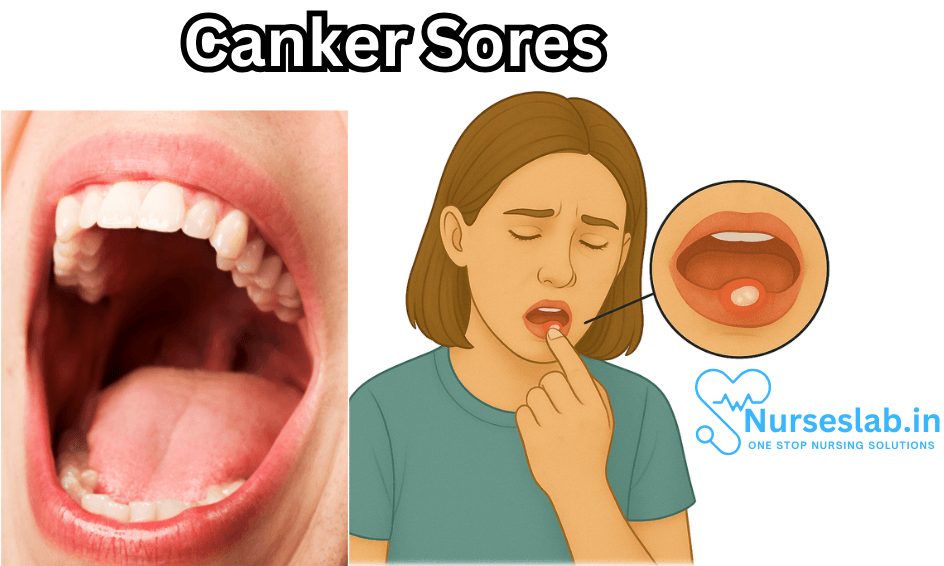
Canker sores are small, shallow lesions that develop on the soft tissues inside the mouth, such as the inside of the lips, cheeks, the base of the gums, or under the tongue. Unlike cold sores, which appear outside the mouth and are caused by the herpes simplex virus, canker sores are not contagious and do not result from a viral infection. They are round or oval in shape, usually with a white or yellow center surrounded by a red border.
Types of Canker Sores
There are three main types of canker sores:
- Minor canker sores: The most common type, these are small (less than 1 cm), oval-shaped, and heal within one to two weeks without scarring.
- Major canker sores: Larger and deeper than minor sores, these can be painful, have irregular edges, and may take up to six weeks to heal. They might leave scars.
- Herpetiform canker sores: These are rare, presenting as clusters of tiny sores (often 10-100 at a time) that can merge into larger ulcers. Despite the name, they are not caused by the herpes virus.
Symptoms of Canker Sores
The primary symptom of a canker sore is the development of one or more painful ulcers on the soft tissue of the mouth. Other signs and symptoms may include:
- Burning or tingling sensation a day or two before the sores appear
- Round or oval ulcers with a white, gray, or yellowish center and red edge
- Pain, especially while eating, drinking, or talking
- Occasional swelling of the lymph nodes
- Fever (in rare cases, usually with major canker sores)
Causes and Risk Factors
The exact cause of canker sores remains unclear, but several factors are believed to contribute to their development:
- Minor mouth injuries: Such as biting the inside of the cheek, dental work, or aggressive brushing.
- Stress: Emotional stress and fatigue can trigger outbreaks.
- Hormonal changes: Fluctuations during menstruation or pregnancy may increase susceptibility.
- Certain foods: Acidic or spicy foods like citrus fruits, tomatoes, chocolate, coffee, and some nuts can provoke ulcers in some individuals.
- Vitamin deficiencies: Lack of vitamin B12, iron, folic acid, or zinc can make one more prone.
- Food sensitivities and allergies: Reaction to certain foods can trigger sores.
- Underlying medical conditions: Diseases such as celiac disease, Crohn’s disease, Behçet’s disease, and HIV/AIDS are associated with recurrent canker sores.
- Genetics: A family history can increase your risk.
- Toothpastes and mouth rinses containing sodium lauryl sulfate: This ingredient can irritate the mouth lining in some people.
Diagnosis
Most canker sores are diagnosed based on their appearance and symptoms. A healthcare provider may ask about personal and family medical history, frequency of occurrence, and any associated symptoms. Rarely, if sores are persistent, unusually severe, or accompanied by other concerning symptoms, further tests such as blood work or a biopsy may be needed to rule out other conditions like infections, nutritional deficiencies, or autoimmune diseases.
Treatment Options
Canker sores often resolve on their own within one to two weeks. However, several treatments can alleviate pain and speed healing:
Over-the-Counter Remedies
- Gels and ointments: Products containing benzocaine, hydrogen peroxide, or fluocinonide can be directly applied to the sore to numb pain and protect the area.
- Mouth rinses: Antiseptic or steroid mouthwashes can reduce inflammation and prevent infection.
- Pain relievers: Acetaminophen or ibuprofen may help manage discomfort.
Home Remedies
- Salt water rinses: Dissolve one teaspoon of salt in half a cup of warm water and rinse the mouth several times a day.
- Baking soda rinses: Mix baking soda with warm water to help neutralize acids and soothe irritation.
- Milk of magnesia: Dab on the sore with a cotton swab to coat and relieve discomfort.
- Avoiding triggering foods: Stay away from spicy, acidic, or abrasive foods that may worsen irritation.
- Maintaining good oral hygiene: Use a soft-bristled toothbrush and avoid toothpaste with sodium lauryl sulfate.
Medical Treatments
For severe or persistent canker sores, a healthcare provider may prescribe:
- Oral or topical corticosteroids: These reduce inflammation and pain.
- Antibiotic mouth rinses: To control secondary bacterial infections.
- Immunosuppressive medications: In rare cases where ulcers are related to autoimmune disorders.
- Nutritional supplements: If deficiencies are identified.
- Cautery: Chemical or laser cauterization may be used to destroy the ulcer and speed healing.
When to See a Doctor
Most canker sores are harmless, but consult a healthcare provider if:
- Sores are unusually large or persistent (lasting more than three weeks)
- You experience intolerable pain or difficulty eating and drinking
- Sores recur frequently
- You have a high fever or feel generally unwell
- There are signs of infection such as spreading redness, pus, or swelling
Prevention Tips
While it’s not always possible to prevent canker sores, these strategies may reduce your risk:
- Address any underlying medical conditions that may contribute to sores, schedule an appointment with your healthcare provider.
- Avoid foods that have previously triggered sores
- Practice gentle oral hygiene and use toothpaste without sodium lauryl sulfate
- Manage stress through techniques like meditation, exercise, or therapy
- Ensure a balanced diet rich in vitamins and minerals
- Protect the mouth from accidental bites or injuries
Nursing Care of Parents with Canker Sores
Canker sores are not contagious, but they can cause considerable discomfort—especially when eating, drinking, or speaking.
Assessment and Diagnosis
The first step in nursing care is a comprehensive assessment. This should include:
- Clinical history: Frequency, duration, and pattern of canker sore outbreaks. Note any recent trauma, illness, or nutritional changes.
- Dietary habits: Relationship between outbreaks and consumption of certain foods or drinks.
- Medication and medical history: Review for drugs that may cause oral ulcers and assess for systemic illnesses such as celiac disease, Crohn’s disease, or Behçet’s disease.
- Pain assessment: Use a standardized pain scale to gauge the severity and impact on daily life.
- Oral hygiene practices: Techniques and products used, noting any recent changes.
- Psychosocial assessment: Explore stress levels, coping mechanisms, and the impact of mouth pain on parenting duties.
Nursing Interventions
Pain Management
Pain from canker sores can impede nutrition and hydration, disrupt sleep, and affect mood and energy. Effective pain management is foundational to care.
- Topical anesthetics: Recommending over-the-counter gels or ointments containing benzocaine or lidocaine to numb the affected area.
- Saltwater rinses: Advising patients to rinse the mouth with a solution of warm water and salt, which can soothe inflammation and promote healing.
- Cold therapy: Applying ice chips or cold water to the sore to reduce pain and swelling.
- Prescribed medications: For severe or persistent ulcers, a physician may prescribe corticosteroid rinses or systemic medications.
Promoting Oral Hygiene
Maintaining excellent oral hygiene is crucial to prevent secondary infection and promote healing.
- Encourage gentle tooth brushing with a soft-bristled toothbrush and non-irritating toothpaste (free from sodium lauryl sulfate, which can aggravate ulcers).
- Suggest regular flossing to remove food debris and reduce bacterial load.
- Advise against mouthwashes containing alcohol or harsh chemicals.
Nutritional Support
Canker sores can make eating and drinking difficult, occasionally leading to weight loss or nutritional deficiencies.
- Recommend a soft, bland diet—foods such as yogurt, mashed potatoes, bananas, eggs, or oatmeal are less likely to irritate the mouth.
- Encourage adequate fluid intake to prevent dehydration, especially if the parent is already struggling to eat.
- Advise avoiding acidic, spicy, crunchy, or salty foods and beverages until the sores heal.
- If vitamin deficiency is suspected, suggest a consultation with a healthcare provider about supplementation (especially B12, folate, and iron).
Emotional and Psychosocial Support
For parents, the pain and inconvenience of canker sores may be compounded by the demands of caring for children and managing a household. Nursing care should include:
- Validating the parent’s experience of pain and frustration.
- Offering strategies to manage stress, such as mindfulness, meditation, or gentle exercise.
- Encouraging parents to ask for help from family or friends if the pain impedes their caregiving abilities.
- Connecting them with support groups or counseling if recurrent ulcers are affecting their mental health.
Education and Prevention
Empowering parents with knowledge can help reduce the frequency and severity of outbreaks.
- Educate about potential triggers and encourage keeping a food and symptom diary to identify patterns.
- Provide guidance on avoiding oral trauma—such as not eating hard or sharp foods and using mouthguards if needed for sports.
- Discuss the importance of regular dental check-ups and prompt attention to new or worsening oral symptoms.
- Highlight the need for balanced nutrition and managing chronic stress.
Special Considerations for Parents
Because parents are often focused on the needs of their children, they may neglect their own health. Nurses should be attentive to signs of:
- Malnutrition or dehydration due to difficulties eating or drinking.
- Fatigue or mood changes stemming from poor sleep or chronic pain.
- Reluctance to seek help or prioritize their own care.
Encourage self-care and emphasize that attending to their own health enables them to be better caregivers for their families.
When to Seek Further Medical Attention
Most canker sores resolve on their own within 1–2 weeks, but nurses should advise parents to seek further evaluation if:
- Sores persist longer than three weeks or recur frequently without obvious cause.
- Sores are unusually large, spreading, or associated with high fever.
- There is difficulty swallowing or signs of systemic illness.
- They experience severe pain not relieved by over-the-counter remedies.
Integrating Care into Daily Life
Nurses can assist parents in integrating oral care routines into daily life amidst their responsibilities:
- Suggest practical ways to fit oral rinses and medication into busy schedules, such as setting reminders or pairing care with other routines (brushing teeth before school drop-off).
- Recommend preparing easy-to-eat, family-friendly meals during outbreaks, so meal preparation is not doubled.
- Encourage open communication with children about health—modeling self-care and resilience.
REFERENCES
- American Academy of Family Physicians. Canker Sores. https://familydoctor.org/condition/canker-sores/.
- American Family Physician. Management of Benign Aphthous Ulcers. https://www.aafp.org/afp/2000/0701/p149.html.
- Altenburg A, El-Haj N, Micheli C, Puttkammer M, Abdel-Naser MB, Zouboulis CC. The treatment of chronic recurrent oral aphthous ulcers. Dtsch Arztebl Int. 2014;111(40):665–673. doi:10.3238/arztebl.2014.0665
- Merck Manual. Mouth Sores and Inflammation. https://www.merckmanuals.com/home/mouth-and-dental-disorders/symptoms-of-oral-and-dental-disorders/mouth-sores-and-inflammation.
- Saccucci M, Di Carlo G, Bossù M, Giovarruscio F, Salucci A, Polimeni A. Autoimmune diseases and their manifestations on oral cavity: diagnosis and clinical management. J Immunol Res. 2018;2018:6061825. doi:10.1155/2018/6061825
- Mouth Healthy by the American Dental Association. Mouth Sores. https://www.mouthhealthy.org/en/az-topics/m/mouth-sores.
- García-Ríos P, Pecci-Lloret MP, Oñate-Sánchez RE. Oral manifestations of systemic lupus erythematosus: a systematic review. Int J Environ Res Public Health. 2022;19(19):11910. doi:10.3390/ijerph191911910
- U.S. Department of Health and Human Services Office on Women’s Health. Oral Health Fact Sheet . https://owh-wh-d9-dev.s3.amazonaws.com/s3fs-public/documents/fact-sheet-oral-health.pdf.
- Ribaldone DG, Brigo S, Mangia M, Saracco GM, Astegiano M, Pellicano R. Oral Manifestations of inflammatory bowel disease and the role of non-invasive surrogate markers of disease activity. Medicines (Basel). 2020;7(6):33. doi:10.3390/medicines7060033
Stories are the threads that bind us; through them, we understand each other, grow, and heal.
JOHN NOORD
Connect with “Nurses Lab Editorial Team”
I hope you found this information helpful. Do you have any questions or comments? Kindly write in comments section. Subscribe the Blog with your email so you can stay updated on upcoming events and the latest articles.


