


Cannabis hyperemesis syndrome (CHS) can affect people who use cannabis (marijuana) long-term. CHS causes frequent, severe nausea and vomiting. Hot baths and showers may temporarily relieve symptoms. But the only way to cure CHS is to stop using cannabis.
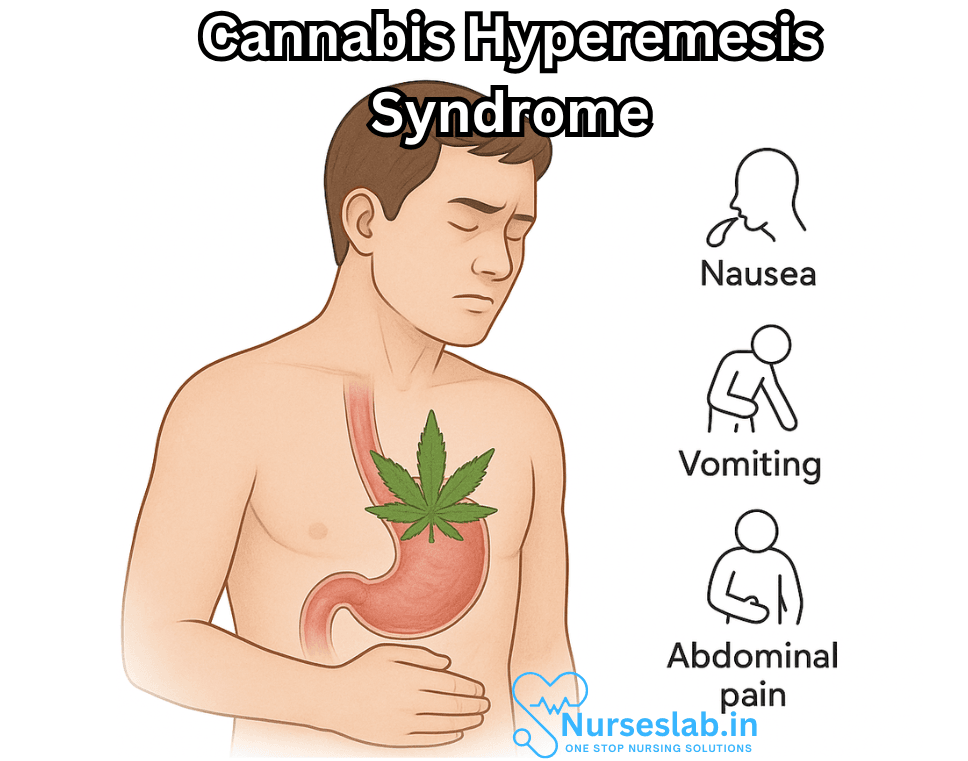
Cannabis Hyperemesis Syndrome (CHS) is a relatively newly recognized medical condition characterized by recurrent episodes of severe nausea, vomiting, and abdominal pain in individuals who use cannabis regularly and over prolonged periods. Despite the widespread perception of cannabis as an antiemetic (a substance that reduces nausea and vomiting), CHS presents a paradox: chronic cannabis use, in susceptible individuals, can actually induce relentless vomiting. This document explores the syndrome’s history, epidemiology, clinical presentation, theories on pathophysiology, diagnosis, management, and implications for public health.
History and Background
CHS was first described in the medical literature in 2004 by Allen et al., who observed a series of cases where chronic cannabis users developed cyclical vomiting that resolved upon cessation of cannabis use. Before this formal description, these symptoms were often misdiagnosed as cyclic vomiting syndrome, psychiatric illness, or gastrointestinal disorders. With the increasing legalization and wider use of cannabis, awareness of CHS has grown among healthcare professionals.
Epidemiology
The true prevalence of CHS remains uncertain, primarily due to under-recognition and underreporting. Estimates suggest that CHS may affect a small percentage of chronic, long-term cannabis users. The syndrome typically appears in individuals who have used cannabis regularly (daily or almost daily) for several years, though the minimum duration and dose required to trigger CHS are still debated. Demographically, CHS can affect all genders, though some studies suggest a slight predominance in males. No specific age group is immune, but most reported cases are in individuals under 50 years old.
Clinical Presentation
CHS classically manifests in three stages:
- Prodromal Phase: This initial stage can last months or even years. Individuals experience early morning nausea, mild abdominal discomfort, and a fear of vomiting. During this time, cannabis use often increases in an attempt to alleviate symptoms, which paradoxically may worsen them.
- Hyperemetic Phase: The hallmark of CHS, this phase involves intense, persistent nausea, frequent vomiting (sometimes dozens of times a day), retching, and abdominal pain. Dehydration and weight loss are common due to the inability to retain food or fluids. A striking feature is the compulsive use of hot showers or baths, which often temporarily relieve symptoms (the mechanism for this is not fully understood).
- Recovery Phase: This phase begins after the cessation of cannabis use. Symptoms gradually resolve, and the individual returns to their usual state of health. The duration of recovery varies, but if cannabis is reintroduced, symptoms typically recur.
Pathophysiology: Theories and Uncertainties
The precise mechanisms underlying CHS are not fully elucidated. Several hypotheses have been proposed:
- Cannabinoid Receptor Desensitization: Chronic exposure to high levels of cannabinoids (especially THC, the primary psychoactive component in cannabis) may alter the function of the endocannabinoid system, particularly CB1 receptors in the brain and gut, leading to paradoxical pro-emetic effects.
- Gastrointestinal Motility Changes: Cannabinoids can slow gastric emptying, potentially causing or worsening nausea and vomiting after long-term use.
- Hypothalamic Thermoregulation: The relief provided by hot showers may suggest a disruption of thermoregulation in the hypothalamus, which can be modulated by cannabinoids.
- Genetic Susceptibility: Not all chronic cannabis users develop CHS, so genetic factors may play a role in determining which individuals are at risk.
- Toxic Contaminants: Some have proposed that pesticides, fungicides, or other contaminants in cannabis products could trigger symptoms, though CHS occurs even with pure cannabis use.
Diagnosis
CHS is a clinical diagnosis, often made after ruling out other causes of cyclic vomiting. There is no definitive laboratory or imaging test for CHS. Diagnosis is based on:
- History of chronic cannabis use (often years, with frequent use)
- Typical pattern of cyclical nausea and vomiting
- Symptom relief with hot showers or baths
- Resolution of symptoms after stopping cannabis
- Exclusion of other causes of vomiting (e.g., gastrointestinal, endocrine, metabolic, neurologic, or infectious diseases)
Commonly, patients undergo extensive and costly investigations before CHS is suspected, leading to delays in diagnosis and increased healthcare utilization.
Management and Treatment
The cornerstone of CHS management is the cessation of cannabis use. Symptom improvement usually occurs within days to weeks after stopping cannabis, though full recovery can vary from person to person.
During the hyperemetic phase, individuals may require supportive care, including:
- Intravenous fluids: To treat dehydration and electrolyte disturbances
- Antiemetics: Standard antiemetic drugs (such as ondansetron or metoclopramide) are often only partially effective
- Pain management: For abdominal discomfort
- Hot showers: Though not a treatment, hot bathing can provide temporary relief and serve as a clinical clue
- Topical capsaicin: Some studies suggest that applying capsaicin cream to the abdomen can mimic the effects of hot showers and mitigate symptoms
The most effective and definitive treatment remains the complete discontinuation of cannabis. Education and counseling about the syndrome are essential, as many individuals find it hard to believe that their symptoms are related to cannabis, a substance they may have used for perceived relief.
Prognosis and Recurrence
Most individuals recover fully from CHS if they stop using cannabis. However, relapse is common if cannabis use resumes. Recurrent CHS can result in repeated hospitalizations, significant weight loss, malnutrition, renal impairment, and a decrease in quality of life. Understanding the risk of recurrence is crucial for patient education and long-term management.
Public Health Implications
With changing laws and social attitudes, cannabis use is rising globally. While it offers therapeutic benefits for some conditions, the emergence of CHS highlights the need for balanced and informed public health messaging. Healthcare providers should be familiar with CHS to avoid unnecessary testing, reduce healthcare costs, and guide patients toward effective treatment.
Awareness campaigns and clinician education can help reduce the stigma surrounding the diagnosis and prevent unnecessary suffering. Ensuring that cannabis users are informed about the potential for CHS is an important aspect of harm reduction.
Nursing Care of Patients with Cannabis Hyperemesis Syndrome
Despite the well-known antiemetic properties of cannabinoids, paradoxically, chronic use can induce this syndrome, which poses unique challenges for healthcare professionals, particularly nurses, who often serve as the front line in assessment, intervention, and patient education.
Assessment and Nursing Diagnosis
The assessment of a patient with suspected CHS should be thorough and systematic to establish an accurate diagnosis and guide appropriate care. Key steps include:
- Comprehensive History: Document frequency, duration, and quantity of cannabis use, history of similar symptoms, and any relief methods (notably compulsive hot bathing).
- Physical Examination: Assess for signs of dehydration (dry mucous membranes, tachycardia, decreased skin turgor), electrolyte imbalance, and overall appearance.
- Laboratory Tests: Monitor for metabolic derangements (hypokalemia, hypochloremic metabolic alkalosis), renal function, and other relevant investigations to rule out alternative causes of vomiting.
- Mental Health Assessment: Evaluate for anxiety, depression, substance use disorder, and readiness to change.
Common nursing diagnoses for patients with CHS include:
- Fluid volume deficit related to excessive vomiting
- Imbalanced nutrition, less than body requirements
- Acute pain (abdominal discomfort)
- Knowledge deficit regarding the effects of chronic cannabis use
- Risk for electrolyte imbalance
Immediate Nursing Interventions
The primary goals of nursing care during the hyperemetic phase are to manage symptoms, prevent complications, and provide supportive care.
1. Management of Nausea and Vomiting
- Administer prescribed antiemetics, though traditional ones (e.g., ondansetron, metoclopramide) may have limited efficacy in CHS.
- Monitor the frequency and severity of vomiting episodes and document fluid loss.
- Encourage the use of non-pharmacological interventions, such as relaxation techniques or a calm environment, although the compulsive bathing behavior should be monitored for safety.
2. Fluid and Electrolyte Balance
- Initiate intravenous fluid therapy (IVF) as ordered, often with isotonic fluids to correct dehydration and electrolyte imbalances.
- Monitor intake and output rigorously, including emesis and urine output.
- Monitor serum electrolytes (potassium, sodium, chloride) and replace as necessary according to provider orders.
- Assess for signs of hypovolemia and intervene promptly.
3. Nutritional Support
- NPO (nothing by mouth) status may be necessary initially if vomiting is severe, transitioning to clear liquids and then a bland diet as tolerated.
- Monitor for weight loss and signs of malnutrition.
- Collaborate with a dietitian for nutritional support and education once the patient is stable.
4. Pain Management
- Assess severity and nature of abdominal pain using standardized pain scales.
- Administer analgesics as prescribed, taking care to avoid opioids unless absolutely necessary due to risk of dependency.
- Encourage non-pharmacological pain management strategies, including heat packs (if safe and appropriate) or relaxation techniques.
5. Patient Safety
- Monitor patients taking hot baths or showers, as these may lead to burns or falls, particularly in weakened or elderly individuals.
- Educate about the risks of excessive hot water use.
- Provide assistance with ambulation if needed due to weakness or dizziness from vomiting and dehydration.
Education and Counseling
Education is a cornerstone of CHS management, as the only definitive treatment is cessation of cannabis use. Nurses play a key role in:
- Educating patients and families about the paradoxical effects of chronic cannabis use and the likelihood of recurrence with continued use.
- Providing clear, nonjudgmental communication to foster trust and encourage disclosure of cannabis use.
- Discussing the importance of abstinence as the only known cure for CHS and collaborating with providers for resources on substance use cessation.
- Connecting patients with substance use counseling, addiction specialists, or peer support groups as appropriate.
- Providing written information about CHS for patients and families to reference after discharge.
Discharge Planning and Follow-Up
Discharge planning should begin early and involve a multidisciplinary team, including social work, case management, and addiction specialists. Key points include:
- Ensuring the patient is symptom-free and able to tolerate oral intake prior to discharge.
- Providing clear instructions on cannabis cessation and resources for ongoing support.
- Scheduling follow-up appointments with primary care and, if available, addiction services.
- Educating on signs of relapse or complications (recurrent vomiting, dehydration) that warrant prompt medical attention.
- Encouraging continued engagement with support networks to reduce the risk of resuming cannabis use.
Special Considerations
1. Adolescents and Young Adults
Since cannabis use is prevalent among young people, nurses should be particularly sensitive to their concerns and developmental stage. Involve family members when appropriate, and provide age-appropriate education and counseling.
2. Pregnant or Lactating Patients
CHS can occur in pregnant individuals who use cannabis. Nurses should assess for pregnancy, collaborate with obstetric providers, and counsel on the risks of cannabis use during pregnancy and lactation.
3. Mental Health Co-morbidities
Patients with CHS may also have coexisting mental health disorders. Nurses should screen for symptoms of anxiety, depression, and other substance use disorders and make referrals as needed.
Role of the Nurse in Prevention
Nurses are in a unique position to contribute to the prevention of CHS by:
- Engaging in community education about the risks of chronic cannabis use, especially in populations with increased vulnerability.
- Participating in school-based health programs to promote awareness among adolescents.
- Advocating for access to addiction counseling and mental health resources.
- Collaborating with public health initiatives to reduce substance abuse rates.
REFERENCES
- American Addiction Centers. Cannabinoid Hyperemesis Syndrome (CHS): Symptoms and Treatment. https://americanaddictioncenters.org/marijuana-rehab/cannabinoid-hyperemesis-syndrome. Updated 12/13/2022.
- Loganathan P, Gajendran M, Goyal H. A Comprehensive Review and Update on Cannabis Hyperemesis Syndrome. Pharmaceuticals (Basel). 2024 Nov 18;17(11):1549. doi: 10.3390/ph17111549. PMID: 39598458; PMCID: PMC11597608.
- Habboushe J, Rubin A, Liu H, Hoffman RS. The Prevalence of Cannabinoid Hyperemesis Syndrome Among Regular Marijuana Smokers in an Urban Public Hospital. https://pubmed.ncbi.nlm.nih.gov/29327809/. Basic Clin Pharmacol Toxicol. 2018 Jun;122(6):660-662.
- Cue L, Chu F, Cascella M. Cannabinoid Hyperemesis Syndrome. [Updated 2023 Jul 3]. In: StatPearls [Internet]. Treasure Island (FL): StatPearls Publishing; 2025 Jan-. Available from: https://www.ncbi.nlm.nih.gov/books/NBK549915/
- Sallaberry CA, Astern L. The Endocannabinoid System, Our Universal Regulator. https://www.jyi.org/2018-june/2018/6/1/the-endocannabinoid-system-our-universal-regulator. J Young Investigat. 2018 June;34(6):48-55.
- Khattar N, Routsolias JC. Emergency Department Treatment of Cannabinoid Hyperemesis Syndrome: A Review. https://pubmed.ncbi.nlm.nih.gov/28953512/. Am J Ther. 2018 May/Jun;25(3):e357-e361.
Stories are the threads that bind us; through them, we understand each other, grow, and heal.
JOHN NOORD
Connect with “Nurses Lab Editorial Team”
I hope you found this information helpful. Do you have any questions or comments? Kindly write in comments section. Subscribe the Blog with your email so you can stay updated on upcoming events and the latest articles.


