


Castleman Disease (CD) is a rare group of disorders characterized by the abnormal growth of cells in the lymphatic system, which plays a crucial role in the body’s immune function. Named after Dr. Benjamin Castleman, who first described the disease in the 1950s, Castleman Disease can present in several forms, ranging from a localized and relatively benign condition to a more severe, life-threatening systemic disorder. Over the decades, research on Castleman Disease has progressed, but it remains an enigmatic and challenging condition for physicians and researchers alike.
What Is Castleman Disease?
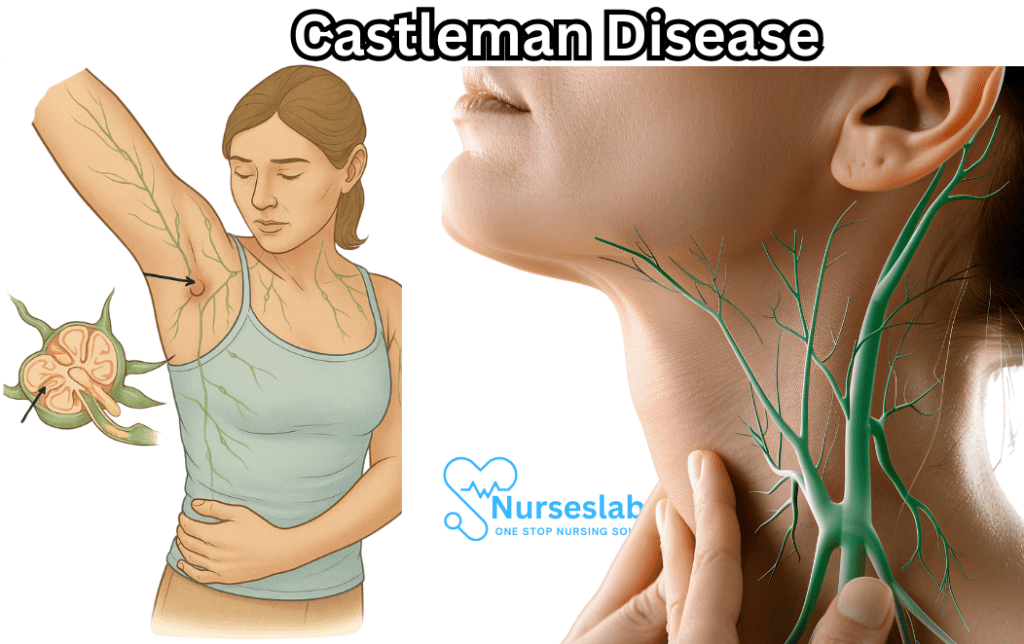
Castleman Disease is classified as a lymphoproliferative disorder, meaning it involves the excessive proliferation of lymphocytes—a type of white blood cell—in lymph nodes. This results in enlarged lymph nodes and sometimes affects multiple organ systems. Unlike lymphomas, which are cancerous, Castleman Disease is generally considered non-cancerous. However, some forms can behave aggressively and share features with malignancies.
Types of Castleman Disease
Castleman Disease is broadly divided into two main categories:
- Unicentric Castleman Disease (UCD): This type affects a single group of lymph nodes, usually in the chest, abdomen, or neck. UCD is more common and often curable with surgical removal of the affected lymph node.
- Multicentric Castleman Disease (MCD): This type involves multiple lymph node regions and can affect organs such as the spleen, liver, and bone marrow. MCD tends to have a more severe course and is associated with systemic symptoms.
Multicentric Castleman Disease is further subdivided based on its underlying cause:
- HHV-8-Associated MCD: Caused by infection with human herpesvirus 8 (HHV-8). This subtype is more common in people with compromised immune systems, such as those living with HIV/AIDS.
- Idiopathic MCD (iMCD): Has no known viral or infectious cause and is even rarer. The exact triggers remain poorly understood.
Signs and Symptoms
The clinical presentation of Castleman Disease varies depending on the type:
Unicentric Castleman Disease (UCD)
- Often asymptomatic; may be discovered incidentally during imaging for another reason.
- Swelling or lump in the affected area (e.g., neck, chest, or abdomen).
- Compression of nearby structures can cause cough, difficulty breathing, or abdominal pain.
- Constitutional symptoms (less common): fever, night sweats, weight loss, or fatigue.
Multicentric Castleman Disease (MCD)
- Generalized lymph node enlargement (lymphadenopathy).
- Systemic symptoms: persistent fever, drenching night sweats, unexplained weight loss, and severe fatigue.
- Enlarged spleen (splenomegaly) and liver (hepatomegaly).
- Skin rashes and fluid buildup (edema) in the limbs or abdomen.
- Laboratory abnormalities: anemia, low platelet count, elevated inflammatory markers (CRP, ESR).
- In severe cases, multi-organ failure can occur.
Pathophysiology and Causes
The precise cause of Castleman Disease remains unclear. However, researchers believe that the disease process involves abnormal immune system activation and overproduction of cytokines—proteins that regulate immune responses. One such cytokine, interleukin-6 (IL-6), is often elevated in people with Castleman Disease, particularly in MCD. This cytokine storm drives much of the inflammation and the array of symptoms seen in the disease.
HHV-8-Associated MCD
Human herpesvirus 8 (HHV-8), also known as Kaposi sarcoma-associated herpesvirus, is implicated in many cases of MCD, especially among immunocompromised individuals. The virus infects lymphocytes and triggers excessive cytokine production, leading to widespread lymph node and organ involvement.
Idiopathic MCD (iMCD)
In idiopathic cases, the trigger for cytokine overproduction is unknown. Genetic, autoimmune, and environmental factors have been proposed but not conclusively proven.
Diagnosis
Because Castleman Disease is rare and its symptoms can mimic other conditions (such as lymphoma, infections, or autoimmune diseases), diagnosis can be challenging. A comprehensive evaluation typically includes:
- Physical examination: Checking for enlarged lymph nodes, liver, or spleen.
- Imaging studies: CT scans, MRI, or ultrasound to assess the size and location of lymph node enlargement.
- Laboratory tests: Blood tests to look for anemia, abnormal cell counts, and markers of inflammation.
- Lymph node biopsy: The definitive diagnosis is made by removing and examining part or all of an affected lymph node under a microscope. Pathologists look for characteristic features such as abnormal blood vessels and certain cell patterns.
- Viral testing: Screening for HHV-8 and HIV, especially in cases of MCD.
Treatment Options
Treatment depends on the type and severity of Castleman Disease:
Unicentric Castleman Disease (UCD)
- Surgery: The primary treatment is surgical removal of the affected lymph node, which is often curative.
- Radiation therapy: Used when surgery is not possible.
Multicentric Castleman Disease (MCD)
- Immunotherapy: Drugs that target IL-6 (e.g., siltuximab and tocilizumab) help reduce symptoms and control disease activity.
- Antiviral therapy: For those with HHV-8-associated MCD, antiviral drugs may be beneficial.
- Chemotherapy: Used in severe or refractory cases to suppress the immune system and reduce lymphocyte proliferation.
- Corticosteroids: Can help control inflammation and acute symptoms.
- Supportive care: Includes managing complications like infections, anemia, or organ dysfunction.
Prognosis
The outlook for individuals with Castleman Disease varies:
- Those with UCD generally have an excellent prognosis after surgical removal of the affected lymph node, with low risk of recurrence.
- MCD can be more challenging to manage and is associated with higher rates of complications and mortality, especially if left untreated or if the disease is related to HHV-8 and HIV.
- Early diagnosis and advances in targeted therapies have improved outcomes, but ongoing monitoring and management are essential.
Living With Castleman Disease
Castleman Disease can have a significant impact on quality of life, particularly for those with the multicentric form. Chronic symptoms like fatigue, fever, and organ enlargement can hinder daily activities and emotional well-being. Treatment side effects and the need for long-term follow-up can also pose challenges. Support groups, counseling, and patient advocacy organizations can provide valuable resources and community for those affected.ter a few weeks.
Nursing Care of Patients with Castleman Disease
This guide explores the essential elements of nursing care for individuals diagnosed with Castleman disease, focusing on patient assessment, symptom management, psychosocial support, prevention of complications, and education.
Initial Assessment and Nursing Diagnosis
The foundation of effective nursing care begins with a thorough assessment:
- Comprehensive History: Document onset, duration, and progression of symptoms such as lymphadenopathy, fever, night sweats, fatigue, weight loss, and any organ dysfunction.
- Physical Examination: Assess for lymph node enlargement, hepatosplenomegaly, edema, and signs of infection.
- Laboratory and Imaging Review: Monitor for anemia, thrombocytopenia, elevated inflammatory markers (CRP, ESR), and results of imaging studies (CT, MRI, PET).
- Functional Status: Evaluate impact on daily living, nutritional status, mobility, and pain levels.
Based on the assessment, commonly identified nursing diagnoses may include:
- Ineffective coping related to chronic illness
- Risk for infection related to immunosuppression or treatment
- Fatigue related to disease process and systemic inflammation
- Imbalanced nutrition: Less than body requirements
- Acute or chronic pain
Symptom Management
Castleman disease can cause an array of symptoms, which require careful monitoring and targeted interventions:
Pain Management
- Regularly assess pain using appropriate pain scales.
- Administer prescribed analgesics, including non-opioid and opioid medications as indicated.
- Encourage non-pharmacologic measures such as heat/cold therapy, relaxation techniques, and physical therapy as tolerated.
Managing Fatigue
- Promote energy conservation techniques and prioritize activities important to the patient.
- Encourage short, frequent rest periods between activities.
- Monitor for underlying causes of fatigue such as anemia or infection and collaborate with the healthcare team for management.
Fever and Infection Surveillance
- Monitor temperature regularly and observe for signs of infection (chills, rigors, localized redness or swelling).
- Maintain strict aseptic technique with invasive devices and during wound care.
- Educate patients and families about the importance of hand hygiene and avoiding exposure to communicable diseases.
- Promptly report and act upon abnormal findings and initiate prescribed antimicrobials as needed.
Nutritional Support
- Monitor weight, appetite, and intake/output regularly.
- Consult dietitians for individualized nutrition plans to address increased metabolic needs and the effects of treatment.
- Provide small, frequent, nutrient-dense meals and supplements as indicated.
- Monitor for signs of malnutrition, dehydration, or treatment-related side effects (nausea, mucositis).
Managing Edema and Fluid Balance
- Monitor for edema, ascites, or pleural effusion particularly in MCD.
- Assess respiratory status for signs of fluid overload (dyspnea, crackles, decreased oxygen saturation).
- Collaborate with medical team regarding diuretic therapy and fluid restrictions if prescribed.
Monitoring and Managing Hematologic Abnormalities
- Monitor complete blood count for anemia, leukopenia, or thrombocytopenia.
- Report significant drops in hemoglobin or platelets to the medical team.
- Institute bleeding precautions as appropriate (soft toothbrush, avoiding IM injections, fall prevention).
Supportive and Psychosocial Care
Castleman disease, especially the multicentric form, can be distressing for patients and their families due to its chronic nature, unpredictable course, and potential for life-threatening complications.
- Provide emotional support and active listening to address anxiety, depression, or fear.
- Encourage participation in support groups or counseling services as appropriate.
- Educate patients and caregivers about the disease, treatment options, and prognosis to empower informed decision-making.
- Foster a therapeutic relationship to enhance trust and promote adherence to care plans.
Patient Education and Empowerment
Effective patient education is critical in the management of Castleman disease:
- Explain the nature of the disease, treatment rationale, and goals of therapy in clear, understandable language.
- Teach patients to recognize warning signs of complications (fever, bleeding, rapid weight gain, shortness of breath) and the necessity of prompt medical attention.
- Review medication regimens and potential side effects, emphasizing the importance of medication adherence.
- Provide written materials or resources for further reading and support.
Care Coordination and Multidisciplinary Approach
Optimal outcomes are achieved through a coordinated effort among various healthcare professionals:
- Collaborate closely with physicians, pharmacists, dietitians, social workers, and physical/occupational therapists.
- Facilitate referrals to specialists (e.g., hematology, infectious disease, oncology, immunology) as needed.
- Participate in discharge planning and ensure continuity of care post-hospitalization.
Managing Treatment Side Effects and Complications
Treatment for Castleman disease may include surgery (for UCD), immunotherapy (e.g., rituximab, siltuximab), corticosteroids, chemotherapy, or antiviral therapy. Nursing vigilance is necessary for early detection and management of adverse effects:
- Monitor for infusion reactions (fever, chills, rash, hypotension) during administration of monoclonal antibodies or chemotherapy and intervene as required.
- Assess for steroid-related side effects such as hyperglycemia, insomnia, mood changes, and increased infection risk.
- Monitor renal and hepatic function as some treatments may have organ-specific toxicities.
- Educate patients regarding the expected timeline of therapy and possible long-term effects.
Special Considerations
- Pediatric Patients: Tailor interventions to age and developmental stage; support family involvement and address growth/nutrition needs.
- Older Adults: Monitor for polypharmacy, comorbidities, and functional decline; adjust care plans accordingly.
- Patients with Immunodeficiency: Heightened surveillance for infection and strict adherence to infection control practices.
Palliative and End-of-Life Care
For patients with refractory or advanced multicentric disease, palliative care may become a priority:
- Focus on quality of life, symptom relief, and psychosocial well-being.
- Liaise with palliative care specialists for advanced pain and symptom management.
- Provide compassionate support for patients and families facing end-of-life decisions.
REFERENCES
- Cohen A, Swaminathan Akshay, Wang Xiaoliang, et al. Clinical characteristics, treatment patterns, and overall survival of real-world patients with idiopathic multicentric Castleman disease. Journal of Clinical Oncology. 20 May 2021;39(15_suppl):7048-7048.
- Castleman Disease Collaborative Network (CDCN). Castleman Disease.. https://cdcn.org/castleman-disease/. Multiple pages reviewed.
- Ehsan N, Zahra F. Castleman Disease. [Updated 2023 Apr 27]. In: StatPearls [Internet]. Treasure Island (FL): StatPearls Publishing; 2025 Jan-. Available from: https://www.ncbi.nlm.nih.gov/books/NBK576394/
- Dispenzieri A, Armitage JO, Loe MJ, et al. The clinical spectrum of Castleman’s disease. https://pubmed.ncbi.nlm.nih.gov/22791417/. Am J Hematol. 2012;87(11):997-1002.
- Dispenzieri A, Fajgenbaum DC. Overview of Castleman disease. https://pubmed.ncbi.nlm.nih.gov/32106302/. Blood. 2020;135(16):1353-1364.
- Ehsan N, Zahra F. Castleman Disease. https://www.ncbi.nlm.nih.gov/books/NBK576394/. In: StatPearls [Internet]. Treasure Island (FL): StatPearls Publishing; 2025 Jan-.
- Hoffmann C, Oksenhendler E, Littler S, Grant L, Kanhai K, Fajgenbaum DC. The clinical picture of Castleman disease: a systematic review and meta-analysis. https://pubmed.ncbi.nlm.nih.gov/38985311/. Blood Adv. 2024;8(18):4924-4935.
- Wang W, Medeiros LJ. Castleman Disease. https://pubmed.ncbi.nlm.nih.gov/31352991/#:~:text=Castleman%20disease%20(CD)%20is%20divided,is%20no%20consensus%20approach%20currently.. Surg Pathol Clin. 2019;12(3):849-863.
- El Hussein S, Evans AG, Fang H, Wang W, Medeiros LJ. Unicentric Castleman Disease: Illustration of Its Morphologic Spectrum and Review of the Differential Diagnosis. Arch Pathol Lab Med. 2024 Jan 1. 148 (1):99-106
Stories are the threads that bind us; through them, we understand each other, grow, and heal.
JOHN NOORD
Connect with “Nurses Lab Editorial Team”
I hope you found this information helpful. Do you have any questions or comments? Kindly write in comments section. Subscribe the Blog with your email so you can stay updated on upcoming events and the latest articles.


