Emotional intelligence is the ability to perceive, understand, and regulate emotions in oneself and others. It enhances empathy, communication, and decision-making—critical for leadership, relationships, and psychological resilience in personal and professional life.
Introduction
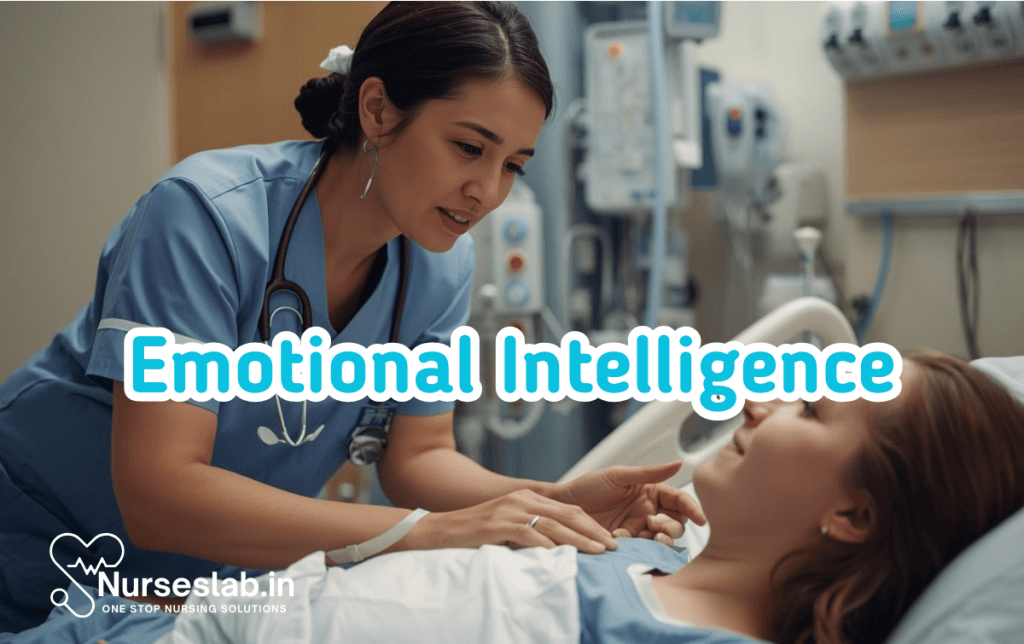
Nursing is a profession deeply rooted in the science of care and the art of compassion. While clinical knowledge, technical skills, and evidence-based practice are fundamental to effective nursing, the psychological aspects of care—particularly emotional intelligence—are increasingly recognised as pivotal to both patient outcomes and professional satisfaction. Emotional intelligence (EI), often termed EQ (Emotional Quotient), refers to the ability to perceive, understand, manage, and use emotions effectively in oneself and others. For nurses, who routinely encounter high-stress situations, diverse patient populations, and complex interpersonal dynamics, EI is not just an asset but a necessity.
Understanding Emotional Intelligence
Definitions and Historical Background
Emotional intelligence is a psychological construct that encompasses the capacity to identify, assess, and manage emotions—both one’s own and those of others. The concept was popularised in the 1990s by psychologists Peter Salovey and John D. Mayer, who defined EI as “the ability to monitor one’s own and others’ feelings and emotions, to discriminate among them, and to use this information to guide one’s thinking and actions.” Daniel Goleman, a prominent science journalist, further expanded the concept and brought it into the mainstream, identifying EI as a critical factor in professional and personal success.
Historically, nursing education focused primarily on the acquisition of medical knowledge and technical skills. However, as the profession evolved, the psychological and interpersonal aspects of care gained prominence. Emotional intelligence emerged as a key area of interest, given its impact on communication, empathy, decision-making, and teamwork—all essential qualities for effective nursing practice.
Key Theorists
Peter Salovey and John D. Mayer are credited with the foundational research on EI, developing the first scientific framework for its study. Daniel Goleman later built upon their work, proposing a five-component model of EI—self-awareness, self-regulation, motivation, empathy, and social skills. Reuven Bar-On also contributed significantly, introducing the Emotional Quotient Inventory (EQ-i), a widely used assessment tool.
Core Components of Emotional Intelligence
Understanding the core components of EI is essential for nurses aiming to enhance their psychological competencies. According to Goleman’s model, the five principal elements are:
- Self-Awareness: The ability to recognise and understand one’s own emotions, strengths, weaknesses, drives, and values, and their impact on others. For nurses, self-awareness is crucial in identifying emotional triggers, recognising stress responses, and maintaining professionalism in challenging situations.
- Self-Regulation: The capacity to manage or redirect disruptive emotions and impulses, and to adapt to changing circumstances. Nurses often face emotionally charged environments; self-regulation enables them to remain calm, think clearly, and respond appropriately under pressure.
- Motivation: A passion for work that goes beyond money or status, driven by a deep sense of purpose and commitment. Nurses with high motivation demonstrate resilience, perseverance, and a strong desire to make a difference in their patients’ lives.
- Empathy: The ability to understand and share the feelings of others. Empathy allows nurses to connect with patients on a human level, providing compassionate care that addresses not just physical but emotional and psychological needs.
- Social Skills: Proficiency in managing relationships, building networks, and navigating social complexities. Effective communication, conflict resolution, and teamwork are all underpinned by strong social skills.
Importance of Emotional Intelligence in Nursing
The significance of EI in nursing extends far beyond personal development. It directly influences patient care, workplace dynamics, and overall healthcare outcomes.
Effects on Patient Care
Patients often experience vulnerability, fear, and anxiety during illness or hospitalisation. Nurses with high EI are better equipped to recognise these emotions, offer reassurance, and provide holistic care. Empathy and effective communication foster trust, enhance patient satisfaction, and can even promote faster recovery.
Teamwork and Collaboration
Nursing is inherently collaborative, requiring seamless coordination among healthcare professionals. EI enhances teamwork by promoting mutual respect, active listening, and constructive conflict management. Nurses who are emotionally intelligent can navigate interpersonal challenges and contribute positively to team morale.
Communication
Clear, compassionate communication is at the heart of nursing practice. EI enables nurses to tailor their communication style to individual patients, families, and colleagues, ensuring that information is conveyed accurately and sensitively. This reduces misunderstandings, improves compliance with treatment plans, and strengthens therapeutic relationships.
Stress Management
The nursing profession is demanding, with high rates of stress and burnout. EI provides nurses with tools to recognise stress in themselves and others, employ coping strategies, and seek support when needed. This not only preserves their own well-being but also sustains the quality of patient care.
Developing Emotional Intelligence
Emotional intelligence is not an innate trait; it can be cultivated through intentional practice, training, and self-reflection. Nurses at all stages of their careers can benefit from proactive efforts to enhance their EI.
Strategies for Developing EI
- Self-Reflection: Regularly reflecting on one’s emotional responses and behaviours is fundamental to developing self-awareness. Keeping a reflective journal, seeking feedback from peers, and engaging in mindfulness practices can help nurses gain insight into their emotional patterns.
- Training and Education: Many nursing programmes now include modules on emotional intelligence, communication skills, and stress management. Participating in workshops, seminars, and online courses can provide valuable tools and frameworks for growth.
- Role Modelling and Mentorship: Observing and learning from colleagues who demonstrate high EI can inspire and guide personal development. Mentorship relationships offer opportunities for feedback, guidance, and support.
- Feedback Mechanisms: Constructive feedback from supervisors, peers, and even patients can highlight areas for improvement and reinforce positive behaviours.
- Mindfulness and Relaxation Techniques: Practices such as meditation, deep breathing, and yoga can help nurses regulate their emotions, reduce stress, and enhance present-moment awareness.
Role of Self-Care
Self-care is integral to emotional intelligence. Nurses who prioritise their physical, emotional, and mental health are better positioned to manage stress, maintain empathy, and deliver high-quality care. Simple practices such as adequate rest, nutritious diet, regular exercise, and maintaining work-life balance are foundational.
Challenges in Applying Emotional Intelligence
Despite its recognised benefits, the application of EI in nursing is not without challenges. Understanding and addressing these barriers is essential for effective integration.
Barriers to EI Development
- Workplace Culture: In some healthcare settings, high workloads, hierarchical structures, or a lack of support may discourage emotional openness or self-reflection.
- Time Constraints: The fast-paced nature of nursing often leaves little time for self-reflection, feedback, or training in EI.
- Personal Beliefs and Attitudes: Some individuals may view emotional expression as a sign of weakness, or may have difficulty acknowledging or discussing emotions.
- Resource Limitations: Limited access to training, mentorship, or support services can hinder EI development.
Cultural Considerations
Nurses work with patients and colleagues from diverse cultural backgrounds, each with their own beliefs, values, and modes of emotional expression. Cultural competence and sensitivity are vital for interpreting emotions accurately and responding appropriately. For instance, in some cultures, direct eye contact or emotional disclosure may be viewed differently, requiring nurses to adapt their approach.
Ethical Dilemmas
Nurses may encounter situations where emotional responses conflict with professional responsibilities or ethical guidelines. For example, feeling empathy towards a patient’s suffering must be balanced with the need to maintain objectivity and uphold patient autonomy. Developing EI includes learning to navigate such dilemmas thoughtfully.
Case Studies and Real-life Examples
To illustrate the practical application of emotional intelligence in nursing, the following case studies present common scenarios and the impact of EI on outcomes.
Case Study 1: Managing Patient Anxiety
A nurse in a paediatric ward notices that a young patient is visibly anxious before a surgical procedure. By recognising the child’s fear (self-awareness) and responding with calm reassurance (self-regulation), the nurse uses age-appropriate language and engages the child in a simple breathing exercise (social skills). The nurse’s empathetic approach helps reduce the patient’s anxiety, leading to a smoother preoperative experience and improved cooperation.
Case Study 2: Navigating Team Conflict
During a busy shift, two nurses disagree over the allocation of tasks. One nurse, displaying high EI, listens actively to her colleague’s concerns (empathy), manages her own frustration (self-regulation), and suggests a compromise (social skills). The conflict is resolved without escalation, maintaining a positive team environment and ensuring uninterrupted patient care.
Case Study 3: Coping with Personal Stress
A nurse working in an intensive care unit feels emotionally drained after several challenging cases. Recognising the signs of burnout (self-awareness), she seeks support from a mentor and practices mindfulness techniques (self-care). This proactive approach enables her to recover, maintain her motivation, and continue providing compassionate care.
Case Study 4: Breaking Bad News
A nurse is tasked with informing a patient’s family about a serious diagnosis. Drawing on her EI, she prepares for the conversation (self-regulation), communicates the information with sensitivity (empathy), and offers emotional support (social skills). The family expresses appreciation for her compassion and clarity, which helps them process the news and make informed decisions.
Benefits for Nurses and Patients
The cultivation of emotional intelligence yields substantial benefits for both nurses and the patients they serve.
Improved Patient Outcomes
Patients cared for by emotionally intelligent nurses often report greater satisfaction, trust, and comfort. Effective communication and empathy reduce the likelihood of errors, improve adherence to treatment, and enhance overall well-being.
Enhanced Job Satisfaction
Nurses with high EI experience greater professional fulfilment, resilience, and engagement. They are better equipped to manage workplace challenges, build supportive relationships, and find meaning in their work.
Reduced Burnout
Burnout is a significant concern in nursing, characterised by emotional exhaustion, depersonalisation, and reduced personal accomplishment. EI provides nurses with the tools to recognise early signs of burnout, seek support, and maintain a healthy work-life balance.
Conclusion
Emotional intelligence stands at the intersection of psychology and nursing, offering a powerful framework for personal and professional growth. Its core components—self-awareness, self-regulation, motivation, empathy, and social skills—equip nurses to navigate the complexities of modern healthcare with competence and compassion. While challenges exist, intentional strategies such as self-reflection, training, mentorship, and self-care can foster EI at every stage of a nurse’s career.
For nursing students and professionals alike, the journey towards greater emotional intelligence is ongoing. By embracing EI, nurses not only enhance their own well-being and job satisfaction but also deliver care that truly addresses the needs of the whole person. In the ever-evolving landscape of healthcare, emotional intelligence is not just a desirable trait—it is an essential pillar of excellence in nursing practice.
REFERENCES
- R. Sreevani, Applied Psychology for Nurses, 5th Edition, 2024, Jaypee Publishers, ISBN: 978-9356966963.
- Xavier Belsiyal, Applied Psychology for Nurses, 1st Edition, July 15, 2023, Elsevier Publishers, ISBN: 978-8131266366
- Mary F Porter, Applied Psychology for Nurses, 27 October 2022, Legare Street Press, IBSN: 978-1015804302.
- Douglas A. Bernstein, Introduction to Clinical Psychology, 10th Edition, 31 October 2024, Cambridge University Press, ISBN: 978- 1009379298.
- Sailaxmi Gandhi, Basic and Applied Psychology for Nurses, First Edition, January 2023, Wolters Kluwer Publications, ISBN: 978-9395736534.
- Jacob Anthikad, Psychology for Graduate Nurses, 5th Edition, 30 January 2014, Jaypee Publishers, ISBN: 978-9351521549.
- Kumar, Rajesh. (2017). Basic Psychology for Nurses. https://www.researchgate.net/publication/337811601_Basic_Psychology_for_Nurses
Stories are the threads that bind us; through them, we understand each other, grow, and heal.
JOHN NOORD
Connect with “Nurses Lab Editorial Team”
I hope you found this information helpful. Do you have any questions or comments? Kindly write in comments section. Subscribe the Blog with your email so you can stay updated on upcoming events and the latest articles.