


Last Updated on November 17, 2025 by Nurseslab.in Editorial Team
Understanding Procedures, Preparation, and Recovery
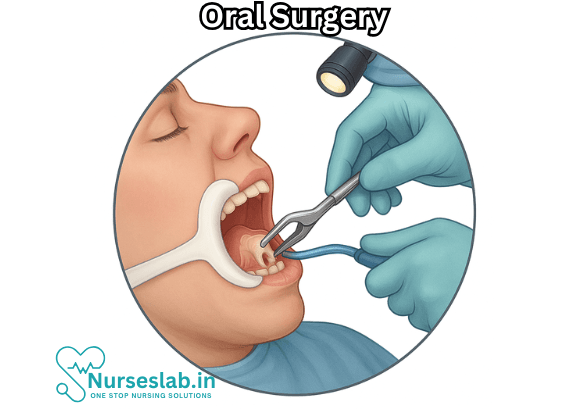
Oral surgery is a specialized area of dentistry focused on diagnosing and treating various conditions, diseases, and defects that affect the mouth, jaws, face, and related structures. Often performed by oral and maxillofacial surgeons, these procedures range from common tooth extractions and dental implants to complex reconstructive and corrective surgeries.
What Is Oral Surgery?
Oral surgery refers to any surgical procedure performed on the tissues of the mouth, teeth, jaws, or face. While the term may conjure images of complex operations, many oral surgical procedures are straightforward and performed routinely in dental offices. Oral surgeons, also known as oral and maxillofacial surgeons, are dental specialists who complete additional years of surgical training after dental school. Their expertise extends beyond the teeth to the entire facial structure, including bone, skin, and soft tissues.
Common Types of Oral Surgery
- Tooth Extractions: The most common oral surgery. This includes the removal of decayed, damaged, or impacted teeth, such as wisdom teeth that do not have enough room to emerge or develop normally.
- Dental Implant Placement: Replacing missing teeth with artificial roots and crowns. This involves surgically inserting a titanium post into the jawbone, which later supports a dental prosthesis.
- Corrective Jaw Surgery (Orthognathic Surgery): Repairs skeletal and dental irregularities, including the misalignment of jaws and teeth. This can improve chewing, speaking, and breathing functions.
- Bone Grafting: Used to repair or rebuild bone in the jaw, often in preparation for dental implants or following trauma or disease that has led to bone loss.
- Biopsies and Lesion Removal: Removal and analysis of abnormal tissue, cysts, or tumors in the mouth and jaws, which is critical for diagnosing oral cancer and other diseases.
- Treatment of Facial Trauma: Repair of fractures or injuries to the jaw, cheekbones, or orbital bones around the eyes, often resulting from accidents, sports injuries, or violence.
- TMJ (Temporomandibular Joint) Surgery: Addresses disorders of the jaw joint, which can cause pain, difficulty chewing, or locking of the jaw.
- Reconstructive Surgery: Restores form and function following trauma, disease, or congenital defects such as cleft palate and cleft lip.
- Pre-prosthetic Surgery: Prepares the mouth for dental prosthetics by reshaping bone or soft tissues to ensure a comfortable fit for dentures or bridges.
Reasons for Oral Surgery
Oral surgery may be necessary for a variety of reasons:
- Impacted Teeth: Teeth that fail to emerge properly (most commonly wisdom teeth) may cause pain, infection, or damage to other teeth.
- Severe Tooth Decay or Infection: When a tooth is beyond repair, extraction may be required to prevent the spread of infection.
- Replacement of Missing Teeth: Dental implants are often the preferred solution for restoring both function and aesthetics.
- Jaw Alignment Issues: Misaligned jaws can lead to difficulties in speaking, chewing, breathing, and can cause facial pain.
- Trauma or Injury: Accidents may result in fractured jaws or facial bones that require surgical repair.
- Oral Pathology: Suspicious lesions, cysts, or tumors in the mouth need to be removed and analyzed.
- Preparation for Dentures: Ensuring the mouth is properly shaped to securely hold dentures or bridges.
Preparing for Oral Surgery
Preparation for oral surgery varies depending on the complexity of the procedure and the patient’s overall health. General steps include:
- Consultation and Evaluation: Your oral surgeon will review your medical and dental history, conduct a physical examination, and order imaging tests like X-rays or CT scans if necessary.
- Informed Consent: The surgeon will explain the recommended procedure, risks, benefits, and possible alternatives, ensuring you have the information needed to make an informed decision.
- Pre-surgical Instructions: These may include fasting if sedation or general anesthesia is planned, stopping certain medications, and arranging for transportation home.
- Preoperative Health Optimization: Managing chronic conditions, such as diabetes or hypertension, improves healing and reduces the risk of complications.
What to Expect During the Procedure
Oral surgeries can be performed under local anesthesia, sedation, or general anesthesia, depending on the complexity and the patient’s comfort level. Most minor procedures, like simple tooth extractions, are performed under local anesthesia in the dental office. More complex surgeries, such as jaw realignment or facial trauma repairs, may take place in a hospital or surgical center under general anesthesia.
The duration and specific steps will depend on the nature of the surgery. The oral surgeon and their team will monitor you throughout and provide post-operative instructions.
Recovery and Aftercare
Recovery from oral surgery depends on the procedure performed, your overall health, and how closely you follow aftercare instructions. Key points include:
- Pain and Swelling: Expect some discomfort and swelling, which can be managed with prescribed or over-the-counter pain medications and cold compresses.
- Bleeding: Minor bleeding is common for the first few hours after surgery. Biting down on a gauze pad helps control it.
- Diet: Adhere to a soft diet for several days, avoiding hot, spicy, or crunchy foods until healing is underway.
- Oral Hygiene: Gentle brushing and rinsing with salt water or prescribed mouthwash keep the surgical area clean.
- Physical Activity: Rest is essential. Avoid strenuous activity for a few days to prevent complications.
- Follow-up: Attend all post-operative appointments so your surgeon can monitor healing and address any issues.
Potential Risks and Complications
As with any surgical procedure, oral surgery carries certain risks. While most procedures are safe and routine, potential complications include:
- Infection: Proper aftercare reduces the risk, but antibiotics may be prescribed if needed.
- Dry Socket: A painful condition that can occur after tooth extraction if the blood clot is dislodged.
- Nerve Injury: Rarely, surgery may damage nerves, resulting in temporary or, very rarely, permanent numbness or tingling.
- Bleeding: Prolonged bleeding may require additional interventions.
- Swelling and Bruising: These are common and usually resolve within a week or two.
- Sinus Complications: Upper jaw procedures may occasionally affect the sinus cavity.
Always contact your surgeon promptly if you experience severe pain, excessive bleeding, persistent fever, or signs of infection.
Tips for a Smooth Recovery
- Follow your surgeon’s instructions meticulously regarding medication, diet, and oral hygiene.
- Keep your head elevated to reduce swelling.
- Avoid smoking and alcohol, which can delay healing.
- Stay hydrated and maintain good nutrition to support recovery.
- Ice packs can help alleviate swelling and discomfort during the first 24 to 48 hours.
Advances in Oral Surgery
Innovations in technology and techniques have made oral surgery safer, less invasive, and more comfortable for patients. Some notable advancements include:
- Digital Imaging: 3D imaging and computer-guided surgery allow for greater precision and better outcomes.
- Minimally Invasive Techniques: Smaller incisions and improved instruments speed up recovery and reduce complications.
- Biocompatible Materials: Advanced materials for implants and bone grafts enhance healing and integration.
- Platelet-Rich Plasma (PRP): Using a patient’s own blood components to accelerate tissue regeneration and healing.
Nursing Care of Patients Undergoing Oral Surgery
The nursing care required for patients undergoing oral surgery is multifaceted, involving preoperative preparation, intraoperative support, and postoperative management. Comprehensive nursing intervention not only ensures the patient’s safety and comfort but also plays a pivotal role in promoting healing, preventing complications, and facilitating optimal recovery.
Preoperative Nursing Care
Assessment and Preparation
- Medical History Review: Thoroughly assess the patient’s history, focusing on allergies, medications, bleeding tendencies, cardiac conditions, diabetes, and previous anesthetic reactions.
- Physical Assessment: Evaluate vital signs, oral cavity, airway patency, and any signs of infection or inflammation. Assess dental status and identify loose teeth or prostheses that may need to be removed prior to surgery.
- Laboratory Investigations: Ensure completion and review of required investigations such as CBC, coagulation profile, blood sugar levels, and any imaging studies (X-rays, CT scans) relevant to the procedure.
- Informed Consent: Confirm that the patient or their legal guardian has provided informed consent after understanding the risks, benefits, and alternatives.
- Preoperative Instructions: Advise the patient regarding fasting requirements, cessation of certain medications (e.g., anticoagulants, NSAIDs), and oral hygiene protocols prior to surgery.
Psychological Support
- Patient Education: Explain the procedure, expected sensations, anesthesia type, and postoperative care to alleviate fears and promote cooperation.
- Anxiety Reduction: Employ therapeutic communication and reassurance. Allow the patient to express concerns and answer queries honestly and empathetically.
Physical Preparation
- Oral Hygiene: Instruct the patient to brush teeth and rinse mouth with an antiseptic solution to minimize bacterial load and reduce infection risk.
- Preoperative Medication: Administer prescribed antibiotics, sedatives, or prophylactic medications as ordered. Observe for any adverse reactions.
- Removal of Prostheses and Jewelry: Ensure removable dental appliances, contact lenses, and jewelry are taken out before surgery.
- Fasting: Confirm adherence to fasting protocol (usually 6–8 hours) if general anesthesia or sedation is to be used.
Intraoperative Nursing Care
Assisting the Surgical Team
- Preparation of the Environment: Set up the operating room or dental suite with sterile instruments, suction devices, monitoring equipment, and emergency supplies.
- Aseptic Technique: Maintain strict aseptic technique when handling instruments and assisting the surgeon to prevent infection.
- Monitoring: Continuously observe the patient’s vital signs, oxygen saturation, cardiac monitoring, and level of consciousness.
- Medication Administration: Safely administer local or general anesthesia, analgesics, and other intraoperative medications as directed.
- Patient Safety: Ensure correct patient positioning to provide optimal surgical access and comfort, while preventing pressure injuries. Secure the airway especially if under sedation or general anesthesia.
Patient Advocacy
- Emotional Support: Offer reassurance and encouragement, especially for patients under local anesthesia who may be conscious during the procedure.
- Monitoring for Complications: Be vigilant for signs of allergic reactions, bleeding, airway compromise, or changes in vital signs. Communicate promptly with the surgical team if complications arise.
Postoperative Nursing Care
Immediate Postoperative Care
- Airway Management: Ensure airway patency, particularly after procedures involving the oral cavity or pharynx. Position patient laterally or with head elevated to promote drainage and prevent aspiration.
- Vital Signs Monitoring: Check blood pressure, pulse, respiration, and temperature regularly. Watch for trends indicating shock, bleeding, or infection.
- Level of Consciousness: Assess responsiveness, especially if sedation or general anesthesia was used. Monitor for side effects such as nausea, vomiting, or dizziness.
- Hemorrhage Control: Inspect the oral cavity for excessive bleeding. Apply pressure to bleeding sites as needed. Notify the surgeon if bleeding persists or is profuse.
Pain and Comfort Management
- Pain Assessment: Use appropriate pain scales to assess discomfort. Document severity, location, and characteristics.
- Analgesic Administration: Administer prescribed pain relievers (oral, topical, or parenteral) as indicated, observing for side effects.
- Non-Pharmacological Methods: Offer cold compresses, distraction techniques, or relaxation exercises to enhance comfort.
Prevention of Complications
- Bleeding: Advise the patient to avoid vigorous rinsing, spitting, or using straws for at least 24 hours post-surgery to prevent dislodging blood clots.
- Infection: Encourage regular but gentle oral hygiene with soft brush and saline rinses. Educate about signs of infection (redness, swelling, pus, fever) and need for prompt reporting.
- Swelling and Bruising: Apply intermittent ice packs to the affected area during the first 24–48 hours to minimize tissue swelling.
- Dry Socket: For extractions, instruct to avoid smoking, vigorous rinsing, and hard foods to reduce risk of alveolar osteitis.
- Nutritional Support: Recommend a soft, cool diet initially. Encourage adequate hydration and gradual resumption of normal diet as tolerated.
- Oral Care: Instruct on gentle rinsing after 24 hours with prescribed mouthwash or saline. Maintain oral cleanliness without disrupting surgical site.
Patient Education and Discharge Planning
- Wound Care: Explain how to care for sutures or dressings, when and how to change gauze, and when to seek help for persistent bleeding.
- Medication Compliance: Reinforce the importance of taking all prescribed medications, including antibiotics and analgesics, as directed.
- Activity Restrictions: Advise rest for the first 24–48 hours and avoidance of strenuous activity until fully recovered.
- Follow-Up: Schedule post-op visits for suture removal, wound evaluation, and assessment of healing progress.
- Emergency Signs: Educate about alarming symptoms such as difficulty breathing, severe pain, uncontrolled bleeding, or fever, and the need to contact healthcare providers immediately if these arise.
Special Considerations in Oral Surgery Nursing Care
Pediatric Patients
- Provide age-appropriate explanations and involve parents or guardians in care.
- Monitor for dehydration and ensure adequate pain control.
Elderly Patients
- Assess for comorbidities (e.g., cardiovascular disease, diabetes) that may impact healing.
- Pay attention to medication interactions and risk of falls post-anesthesia.
- Support with nutrition, oral hygiene, and wound care education.
Medically Compromised Patients
- Coordinate with multidisciplinary teams for patients with bleeding disorders, immunosuppression, or cardiac conditions.
- Adjust care plans to account for delayed healing, infection risk, or adverse drug reactions.
Documentation and Communication
- Record all assessments, interventions, patient responses, and teaching provided.
- Communicate clearly with the dental/surgical team regarding any complications or concerns.
- Ensure proper handover during shift changes or transfer to other care units.
REFERENCES
- American Academy of Oral and Maxillofacial Surgeons. OMS Procedures. https://www.aaoms.org/education-research/dental-students/oms-procedures.
- What Are the Most Common Oral Surgeries? https://www.emedicinehealth.com/what_are_the_most_common_oral_surgeries/article_em.htm
- Bhatia K, Aruede G. Oral Surgery, Instruments. https://www.ncbi.nlm.nih.gov/books/NBK585063/. 2022 Sep 20. In: StatPearls [Internet]. Treasure Island (FL): StatPearls Publishing; 2024 Jan.
- Gadhia A, Pepper T. Oral Surgery, Extraction of Teeth. https://www.ncbi.nlm.nih.gov/books/NBK589654/. 2023 Jun 1. In: StatPearls [Internet]. Treasure Island (FL): StatPearls Publishing; 2024 Jan.
- Merck Manual, Consumer Version. Complications After Dental Treatment. https://www.merckmanuals.com/home/mouth-and-dental-disorders/urgent-dental-problems/complications-after-dental-treatment. Reviewed/revised 10/2022.
Stories are the threads that bind us; through them, we understand each other, grow, and heal.
JOHN NOORD
Connect with “Nurses Lab Editorial Team”
I hope you found this information helpful. Do you have any questions or comments? Kindly write in comments section. Subscribe the Blog with your email so you can stay updated on upcoming events and the latest articles.


