


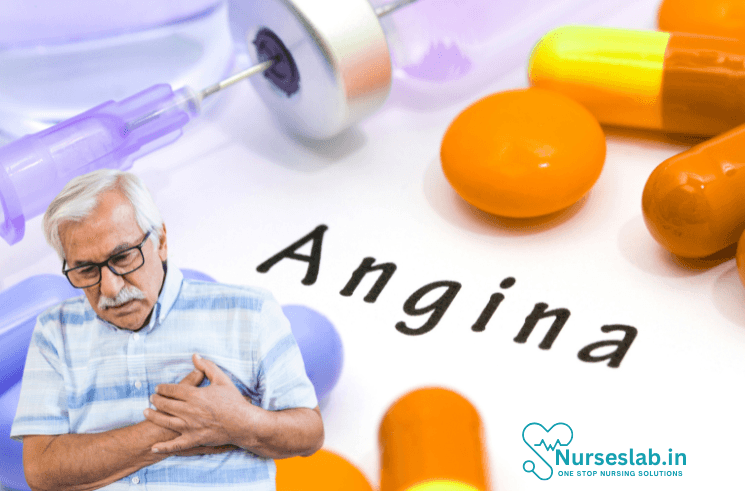
Angina refers to a person experiencing pain in the chest or discomfort due to their heart not receiving enough blood that’s rich in oxygen. As a result, their heart could beat at a quicker and harder pace in order to gain sufficient blood, thereby causing pain. First Aid for Angina attack is discussed here
Different Types of Angina
There are four different types of angina that exist, and they are as follows:
Stable Angina
Stable angina is the most common type of angina and usually takes place when someone participates in exerting physical activities.
For example, stable angina could occur during cold weather or when someone is walking uphill. It usually gets better with rest or by consuming the proper medication.
Unstable Angina
Unstable angina, as the name suggests, is more unpredictable and can occur when the person is resting. This kind of pain can be more severe and could keep getting worse.
It lasts longer in comparison to stable angina and can’t be treated with medicines or rest. This kind of angina is often a sign of a heart attack.
Microvascular Angina
Microvascular angina can occur during moments of physical exertion, in the middle of one’s daily routine, or during moments of a patient experiencing strong emotions.
Medicine doesn’t usually help in treating this type of angina, and it could be a sign of coronary microvascular disease.
Variant Angina
Variant angina, which is also known as Prinzmetal angina, is caused due to a spasm in the patient’s arteries, which reduces blood flow. This kind of angina usually occurs in cycles, mostly when the patient is resting or asleep, and can be treated using angina medication.
Angina vs. Heart Attack
Angina and heart attack both occur due to coronary artery disease. However, the difference is that while angina doesn’t permanently damage a person’s heart, a heart attack does exactly that.
A major difference between the two is that while angina can often be treated through proper rest and medication, heart attacks do not go away through medicines or rest.
Not all types of angina require emergency care unless the pain gets worse all of a sudden. Heart attacks, on the other hand, are life-threatening and require medical attention right away. It’s not something a patient can handle on their own.
Symptoms of Angina
Pain in the chest and discomfort are the main symptoms of angina. It’s the kind of pain that can feel like fullness, pressure, burning, or squeezing. A patient could experience pain in their back, shoulder, jaw, neck, or arms.
Different symptoms are often associated with different types of angina. Some of the other symptoms could include:
- Sweating
- Nausea
- Fatigue
- Shortness of breath
- Dizziness
First Aid for Angina Attack
1. Help the Person Stop and Rest
- Cease All Activity: Immediately ask the patient to stop their current activity. Angina typically occurs when the heart is under increased strain, so halting exertion is crucial.
- Assist Them into a Comfortable Position: Help the person to sit down, ideally in a position that eases the strain on the heart. A comfortable position is on a chair or on the floor with their knees slightly bent and their head and shoulders supported. Using cushions for added comfort can help reduce anxiety and muscle tension .
2. Encourage Calm and Reassurance
- Offer Reassurance: Anxiety and panic can worsen the symptoms of angina. Speak in a calm, reassuring tone, letting the person know you’re there to help, and encourage them to take slow, deep breaths.
- Keep Them Calm: Stress increases the heart rate, which can further reduce oxygen flow. Gentle, supportive conversation and a calm environment can help minimize additional heart strain.
3. Check for Angina Medication
- Ask About Prescribed Medication: Inquire if the person carries any angina medication, such as nitroglycerin (commonly in the form of a tablet or spray). If they have it:
- Assist With Administration: Help them take their medication as prescribed. Often, one dose is given during an attack.
- Monitor the Response: If the pain persists after about five minutes, they may be instructed (by their doctor) to take a second dose. However, if the pain continues beyond this or worsens, it could indicate a more serious problem.
4. Call for Emergency Medical Assistance
- When to Call Emergency Services:
- First-Time Attack: If this is the person’s first angina attack, it’s important to seek immediate medical attention.
- Persistent or Worsening Symptoms: If the pain does not subside after the prescribed medication or if the symptoms change (for example, the pain intensifies or spreads to other parts of the body), call emergency services immediately (911 or your local emergency number).
- Provide Clear Details: When speaking with emergency dispatch, mention that the person is experiencing chest pain from an angina attack and include any details regarding their usual treatment and previous history. This helps responders prepare appropriate care .
5. Optional Additional Measures
- Chewable Aspirin: If the person is not allergic and if it’s part of their usual routine—some first aid guidelines suggest having the person chew a low dose (around 250 mg) of aspirin to help reduce blood clotting—but only do this if you’re aware of their medical history and it’s in line with their usual treatment protocol.
- Monitor Vital Signs: Keep a close eye on the person’s responsiveness, breathing, and overall condition. Be prepared to start CPR if they become unresponsive and do not breathe normally.
Important Considerations
- Do Not Delay Medical Help: Angina can sometimes be a warning sign of an impending heart attack. If there is any doubt about the severity or if symptoms do not improve as expected, err on the side of caution and ensure that professional medical care is obtained without delay.
- Avoid Excessive Movement: Keeping the patient calm and still minimizes further strain on the heart.
Risk Factors
There are certain factors that increase the chances of a person suffering from angina, and some of those factors are:
- If a person is aged 60 or above
- If there is a history of heart disease in the patient’s family
- If a person smokes or uses tobacco
- When a person has diabetes or high blood pressure
- If someone has high cholesterol levels
- When a patient also suffers from other health issues such as chronic kidney disease or if they have suffered from a stroke in the past
- When a person is obese or doesn’t indulge in enough exercise
- If someone consumes medicines that tighten their blood vessels
- Usage of street drugs
- If a person is anemic
- Chronic stress
- Extreme consumption of alcohol
How to Prevent Angina
Angina can be prevented or eased through some simple methods that a patient can implement in their daily life:
- Exercising on a daily basis
- Avoiding smoking, tobacco, and even exposure to secondhand smoke
- Consuming a diet that is healthy for your heart, which includes food that is low in sodium, trans fat, and sugar
- Maintaining a healthy and steady body weight, as suggested by a medical expert
- Indulging in activities that reduce stress, such as yoga, journaling, meditation, and counseling
- Managing the risk factors related to coronary artery disease, including diabetes, high cholesterol, and high blood pressure
- Ensuring to take the medications prescribed by a cardiologist that eliminate or reduce the anginal symptoms one might have
REFERENCES
- Lifesavingtraining,First Aid for Angina Attacks,Reviewed July 2024. https://www.lifesavingtraining.co.uk/angina-first-aid/
- Australiawidefirstaid, First Aid for Angina, Updated 2 years ago, https://www.australiawidefirstaid.com.au/resources/first-aid-for-angina.
- Mikha Canon, Angina: First Aid Management, https://firstaidandcprcourses.ca/angina-first-aid-management/
Stories are the threads that bind us; through them, we understand each other, grow, and heal.
JOHN NOORD
Connect with “Nurses Lab Editorial Team”
I hope you found this information helpful. Do you have any questions or comments? Kindly write in comments section. Subscribe the Blog with your email so you can stay updated on upcoming events and the latest articles.


