


Muscle cramps are sudden, involuntary contractions of a muscle or group of muscles that can cause significant discomfort. They often occur during or after exercise but can also happen at rest. First Aid for muscle cramps is explained here.
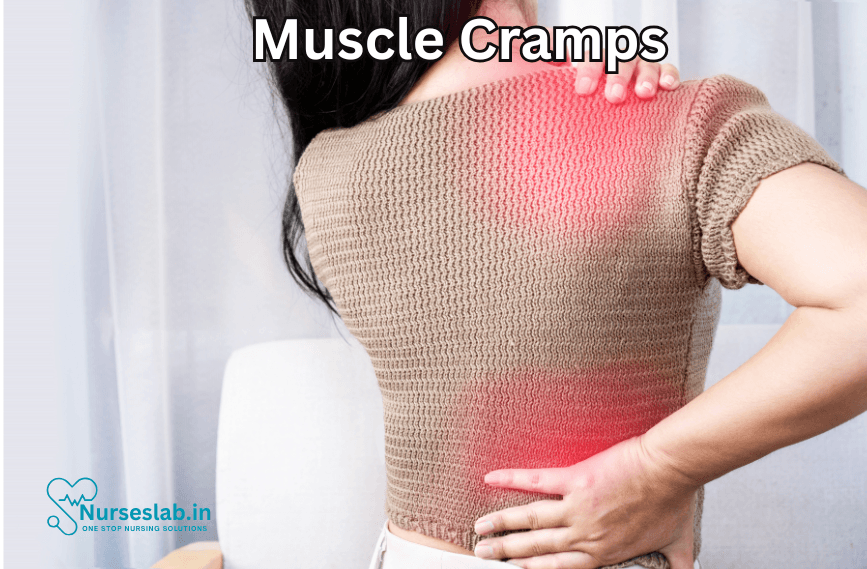
A muscle cramp can be defined as a sudden, painful, and uncontrollable tightening of one or more muscles. Muscle cramps are quite common, with foot cramps and calf cramps being some of the most common types under this category. Other types of muscle cramps include:
- Arm cramps
- Back cramps
- Chest cramps
- Abdomen cramps
- Neck cramps
- Ribcage cramps
There was a period in between when I would experience muscle cramps quite frequently, which is why I decided to increase my knowledge about them so I could help myself as well as others around me.
Have you ever woken up all of a sudden with your leg cramping? In case you have, then we are here to tell you all about muscle cramps. In this article, we will be delving into the causes and symptoms of muscle cramps, the first aid for muscle cramps, and how to prevent them.
Causes of Muscle Cramps
Muscle cramps can happen to anyone at any time. Certain people are more prone to muscle cramps than others, which is something experts can’t explain. Some of the common causes associated with muscle cramps are:
- Stress.
- Dehydration.
- Muscle fatigue.
- Not stretching enough.
- Engaging in high-intensity exercise.
- Exercising in high heat.
- Electrolyte imbalance.
- Staying in one position for too long.
- Alcohol abuse.
- Certain medications.
Leg cramps at night, which are also known as nocturnal leg cramps, can occur due to:
- Not sitting properly.
- Overusing the muscles.
- Sitting for a long stretch of time.
- Working or standing on concrete floors.
Symptoms of Muscle Cramps
The symptoms of muscle cramps are:
- A sudden sensation of painful and uncontrollable spasms in the muscle.
- Muscle twitching.
- If a neurological condition causes a muscle cramp, the symptoms could include:
- Muscle pain
- Paralysis
- Coordination issues
- Vision problems
- Muscle weakness
- Numbness
- Difficulty sleeping
Risk Factors
There are certain factors that increase the risk of someone experiencing a muscle cramp. These risk factors could be:
- Old age.
- Pregnancy.
- Being overweight.
- Extreme sweating.
- Not being in proper shape for a particular activity.
- Muscle fatigue.
- Muscle injury.
- Poor muscle tone.
- Inadequate diet.
- Reduced blood supply.
- Inflexible and tight muscles.
- Wearing high heels for long periods of time.
First aid for muscle cramps:
1. Stop and Rest
- Immediately Pause Your Activity: As soon as you feel a cramp, stop the activity that triggered it. Continuing to push through the pain can worsen the spasm and increase discomfort.
- Find a Comfortable Position: Sit down or lie in a position that avoids further straining the affected muscle.
2. Stretch the Affected Muscle
- Gentle Stretching: Carefully stretch the cramped muscle to help it relax. For example, if you have a calf cramp:
- Sit on the floor with your leg extended.
- Flex your foot (toes pointing upward) to stretch the calf.
- Hold the stretch for 15 to 30 seconds.
- Alternate Methods: For a cramp in another area, gently massage the muscle while slowly stretching it. The key is to ease the spasm out without forcing a rapid or painful stretch.
3. Massage and Apply Heat or Cold
- Massage: Use your hands to gently massage the cramped muscle. Gentle pressure can increase blood flow and promote relaxation.
- Heat Therapy: Applying a warm towel or heating pad may help relax tight muscles and ease pain. A warm bath can also work well.
- Cold Therapy: Alternatively, after the initial pain subsides, an ice pack (wrapped in a cloth) applied to the area can reduce any lingering discomfort or swelling.
4. Hydration and Electrolyte Balance
- Drink Fluids: Ensure you’re hydrated. Dehydration is a common cause of muscle cramps. Drinking water or a sports drink that contains electrolytes (like potassium, magnesium, and sodium) can help restore balance.
- Consider Electrolyte-Rich Snacks: Foods like bananas (rich in potassium) and nuts (rich in magnesium) might be beneficial in preventing future cramps if your diet is deficient in these nutrients.
5. Pain Relief
- Over-the-Counter Medications: If the cramp is very painful, an over-the-counter pain reliever such as ibuprofen or acetaminophen can help manage the discomfort. Use these only as directed on the label.
6. Prevention and Further Care
- Warm-Up and Stretch Before Exercise: Regular stretching and a proper warm-up routine can reduce the likelihood of muscle cramps during physical activity.
- Modify or Rest: If you experience frequent or severe cramps, consider reviewing your exercise routine, intensity, or diet. Persistent cramps might signal an underlying health issue that requires medical attention.
- When to Seek Medical Help: If muscle cramps are extremely frequent, persist for a long period, or occur alongside other symptoms such as weakness, swelling, or redness, contact a healthcare provider. This could indicate an underlying medical condition requiring further evaluation.
Prevention Muscle Cramps
Muscle cramps are quite unpredictable and can happen at any time, which is why it’s pretty difficult to prevent them. One of the things to do is to limit or avoid the exercises that strain one’s muscles and lead to cramps.
Certain ways to prevent muscle cramps are:
- Engage in flexibility exercises every day.
- Drink plenty of water.
- Wear shoes that fit you properly.
- Don’t exercise right after having a meal.
- Stretch your muscles every day, especially if you’re prone to muscle cramps.
- Maintain a healthy weight.
- Always stretch before exercising, going to sleep, and participating in sports.
- Limit your intake of caffeine-filled food items.
- In order to prevent leg cramps, hang your feet over the end of your bed if you sleep on your chest. For those who sleep on their back, make use of pillows to keep the toes pointed upward.
Treatment for Muscle Cramps
Muscle cramps mostly go away in a couple of seconds or minutes. The steps to take in order to make them go away quicker are as follows:
- Stretch the area that has been affected and massage it until the cramp goes away.
- Stand up and walk around.
- Apply heat on the area or an ice pack.
- There are certain medicines you can take to relieve muscle cramps. Ask your doctor regarding them.
Natural Home Remedies
- Most cramps can be stopped if the involved muscle can be stretched. For many cramps of the feet and legs, this stretching can often be accomplished by standing up and walking around.
- For a calf muscle cramp, the person can stand about 2-2½ feet from a wall (possibly farther for a tall person) and lean into the wall to place the forearms against the wall with the knees and back straight and the heels in contact with the floor.
- Another technique involves flexing the ankle by pulling the toes up toward the head while still lying in bed with the leg as straight as possible. For a writer’s cramp (contractures in the hand), pressing the hand on a wall with the fingers facing down will stretch the cramping finger flexor muscles.
- Gently massaging the muscle will often help it to relax, as will applying warmth from a heating pad or hot soak.
- If the cramp is associated with fluid loss, as is often the case with vigorous physical activity, fluid and electrolyte (especially sodium and potassium) replacement are essential.
- Medicines are not generally needed to treat an ordinary cramp that is active since most cramps subside spontaneously before enough medicine would be absorbed to even have an effect.
Tips:
- Stay hydrated, especially if the weather is warm.
- Warm up and stretch before exercising, making sure to stretch your sides.
- Breathe deeply and evenly while exercising
- Eat Bananas before you exercise, the potassium will keep you from cramping up.
- Make sure there is enough potassium in your diet. Bananas and orange juice are among the good sources of potassium.
- Choose cooler times of day to exercise.
- Avoid exercising, especially swimming, for an hour or so after eating.
- For shin splints, ice the area. Take a painkiller like acetaminophen or ibuprofen. Take a couple of weeks off from high-impact exercise, then get back into exercising gradually.
- Focusing on your breathing helps to bring the cramp under control and it gives you something to think about besides the pain.
REFERENCES
- Remedies for Muscle Cramps, Poonam Sachdev, January 15, 2024. https://www.webmd.com/fitness-exercise/remedies-for-muscle-cramps
- John Furst, First Aid for Muscle Cramps: Quick Relief Techniques Published February 1, 2024, https://www.firstaidforfree.com/first-aid-for-muscle-cramps/
- First aid -Muscle cramps, https://www.ehsdb.com/first-aid—muscle-cramp.php
- Fauci, A.S., et al. Harrison’s Principles of Internal Medicine, 20th Ed. United States: McGraw-Hill Education, 2018.
- William C. Shiel, Muscle Cramps, Reviewed on 5/19/2021 https://www.emedicinehealth.com/muscle_cramps/article_em.htm
Stories are the threads that bind us; through them, we understand each other, grow, and heal.
JOHN NOORD
Connect with “Nurses Lab Editorial Team”
I hope you found this information helpful. Do you have any questions or comments? Kindly write in comments section. Subscribe the Blog with your email so you can stay updated on upcoming events and the latest articles.


