


Definition
Epilepsy, or seizure disorder, is a medical condition that produces seizures. A seizure usually involves convulsions and sometimes leads to loss of consciousness. First aid for Seizures is discussed here
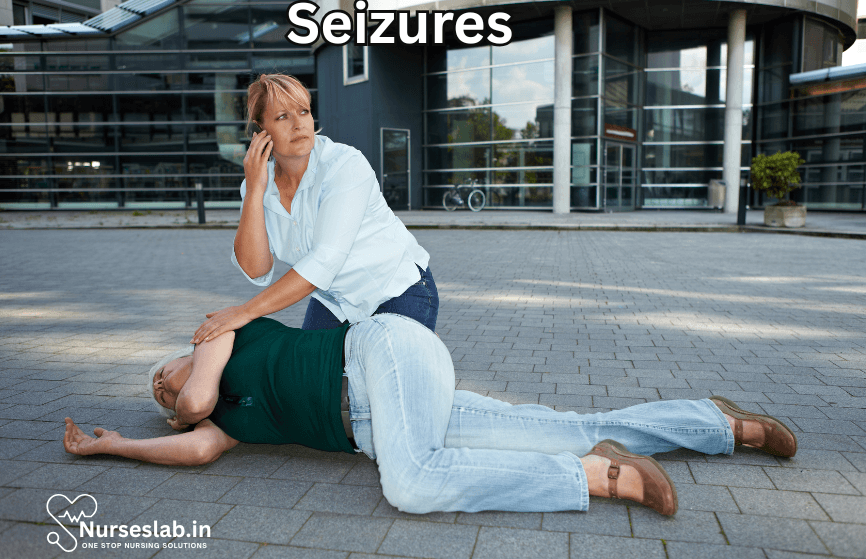
Causes for Seizures
- Seizures occur due to a malfunction of the brain’s electrical system. Some seizures are caused by brain diseases, tumors, genetic conditions, or other illnesses or disorders that can be diagnosed (symptomatic seizures).
- When the cause for the seizures is unknown, they are referred to as idiopathic or cryptogenic seizures.
- Seizure causes are also sub-classified into acute (an active cause, such as an active brain disease) or remote (caused by a previous event, such as injury).
- Some people with seizure disorders have triggers that cause their seizures. Common seizure triggers include
- foods or medications,
- hormones,
- stress,
- lack of sleep, or
- sensitivity to light.
Symptoms
Generalized seizure symptoms include
- unconsciousness,
- muscle contractions and convulsions (which may appear as very dramatic jerking movements),
- tongue or lip biting,
- incontinence, and
- clouded awareness.
- There may be weakness or loss of sensation.
- These symptoms may be brief or last a longer period of time.
Step-by-step guide on how to help someone during a seizure:
1. Stay Calm and Ensure Safety
- Remain calm and reassure others around you.
- Protect the person by removing nearby objects that could cause injury.
- Check for medical identification (bracelet or card) that may indicate epilepsy or another condition.
2. Position the Person Safely
- Ease them to the ground if they are standing.
- Turn them onto their side to help keep their airway clear.
- Place something soft under their head, like a folded jacket or pillow.
- Loosen tight clothing around the neck to aid breathing.
3. Do Not Interfere with the Seizure
- Do not restrain the person or try to stop their movements.
- Do not put anything in their mouth—they cannot swallow their tongue, but inserting objects can cause choking or injury.
- Do not give food or drink until they are fully alert.
4. Time the Seizure
- Monitor the duration—most seizures last between 1 to 3 minutes.
- Call emergency services if the seizure lasts longer than 5 minutes, if another seizure follows immediately, or if the person has difficulty breathing afterward.
5. After the Seizure
- Stay with the person as they regain awareness.
- Offer reassurance and explain what happened.
- Help them sit in a safe place and monitor their recovery.
- Call for medical help if they remain confused, injured, or unresponsive.
Prevention of Seizure
There may be some ways to prevent seizures in some people. Sometimes, there is no way to prevent seizures and a person may have a seizure even if they follow all of the doctor’s recommendations.
- Anticonvulsant medication helps manage seizures in many patients. Take all prescribed medication regularly. Do not stop taking medications or change the dose without consulting a doctor.
- Avoid alcohol as it may interact with anticonvulsant medication, making it less effective.
- Consult a doctor before taking any other medications, including over-the-counter drugs, or supplements as there may be drug interactions.
Avoid any known seizure triggers such as
Emergency Medications for Seizure
The most commonly used medications are from a group of medicines called benzodiazepines. They enter the bloodstream quickly and start working to stop the seizure. They include:
- Diazepam (Valium)
- Lorazepam (Ativan)
- Midazolam (Versed)
Nasal spray midazolam (Mizolam) and diazepam (Valium), as well as rectal diazepam gel (Diastat), are FDA-approved for people who have repetitive seizures.
REFERENCES
- Hauser WA, Annegers JF, Rocca WA. Descriptive epidemiology of epilepsy: contributions of population-based studies from Rochester, Minnesota. Mayo Clin Proc. 1996;71(6):576–586. doi:10.4065/71.6.576
- Schachter, Steven C., M.D. “Overview of the management of epilepsy in adults.” UpToDate. Updated Mar. 9, 2016.
- Epilepsy Foundation: “Focal Onset Aware Seizures (simple partial seizures),””First Aid, https://www.epilepsy.com/recognition/first-aid-resources#What-should-I-do-when-someone-has-a-seizure?
Stories are the threads that bind us; through them, we understand each other, grow, and heal.
JOHN NOORD
Connect with “Nurses Lab Editorial Team”
I hope you found this information helpful. Do you have any questions or comments? Kindly write in comments section. Subscribe the Blog with your email so you can stay updated on upcoming events and the latest articles.


