


Last Updated on January 12, 2026 by Nurseslab.in Editorial Team
Bird Flu (Avian Influenza), can be deadly in humans, though it primarily affects birds. The H5N1 strain of bird flu has been responsible for human infections, with a case fatality rate of approximately 52%. Since 2003, there have been 954 confirmed human cases, with about half resulting in death. However, experts caution that this number may be an overestimate, as mild cases often go undetected1.
The World Health Organization (WHO) has recorded 972 confirmed cases of H5N1 between 2003 and February 2025, leading to 468 deaths. The virus is primarily transmitted from birds to humans, and human-to-human transmission remains rare.
Recently, the United States reported its first human death due to bird flu in January 2025, when a person in Louisiana contracted the virus after exposure to backyard flocks and wild birds. While the overall risk to the public remains low, health officials continue to monitor the situation.
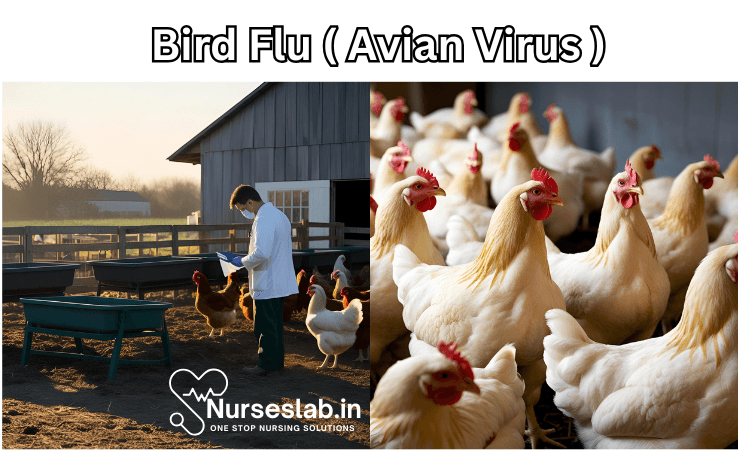
Below is an in-depth overview tailored for nurses that covers essential facts about bird flu. Each section focuses on topics you can integrate into daily practice, patient education, and institutional preparedness.
Epidemiology & Virology
- Avian Influenza Overview: Bird flu, or avian influenza, usually refers to infections by influenza A viruses originating in birds. Subtypes of high concern include H5N1, H7N9, and occasionally others like H5N6. While birds are the primary hosts, some strains can cross the species barrier to humans.
- Transmission:
- Primary Route: Direct contact with infected birds (e.g., handling poultry or exposure to droppings and secretions).
- Secondary Considerations: Contaminated environments may also serve as a vector.
- Human-to-Human: Rarely occurs, but potential nosocomial (hospital-acquired) transmission can be a concern.
- Implication for Nurses: Recognize risk factors in both community and healthcare settings, especially if working in rural or outbreak-prone areas.
Risk Factors
Individuals who work with birds and animals are at higher risk for infection such as:
- Poultry, dairy, and other livestock farmers
- Backyard bird flock owners
- Veterinarians and veterinary staff
- Animal and public health responders
- Dairy laboratory workers
- Food processing workers who handle raw milk Slaughterhouse workers who handle lactating dairy cattle
- Zoo or wild animal facility workers (sanctuary, aquariums, rehabilitation centers)
- Hunters
While exposure to infected, sick, or dead animals is the main risk factor for getting bird flu, eating undercooked or uncooked poultry, eggs, or unpasteurized milk from infected dairy cows may also increase your risk of infection.
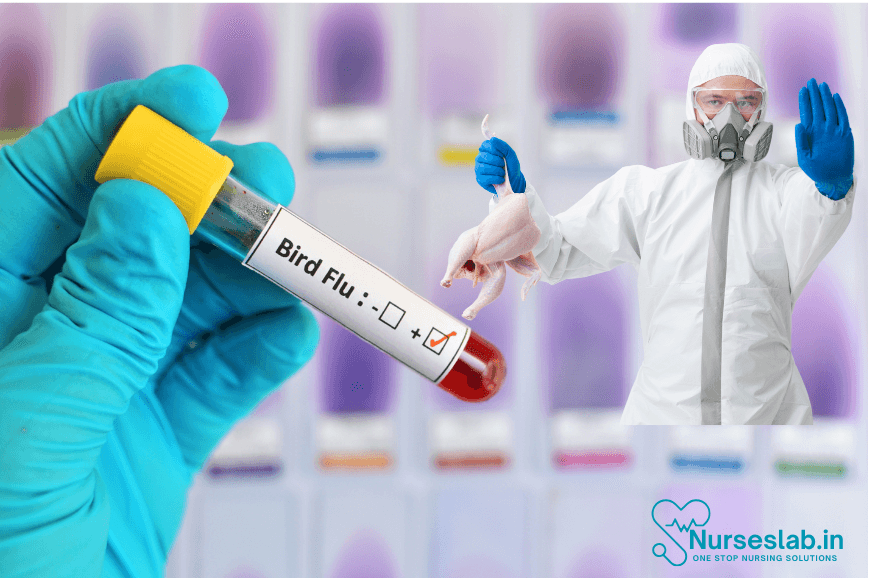
Clinical Presentation
The signs and symptoms of bird flu infection in humans can range from no symptoms to mild, moderate, and severe, with serious complications that could result in death.
- Respiratory: Sudden onset of fever, cough, shortness of breath.
- Severe Cases: Rapid progression to viral pneumonia, acute respiratory distress syndrome (ARDS), and even multi-organ failure.
- Other Signs: Some patients may exhibit gastrointestinal symptoms (e.g., diarrhea) or myalgias.
Mild symptoms include:
- Conjunctivitis or eye redness (predominant sign of recent bird flu cases)
- Mild fever (temperature 100 degrees Fahrenheit [F] or greater)
- Cough
- Sore throat
- Runny nose or congestion
- Muscle or body aches
- Headache
- Fatigue
- Diarrhea, nausea, vomiting (less common)
Moderate to Severe Symptoms include:
- High fever
- Shortness of breath
- Change in level of consciousness
- Seizures
Diagnosis
- Why It Matters: Early recognition is crucial. With symptoms that may mimic seasonal influenza, having a detailed patient history (especially regarding exposure to birds) is key to timely diagnosis.
- Diagnostic Methods:
- Laboratory Testing:
- RT-PCR: The gold standard to detect viral RNA from respiratory specimens.
- Rapid Antigen Tests: Used as preliminary screening tools, though less sensitive.
- Serology: Useful for retrospective diagnosis where acute samples are unavailable.
- Laboratory Testing:
- Nursing Role: Monitor patients closely, note early signs, promptly alert physicians to unusual symptom clusters, especially in patients with relevant exposure histories.
Treatment & Management
- Antiviral Therapy:
- Medications:
- Oseltamivir: Early commencement can mitigate disease severity.
- Zanamivir: Another neuraminidase inhibitor that may be used in certain cases.
- Supportive Care:
- Management of complications like respiratory failure through oxygen therapy, mechanical ventilation when necessary, and supportive fluids.
- Medications:
- Clinical Considerations: Administration of antivirals works best within the first 48 hours of symptom onset. Nurses must be alert to the timeline of symptom progression and treatment windows.
- Multidisciplinary Coordination: Teams should quickly develop and implement care plans integrating physicians, respiratory therapists, and infection control experts.
Infection Control Protocols
- Personal Protective Equipment (PPE):
- Mandatory Measures: Gloves, masks (N95 or higher-level respirators), gowns, and eye protection when interacting with suspected or confirmed patients.
- Hand Hygiene: Rigorous handwashing and the use of alcohol-based sanitizers must be enforced to prevent both community and in-hospital (nosocomial) spread.
- Isolation Procedures:
- Patients suspected of having bird flu should be isolated in designated areas within the healthcare facility.
- Managing waste and environmental decontamination are also critical to preventing spread.
- Practice Drills & Training:
- Regular training sessions, simulation exercises, and refresher courses on emerging infectious diseases ensure nurses and all healthcare staff are prepared for outbreak scenarios.
Vaccination & Prophylaxis
- Vaccines:
- There is currently no widely available vaccine that covers all bird flu strains. Some strains have experimental or limited vaccines.
- Seasonal influenza vaccines do not provide cross-protection against avian influenza, which underscores the importance of specific protocols for high-risk exposures.
- Post-Exposure Prophylaxis:
- Healthcare workers who have been exposed may be candidates for prophylactic antivirals as per public health guidelines.
- Key Point for Nurses: Staying informed about updated vaccine recommendations, participating in occupational health programs, and advocating for appropriate protective measures are critical responsibilities.
Preparedness & Communication
- Outbreak Response:
- Hospitals typically have protocols in place. Familiarize yourself with your institution’s emergency plans and infection control policies.
- Engage in regular interdisciplinary meetings for updates on potential outbreaks and best practices in response.
- Patient & Community Education:
- Nurses are on the front line when it comes to informing patients about preventive measures.
- Educate patients about avoiding exposure, the importance of reporting symptoms early, and maintaining appropriate hygiene when around poultry or wildlife.
- Staying Informed:
- Regularly check updates from reputable sources like the World Health Organization (WHO), the Centers for Disease Control and Prevention (CDC), or your local health department.
Key facts:
| Aspect | Key Fact | Notes |
|---|---|---|
| Virus & Subtypes | H5N1, H7N9, etc. | Primary bird hosts; human infection is rare. |
| Transmission | Mainly bird-to-human; human-to-human is uncommon | Vigilance in direct contact settings is essential. |
| Symptoms | Fever, cough, respiratory distress, possible gastrointestinal issues | Early detection critical for effective treatment. |
| Diagnosis | RT-PCR, rapid antigen tests, serology | Confirmatory tests are required for accurate diagnosis. |
| Treatment | Early antiviral use (oseltamivir, zanamivir), supportive care | Time-sensitive interventions maximize outcomes. |
| Infection Control | PPE, hand hygiene, isolation protocols | Essential to prevent nosocomial spread. |
| Vaccination/Prophylaxis | Limited—specialized vaccines under development; prophylaxis available for high-risk exposures | Ongoing research; follow health authority |
Serious complications
- Pneumonia
- Respiratory failure
- Acute respiratory distress syndrome
- Acute kidney injury
- Multi-organ failure
- Sepsis, septic shock
- Meningoencephalitis (inflammation of the brain)
Prevention of Bird Blu
Preventing bird flu, also known as avian influenza, involves taking precautions to avoid exposure to infected birds and their secretions. Here are some key prevention methods2:
- Avoid direct contact with wild birds, poultry, and other animals suspected to be infected.
- Wear protective gear (gloves, masks, etc.) if handling birds or working in environments where bird flu is a concern.
- Wash hands thoroughly with soap and water after any contact with birds.
- Cook poultry and eggs properly to eliminate any potential virus.
- Do not consume raw milk or unpasteurized dairy products from animals that may be infected.
- Report sick or dead birds to local authorities to help monitor outbreaks
Nursing Care of Patient with Bird Flu
Nursing care for a patient with bird flu (avian influenza) focuses on symptom management, infection control, and supportive care. Here are key nursing considerations:
- Infection Control Measures: Use personal protective equipment (PPE) such as gloves, masks, and gowns to prevent transmission. Follow strict hand hygiene protocols.
- Respiratory Support: Monitor oxygen levels and provide supplemental oxygen if needed. Encourage deep breathing exercises to prevent complications.
- Fever Management: Administer antipyretics as prescribed and ensure adequate hydration to prevent dehydration.
- Fluid and Nutrition Support: Encourage fluid intake and provide a balanced diet to support recovery.
- Monitoring for Complications: Watch for signs of pneumonia, respiratory distress, or organ failure, and report any worsening symptoms.
- Patient Education: Teach the patient and caregivers about hygiene practices, medication adherence, and the importance of follow-up care.
REFERENCES:
- H5 bird flu: current situation. CDC. Updated January 8, 2025. https://www.cdc.gov/bird-flu/situation-summary/index.html
- Maggie L. Shaw, Bird Flu Risk Remains Low, Despite First Reported Death, Updated Jan 9 2025, https://www.ajmc.com/view/bird-flu-risk-remains-low-despite-first-reported-death
- Centers for Disease Control and Prevention. About Bird Flu. https://www.cdc.gov/bird-flu/about/
- Centers for Disease Control and Prevention Signs and Symptoms of Bird Flu in People. https://www.cdc.gov/bird-flu/signs-symptoms/index.html
- LDH reports first U.S. H5N1-related human death. News release. Louisiana Department of Health. January 6, 2025. https://ldh.la.gov/news/H5N1-death
- Centers for Disease Control and Prevention. Highly Pathogenic Avian Influenza (H5N1) Virus: Interim Recommendations for Prevention, Monitoring, and Public Health Investigations. https://www.cdc.gov/bird-flu/prevention/hpai-interim-recommendations.html
- U.S. Department of Agriculture, Animal and Plant Health Inspection Service (2024, August 30). Avian Influenza. https://www.aphis.usda.gov/livestock-poultry-disease/avian/avian-influenza
Stories are the threads that bind us; through them, we understand each other, grow, and heal.
JOHN NOORD
Connect with “Nurses Lab Editorial Team”
I hope you found this information helpful. Do you have any questions or comments? Kindly write in comments section. Subscribe the Blog with your email so you can stay updated on upcoming events and the latest articles.


