


Last Updated on January 16, 2026 by Nurseslab.in Editorial Team
Introduction
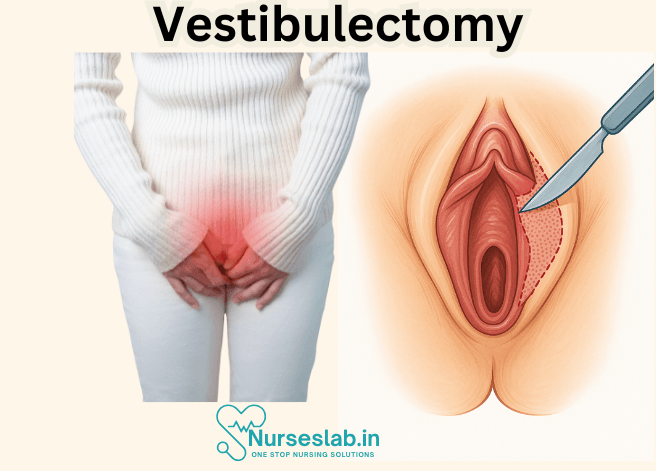
Vestibulectomy is a surgical procedure performed to alleviate chronic pain and discomfort in the vulvar vestibule — the tissue surrounding the opening of the vagina. Most frequently, it is considered in cases of vulvar vestibulodynia (formerly known as vulvar vestibulitis syndrome), a condition characterized by severe pain, burning, or irritation in the vestibular area, often unresponsive to conservative treatments. This document provides a detailed exploration of vestibulectomy, covering its indications, techniques, outcomes, risks, and postoperative care, as well as the lived experiences of those who undergo this intervention.
Understanding Vulvar Vestibulodynia
Vulvar vestibulodynia is a chronic pain syndrome affecting the vestibular region of the vulva. It predominantly affects individuals assigned female at birth, usually in their reproductive years, but can occur at any age. The pain is typically provoked by touch, sexual intercourse, tampon insertion, or even prolonged sitting. Symptoms may include burning, stinging, rawness, and irritation.
Common causes or contributing factors are not always clear, but may include:
- Hormonal changes or contraceptive use
- Chronic infections or inflammation
- Nerve hypersensitivity
- Genetic predisposition
- Musculoskeletal disorders
- Psychological factors such as stress or anxiety
Conservative treatments such as topical medications, pelvic floor physical therapy, oral medications, and lifestyle modifications are typically tried first. When these fail to provide relief, surgical options like vestibulectomy may be offered.
What is a Vestibulectomy?
A vestibulectomy is the surgical removal of part or all of the painful and hypersensitive tissue of the vulvar vestibule. The goal is to eliminate the source of pain and restore comfortable function for activities like intercourse, exercise, and daily living.
There are several types of vestibulectomy, including:
- Partial Vestibulectomy: Only the most painful portions of the vestibule are excised.
- Complete Vestibulectomy: The entire vestibular area is surgically removed, sometimes including adjacent mucosal tissue.
- Modified Vestibulectomy: This may involve selective removal based on pain mapping or specific anatomical considerations.
The choice of technique depends on the severity and precise localization of symptoms, as well as the patient’s overall health and preferences.
Indications for Vestibulectomy
Not every case of vulvar pain requires surgical intervention. Vestibulectomy is generally reserved for individuals who:
- Have provoked vestibulodynia or localized vulvar vestibulitis confirmed by physical examination and pain mapping
- Have failed to respond to conservative medical, physical therapy, and behavioral interventions
- Experience persistent pain that significantly impairs quality of life, sexual function, or psychological well-being
- Have no other identifiable cause of vulvar pain, such as infections, skin disorders, or neoplastic conditions
A thorough preoperative evaluation by a gynecologist or vulvar specialist is essential.
Surgical Procedure
Vestibulectomy is usually performed under local, regional, or general anesthesia, depending on the extent of the surgery and patient preference. The procedure typically involves the following steps:
- Marking: The surgeon identifies the affected vestibular tissue, often using cotton swab testing to map pain.
- Excision: The diseased or hypersensitive mucosa is surgically removed in a precise manner, sparing as much healthy tissue as possible.
- Closure: The area is reconstructed, usually by advancing nearby vaginal mucosa or perineal skin to cover the defect and promote healing.
- Hemostasis: Meticulous attention is paid to controlling bleeding during the procedure.
The operation typically lasts between 30 minutes to an hour. Most procedures are done on an outpatient basis, allowing the patient to return home the same day.
Recovery and Postoperative Care
Recovery after vestibulectomy involves a combination of wound care, pain management, and gradual return to activities.
- Pain Control: Mild to moderate pain is common in the first few days and can be managed with oral pain medications, ice packs, and topical treatments.
- Wound Care: The surgical site must be kept clean and dry. Sitz baths (soaking in warm water) may aid healing and comfort.
- Activity Restrictions: Patients are usually advised to avoid strenuous activity, sexual intercourse, tampon use, and tight clothing for at least 4-6 weeks.
- Follow-up: Regular postoperative visits allow the provider to monitor healing, remove sutures (if necessary), and address any complications.
Most individuals can resume normal activities within 6 to 8 weeks, though complete healing may take longer.
Outcomes and Effectiveness
Vestibulectomy is generally considered an effective treatment for vulvar vestibulodynia that has not responded to other therapies. Success rates reported in medical literature are high, with 60-90% of individuals experiencing significant or complete relief of pain.
Other potential benefits include:
- Improved sexual function and comfort
- Better quality of life
- Reduction in anxiety and depression related to chronic pain
However, as with any surgical intervention, results may vary. A multidisciplinary approach, including ongoing support from pelvic floor therapists, sex therapists, or psychologists, can optimize outcomes.
Risks and Complications
While vestibulectomy is generally safe, all surgeries involve risks. Potential complications include:
- Infection or delayed wound healing
- Bleeding or hematoma formation
- Scarring or changes in vulvar appearance
- Numbness or altered sensation in the vulvar area
- Persistent or recurrent pain (though rare)
- Dyspareunia (painful intercourse), particularly in the early healing period
Most complications are mild and resolve with standard care, but in rare cases, additional interventions may be required.
Alternatives to Vestibulectomy
Before considering surgery, most specialists recommend exhausting non-surgical options, which may include:
- Topical anesthetics, corticosteroids, or hormonal creams
- Oral medications for nerve pain (such as tricyclic antidepressants or anticonvulsants)
- Pelvic floor physical therapy
- Behavioral therapy and counseling
- Botulinum toxin (Botox) injections into pelvic muscles
For some, these treatments can provide sufficient relief and avoid the need for surgery.
Nursing Care of the Patient Undergoing Vestibulectomy
The surgery involves excising a portion of vulvar tissue, particularly the vestibule, to relieve chronic pain and restore function. Nursing care for patients undergoing vestibulectomy requires a holistic, compassionate, and evidence-based approach that addresses not only the physiological aspects of recovery but also the psychological, social, and sexual dimensions of the patient’s well-being.
Preoperative Nursing Care
Patient Assessment and Education
- Comprehensive Health Assessment: Gather a detailed medical, surgical, sexual, and psychosocial history. Assess for co-morbid conditions, allergies, current medications, and previous interventions tried for vulvar pain.
- Psychological Readiness: Evaluate the patient’s emotional state and readiness for surgery. Chronic pain can contribute to anxiety, depression, and fear regarding intimacy and body image. Encourage open discussion and offer referrals to mental health professionals or support groups if needed.
- Preoperative Education: Explain the surgical procedure, expected outcomes, potential risks, and postoperative care steps. Use clear language and provide written materials to reinforce understanding. Discuss pain management strategies, wound care, and realistic expectations for recovery, including timelines for healing and resumption of sexual activity.
- Informed Consent: Ensure that the patient has received all necessary information and has provided informed consent for the procedure, acknowledging understanding of both the benefits and possible complications.
Physical Preparation
- Preoperative Testing: Coordinate blood work, urinalysis, and any other preoperative assessments as ordered by the surgical team.
- Preoperative Hygiene: Instruct the patient on appropriate hygiene prior to surgery, including showering with an antiseptic agent if recommended.
- Fasting and Medications: Provide instructions about when to stop eating and drinking before surgery, and review which medications should be taken or withheld (e.g., anticoagulants).
Intraoperative Nursing Care
Patient Advocacy and Safety
- Verification: Perform time-out procedures, confirming patient identity, surgical site, and consent.
- Comfort and Dignity: Maintain the patient’s privacy and dignity throughout transport and positioning. Use draping appropriately to minimize exposure.
- Monitoring: Monitor vital signs and document baseline findings. Assist the surgical team, ensuring a sterile environment and supporting the patient’s needs as anesthesia is administered.
Postoperative Nursing Care
Immediate Postoperative Phase
- Recovery Room Monitoring: Continuously monitor vital signs, oxygen saturation, level of consciousness, and pain levels. Observe for immediate postoperative complications such as hemorrhage, urinary retention, allergic reactions, or infection.
- Pain Management: Administer prescribed analgesics, assess pain using validated pain scales, and evaluate effectiveness of interventions. Implement non-pharmacological pain relief methods such as cold packs or relaxation techniques as appropriate.
- Wound Care: Inspect the surgical site for bleeding, swelling, or signs of infection. Keep the area clean and dry. Teach the patient how to perform gentle perineal hygiene, typically using warm saline rinses after urination or bowel movements.
- Urinary and Bowel Function: Assess for urinary retention, dysuria, or constipation. Encourage adequate hydration and a diet high in fiber to prevent constipation, as straining can increase discomfort.
- Mobility and Rest: Encourage early, gentle mobilization to prevent complications such as thrombosis, while balancing with adequate rest to promote healing.
Emotional Support and Patient Advocacy
- Emotional Support: Provide a compassionate presence. Address concerns about pain, body image, intimacy, and recovery. Offer reassurance and validate feelings of vulnerability or uncertainty.
- Partner and Family Involvement: With patient consent, involve supportive partners or family members in education and care instructions. Facilitate open communication about expectations for physical and emotional recovery.
- Referral to Resources: Connect the patient with counseling services, support groups, or patient advocacy organizations to foster a sense of community and reduce isolation.
Patient Education for Discharge
- Wound Care Instructions: Demonstrate and provide written instructions for perineal hygiene, use of prescribed topical medications, and signs and symptoms of infection to watch for (e.g., increased redness, swelling, discharge, fever).
- Pain Management at Home: Review prescribed oral pain medications and safe use of non-pharmacological techniques. Advise on the importance of taking pain medication as scheduled, particularly in the first few days post-surgery.
- Activity Restrictions: Specify restrictions such as avoiding heavy lifting, vigorous activity, swimming, baths, or use of tampons until the surgical site has healed.
- Sexual Activity: Educate that sexual intercourse should be avoided until cleared by the surgeon, typically after a follow-up examination confirms adequate healing.
- Follow-up Care: Emphasize the importance of attending all scheduled follow-up appointments for wound assessment and to address any concerns or complications early.
- Signs of Complications: Instruct when to contact the healthcare provider (e.g., heavy bleeding, severe pain unrelieved by medication, difficulty urinating, or signs of infection).
Long-Term Support and Considerations
Physical Recovery
- Healing from vestibulectomy may take several weeks. The patient should be reassured that discomfort, swelling, and light spotting are normal in the early postoperative period.
- Some individuals may benefit from pelvic floor physiotherapy after healing, particularly if muscle tension or spasm persists.
Sexual Health and Counseling
- Discuss potential changes in sexual function, sensation, or body image. Offer resources for sexual counseling or therapy, as these concerns may persist after surgery and impact quality of life.
- Encourage open communication with partners and provide strategies to enhance intimacy and mutual support during the recovery process.
Psychosocial and Emotional Well-being
- Chronic vulvar pain can erode self-esteem, increase anxiety or depression, and strain interpersonal relationships. Ongoing emotional support is vital for holistic recovery.
- Referral to individual or group therapy may be beneficial, especially if the patient expresses ongoing distress, adjustment difficulties, or concerns about the future.
Special Considerations in Nursing Care
Trauma-Informed Care
- Recognize that some patients may have a history of sexual trauma or negative healthcare experiences. Approach all interactions with sensitivity, respect, and an emphasis on patient autonomy and control.
- Use clear, non-judgmental communication and obtain explicit consent before any examination or intervention.
Culturally Responsive Care
- Respect cultural values, beliefs, and practices related to sexuality, body image, and pain expression. Involve interpreters or cultural liaisons as needed to facilitate understanding and comfort.
REFERENCES
- Das D, Davidson ERW, Walters M, Farrell RM, Ferrando CA. Patient-Centered Outcomes After Modified Vestibulectomy. https://pubmed.ncbi.nlm.nih.gov/31809431/. Obstet Gynecol. 2020;135(1):113-121.
- David A, Bornstein J. Evaluation of Long-Term Surgical Success and Satisfaction of Patients After Vestibulectomy. https://pubmed.ncbi.nlm.nih.gov/32569021/. J Low Genit Tract Dis. 2020;24(4):399-404.
- Kliethermes CJ, Shah M, Hoffstetter S, Gavard JA, Steele A. Effect of Vestibulectomy for Intractable Vulvodynia. https://pubmed.ncbi.nlm.nih.gov/27568225/. J Minim Invasive Gynecol. 2016;23(7):1152-1157.
- Bornstein J, Goldstein A, Coady D. Consensus Terminology and Classification of Persistent Vulvar Pain. International Society for the Study of Vulvovaginal Disease; 2015;1–4.
- Wu C, Goldstein A, Klebanoff JS, Moawad GN. Surgical management of neuroproliferative-associated vestibulodynia: a tutorial on vestibulectomy with vaginal advancement flap. https://pubmed.ncbi.nlm.nih.gov/31408632/. Am J Obstet Gynecol. 2019;221(5):525.e1-525.e2.
Stories are the threads that bind us; through them, we understand each other, grow, and heal.
JOHN NOORD
Connect with “Nurses Lab Editorial Team”
I hope you found this information helpful. Do you have any questions or comments? Kindly write in comments section. Subscribe the Blog with your email so you can stay updated on upcoming events and the latest articles.


