


Last Updated on January 21, 2026 by Nurseslab.in Editorial Team
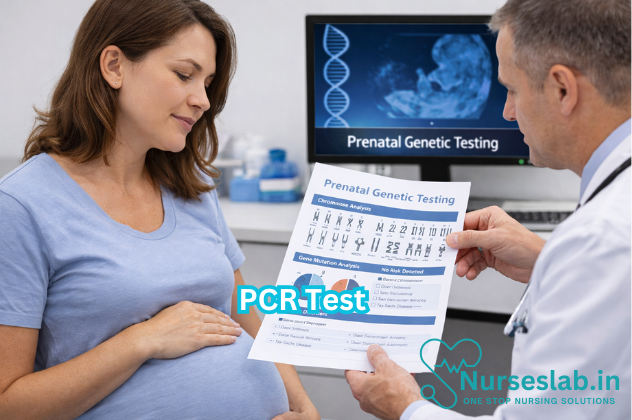
Prenatal genetic testing evaluates fetal DNA to detect chromosomal abnormalities and inherited conditions early in pregnancy. It supports informed decision‑making, risk assessment, and evidence‑based prenatal care for expectant parents.
Introduction
Prenatal genetic testing has revolutionised modern obstetrics, offering expecting parents valuable insights into the health and development of their unborn child. As scientific advancements continue to expand the scope and accuracy of genetic screening, more families are presented with complex choices regarding pregnancy management.
Understanding Prenatal Genetic Testing
Prenatal genetic testing refers to a variety of procedures conducted during pregnancy to assess the genetic health of a foetus. The primary aim is to detect chromosomal abnormalities, inherited genetic disorders, and sometimes, physical malformations. These tests can help identify conditions such as Down syndrome, thalassaemia, cystic fibrosis, and other single-gene disorders.
Prenatal genetic testing is broadly categorised into two types: screening tests and diagnostic tests. Screening tests estimate the risk of a foetus having certain conditions, while diagnostic tests provide definitive answers about the presence or absence of these conditions.
Types of Prenatal Genetic Tests
Screening Tests
- First Trimester Screening
- Conducted between weeks 11 and 14 of pregnancy, this test combines a maternal blood sample and a nuchal translucency ultrasound to assess the risk of chromosomal abnormalities such as trisomy 21 (Down syndrome) and trisomy 18 (Edwards syndrome).
- Second Trimester Screening
- Also known as the quadruple marker test, this blood test evaluates levels of four substances (AFP, hCG, estriol, and inhibin A) to estimate the risk of Down syndrome, trisomy 18, and neural tube defects.
- Non-Invasive Prenatal Testing (NIPT)
- NIPT analyses cell-free foetal DNA circulating in the mother’s blood, typically from as early as 10 weeks gestation. It offers high accuracy for detecting common chromosomal conditions without posing a risk to the foetus. NIPT is increasingly popular in India and globally for its safety and reliability.
Diagnostic Tests
- Chorionic Villus Sampling (CVS)
- Performed between weeks 10 and 13, CVS involves extracting a small sample of placental tissue for genetic analysis. It can diagnose chromosomal abnormalities and many single-gene disorders but carries a small risk of miscarriage.
- Amniocentesis
- Usually performed between weeks 15 and 20, this test involves withdrawing a small amount of amniotic fluid for genetic and biochemical analysis. Amniocentesis can detect chromosomal conditions, neural tube defects, and some inherited metabolic disorders. It also carries a minor risk of miscarriage.
- Cordocentesis (Percutaneous Umbilical Blood Sampling)
- Conducted after the 18th week of pregnancy, cordocentesis involves collecting a sample of foetal blood from the umbilical cord. It helps diagnose blood disorders, infections, and certain genetic conditions. The procedure has a higher risk profile and is reserved for cases where other tests are inconclusive.
Genetic Disorders Detectable by Prenatal Testing
Prenatal genetic testing can identify a wide range of conditions, including but not limited to:
- Down syndrome (Trisomy 21): The most common chromosomal disorder detected through screening and diagnostic tests.
- Edwards syndrome (Trisomy 18): Associated with severe developmental and physical disabilities.
- Patau syndrome (Trisomy 13): Causes serious neurological and physical defects.
- Thalassaemia: Particularly relevant in India due to its high prevalence, thalassaemia is an inherited blood disorder detectable by prenatal diagnosis.
- Cystic fibrosis: A genetic disorder affecting the lungs and digestive system.
- Sickle cell anaemia: Another inherited blood disorder with significant health implications.
- Neural tube defects: Such as spina bifida and anencephaly, identifiable through biochemical markers and ultrasound.
Techniques and Technologies in Prenatal Genetic Testing
The field of prenatal genetic testing has witnessed rapid technological innovation. Some of the key techniques include:
- Karyotyping: Examines the number and structure of chromosomes, detecting large-scale abnormalities.
- Fluorescence In Situ Hybridisation (FISH): Identifies specific chromosomal abnormalities quickly.
- Polymerase Chain Reaction (PCR): Amplifies DNA for analysis of single-gene disorders.
- Microarray Analysis: Detects small deletions or duplications in the genome that may not be visible on karyotyping.
- Next-Generation Sequencing (NGS): Allows comprehensive analysis of the foetal genome, identifying rare genetic variants and complex disorders.
Benefits of Prenatal Genetic Testing
Prenatal genetic testing offers several benefits to expecting parents, healthcare providers, and society at large:
- Early Diagnosis
- Early detection of genetic disorders enables parents and clinicians to make informed decisions regarding pregnancy management, prepare for specialised care, or consider options such as in-utero treatment where available.
- Reduced Anxiety
- For families with a history of genetic disorders, prenatal testing can provide reassurance or facilitate early intervention.
- Optimised Healthcare Planning
- Knowing about potential health issues in advance allows for better planning of medical resources and support systems post-delivery.
- Prevention of Genetic Disease Transmission
- In cases involving severe inherited disorders, prenatal testing helps families avoid passing on debilitating conditions to future generations.
Risks and Limitations of Prenatal Genetic Testing
While prenatal genetic testing is immensely valuable, it is not without risks and limitations:
- Physical Risks: Invasive diagnostic tests (CVS, amniocentesis, cordocentesis) carry a small but significant risk of miscarriage, infection, or injury to the foetus.
- False Positives and False Negatives: Screening tests may yield inaccurate results, causing unnecessary anxiety or missed diagnoses.
- Limited Scope: Not all genetic disorders can be detected; some conditions are beyond the current technological reach.
- Ethical Dilemmas: Results may lead to complex decisions regarding pregnancy continuation, especially in cultures with strong religious or social beliefs.
Ethical and Social Considerations
Prenatal genetic testing raises significant ethical, cultural, and social questions. In India, where family structure and social values are deeply rooted, these issues warrant special attention.
Informed Consent: It is crucial that parents receive comprehensive counselling to understand the implications of testing, possible outcomes, and subsequent choices. Medical professionals must ensure that consent is truly informed and voluntary.
Selective Termination: The possibility of terminating a pregnancy based on genetic test results is controversial, particularly in India where legal, religious, and moral factors play a major role. The Pre-Conception and Pre-Natal Diagnostic Techniques (PCPNDT) Act strictly regulates genetic testing to prevent sex-selective abortion and protect female foetuses.
Discrimination and Stigma: Families may face social stigma or discrimination if a genetic disorder is detected. This can affect marriage prospects and lead to ostracisation, especially in rural communities.
Equity of Access: Advanced genetic testing is often expensive and concentrated in urban centres, limiting accessibility for rural and economically disadvantaged populations. Bridging this gap is a public health priority.
Recent Advances in Prenatal Genetic Testing
The last decade has seen exponential growth in the capabilities of prenatal genetic testing:
- Expanded Carrier Screening: Couples can now be screened for hundreds of genetic conditions prior to conception, reducing the risk of passing on inherited disorders.
- Whole Genome Sequencing: Some centres offer whole genome sequencing of the foetus, providing a comprehensive view of genetic health. This technology, while promising, raises new ethical and interpretive challenges.
- Integration with Artificial Intelligence: AI is increasingly used to interpret genetic data, predict risks, and personalise counselling for families.
- Telemedicine and Mobile Testing: Remote counselling and sample collection are making testing more accessible in rural India, improving equity.
Challenges and Future Directions
Despite remarkable progress, several challenges remain:
- Cost and Accessibility: Making advanced tests affordable and available across all strata of society remains a major task.
- Training and Infrastructure: Building capacity among healthcare providers and investing in laboratory infrastructure is essential for high-quality testing.
- Public Awareness: Educating the public about the benefits and limitations of genetic testing can help reduce stigma and encourage informed choices.
- Legal and Ethical Clarity: Laws must evolve to address emerging technologies and safeguard against misuse.
Cultural Perspectives and Counselling
Genetic counselling is an integral part of the prenatal testing process. In India, counsellors must be sensitive to cultural values, religious beliefs, and family dynamics. Effective counselling empowers parents to make decisions aligned with their values, while also considering medical facts.
Language barriers, myths, and misconceptions about genetic diseases often complicate counselling. Training counsellors to communicate clearly and compassionately is crucial for the success of prenatal genetic testing programmes.
Nursing Care for Patients Undergoing Prenatal Genetic Testing Procedures
Nurses are not only responsible for the technical aspects of care but also for providing education, emotional support, and ethical guidance throughout the testing process.
Nursing Assessment
A thorough nursing assessment is the foundation of safe and effective care for patients undergoing prenatal genetic testing. Key aspects include:
- Pre-Procedure Assessment: Nurses should obtain a comprehensive patient history, including maternal age, obstetric history, family history of genetic disorders, and any previous prenatal testing results.
- Risk Factor Identification: Assessment of risk factors such as advanced maternal age, previous child with a genetic disorder, or known carrier status is crucial in determining the need for genetic testing and guiding patient education.
- Physical and Emotional Readiness: Evaluate the patient’s physical condition, current pregnancy status, and emotional preparedness for the procedure and potential outcomes.
Patient Education
Patient education is a core nursing responsibility throughout the prenatal genetic testing process. Nurses play a pivotal role in ensuring that patients understand:
- The Nature of the Procedure: Clearly explain the purpose, process, and steps involved in the recommended genetic test. Use simple language, visual aids, and allow time for questions.
- Risks and Benefits: Discuss the possible risks, such as miscarriage (for invasive tests), discomfort, and anxiety, as well as the benefits, including early diagnosis and informed decision-making.
- Possible Outcomes: Prepare patients for all potential results—positive, negative, or inconclusive—and explain what each might mean for the pregnancy and future care.
- Consent Process: Ensure that informed consent is obtained, confirming that the patient fully understands the test and its implications.
Effective patient education empowers individuals to make informed choices and reduces anxiety surrounding the testing process.
Emotional Support
Undergoing prenatal genetic testing can be an emotionally charged experience, often accompanied by anxiety, fear, or uncertainty. Nurses are uniquely positioned to provide compassionate support by:
- Active Listening: Create a safe and non-judgmental environment for patients to express concerns, fears, and expectations.
- Counselling: Offer brief counselling and, when appropriate, refer patients to genetic counsellors or mental health professionals for further support.
- Family Involvement: Include partners or family members in discussions, respecting the patient’s wishes regarding who is involved in decision-making.
- Normalising Emotions: Reassure patients that feelings of anxiety or ambivalence are normal and understandable.
Providing emotional support not only improves the patient’s experience but can also enhance overall outcomes by reducing stress and fostering resilience.
Ethical and Cultural Considerations
Prenatal genetic testing raises complex ethical and cultural questions. Nurses must navigate these issues with sensitivity and professionalism, focusing on:
- Patient Autonomy: Respect the patient’s right to make decisions about testing and subsequent care, free from coercion or undue influence.
- Confidentiality: Safeguard patient information and test results, sharing them only with authorised individuals.
- Cultural Sensitivity: Recognise and respect diverse cultural beliefs and practices regarding pregnancy, genetic testing, and decision-making. Use interpreters or cultural mediators when necessary to facilitate understanding.
- Non-judgemental Care: Provide unbiased support regardless of the patient’s choices or beliefs.
Ethical and cultural competence is essential for building trust and promoting equitable, patient-centred care.
Nursing Interventions During Procedure
During prenatal genetic testing procedures, nurses play a vital role in ensuring safety, comfort, and effective communication. Key interventions include:
- Preparation: Prepare the patient physically and emotionally for the procedure, confirming identification and consent, and explaining what to expect.
- Monitoring: Continuously monitor vital signs, observe for signs of distress, and assess for complications such as bleeding or pain.
- Assisting Physicians: Support the healthcare provider by preparing equipment, maintaining aseptic technique, and assisting as needed during the procedure.
- Patient Comfort: Offer reassurance, provide physical comfort measures (such as positioning), and address any discomfort promptly.
Effective nursing interventions during the procedure promote patient safety and contribute to successful outcomes.
Post-Procedure Care
After prenatal genetic testing, nurses are responsible for careful observation and support, including:
- Observation: Monitor the patient for immediate complications such as bleeding, infection, or cramping. Document findings and report any concerns promptly.
- Pain Management: Provide appropriate pain relief measures and advice on managing discomfort at home.
- Discharge Instructions: Educate the patient on signs and symptoms that require medical attention, such as persistent pain, heavy bleeding, or fever. Provide clear written instructions and contact information for follow-up.
- Emotional Debrief: Offer an opportunity for the patient to discuss their experience and ask questions before discharge.
Thorough post-procedure care ensures patient safety and supports recovery, both physically and emotionally.
Follow-Up Care
Follow-up care is an integral part of the nursing role in prenatal genetic testing. Nurses should:
- Schedule Further Appointments: Arrange follow-up visits for result discussions, further testing, or specialist referrals as indicated.
- Ongoing Support: Continue to provide emotional support and counselling, especially if results are positive or uncertain.
- Referral to Specialists: Facilitate access to genetic counsellors, obstetricians, paediatricians, or support groups as needed based on test results and patient needs.
- Documentation: Maintain accurate records of all interactions, results, and interventions for continuity of care.
Consistent and compassionate follow-up care helps patients navigate the complexities of prenatal genetic testing and make informed decisions about their pregnancy.
REFERENCES
- American College of Obstetricians and Gynecologists. Practice Bulletin No. 162: Prenatal diagnostic testing for genetic disorders. Obstetrics & Gynecology. 2016; doi:10.1097/AOG.0000000000001405.
- Centers for Disease Control. Diagnosis of Birth Defects https://www.cdc.gov/ncbddd/birthdefects/diagnosis.htm.
- Eunice Kennedy Shriver National Institute of Child Health and Human Development. What tests might I need during pregnancy? https://www.nichd.nih.gov/health/topics/preconceptioncare/conditioninfo/tests-needed
- Medical review (expert opinion). Mayo Clinic. Feb. 28, 2024.
- Gordon S, Umandap C, Maines J, Langaker MD. Prenatal Genetic Screening. 2025 Apr 18. In: StatPearls [Internet]. Treasure Island (FL): StatPearls Publishing; 2025 Jan–. PMID: 32491634.
- National Women’s Health Resource Center. Prenatal Genetic Testing https://www.healthywomen.org/your-health/medical-tests/prenatal-genetic-testing
- Practice Bulletin No. 162: Prenatal Diagnostic Testing for Genetic Disorders (https://pubmed.ncbi.nlm.nih.gov/26938573/). Obstet Gynecol. 2016 May;127(5):e108-e122.
Stories are the threads that bind us; through them, we understand each other, grow, and heal.
JOHN NOORD
Connect with “Nurses Lab Editorial Team”
I hope you found this information helpful. Do you have any questions or comments? Kindly write in comments section. Subscribe the Blog with your email so you can stay updated on upcoming events and the latest articles.


