


Last Updated on January 27, 2026 by Nurseslab.in Editorial Team
Introduction
Cannabis, also known as marijuana, is one of the most frequently used psychoactive substances worldwide. While many people use cannabis recreationally or for its perceived medicinal benefits, there is an increasingly recognized condition known as Cannabis Use Disorder (CUD). This disorder is characterized by a problematic pattern of cannabis use leading to clinically significant impairment or distress. As cannabis becomes more widely legalized and accepted, understanding CUD is crucial for individuals, families, healthcare providers, and policymakers alike.
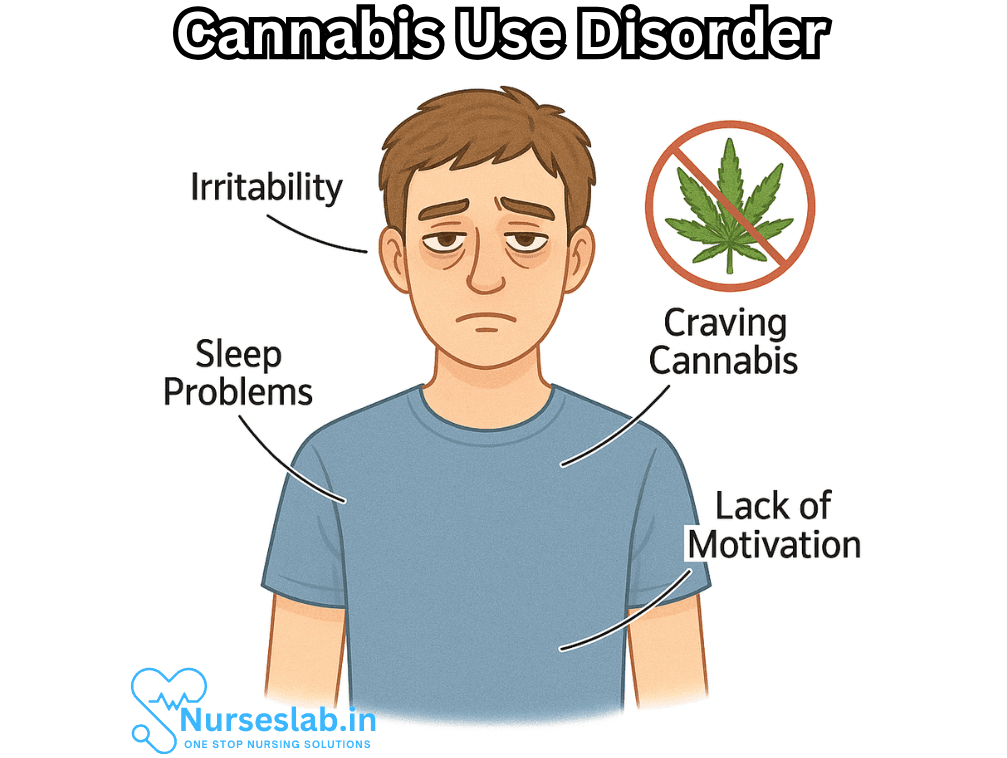
What is Cannabis Use Disorder?
Cannabis Use Disorder is a medical diagnosis classified in the Diagnostic and Statistical Manual of Mental Disorders, Fifth Edition (DSM-5). It encompasses a broad spectrum of problematic cannabis use, ranging from mild to severe, and is defined by the presence of at least two out of eleven specific symptoms occurring within a 12-month period. These symptoms reflect impaired control over use, social impairment, risky use, and pharmacological criteria (tolerance and withdrawal).
Diagnostic Criteria
To be diagnosed with CUD, an individual must meet certain clinical criteria. According to DSM-5, these include:
- Using cannabis in larger amounts or for longer than intended
- Wanting to cut down or stop using cannabis, but not managing to do so
- Spending a lot of time getting, using, or recovering from cannabis
- Craving, or a strong desire or urge to use cannabis
- Failing to fulfill major obligations at work, school, or home due to cannabis use
- Continuing to use cannabis despite having persistent or recurrent social or interpersonal problems caused or exacerbated by its effects
- Giving up or reducing important social, occupational, or recreational activities because of cannabis use
- Using cannabis in situations where it is physically hazardous
- Continuing to use cannabis despite knowing that it is causing or exacerbating physical or psychological problems
- Developing tolerance, needing more cannabis to achieve the desired effect or experiencing diminished effects with continued use of the same amount
- Experiencing withdrawal symptoms when cannabis use is stopped or reduced
Severity is specified as mild (2–3 symptoms), moderate (4–5 symptoms), or severe (6 or more symptoms).
Prevalence and Risk Factors
Cannabis Use Disorder affects people of all backgrounds. According to epidemiological studies, about 9% of people who use cannabis will develop CUD at some point in their lives, with risk increasing to about 17% among those who start in adolescence and up to 25–50% among daily users.
Risk Factors
Several factors increase the likelihood of developing CUD:
- Early initiation of cannabis use, especially before age 18
- Frequent or heavy cannabis use
- Genetic predisposition and family history of substance use disorders
- Co-occurring psychiatric disorders such as depression, anxiety, or ADHD
- Environmental factors including peer pressure, stress, trauma, or exposure to cannabis-using social circles
Signs and Symptoms
Cannabis Use Disorder may manifest in various ways, not always immediately obvious to the user or those around them.
Behavioral Signs
- Neglecting responsibilities at school, work, or home
- Withdrawing from activities once enjoyed
- Spending excessive time using or recovering from cannabis
- Repeated unsuccessful attempts to quit or cut down
Physical and Psychological Symptoms
- Increased tolerance to cannabis
- Withdrawal symptoms such as irritability, sleep difficulty, decreased appetite, anxiety, or mood changes when not using
- Difficulty concentrating or memory problems
- Impaired coordination and slowed reaction times
Short- and Long-Term Effects of Cannabis Use
While cannabis is often perceived as a relatively benign substance, regular or heavy use is associated with several adverse effects:
Short-Term Effects
- Euphoria or relaxation
- Altered perception of time and space
- Impaired short-term memory
- Difficulty with coordination and motor skills, increasing accident risk
- Anxiety or paranoia in some users
Long-Term Effects
- Impaired learning and memory, especially in adolescents
- Increased risk of mental health disorders, including psychosis in vulnerable individuals
- Respiratory issues (when smoked)
- Decreased motivation and academic or occupational achievement
- Potential for addiction and withdrawal syndrome
Cannabis Withdrawal
Contrary to some popular beliefs, cannabis withdrawal is real and can be distressing. Symptoms typically begin within one week of cessation and may include:
- Irritability
- Sleep disturbances
- Decreased appetite or weight loss
- Restlessness
- Mood changes such as depression or anxiety
- Physical discomfort or cravings
While withdrawal is usually less severe than with substances like alcohol or opioids, it can hinder attempts to quit.
Diagnosis and Assessment
A thorough clinical assessment is necessary to diagnose Cannabis Use Disorder. This typically involves:
- A detailed interview about the individual’s cannabis use patterns, physical and psychological symptoms, and impact on daily life
- Screening for co-occurring mental health disorders
- Laboratory tests, although not required for diagnosis, may be used to rule out other causes of symptoms
Healthcare professionals may use standardized assessment tools, such as the Cannabis Use Disorders Identification Test (CUDIT), to aid in diagnosis.
Treatment and Management
There is no single treatment for Cannabis Use Disorder; effective management usually involves a combination of approaches tailored to the individual.
Behavioral Therapies
- Cognitive-Behavioral Therapy (CBT): Helps individuals recognize and change problematic thought patterns and behaviors related to cannabis use.
- Motivational Enhancement Therapy (MET): Aims to build motivation to change and strengthen commitment to abstinence.
- Contingency Management: Uses incentives or rewards for achieving and maintaining abstinence.
- Family-Based Therapies: Particularly effective for adolescents, involving family members in the treatment process.
Pharmacological Treatments
Currently, there are no FDA-approved medications specifically for Cannabis Use Disorder. However, ongoing research is evaluating the effectiveness of several medications, including those targeting withdrawal symptoms and cravings.
Support Groups and Peer Support
Groups such as Marijuana Anonymous and other peer-led organizations provide support, shared experiences, and accountability, which can be valuable for those seeking recovery.
Prevention
Preventing Cannabis Use Disorder involves public education, early intervention, and policies that limit youth access to cannabis. Encouraging healthy coping strategies, fostering strong family and social support, and addressing mental health needs can all reduce the risk of developing CUD.
Impact on Society
CUD has implications that extend beyond the individual, affecting families, workplaces, schools, and communities. Productivity losses, increased healthcare costs, and strain on mental health services are among the broader impacts. As perceptions of cannabis shift and laws evolve, balancing potential benefits with the risks associated with misuse is of growing importance.
Nursing Care of Patients with Cannabis Use Disorder
Nurses play a pivotal role in the identification, comprehensive care, and long-term management of patients suffering from cannabis use disorder. This document aims to provide a thorough overview of nursing care for such patients, focusing on assessment, intervention, education, and support within a holistic, patient-centered framework.
Nursing Assessment
Comprehensive History Taking
Nurses should conduct a thorough assessment, including medical, psychiatric, substance use, and social history. Key components include:
- Pattern, frequency, and methods of cannabis use
- Age of onset and duration of use
- History of withdrawal or previous attempts to quit
- Co-occurring substance use or mental health disorders
- Impact on daily functioning and relationships
Physical and Mental Status Examination
A focused physical assessment may reveal signs of intoxication (red eyes, increased appetite, dry mouth, tachycardia) or withdrawal (irritability, insomnia). Mental status examination should assess mood, cognition, perception, and insight.
Screening Tools
Standardized screening tools, such as the Cannabis Use Disorders Identification Test – Revised (CUDIT-R) and the ASSIST (Alcohol, Smoking and Substance Involvement Screening Test), can help quantify severity and guide interventions.
Nursing Diagnoses
Potential nursing diagnoses for patients with cannabis use disorder include:
- Ineffective Coping related to substance use
- Risk for Injury related to altered sensorium
- Disturbed Thought Processes related to psychoactive effects of cannabis
- Impaired Social Interaction related to behavioral changes
- Knowledge Deficit regarding effects of cannabis and treatment options
Nursing Interventions
Establishing Therapeutic Relationship
Building trust is foundational. Nurses must approach patients with empathy, non-judgment, and cultural sensitivity. An open and supportive environment encourages honest disclosure and engagement in treatment.
Monitoring and Managing Withdrawal
While cannabis withdrawal is typically not life-threatening, it can cause significant discomfort. Nursing care includes:
- Monitoring for signs and symptoms: irritability, anxiety, sleep disturbance, appetite changes, headaches, and mood swings
- Providing reassurance and supportive care
- Administering medications as prescribed to manage symptoms (e.g., sleep aids, anti-anxiety medications)
- Encouraging hydration and healthy nutrition
Promoting Safety
Patients under the influence of cannabis may experience impaired judgment, coordination, and perception, increasing the risk of accidents or injury. Nursing actions:
- Ensure a safe environment to prevent falls or accidents
- Monitor for signs of acute psychosis or suicidal ideation, especially among those with co-occurring mental health disorders
- Educate patients about the dangers of driving or operating machinery while under the influence
Psychoeducation and Counseling
Education empowers patients to make informed decisions about their health. Nurses should provide:
- Information about the effects and risks of cannabis use, including long-term consequences
- Discussion of the legal, social, and occupational implications of continued use
- Strategies to manage cravings and avoid triggers
- Education for family members to promote a supportive home environment
Encouraging Motivation and Readiness to Change
Motivational interviewing techniques help patients explore their ambivalence and strengthen their desire to change. Nurses can:
- Explore the patient’s beliefs and goals
- Identify barriers to quitting and develop strategies for overcoming them
- Foster hope and reinforce the patient’s ability to succeed
Referral and Collaborative Care
Substance use disorders often require multidisciplinary care. Nurses coordinate with:
- Physicians and nurse practitioners for medication management
- Psychologists or counselors for behavioral therapies (e.g., cognitive-behavioral therapy, contingency management, group therapy)
- Social workers for assistance with housing, employment, or legal issues
- Peer support groups (such as Marijuana Anonymous)
Relapse Prevention
Maintaining abstinence can be challenging due to environmental triggers and stressors. Nurses support relapse prevention by:
- Helping patients identify early warning signs of relapse
- Encouraging development of healthy coping mechanisms (exercise, mindfulness, hobbies)
- Facilitating access to ongoing counseling and peer support
- Creating a follow-up plan for regular monitoring and encouragement
Family and Community Involvement
Recovery is enhanced when patients have a strong support system. Nurses should:
- Engage family members in treatment planning and education, with patient consent
- Advocate for community resources such as rehabilitation programs, support groups, and vocational training
- Promote anti-stigma initiatives within the community to support reintegration
Special Considerations
Adolescents and Young Adults
Young people are particularly vulnerable to the effects of cannabis, especially regarding cognitive development and mental health. Nursing care should emphasize early intervention, family-centered approaches, and age-appropriate psychoeducation.
Pregnant and Breastfeeding Individuals
Cannabis use during pregnancy is associated with adverse outcomes such as low birth weight and developmental disorders. Nurses provide education about these risks and offer support for cessation, collaborating closely with obstetric and pediatric teams.
Patients with Co-occurring Disorders
Many individuals with CUD also experience anxiety, depression, or psychosis. Integrated care models that address both substance use and mental health improve outcomes. Nurses should be vigilant for signs of psychiatric deterioration and coordinate appropriate interventions.
Cultural Sensitivity
Attitudes toward cannabis vary widely across cultures. Nurses must respect patients’ cultural backgrounds and beliefs, adapting education and interventions accordingly.
Documentation and Legal/Ethical Considerations
Accurate Charting
Meticulous documentation of assessment findings, nursing interventions, patient responses, and education provided is essential for continuity of care and legal protection.
Confidentiality
Nurses must protect the privacy of patients with CUD, disclosing information only with proper consent or when legally required.
Advocacy and Professional Conduct
Nurses are advocates for their patients, striving to reduce stigma and promote access to high-quality care. Ethical practice involves upholding patient autonomy, dignity, and informed consent throughout the care process.
REFERENCES
- Connor J, Stjepanovic D, Le Foll B, Hoch E, Budney A, Hall W. Cannabis use and cannabis use disorder. Nature Rev Disease Primers. 2021;7(16). doi:10.1038/s41572-021-00247-4
- Centers for Disease Control and Prevention (U.S.). Addiction (Marijuana or Cannabis Use Disorder). https://www.cdc.gov/marijuana/health-effects/addiction.html. Last reviewed 10/19/2020.
- American Psychiatric Association (APA). Diagnostic and Statistical Manual of Mental Disorders. 5th ed, text revision. Washington, D.C.; 2022.
- Jahan AR, Burgess DM. Substance Use Disorder.https://www.ncbi.nlm.nih.gov/books/NBK570642/. 2023 Jul 21. In: StatPearls [Internet]. Treasure Island (FL): StatPearls Publishing; 2024 Jan.
- Stypulkowski K, Thayer RE. Long-term recreational cannabis use is associated with lower executive function and processing speed in a pilot sample of older adults. J Geriatr Psychiatry Neurol. 2022;35(5):740-746. doi:10.1177/08919887211049130
- National Institute on Drug Abuse (U.S.). Cannabis (Marijuana) Research Report. https://nida.nih.gov/publications/research-reports/marijuana/what-scope-marijuana-use-in-united-states.
- Johnson EC, Demontis D, Thorgeirsson TE, et al. A large-scale genome-wide association study meta-analysis of cannabis use disorder. The Lancet Psychiatry. 2020;7(12):1032-1045. doi:10.1016/s2215-0366(20)30339-4
- Patel J, Marwaha R. Cannabis Use Disorder. https://www.ncbi.nlm.nih.gov/books/NBK538131/. 2024 Mar 20. In: StatPearls [Internet]. Treasure Island (FL): StatPearls Publishing; 2024 Jan.
Stories are the threads that bind us; through them, we understand each other, grow, and heal.
JOHN NOORD
Connect with “Nurses Lab Editorial Team”
I hope you found this information helpful. Do you have any questions or comments? Kindly write in comments section. Subscribe the Blog with your email so you can stay updated on upcoming events and the latest articles.


