


Last Updated on January 10, 2026 by Nurseslab.in Editorial Team
A Comprehensive Exploration of Its Causes, Symptoms, and Treatments
Introduction
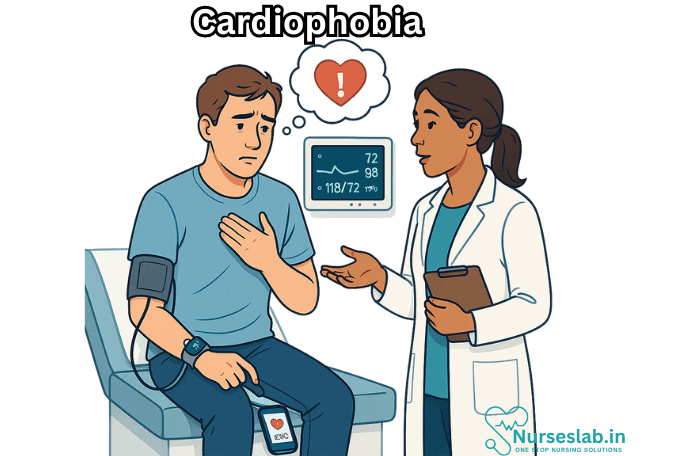
Cardiophobia—derived from the Greek words “kardia” for heart and “phobos” for fear—refers to an intense, persistent fear or preoccupation with having a heart-related illness. This psychological condition is more than fleeting worry; it is a profound anxiety that can dominate an individual’s thoughts, emotions, and daily life. While occasional concern about heart health is normal, especially in a world with rising awareness of cardiovascular disease, cardiophobia transcends rational caution and becomes a source of significant distress and impairment.
Defining Cardiophobia
Cardiophobia is classified as a specific phobia within the broader spectrum of anxiety disorders. It is characterized by the irrational and persistent fear of heart disease or the prospect of suffering a heart attack. Those affected by cardiophobia frequently misinterpret normal bodily sensations—like a racing heart, palpitations, or minor chest discomfort—as signs of imminent cardiac danger.
It is important to differentiate cardiophobia from hypochondria (now known as illness anxiety disorder). While both involve health anxiety, cardiophobia is specifically focused on the heart, whereas hypochondria may concern various organs or illnesses.
Prevalence and Demographics
The precise prevalence of cardiophobia is difficult to determine, as it is often underreported or misdiagnosed. However, it is recognized as a relatively common phenomenon among individuals with panic disorder or health anxiety. Middle-aged adults, particularly those with a family history of heart disease or a personal experience of panic attacks, may be more susceptible. Nonetheless, people from all walks of life—including young adults and the elderly—can develop cardiophobia.
Causes and Risk Factors
- Personal or Family History of Heart Disease: Individuals who have experienced heart-related health scares, or who have witnessed loved ones suffer from cardiac events, may be at elevated risk.
- Panic Disorder: Panic attacks often involve intense physical sensations such as rapid heartbeat, chest pain, and shortness of breath, which can be misinterpreted as signs of heart disease.
- Media Exposure: Constant coverage of heart attacks in the news, movies, or social media can heighten awareness and anxiety about cardiac health, especially for those who are already predisposed to worry.
- Health Anxiety and Hypochondria: Generalized anxiety about health can sometimes focus on the heart, especially given its critical role in sustaining life.
- Traumatic Events: Witnessing or experiencing a traumatic event related to heart problems—such as the sudden death of a friend from a heart attack—can trigger lasting fears.
- Medical Knowledge: Ironically, individuals with medical training may develop cardiophobia due to increased awareness of symptoms and diseases.
Symptoms of Cardiophobia
Cardiophobia manifests in a variety of physical, emotional, and behavioral symptoms, including:
- Physical: Palpitations, chest pain, dizziness, sweating, shortness of breath, and gastrointestinal discomfort. These may be real sensations magnified by anxiety, or entirely psychosomatic.
- Emotional: Persistent worry or dread about having a heart attack or undiagnosed heart disease; difficulty concentrating due to preoccupation with cardiac health; feelings of helplessness.
- Behavioral:
- Frequent visits to doctors or emergency rooms, seeking reassurance about heart health.
- Repeated self-monitoring—such as checking pulse, blood pressure, or heart rate—often many times per day.
- Avoidance of activities that may increase heart rate (e.g., exercise, sexual activity), due to fear of triggering a cardiac event.
- Avoidance of stressful situations, caffeine, or anything believed to tax the heart.
Impact on Daily Life
Cardiophobia can be profoundly disabling. The persistent fear may interfere with work, relationships, and social engagement. Some individuals withdraw from previously enjoyable activities, fearing that excitement or exertion could provoke a heart attack. This can lead to social isolation, depression, and a diminished quality of life.
Additionally, frequent medical consultations and tests can place strain on healthcare resources and cause financial burden for the individual. Repeated negative test results may provide only temporary relief, with anxiety soon returning or shifting to new symptoms.
Diagnosis
Diagnosing cardiophobia requires careful consideration by healthcare professionals. It is important to distinguish between legitimate cardiac conditions and anxiety-driven concerns. Physicians often begin by ruling out genuine heart disease through physical exams and diagnostic tests. Once cardiac issues are excluded, referral to a mental health specialist may be appropriate.
The diagnosis may involve:
- Clinical interviews to assess the nature, duration, and intensity of symptoms.
- Psychological questionnaires measuring anxiety levels and health worries.
- Assessment of avoidance behaviors and their impact on daily functioning.
Comorbidity with Other Disorders
Cardiophobia frequently co-occurs with other mental health conditions, such as:
- Panic disorder
- Generalized anxiety disorder
- Major depressive disorder
- Obsessive-compulsive disorder
- Somatic symptom disorder
Recognizing comorbid conditions is crucial for comprehensive treatment planning.
Treatment Approaches
A range of therapeutic interventions can help individuals manage and overcome cardiophobia:
Cognitive-Behavioral Therapy (CBT)
CBT is the most widely supported psychological treatment for cardiophobia. It focuses on identifying and challenging irrational beliefs about heart health, teaching coping skills, and gradually exposing the individual to feared sensations or activities.
Key components include:
- Cognitive restructuring: Correcting catastrophic misinterpretations of bodily sensations.
- Exposure therapy: Gradual reintroduction of feared activities (such as exercise) under controlled conditions.
- Relaxation and mindfulness techniques: Reducing overall anxiety and increasing tolerance of uncomfortable sensations.
Medication
In some cases, medications such as selective serotonin reuptake inhibitors (SSRIs) or benzodiazepines may be prescribed to manage anxiety symptoms. These should only be used under the guidance of a qualified healthcare provider, as part of a broader treatment plan.
Psychoeducation
Educating individuals about the nature of anxiety, the physical sensations of stress, and the distinction between real and perceived danger can empower them to manage their fears more effectively.
Lifestyle Modifications
Encouraging a healthy lifestyle—balanced diet, regular but moderate physical activity, adequate sleep, and stress management—can reduce overall anxiety as well as improve genuine heart health, thus providing a dual benefit.
Support Groups and Counseling
Peer support and counseling offer a sense of validation and community. Knowing that others share similar fears can reduce feelings of isolation and shame.
Living with Cardiophobia: Personal Stories
To better understand the lived experience of cardiophobia, consider the following illustrative vignette:
Jessica, a 34-year-old marketing executive, began experiencing frequent palpitations and chest tightness after her uncle died suddenly of a heart attack. Despite numerous medical checkups, her anxiety lingered. She stopped exercising, avoided caffeine, and constantly monitored her pulse. With the help of CBT, Jessica learned to reinterpret her symptoms, gradually returned to her activities, and regained her quality of life.
Prevention and Early Intervention
Preventing cardiophobia involves fostering healthy attitudes toward bodily sensations and cardiac health, as well as early recognition of anxiety symptoms. Encouraging open conversations about stress, improving mental health literacy, and promoting balanced media coverage of health issues can all reduce the risk of developing excessive cardiac-related fears.
Nursing Care of Patients with Cardiophobia
Effective nursing care for patients with cardiophobia requires a holistic, patient-centered approach that addresses physical, psychological, and social dimensions of health.
Nursing Diagnoses May Include:
- Anxiety related to fear of having a heart attack, as evidenced by verbalization of fear, hypervigilance to bodily sensations, and repeated requests for reassurance.
- Ineffective coping related to maladaptive health beliefs and behaviors.
- Knowledge deficit regarding the benign nature of symptoms and appropriate management strategies.
- Impaired social interaction related to preoccupation with cardiac health and avoidance of activities.
Goals of Nursing Care
- Reduce patient anxiety and fear associated with cardiac symptoms.
- Promote adaptive coping strategies and self-efficacy.
- Enhance understanding of the condition and foster trust in medical evaluation.
- Encourage gradual re-engagement with previously avoided activities.
- Facilitate access to psychological support and interdisciplinary care.
Nursing Interventions
1. Building Therapeutic Relationship
- Establish a nonjudgmental, supportive rapport with the patient. Recognize the validity of their distress and avoid dismissing their concerns.
- Provide consistent care and continuity to reduce health-seeking behaviors and establish trust.
2. Patient Education
- Educate the patient about the nature of cardiophobia, distinguishing it from actual cardiac disease.
- Discuss the normalcy of experiencing occasional palpitations, chest discomfort, and fluctuations in heart rate, especially in the context of stress or anxiety.
- Clarify the results of diagnostic evaluations, emphasizing the absence of pathological findings.
- Provide written materials and trustworthy online resources to reinforce information and reduce reliance on misinformation.
3. Anxiety Reduction Techniques
- Teach relaxation techniques such as deep breathing exercises, progressive muscle relaxation, guided imagery, or mindfulness meditation to help control anxiety when symptoms arise.
- Encourage the use of distraction techniques—such as engaging in hobbies, listening to music, or connecting with supportive friends—to shift focus away from bodily sensations.
- Introduce stress management strategies, including time management, problem-solving, and healthy lifestyle practices.
4. Cognitive Behavioral Strategies
- Collaborate with mental health professionals to introduce cognitive-behavioral therapy (CBT), which is highly effective in addressing the maladaptive thoughts and behaviors associated with cardiophobia.
- Encourage the patient to keep a symptom diary to track triggers, thoughts, feelings, and behaviors, facilitating pattern recognition and intervention.
- Support gradual exposure to avoided situations or activities under controlled circumstances, helping the patient regain confidence in their physical capabilities.
5. Promoting Healthy Lifestyle Choices
- Advise on the importance of regular physical activity, appropriate to the patient’s health status, to improve cardiovascular fitness and reduce anxiety about exercise-induced symptoms.
- Encourage a balanced diet, adequate hydration, and good sleep hygiene.
- Discuss the risks of substance abuse, including excessive caffeine, tobacco, or alcohol, which can exacerbate anxiety and physical symptoms.
6. Effective Communication with the Healthcare Team
- Facilitate interdisciplinary collaboration between nursing, medical, and mental health professionals to ensure a unified approach to care.
- Communicate clearly with the patient’s primary care provider regarding ongoing concerns, repetition of unnecessary tests, and the need for psychological support.
- Advocate for appropriate referral to counseling or psychiatric services when indicated.
7. Family and Social Support
- Assess the patient’s support system and involve trusted family members or friends in education and care planning, with the patient’s consent.
- Encourage participation in support groups or peer communities for individuals with health-related anxiety.
Evaluation and Follow-Up
- Regularly review the patient’s progress toward established goals, adjusting the care plan as needed.
- Monitor for signs of improvement, such as reduced anxiety, increased activity engagement, and fewer health-seeking behaviors.
- Reinforce positive changes and celebrate milestones to boost motivation and self-confidence.
Ethical and Professional Considerations
- Maintain patient confidentiality, especially regarding mental health concerns.
- Demonstrate cultural sensitivity and adapt educational materials and interventions to the patient’s background and beliefs.
- Document all assessments, interventions, patient responses, and referrals in accordance with professional standards.
REFERENCES
- Alijaniha F, Noorbala A, Afsharypuor S, et al. Relationship Between Palpitation and Mental Health. https://www.ncbi.nlm.nih.gov/pmc/articles/PMC4884607/. Iran Red Crescent Med J. 2016;18(3):e22615. Published 2016 Mar 1.
- Anxiety & Depression Association of America. Specific Phobias – Symptoms. https://adaa.org/understanding-anxiety/specific-phobias/symptoms.
- Eifert GH. Cardiophobia: a paradigmatic behavioural model of heart-focused anxiety and non-anginal chest pain. Behav Res Ther. 1992 Jul;30(4):329-45. doi: 10.1016/0005-7967(92)90045-i. Erratum in: Behav Res Ther 1993 Sep;31(7):711. PMID: 1616469.
- Anxiety Disorders. In: Diagnostic and Statistical Manual of Mental Disorders. 5th edition (text revision). American Psychiatric Association; 2022.
- Zvolensky MJ, Feldner MT, Eifert GH, Vujanovic AA, Solomon SE. Cardiophobia: A Critical Analysis. Transcultural Psychiatry. 2008;45(2):230-252. doi:10.1177/1363461508089766
- Eaton WW, Bienvenu OJ, Miloyan B. Specific phobias. https://www.ncbi.nlm.nih.gov/pmc/articles/PMC7233312/. Lancet Psychiatry. 2018;5(8):678-686.
- Samra CK, Abdijadid S. Specific Phobia. https://www.ncbi.nlm.nih.gov/books/NBK499923/. 2023 May 1. In: StatPearls [Internet]. Treasure Island (FL): StatPearls Publishing; 2023 Jan.
- Tsartsalis D, Dragioti E, Kontoangelos K, et al. The impact of depression and cardiophobia on quality of life in patients with essential hypertension. https://pubmed.ncbi.nlm.nih.gov/27837573/. Psychiatriki. 2016;27(3):192-203.
- Pietrabissa G, et al. (2020). The brief strategic treatment of cardiophobia: A clinical case study.
https://link.springer.com/article/10.1007/s10879-020-09479-z
Stories are the threads that bind us; through them, we understand each other, grow, and heal.
JOHN NOORD
Connect with “Nurses Lab Editorial Team”
I hope you found this information helpful. Do you have any questions or comments? Kindly write in comments section. Subscribe the Blog with your email so you can stay updated on upcoming events and the latest articles.


