


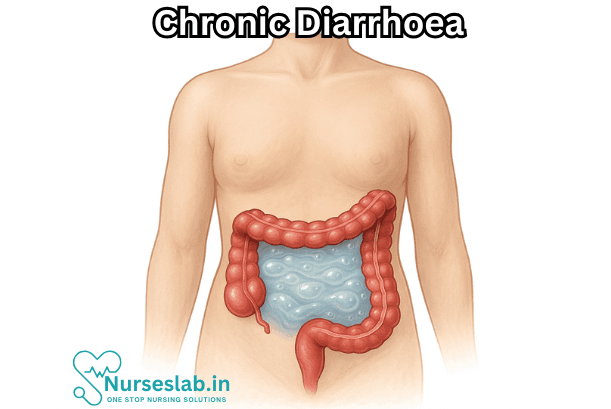
Chronic diarrhea is defined as persistent loose or watery stools lasting more than four weeks. It may result from infections, malabsorption, IBS, IBD, endocrine disorders, or medication effects. Understanding its causes, diagnosis, and management is essential in nursing and clinical practice.
Introduction
Chronic diarrhoea is a significant clinical entity encountered frequently in both primary and specialist healthcare settings. Defined as the passage of loose or watery stools occurring three or more times daily and persisting for at least four weeks, chronic diarrhoea is more than a mere symptom—it is a syndrome with diverse aetiologies and far-reaching implications. It affects individuals of all ages and backgrounds, with particular vulnerability observed among children, the elderly, and immunocompromised populations. Globally, chronic diarrhoea contributes to considerable morbidity, impaired quality of life, and increased healthcare utilisation, underscoring its public health importance.
Epidemiology
Epidemiological data reveal that chronic diarrhoea accounts for up to 5% of all outpatient gastroenterology visits. It is a leading cause of malnutrition and morbidity, particularly in rural and resource-limited settings. Its multifactorial nature demands a systematic, evidence-based approach to diagnosis and management, tailored to the patient’s context and underlying risk factors.
Aetiology and Risk Factors
Common Causes
The aetiology of chronic diarrhoea can be broadly classified into infectious, inflammatory, functional, and malabsorptive categories. A clear understanding of these categories is essential for accurate diagnosis and effective management.
- Infectious Causes: While acute diarrhoea is often due to infections, certain pathogens—such as Giardia lamblia, Entamoeba histolytica, and intestinal tuberculosis—can cause persistent or recurrent symptoms. Chronic infections are more common in immunocompromised patients, such as those with HIV/AIDS.
- Inflammatory Causes: Inflammatory Bowel Disease (IBD), encompassing Crohn’s disease and ulcerative colitis, is a significant cause of chronic diarrhoea. Other conditions include microscopic colitis and eosinophilic gastroenteritis.
- Functional Disorders: Irritable Bowel Syndrome (IBS), particularly the diarrhoea-predominant subtype (IBS-D), is a functional bowel disorder characterised by chronic, fluctuating symptoms without structural abnormalities.
- Malabsorptive Disorders: Conditions such as coeliac disease, chronic pancreatitis, lactose intolerance, and short bowel syndrome can lead to malabsorption, resulting in chronic diarrhoea. These disorders impede the normal absorption of nutrients, fats, or carbohydrates.
- Drug-Induced Diarrhoea: Chronic use of certain medications, including antibiotics, laxatives, metformin, and chemotherapy agents, can alter gut motility or flora, precipitating persistent diarrhoea.
- Endocrine and Metabolic Causes: Hyperthyroidism, diabetes mellitus (with autonomic neuropathy), Addison’s disease, and certain neuroendocrine tumours (e.g., carcinoid syndrome, VIPoma) may present with chronic diarrhoea.
- Postsurgical and Postradiation States: Surgical resection of the gut (e.g., ileal resection), cholecystectomy, or pelvic radiation therapy can disrupt normal digestive processes, leading to chronic symptoms.
Risk Groups
Certain populations are at higher risk of developing chronic diarrhoea:
- Children, especially those with poor nutrition or exposure to unsanitary conditions
- Elderly individuals, due to comorbidities and polypharmacy
- Immunocompromised patients, including those with HIV/AIDS, malignancies, or on immunosuppressive therapy
- Individuals with a family history of gastrointestinal disorders
- Residents of areas with high prevalence of infectious agents or poor sanitation
Clinical Presentation
Symptoms
The hallmark of chronic diarrhoea is the persistence of loose or watery stools for four weeks or more. However, the clinical presentation may be highly variable, depending on the underlying cause.
- Increased stool frequency (≥3 times per day)
- Watery, oily, or bloody stools
- Abdominal pain, cramping, or bloating
- Urgency and incontinence
- Weight loss and signs of malnutrition (in malabsorptive or inflammatory causes)
- Tenesmus (in rectal or colonic involvement)
- Fatigue, malaise, or dehydration
Duration and Associated Features
Chronic diarrhoea, by definition, persists for at least four weeks. Associated features such as fever, nocturnal symptoms, blood in stools, and significant weight loss are red flags suggesting an underlying organic pathology rather than a functional disorder. Extraintestinal manifestations (e.g., joint pains, skin rashes) may point towards IBD or systemic diseases.
Diagnostic Approach
A systematic approach is essential for the evaluation of chronic diarrhoea, aiming to identify treatable causes, rule out serious conditions, and guide appropriate management.
History Taking
A detailed history should cover the onset, duration, frequency, and character of stools; associated symptoms such as pain, fever, or bleeding; dietary habits; recent travel; medication use; family history; and presence of risk factors (e.g., immunosuppression).
Physical Examination
Clinical examination may reveal signs of dehydration, malnutrition (e.g., muscle wasting, oedema), abdominal tenderness, masses, or perianal disease. Extraintestinal findings such as skin lesions or joint abnormalities may provide diagnostic clues.
Laboratory Investigations
- Stool Analysis: Microscopy for ova, cysts, and parasites; leukocytes and occult blood; fat globules (suggesting malabsorption); stool cultures for bacterial pathogens; and Clostridioides difficile toxin assay when indicated.
- Blood Tests: Full blood count, serum electrolytes, renal function, liver function tests, thyroid profile, inflammatory markers (CRP, ESR), vitamin B12, folate, and iron studies.
- Serological Tests: Coeliac serology (anti-tTG, EMA), HIV testing, and specific tests based on clinical suspicion.
Imaging and Endoscopy
- Abdominal Ultrasound or CT Scan: Useful in detecting structural abnormalities, masses, or lymphadenopathy.
- Colonoscopy and Upper GI Endoscopy: Indicated for persistent, unexplained cases or when red flag symptoms are present. Biopsy samples are essential for diagnosing IBD, microscopic colitis, or malignancy.
- Small Bowel Imaging (e.g., MRI enterography, capsule endoscopy): Useful for evaluating suspected small bowel pathology.
Differential Diagnosis
Differential diagnosis is broad and includes functional bowel disorders (IBS), IBD, infections, malabsorption syndromes, neoplasms, endocrine disorders, and medication-induced diarrhoea. A methodical approach, integrating clinical, laboratory, and imaging findings, is crucial for accurate diagnosis.
Treatment and Management
Management of chronic diarrhoea is guided by the underlying cause, severity of symptoms, and patient-specific factors. A multidisciplinary approach often yields the best outcomes.
Pharmacological Therapies
- Antimicrobials: Targeted therapy for identified infectious agents (e.g., metronidazole for Giardia, anti-TB drugs for intestinal tuberculosis).
- Anti-inflammatory Agents: Aminosalicylates, corticosteroids, immunosuppressants, and biologic agents for IBD.
- Antimotility Agents: Loperamide may be used in selected cases (not in infectious diarrhoea with high fever or blood in stools).
- Bile Acid Binders: Cholestyramine is useful in bile acid-induced diarrhoea (e.g., post-cholecystectomy).
- Enzyme Replacement: Pancreatic enzyme supplements for chronic pancreatitis; lactase for lactose intolerance.
- Other Medications: Probiotics, antispasmodics, or antidepressants (for functional bowel disorders).
Dietary Modifications
- Low FODMAP Diet: Restriction of fermentable carbohydrates is beneficial in IBS and some malabsorption syndromes.
- Gluten-Free Diet: Mandatory for coeliac disease.
- Lactose-Free Diet: For lactose intolerance.
- High-Protein, High-Calorie Diet: To counteract malnutrition and weight loss, especially in children and the elderly.
Addressing Underlying Causes
Definitive management involves treating the primary pathology—whether it is eradicating infection, inducing and maintaining remission in IBD, supplementing deficient nutrients, or withdrawing offending medications.
Supportive Care
- Fluid and Electrolyte Replacement: Oral rehydration solutions (ORS) are the mainstay for mild to moderate dehydration. Intravenous fluids may be required for severe cases.
- Nutritional Rehabilitation: Correction of macro- and micronutrient deficiencies through dietary advice and supplementation.
- Counselling and Education: Patient education regarding disease nature, dietary management, and importance of medication adherence.
Complications
Untreated or inadequately managed chronic diarrhoea can result in serious complications that may be life-threatening, particularly in vulnerable populations.
- Dehydration: Persistent fluid loss can lead to hypovolaemia, hypotension, renal impairment, and shock.
- Electrolyte Imbalance: Loss of sodium, potassium, magnesium, and bicarbonate can cause metabolic acidosis, arrhythmias, muscle weakness, and confusion.
- Nutritional Deficiencies: Chronic malabsorption results in deficiencies of vitamins (A, D, E, K, B12, folate), minerals (iron, calcium, zinc), and protein-energy malnutrition.
- Impaired Growth and Development: In children, chronic diarrhoea is linked to stunting, cognitive delays, and increased susceptibility to infections.
- Exacerbation of Comorbidities: Patients with pre-existing cardiac, renal, or metabolic disorders may experience worsening of their conditions.
- Psychological Distress: Chronic symptoms often lead to anxiety, depression, and social withdrawal.
Prevention Strategies
Prevention of chronic diarrhoea requires a multifaceted approach, targeting both individual and community-level factors.
- Hygiene and Sanitation: Handwashing with soap, use of safe drinking water, proper food handling, and improved sanitation facilities reduce the risk of infectious diarrhoea.
- Dietary Recommendations: Education on balanced nutrition, avoidance of known dietary triggers, and safe weaning practices in infants.
- Vaccination: Immunisation against rotavirus and other enteric pathogens in children.
- Screening and Early Intervention: Regular screening of high-risk populations (e.g., HIV-positive individuals, those with family history of IBD) for early detection and management.
- Safe Medication Practices: Avoidance of unnecessary antibiotics and rational use of medications known to cause diarrhoea.
Impact on Quality of Life
Chronic diarrhoea exerts a profound impact on the physical, psychological, and social dimensions of affected individuals.
Physical Health:
- Ongoing symptoms lead to fatigue, weight loss, reduced physical activity, and increased vulnerability to other illnesses.
Psychological Well-being:
- The unpredictable nature of symptoms, fear of incontinence, and dietary restrictions contribute to anxiety, embarrassment, and depression.
Social and Occupational Functioning:
- Frequent bathroom visits, absenteeism from work or school, and limitations in travel or social engagement are common. The stigma attached to bowel disorders may result in social isolation and reduced self-esteem.
Economic Burden:
- Direct costs (medical consultations, investigations, medications) and indirect costs (lost productivity, caregiver burden) place a considerable strain on families and healthcare systems, especially in low-resource settings.
Nursing Care of Patients with Chronic Diarrhea
Nursing care plays a pivotal role in the effective management of chronic diarrhea, focusing on assessment, interventions, prevention of complications, and patient education.
Assessment of the Patient with Chronic Diarrhea
A thorough assessment forms the cornerstone of effective nursing care. Key components include:
Comprehensive History Taking:
- Onset, duration, frequency, and characteristics of diarrhea (appearance, presence of blood or mucus, nocturnal symptoms)
- Associated symptoms (abdominal pain, fever, weight loss, urgency, tenesmus)
- Dietary habits, recent travel, use of medications (especially antibiotics or laxatives), and exposure to infectious agents
- Family history of gastrointestinal disorders
- Psychosocial factors, including stress and anxiety levels
Physical Examination:
- Vital signs, including temperature, pulse, blood pressure, and respiratory rate
- Assessment for signs of dehydration: dry mucous membranes, poor skin turgor, sunken eyes, hypotension, tachycardia, decreased urine output
- Abdominal examination: tenderness, distension, masses, or abnormal bowel sounds
- Inspection of perianal area for irritation, excoriation, or fistulas
Laboratory and Diagnostic Studies:
- Stool analysis for ova, parasites, bacteria, blood, and leukocytes
- Blood tests: complete blood count, electrolytes, renal function, inflammatory markers
- Endoscopic or imaging studies as indicated
Nursing Diagnoses
Common nursing diagnoses in patients with chronic diarrhea include:
- Fluid Volume Deficit related to excessive loss through diarrhea
- Risk for Electrolyte Imbalance related to prolonged fluid loss
- Impaired Skin Integrity related to frequent stooling and moisture
- Imbalanced Nutrition: Less Than Body Requirements related to malabsorption or decreased intake
- Anxiety related to the chronic nature and unpredictability of symptoms
- Knowledge Deficit about disease management and dietary control
Nursing Interventions
1. Maintaining Fluid and Electrolyte Balance
- Monitor input and output meticulously, documenting all sources of fluid loss
- Assess for signs of dehydration regularly and report significant changes promptly
- Encourage oral intake of fluids, especially those containing electrolytes (oral rehydration solutions, clear broths, diluted juice)
- Administer intravenous fluids and electrolytes as ordered if oral intake is inadequate or if the patient is severely dehydrated
- Monitor laboratory values (serum sodium, potassium, bicarbonate) and respond to abnormalities accordingly
2. Promoting Skin Integrity
- Inspect perianal skin frequently for redness, excoriation, or breakdown
- Cleanse perianal area gently after each episode using mild soap and lukewarm water or pH-balanced wipes
- Pat skin dry, avoiding vigorous rubbing
- Apply moisture barriers or protective creams to reduce irritation from frequent stooling
- Encourage the use of absorbent pads or briefs if necessary, and change promptly after soiling
3. Ensuring Adequate Nutrition
- Collaborate with a dietitian to assess nutritional status and develop an individualized meal plan
- Encourage small, frequent meals that are easy to digest
- Avoid foods that exacerbate diarrhea, such as high-fat, spicy, or high-fiber foods, as well as dairy for those with lactose intolerance
- Promote intake of foods that may help thicken stool, such as bananas, rice, applesauce, and toast (“BRAT” diet)
- Monitor for signs of malnutrition (weight loss, muscle wasting, hypoalbuminemia)
4. Addressing Anxiety and Psychosocial Needs
- Provide a calm, supportive environment that respects patient privacy and dignity
- Encourage expression of feelings about the impact of chronic diarrhea on daily life
- Offer psychological support and, if indicated, refer to counseling services
- Educate about the chronic nature of the condition and realistic expectations for management and improvement
- Involve family members or caregivers in care planning and emotional support
5. Patient Education
- Teach the importance of adhering to dietary recommendations and medication regimens
- Inform about signs and symptoms of dehydration and when to seek medical attention
- Educate on the proper use of antidiarrheal medications, if prescribed, and potential side effects
- Emphasize the importance of follow-up appointments and ongoing monitoring
- Provide written materials or resources for self-care and support
Preventing Complications
Patients with chronic diarrhea are at risk for several complications, including:
- Dehydration and Hypovolemic Shock: Rapid and severe fluid losses can lead to circulatory collapse if not managed aggressively.
- Electrolyte Imbalances: Particularly hypokalemia, hyponatremia, and metabolic acidosis, which may cause cardiac arrhythmias or neurological symptoms.
- Malnutrition: Chronic nutrient loss may result in weight loss, vitamin and mineral deficiencies, and delayed wound healing.
- Skin Breakdown: Constant moisture and irritation increase the risk of pressure ulcers and secondary infections.
Nurses should implement preventive measures and monitor for early signs of these complications, initiating interventions and collaborating with the healthcare team as needed.
Collaboration with the Healthcare Team
Effective management of chronic diarrhea often requires interdisciplinary collaboration:
- Physician: For diagnostic evaluation, prescription of medications (such as antidiarrheals, antibiotics, or immunosuppressants), and monitoring of underlying disease progression
- Dietitian: For nutritional assessment and counseling tailored to the patient’s needs and tolerances
- Pharmacist: To review medication regimens for drugs that may contribute to diarrhea and to educate about proper administration
- Social Worker: For assistance with resources, coping strategies, and support systems
Special Considerations
- Pediatric Patients: At higher risk for dehydration and rapid deterioration; require close monitoring and family education
- Older Adults: May have multiple comorbidities and polypharmacy, increasing the risk for complications and drug interactions
- Patients with Mobility or Cognitive Impairment: Require assistance with toileting, skin care, and monitoring for signs of distress
Documentation
Accurate and timely documentation is essential. Nurses should record:
- Frequency, volume, and characteristics of stools
- Intake and output
- Assessment findings, including skin condition and signs of dehydration
- Interventions implemented and patient response
- Patient and family education provided
REFERENCES
- Arasaradnam RP, Brown S, Forbes A, et al. Guidelines for the investigation of chronic diarrhoea in adults: British Society of Gastroenterology, 3rd edition. https://pubmed.ncbi.nlm.nih.gov/29653941/. Gut. 2018;67:1380-1399.
- Burgers K, Lindberg B, Bevis ZJ. Chronic Diarrhea in Adults: Evaluation and Differential Diagnosis. https://pubmed.ncbi.nlm.nih.gov/32293842/. Am Fam Physician. 2020 Apr 15;101(8):472-480. PMID: 32293842.
- Shokouhi N, Mohammadi S, Ghanbari Z, et al. Development of a new version of the Bristol Stool Form Scale: translation, content validity, face validity, and reliability of the Persian version. BMJ Open Gastroenterol. 2022;9(1):e001017. doi:10.1136/bmjgast-2022-001017
- International Foundation for Gastrointestinal Disorders. Common Causes of Chronic Diarrhea. https://iffgd.org/gi-disorders/diarrhea/common-causes/.
- Schiller LR, Pardi DS, Sellin JH. Chronic Diarrhea: Diagnosis and Management. https://pubmed.ncbi.nlm.nih.gov/27496381/. Clin Gastroenterol Hepatol. 2017 Feb;15(2):182-193.e3.
- Descoteaux-Friday GJ, Shrimanker I. Chronic Diarrhea. [Updated 2023 Aug 7]. In: StatPearls [Internet]. Treasure Island (FL): StatPearls Publishing; 2025 Jan-. Available from: https://www.ncbi.nlm.nih.gov/books/NBK544337/
- Travelers’ diarrhea. Centers for Disease Control and Prevention. https://wwwnc.cdc.gov/travel/yellowbook/2020/preparing-international-travelers/travelers-diarrhea.
Stories are the threads that bind us; through them, we understand each other, grow, and heal.
JOHN NOORD
Connect with “Nurses Lab Editorial Team”
I hope you found this information helpful. Do you have any questions or comments? Kindly write in comments section. Subscribe the Blog with your email so you can stay updated on upcoming events and the latest articles.


